
Signs Your Car Needs Immediate Maintenance
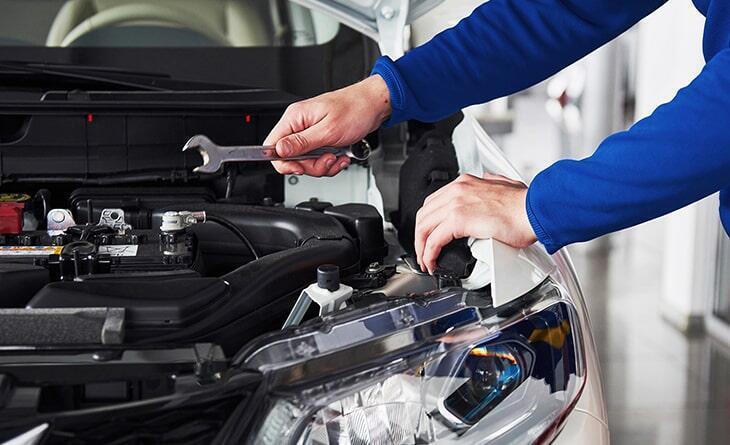
Your car communicates its needs through subtle and not-so-subtle signs. Ignoring these warnings can lead to costly repairs or dangerous breakdowns. From unusual noises and dashboard warning lights to fluid leaks and performance changes, recognizing these indicators early is crucial for your safety and vehicle longevity.
This article outlines the key symptoms that demand your attention, helping you differentiate between minor issues and those requiring immediate professional maintenance. Stay proactive to keep your car reliable on the road.
Signs Your Car Needs Immediate Maintenance
When your vehicle starts showing unusual behaviors, it is often trying to tell you that something is wrong and requires urgent attention.
Recognizing these signs early can prevent costly repairs, ensure your safety, and avoid being stranded on the road. Ignoring warning lights, strange noises, or performance issues can lead to severe mechanical failures. Here are the key indicators that your car needs immediate maintenance.
Dashboard Warning Lights Are Illuminated
One of the most obvious signs that your car needs immediate attention is when a dashboard warning light, such as the Check Engine Light, Oil Pressure Warning, or Battery Light, stays on or flashes. These lights are directly connected to your vehicle's diagnostic system and indicate a problem that could range from a loose gas cap to a failing engine component.
Never ignore a flashing check engine light, as it often signals a serious issue like a misfire that can damage the catalytic converter. Immediate diagnostics are crucial to determine the exact cause.
Unusual Noises While Driving or Braking
Your car should operate with a relatively smooth sound, so any new or unusual noises are a red flag. A high-pitched squealing or grinding noise when braking indicates worn brake pads or damaged rotors, which severely compromise stopping power. A loud knocking or tapping from the engine could signal low oil pressure or internal engine damage.
Additionally, a whining sound from the transmission or a growling noise from the wheels while turning often points to failing drivetrain or suspension components. These noises demand immediate inspection.
Fluid Leaks or Overheating Engine
Visible puddles or stains under your parked car are clear indicators of a leak that requires urgent maintenance. Coolant leaks (green, orange, or pink fluid) can cause your engine to overheat, leading to a blown head gasket or cracked engine block. Oil leaks (brown or black fluid) reduce lubrication and can cause catastrophic engine failure.
If you notice steam coming from under the hood or the temperature gauge rises into the red zone, stop driving immediately. Overheating is one of the most critical signs that your car needs immediate mechanical attention.
| Warning Sign | Potential Cause | Urgency Level |
|---|---|---|
| Dashboard warning lights on | Engine misfire, sensor failure, low oil pressure | High |
| Squealing or grinding brakes | Worn brake pads, damaged rotors | Critical |
| Engine knocking or tapping | Low oil, worn bearings, timing chain issues | Critical |
| Fluid leaks (coolant or oil) | Leaking hoses, gasket failure, cracked radiator | High |
| Overheating engine | Coolant loss, thermostat failure, water pump issue | Critical – stop driving |
Critical Warning Signs Your Vehicle Requires Immediate Mechanical Attention
Ignoring early indicators of automotive distress can lead to catastrophic engine failure, dangerous brake system collapse, or complete transmission breakdown. Immediate attention to unusual noises, dashboard alerts, or performance changes prevents costly repairs and ensures driver and passenger safety.
Delaying maintenance when these signs appear can transform a minor issue into a life-threatening malfunction on the road.
Unusual Noises From the Engine or Brakes
A grinding sound when braking indicates worn brake pads that have reached the metal backing plate, while a persistent knocking from the engine suggests low oil pressure or failing bearings.
This content may interest you! Most Common Warning Lights on Toyota RAV4
Screeching belts signal a loose or damaged serpentine belt that could snap and shut down your power steering and alternator instantly. Any metallic scraping or rhythmic thumping demands immediate professional inspection to prevent further component damage.
Dashboard Warning Lights Staying Illuminated
A flashing check engine light indicates a severe misfire that can destroy the catalytic converter, while a solid red battery warning light points to a failing alternator or electrical system issue.
The oil pressure warning should never be ignored, as it means your engine is running without proper lubrication, leading to rapid internal wear. The temperature warning light signals overheating that can warp the cylinder head or blow the head gasket.
Fluid Leaks Under the Vehicle
A puddle of reddish-brown liquid indicates transmission fluid loss, causing gears to slip and burn out the clutch packs. Green or orange fluid is coolant, leading to engine overheating and potential head gasket failure. Dark brown or black oil leaks confirm a failing gasket that drops engine oil pressure dangerously.
Any excessive fluid accumulation warrants immediate towing to avoid complete system failure.
Vibrations or Pulling While Driving
A strong pull to one side during braking suggests a seized caliper or collapsed brake hose, causing uneven pad wear and reduced stopping power. Violent steering wheel shaking at highway speeds points to unbalanced wheels, damaged tire belts, or failing suspension ball joints.
Persistent vibrations from the drivetrain indicate a failing universal joint or transmission mount that could dislodge while driving.
Burning Smells Inside or Outside the Cabin
A sweet syrup smell inside the vehicle indicates a coolant leak into the heater core, which can cause toxic fumes and engine overheating. Burning rubber odor suggests a slipping belt or an oil leak dripping onto hot exhaust components, risking an engine fire.
A hot electrical smell warns of melting wires or a short circuit that could disable critical safety systems like airbags or anti-lock brakes.
Frequently Asked Questions
What does a squealing or grinding noise when you apply the brakes indicate?
Squealing or grinding noises typically mean your brake pads are worn down. A high-pitched squeal often comes from a small metal indicator strip grinding against the rotor, signaling it's time for new pads. Grinding sounds, however, suggest metal-on-metal contact, which damages rotors and compromises stopping power. Ignoring this can lead to costly rotor replacements and unsafe braking. Immediate inspection and replacement are necessary to ensure braking efficiency and safety on the road.
Why is a fluid leak under my parked car a critical sign?
A fluid leak under your car is a serious indicator of a mechanical problem. Engine oil, coolant, or transmission fluid pooling can lead to rapid engine overheating, severe component damage, or transmission failure. Clear, red, brown, or green puddles should never be ignored. Without proper fluid levels, parts seize or burn out, leaving you stranded. Check the leak's location and type, then schedule a professional diagnosis to prevent costly repairs and potential breakdowns.
What does a persistent warning light on the dashboard mean for immediate care?
A persistent warning light, especially the Check Engine or oil pressure lamp, signals a malfunction requiring urgent attention. This light can indicate anything from a loose fuel cap to a failing engine sensor or low oil pressure, which risks catastrophic engine failure if ignored. Driving with a constant warning light can worsen underlying issues, leading to expensive repairs. Immediately read the code with an OBD-II scanner or visit a mechanic to resolve the problem before driving further.
How does a sudden decrease in fuel efficiency signal urgent maintenance?
A sudden drop in fuel economy often points to hidden problems like a clogged air filter, faulty oxygen sensor, or failing spark plugs. These issues force the engine to work harder and burn extra fuel, increasing emissions and stress. Ignoring this can escalate into poor engine performance, stalling, or overheating. Since modern cars rely on precise air-fuel mixtures, any deviation can damage components. Visit a mechanic promptly to inspect and correct the root cause, saving you from larger repairs ahead.
This content may interest you! Best Fluids to Check Before a Long Trip
Leave a Reply