
Most Common Warning Lights on Toyota RAV4
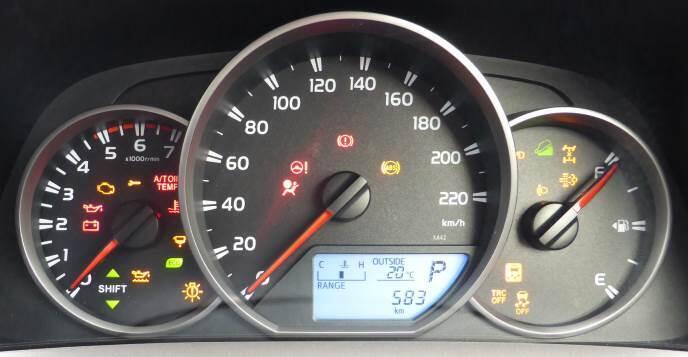
In the modern landscape of vehicle technology, dashboard warning lights serve as the primary communication link between your Toyota RAV4 and your awareness of its mechanical health. While these illuminated symbols can initially cause concern, understanding the most common ones empowers you to address issues promptly, potentially avoiding costly repairs.
From the persistent check engine light to the low tire pressure warning, each indicator is designed to alert you to specific conditions requiring attention.
This article explores the frequent warning lights encountered by RAV4 owners, explaining their meanings, possible causes, and recommended actions. Recognizing these signals ensures you maintain your SUV’s reliability and safety on the road.
Most Common Warning Lights on Toyota RAV4
The Toyota RAV4 is equipped with a comprehensive dashboard warning system that alerts drivers to potential issues. Understanding these lights is crucial for safe operation and preventing costly repairs.
From the critical check engine light to the tire pressure monitoring system, each symbol provides specific information about your vehicle's health.
Check Engine Light (Malfunction Indicator Lamp)
This is one of the most common warning lights on the Toyota RAV4. When illuminated, it indicates that the vehicle's onboard diagnostics system has detected a problem with the engine, transmission, or emissions control system. Common causes include a loose gas cap, faulty oxygen sensor, or a failing catalytic converter.
While a solid light may allow continued driving, a flashing check engine light signals a severe misfire that requires immediate attention to prevent engine damage.
Tire Pressure Monitoring System (TPMS) Light
The TPMS light, shaped like a horseshoe with an exclamation point, signals that one or more tires are significantly underinflated. This light is especially common during temperature changes. Proper tire pressure is vital for safety, fuel efficiency, and tire longevity.
If the light remains on after correcting tire pressure, a sensor may be malfunctioning. The RAV4's system measures pressure directly, and a warning typically triggers when pressure drops 25% below the recommended level.
This content may interest you! Common Driving Mistakes That Damage Your Vehicle
Battery and Charging System Warning Light
This red battery-shaped light indicates an issue with the vehicle's electrical charging system. It may mean the battery is failing, the alternator is not properly charging, or there is a loose or corroded battery cable. If this light appears while driving, electrical accessories may soon fail, and the engine could stall.
A quick diagnostic is crucial to avoid being stranded, as the RAV4 relies heavily on its electrical system for operation.
| Warning Light | Description | Severity | Common Cause | Action Required |
|---|---|---|---|---|
| Engine (MIL) | Engine or emission fault | Moderate to High | Gas cap, O2 sensor | Check cap; scan codes |
| TPMS | Low tire pressure | Moderate | Temperature change, leak | Inflate tires to spec |
| Battery | Charging system fault | High | Alternator, battery cable | Check battery/alternator |
Understanding Dashboard Alerts for Your Toyota RAV4
Dashboard warning lights are your vehicle's primary communication tool, signaling everything from minor issues to critical failures. The Toyota RAV4, known for its reliability, still relies on these indicators to prompt timely maintenance. Ignoring them can lead to costly repairs or unsafe driving conditions.
Most alerts activate when sensors detect irregularities in systems like the engine, brakes, or tires. Recognizing these symbols helps you respond appropriately, whether that means a quick check or immediate roadside assistance. Below, the most common warning lights are broken down to clarify their meanings and necessary actions.
Check Engine Light
The Check Engine Light typically appears as an engine-shaped icon and can indicate a wide range of issues, from a loose gas cap to a serious engine misfire. In the Toyota RAV4, this light may flash or stay solid.
A flashing light signals a severe problem requiring immediate attention, such as a catalytic converter failure, while a solid light often points to emissions-related faults. Ignoring it can reduce fuel efficiency or damage the engine, so scanning the vehicle's diagnostic codes is recommended.
Brake System Warning Light
When illuminated, the Brake System Warning Light shows a circle with an exclamation mark or the word "BRAKE." In the RAV4, this light commonly triggers due to low brake fluid levels, worn brake pads, or an engaged parking brake. A red indicator calls for immediate inspection, as brake failure risks accidents.
If the light stays on after releasing the parking brake, check fluid reservoirs and consult a mechanic for potential leaks or hydraulic issues.
Tire Pressure Monitoring System (TPMS) Light
The TPMS Light, an exclamation mark inside a horseshoe shape, alerts you to low tire pressure in one or more tires. For the RAV4, this is often triggered by temperature drops or slow leaks. Operating a vehicle with underinflated tires reduces fuel economy and increases blowout risk.
This content may interest you! Kia Cerato Tyre Pressure Warning Light: Causes, Reset Guide, and Fixes
When this light stays on consistently, verify pressures with a gauge and inflate to the recommended PSI. If it flashes, the system may have a sensor malfunction needing professional diagnosis.
Battery Charge Warning Light
A battery-shaped icon indicates the charging system is failing, often due to a dead battery, faulty alternator, or loose cables. In the RAV4, this light can accompany dim headlights or difficulty starting the engine. Driving with this light on may drain the battery completely, leaving you stranded.
Immediate action involves checking battery connections; if the light persists, a voltage test at a service center is necessary to prevent electrical system damage.
Oil Pressure Warning Light
Resembling an oil can with a drop, the Oil Pressure Warning Light signals critically low oil pressure, often from insufficient oil levels or a failing pump. For the Toyota RAV4, this can cause engine wear or seizure if ignored. When this light activates while driving, pull over immediately and check the oil dipstick.
Topping off oil might resolve the issue, but if the light remains on, internal engine problems may require a mechanic's evaluation to avoid permanent damage.
Frequently Asked Questions
Why is my Toyota RAV4 check engine light on?
The check engine light can activate for various reasons, from a loose gas cap to more serious engine issues. Common causes in a RAV4 include a faulty oxygen sensor, a failing catalytic converter, or a problem with the ignition coils. It’s crucial to have the vehicle’s diagnostic trouble codes read promptly. While a loose gas cap is a simple fix, ignoring the light could lead to reduced fuel efficiency or costly repairs. Schedule a professional scan as soon as possible.
What does the battery warning light on a RAV4 indicate?
This light, shaped like a battery, signals a problem with the charging system. Common causes include a failing alternator, a worn-out battery, or corroded battery terminals. In the RAV4, the alternator may stop supplying enough voltage, causing the battery to deplete. If this light stays on while driving, you might lose electrical power and eventually stall. Turn off non-essential electronics like the radio and air conditioning, and head to a mechanic. A diagnostic test can pinpoint whether the battery or alternator needs replacement.
Should I worry if the tire pressure light on my RAV4 illuminates?
The tire pressure monitoring system (TPMS) light warns of low tire pressure in one or more tires. This can happen due to temperature drops or a slow leak. For optimal safety and fuel efficiency, check and inflate all tires to the recommended pressure listed on the driver’s door jamb. If the light stays on after adjusting pressure, a tire may have a puncture or a sensor might be malfunctioning. Driving on underinflated tires increases wear and poses blowout risk, so address it promptly.
What does the ABS warning light on a RAV4 mean?
When the ABS (anti-lock braking system) light turns on, it indicates a fault within the system that prevents wheels from locking during hard braking. Common triggers in a RAV4 include a faulty wheel speed sensor, low brake fluid, or damaged wiring. While your standard brakes will still work, the ABS may not engage in slippery conditions. This increases stopping distances and reduces control on wet or icy roads. Have the system checked with a professional scan tool to identify the specific issue and prevent safety risks.
This content may interest you! Ford Ranger Turbo Problems and Warning Signs
Leave a Reply