
Ford Ranger Reliability: Is This Pickup Built to Last?
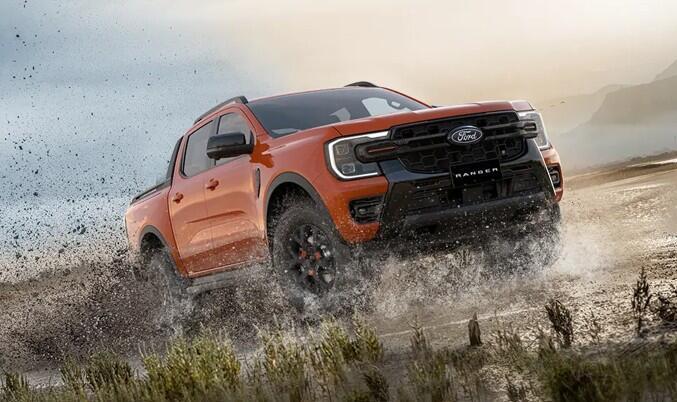
The Ford Ranger has earned a reputation as a tough, practical pickup that feels equally comfortable carrying tools to a building site, towing a caravan, or splashing through a muddy trail on a Saturday morning. It looks strong, drives with confidence, and wears the Ford badge proudly. But rugged styling and clever marketing do not automatically guarantee trouble-free ownership.
So, how reliable is the Ford Ranger?
Overall, the Ford Ranger can be a reliable pickup when we choose the right version, maintain it properly, and use it within its limits. Many Rangers cover high mileages while continuing to work hard every day. However, reliability varies considerably according to model year, engine, transmission, country, driving conditions, and service history.
Some versions have built a strong reputation for durability. Others have experienced transmission complaints, diesel emissions-system issues, electrical glitches, oil leaks, cooling-system faults, or recall work. Even recent models cannot be judged simply by appearance or mileage.
Let us dig beneath the polished bodywork and find out what Ford Ranger reliability really looks like in everyday ownership.
- Is the Ford Ranger Reliable?
- Ford Ranger Reliability at a Glance
- Why Ford Ranger Reliability Varies So Much
- How Long Can a Ford Ranger Last?
- Ford Ranger Engine Reliability
- EcoBoost Petrol Engine Reliability
- Four-Cylinder Diesel Reliability
- Ford Ranger 3.2 Diesel Reliability
- V6 Diesel Reliability
- Ford Ranger Transmission Reliability
- Diesel Particulate Filter Problems
- EGR Valve and Intake Carbon Buildup
- Electrical and Infotainment Reliability
- Ford Ranger Recalls and Reliability
- Suspension, Steering, and Chassis Durability
- Four-Wheel-Drive System Reliability
- Does Towing Reduce Ford Ranger Reliability?
- How Maintenance Affects Ranger Reliability
- Best Ford Ranger Years for Reliability
- Ford Ranger Years to Approach Carefully
- New Ford Ranger Reliability
- Used Ford Ranger Reliability Checklist
- How Expensive Is the Ford Ranger to Maintain?
- How to Make a Ford Ranger More Reliable
- Ford Ranger Reliability Compared With Rivals
- Is the Ford Ranger a Good Used Buy?
- Who Should Buy a Ford Ranger?
- Final Verdict: How Reliable Is the Ford Ranger?
- Frequently Asked Questions
Is the Ford Ranger Reliable?
Yes, the Ford Ranger is generally considered a reasonably reliable midsize pickup, but it is not flawless.
A well-maintained Ranger can deliver years of dependable service. The ladder-frame construction is robust, the suspension is designed to cope with demanding use, and many of its engines can accumulate substantial mileage. That makes the Ranger a serious workhorse rather than a lifestyle vehicle dressed in hiking boots.
However, its reliability record is mixed across generations. The Ranger name is used in several markets, and the mechanical specifications are not identical everywhere. A North American Ranger may use a turbocharged petrol engine, while Rangers sold in the UK, Australia, New Zealand, South Africa, and other regions are commonly associated with diesel powertrains.
That difference matters.
A petrol Ranger used mainly for commuting faces different reliability risks from a diesel model towing heavy trailers or making repeated short journeys. Likewise, a lightly used private vehicle may age very differently from a pickup that spends every day loaded with equipment.
In the United States, Consumer Reports has rated certain model years differently rather than treating the entire Ranger range as equally dependable. For example, it described the 2021 model as having approximately average reliability, while its assessment of the 2025 Ranger was less favorable.
The sensible conclusion is simple: the Ranger is capable of being reliable, but buyers must evaluate the exact truck rather than relying on the badge alone.
Ford Ranger Reliability at a Glance
For readers who want the quick picture, here is how the Ranger generally performs:
- Engine durability: Usually good with correct servicing
- Transmission reliability: Mixed, depending on version and maintenance
- Diesel emissions equipment: Can become troublesome with unsuitable driving
- Electrical systems: Occasional software, sensor, battery, and infotainment faults
- Suspension and chassis: Generally strong, although hard use accelerates wear
- Parts availability: Usually good in markets where the Ranger is popular
- Repair costs: Moderate to high for major diesel, transmission, or electronic repairs
- Long-term ownership potential: Good when maintenance history is complete
- Tolerance of neglect: Lower than its rugged image may suggest
Think of the Ranger as a strong athlete. It can carry more, travel farther, and work harder than many ordinary vehicles, but it still needs training, recovery, and proper nutrition. In automotive terms, that means clean oil, quality filters, healthy cooling systems, suitable driving habits, and timely repairs.
Why Ford Ranger Reliability Varies So Much
Online discussions about the Ranger can feel confusing. One owner may describe it as the most dependable vehicle they have ever owned. Another may list a transmission failure, repeated warning lights, and an expensive diesel repair.
Both experiences can be genuine.
Different Markets Receive Different Rangers
Ford has sold the Ranger with various engines, transmissions, trim levels, emissions systems, and drivetrain arrangements. Availability depends on location and production year.
Common Ranger powertrains have included:
- Turbocharged EcoBoost petrol engines
- Four-cylinder turbo-diesel engines
- Five-cylinder 3.2-litre turbo-diesel engines
- V6 turbo-diesel engines
- Six-speed automatic transmissions
- Ten-speed automatic transmissions
- Manual transmissions
- Two-wheel-drive and four-wheel-drive systems
We should never assume that a reliability problem affecting one engine automatically applies to every Ranger.
Working Conditions Change the Outcome
A Ranger used as a suburban family vehicle may experience little mechanical stress. One used for mining, farming, forestry, construction, towing, or remote-area travel may face:
- Persistent heavy loads
- Dust contamination
- Water crossings
- Long periods of idling
- Extreme heat
- Rough tracks
- Frequent towing
- Short maintenance intervals
- Greater suspension and brake wear
The truck’s condition often tells us as much as its odometer.
Maintenance Quality Matters More Than Mileage
A Ranger with 120,000 miles and a complete maintenance record may be a safer purchase than one with 60,000 miles and several missing services.
Modern turbocharged engines depend on correct oil pressure, clean lubrication pathways, effective cooling, and accurate electronic control. Missed oil changes can quietly create wear long before the dashboard warns us.
How Long Can a Ford Ranger Last?
A properly maintained Ford Ranger may remain usable beyond 200,000 miles, or roughly 320,000 kilometres. Some examples travel farther, particularly when they spend most of their lives covering steady highway distances.
Nevertheless, mileage alone does not determine lifespan.
A Ranger that tows near its maximum rating every week experiences more drivetrain and cooling-system stress than one carrying light loads. A truck driven through deep mud without careful cleaning may develop electrical, bearing, brake, or corrosion problems. A diesel used exclusively for five-minute journeys may struggle with emissions-system regeneration.
The Four Ingredients of a Long Ranger Life
Long-lasting Rangers usually have four things in common:
- Consistent preventive servicing
- Mechanical sympathy during warm-up and towing
- Fast attention to warning signs
- Operating conditions suited to the engine
Ignore any one of these and the pickup may still survive. Ignore all four and reliability starts to resemble a game of chance.
Ford Ranger Engine Reliability
The engine is the heart of the Ranger, and most Ford Ranger engines are capable of substantial mileage. Yet each design brings its own strengths and weaknesses.
EcoBoost Petrol Engine Reliability
In North America, modern Rangers have commonly used turbocharged EcoBoost petrol power. These engines deliver useful torque, strong acceleration, and respectable efficiency for a pickup.
Their turbocharged design does, however, make maintenance particularly important.
Potential areas to inspect include:
- Oil leaks
- Coolant loss
- Turbocharger noise
- Carbon accumulation
- Ignition-coil or spark-plug problems
- Sensor faults
- Rough running
- Unusual smoke
- Delayed throttle response
A turbo engine produces more power from a smaller displacement by operating under increased pressure. That does not make it inherently unreliable, but it means dirty oil, low oil levels, overheating, or poor-quality servicing can become expensive surprisingly quickly.
We should allow the engine to warm gradually before demanding full performance. After hard towing or fast driving, giving the powertrain a short period of gentle operation can also help temperatures stabilize.
Four-Cylinder Diesel Reliability
Four-cylinder diesel Rangers are popular in many international markets because they combine torque, fuel economy, and useful towing ability.
When properly serviced, these engines can be durable. Common concerns often relate less to the engine block itself and more to the equipment surrounding it.
Possible trouble areas include:
- Diesel particulate filter blockage
- Exhaust gas recirculation contamination
- Injector wear
- Turbocharger hose leaks
- Cooling-system problems
- Oil dilution
- Intake carbon buildup
- Glow-plug faults
- Fuel-system contamination
Diesel engines prefer longer journeys at stable operating temperatures. Short trips may prevent the diesel particulate filter from completing its regeneration process. Over time, warning lights, reduced performance, or limp mode may follow.
A diesel Ranger driven mainly around town is like a marathon runner trapped inside a lift. It may look capable, but it never gets the operating conditions it was designed to enjoy.
Ford Ranger 3.2 Diesel Reliability
The 3.2-litre five-cylinder diesel is one of the most recognizable Ranger engines in several markets. Owners often praise its torque, distinctive sound, and ability to handle heavy work.
Well-maintained examples can cover high mileages, but buyers should not treat the 3.2 as indestructible.
Areas worth monitoring include:
- Cooling-system condition
- EGR contamination
- DPF performance
- Turbocharger health
- Fuel injectors
- Oil leaks
- Sensor or wiring faults
- Intake hoses
- Automatic transmission behavior
The service record is crucial. We should check whether the correct oil specification was used, whether fuel filters were changed on schedule, and whether cooling-system issues were repaired promptly.
Overheating can turn a manageable problem into serious engine damage. Any evidence of unexplained coolant loss, bubbling in the expansion tank, contaminated oil, persistent white smoke, or repeated temperature warnings deserves professional investigation.
V6 Diesel Reliability
Newer V6 diesel Rangers provide strong torque, smoother power delivery, and relaxed towing performance. They can feel effortless, especially when carrying weight.
However, complexity is the price of refinement.
A modern V6 diesel may include advanced emissions controls, numerous sensors, sophisticated turbocharging, electronic fuel injection, and tightly packaged cooling components. The more systems we add, the more potential failure points appear.
That does not mean the V6 should be avoided. It means buyers should prioritize warranty coverage, recall completion, dealer history, and careful inspections.
Reports concerning newer Rangers have included issues involving diesel emissions equipment, oil leaks, glow plugs, and driveline behavior, although owner experiences vary and isolated reports do not prove that every vehicle will be affected.
Ford Ranger Transmission Reliability
Transmission behavior is one of the most important areas to examine when assessing Ford Ranger reliability.
Six-Speed Automatic Transmission
The six-speed automatic used in various Rangers can provide long service when maintained correctly. Nevertheless, owners may encounter:
- Rough or delayed shifts
- Transmission shudder
- Fluid leaks
- Hesitation when selecting drive or reverse
- Torque-converter vibration
- Hard downshifts
- Sensor or solenoid faults
Transmission fluid is not magical lifetime syrup. Heat, load, friction, and contamination gradually affect it. Vehicles used for towing, commercial work, or off-road driving may benefit from more cautious fluid-change intervals than lightly used trucks.
Ask for proof rather than accepting the phrase “fully serviced.”
Ten-Speed Automatic Transmission
The ten-speed automatic helps keep the engine within an efficient operating range, but its large number of ratios can produce busy or unusual shifting sensations.
Not every firm shift indicates a failing gearbox. Adaptive transmission logic may change behavior based on driving style, temperature, software calibration, load, and road conditions.
However, we should investigate:
- Violent gear changes
- Repeated gear hunting
- Slipping under acceleration
- A long delay when engaging drive
- Sudden loss of power
- Warning messages
- Metallic debris in the fluid
- Persistent shuddering
Software updates or adaptive relearning may resolve some complaints, while mechanical faults require deeper repair. We should not let anyone dismiss severe behavior as “normal for a ten-speed” without evidence.
Manual Transmission Reliability
Manual Rangers may offer a simpler ownership experience, although clutch wear becomes a major consideration.
A clutch can wear rapidly when the truck is:
- Used for frequent towing
- Driven with a foot resting on the pedal
- Held on hills using clutch slip
- Operated heavily off-road
- Consistently overloaded
- Driven mainly in stop-and-go traffic
Listen for dual-mass flywheel noise, feel for clutch slip under load, and check whether the gear lever resists selection.
Diesel Particulate Filter Problems
The diesel particulate filter, usually known as the DPF, captures soot from exhaust gases. Once enough soot accumulates, the vehicle raises exhaust temperature to burn it away.
This regeneration process works best during sustained driving.
Problems can develop when the Ranger performs repeated short trips or spends long periods idling. Warning signs may include:
- A DPF warning light
- Higher fuel consumption
- Cooling fans running after shutdown
- Reduced power
- Frequent regeneration
- A strong hot smell
- Rising oil level
- Limp mode
We should never ignore repeated regeneration problems. Excess fuel can contaminate engine oil in some circumstances, weakening lubrication.
The cure is not always “drive faster.” A blocked filter may need diagnostic testing, professional cleaning, sensor replacement, software work, or investigation of the cause producing excess soot.
EGR Valve and Intake Carbon Buildup
The exhaust gas recirculation system sends a controlled amount of exhaust gas back into the intake to reduce emissions. Unfortunately, soot and oily vapour can combine into thick carbon deposits.
Imagine mixing chimney dust with cooking grease. That unpleasant paste can restrict airflow and interfere with valves and sensors.
Possible symptoms include:
- Rough idle
- Hesitation
- Black smoke
- Poor fuel economy
- Reduced performance
- Engine warning lights
- Limp mode
Cleaning may restore operation when contamination is moderate. Severe cases may require component replacement.
Longer journeys, good-quality fuel, correct oil, and prompt repair of injection or turbo problems can help, but no driving habit can guarantee that carbon buildup will never occur.
This content may interest you! Ford Ranger Fuel Tank Size: Capacity by Model, Year, and Market
Electrical and Infotainment Reliability
Mechanical toughness does not protect a modern Ranger from electronic frustration.
Owners may encounter intermittent faults involving:
- Parking sensors
- Reverse cameras
- Touchscreens
- Bluetooth connectivity
- Battery monitoring
- Keyless entry
- Driver-assistance systems
- Warning messages
- Trailer electronics
- Software updates
Low battery voltage can create a carnival of dashboard warnings. Before replacing several sensors, a technician should assess battery condition, charging voltage, grounds, and stored fault codes.
Newer Rangers contain more technology than older models, so occasional software problems are not surprising. Yet repeated electrical failures should never be considered an acceptable personality trait.
Ford Ranger Recalls and Reliability
A recall does not automatically mean a vehicle is unreliable. Recalls are corrective safety actions, and manufacturers may recall vehicles before many owners experience a failure.
Still, recall history matters when buying a Ranger.
Depending on year and market, recall campaigns have involved areas such as airbags, window operation, wiring, exterior lighting, trailer modules, steering or suspension components, and other safety systems. For example, American recall databases list multiple campaigns for recent Ranger model years, and a 2026 U.S. recall included certain Rangers among millions of Ford vehicles affected by trailer-module software concerns.
The correct approach is to check the individual vehicle identification number. Two trucks built in the same year may not have identical recall status.
Before Buying, Confirm That:
- All outstanding recall work has been completed
- Repair invoices are available
- The vehicle identification number matches every document
- Warning lights illuminate during startup and then turn off
- No dashboard bulbs have been removed or covered
- Software updates are current
- Previous repairs were performed correctly
Suspension, Steering, and Chassis Durability
The Ranger’s chassis is one of its strongest assets. It is designed for carrying loads, towing, and operating beyond smooth city streets.
However, even strong components wear out.
Check the following:
- Shock absorbers
- Leaf springs
- Control-arm bushes
- Ball joints
- Wheel bearings
- Steering joints
- Driveshaft components
- Differential seals
- CV joints
- Chassis corrosion
- Underbody damage
A lifted suspension, oversized tyres, wheel spacers, heavy bull bar, winch, canopy, long-range fuel tank, or constant payload can alter wear patterns.
Modifications are not automatically bad. Poorly selected modifications are.
A giant tyre may look impressive in a parking lot, but its extra weight can increase strain on bearings, steering components, brakes, gearing, and transmission behavior. The truck may gain muscles in the mirror while quietly developing sore knees.
Four-Wheel-Drive System Reliability
The Ranger’s four-wheel-drive system is generally capable, but it must be used correctly.
Listen for grinding, clicking, clunking, or binding. Confirm that the truck changes between available drive modes as intended. Test low-range operation in an appropriate environment rather than on dry, high-grip pavement.
Potential issues may involve:
- Transfer-case actuators
- Wheel-speed sensors
- Front differential components
- Driveshaft joints
- Electronic mode selectors
- Wiring exposed to water or mud
- Uneven tyre sizes
All four tyres should have compatible dimensions and similar wear. Significant circumference differences can cause drivetrain stress, especially in four-wheel-drive systems.
Does Towing Reduce Ford Ranger Reliability?
Towing does not necessarily make a Ranger unreliable. The vehicle was built with towing in mind. Nevertheless, heavy towing accelerates wear and magnifies minor weaknesses.
Towing increases demand on:
- Engine cooling
- Transmission cooling
- Brakes
- Rear suspension
- Wheel bearings
- Tyres
- Differential oil
- Driveshafts
- Fuel system
The advertised maximum towing figure is a limit, not a comfortable everyday target under every condition.
We must also consider payload, accessories, passengers, tow-ball mass, gross vehicle mass, and gross combination mass. A truck may be within its trailer rating while exceeding another legal or mechanical limit.
Regular towing calls for closer inspections and, in many cases, shorter service intervals.
How Maintenance Affects Ranger Reliability
The difference between a dependable Ranger and a financial headache often lives inside the service folder.
Essential Maintenance Priorities
We should pay particular attention to:
- Engine oil and filter changes
- Fuel-filter replacement on diesel models
- Coolant condition and level
- Transmission-fluid condition
- Differential and transfer-case oils
- Brake-fluid replacement
- Air-filter condition
- Battery health
- Turbo and intercooler hoses
- Software and recall updates
The owner’s manual and market-specific Ford service schedule should remain the primary references.
Do Not Ignore Small Symptoms
A faint coolant smell may precede a larger leak. A slight transmission shudder can become expensive if ignored. A minor boost leak may cause excess soot and contribute to DPF trouble.
Reliability rarely disappears in a single dramatic moment. More often, it leaks away through a series of warnings that someone decided to postpone.
Best Ford Ranger Years for Reliability
There is no universal best year because powertrains and equipment vary by country. Even within one year, production changes and different specifications can produce different ownership experiences.
As a broad buying strategy, later examples from an established generation often make sense because manufacturers have had time to address early faults. However, the newest truck is not automatically the most reliable. A new generation can introduce fresh engines, electronics, software, body systems, and manufacturing processes.
The safest used Ranger is often:
- A relatively standard vehicle
- Owned by a careful private or fleet operator
- Serviced at the correct intervals
- Free from outstanding recalls
- Driven regularly on longer journeys
- Not repeatedly overloaded
- Supported by clear invoices
- Inspected by an independent specialist
Condition beats reputation. Service history beats shiny paint. Evidence beats promises.
Ford Ranger Years to Approach Carefully
Rather than condemning an entire production year, we should identify risk factors.
Be especially cautious with:
- First-year vehicles from a redesigned generation
- Trucks with incomplete recall histories
- Vehicles showing harsh transmission behavior
- Diesels used almost entirely for short trips
- Heavily modified off-road trucks
- Former work vehicles with hidden damage
- Rangers with suspiciously low prices
- Vehicles with missing maintenance records
- Trucks recently cleared of warning lights without invoices
- Examples with mismatched tyres or uneven wear
In U.S. survey data, the 2019 Ranger received a below-average reliability assessment from Consumer Reports, whereas the 2021 model was assessed at about average. That illustrates why buyers should research each year separately.
New Ford Ranger Reliability
The latest Ranger generation is more refined, powerful, comfortable, and technologically advanced than many earlier versions. It also contains more electronic modules, safety sensors, displays, and software-controlled systems.
Early ownership reports may reveal common faults, but long-term reliability takes time to establish. A vehicle that has existed for only two or three years cannot provide the same high-mileage evidence as a decade-old model.
When purchasing a newer Ranger, warranty coverage is valuable. We should document every repeated fault, even when it appears minor, and ensure dealers record complaints before the warranty expires.
A recall-heavy launch period may be inconvenient, but completed repairs and software updates can improve the ownership outlook. What matters is whether the particular vehicle has received every applicable remedy.
Used Ford Ranger Reliability Checklist
Before buying a used Ranger, we should inspect it methodically.
Engine Checks
- Start the engine from cold
- Listen for rattles or knocking
- Check for smoke
- Look for coolant or oil leaks
- Inspect hoses and wiring
- Confirm a steady idle
- Check the oil level and condition
- Scan for stored fault codes
Transmission Checks
- Engage reverse and drive
- Test light and heavy acceleration
- Check every gear
- Watch for delayed engagement
- Feel for slipping or shuddering
- Listen for clunks
- Inspect for fluid leaks
Body and Chassis Checks
- Look for overspray or accident repairs
- Inspect the chassis for corrosion
- Check underbody guards for impact damage
- Examine the tow bar
- Look for mud trapped in hidden areas
- Inspect tyre wear
- Check the load bed for severe abuse
Electronic Checks
- Test the touchscreen
- Test every camera
- Operate windows and mirrors
- Test parking sensors
- Check climate control
- Try both keys
- Confirm driver-assistance functions
- Perform a diagnostic scan
Paperwork Checks
- Review service invoices
- Verify mileage records
- Confirm recall completion
- Check ownership history
- Investigate outstanding finance
- Compare the VIN on the truck and documents
A pre-purchase inspection is money well spent. It is cheaper to discover a problem before buying than to become emotionally attached to a truck and financially attached to its repairs.
How Expensive Is the Ford Ranger to Maintain?
Routine maintenance is generally manageable, especially in countries where Rangers are common and parts availability is strong.
Costs rise sharply when repairs involve:
- Turbochargers
- Fuel injectors
- DPF replacement
- Automatic transmissions
- High-pressure fuel pumps
- Major electrical modules
- Engine overheating
- Differential damage
- Complex emissions systems
Insurance, labour rates, genuine parts prices, and taxes vary dramatically by location. Independent specialists may reduce costs after the warranty period, but they should understand the specific Ranger powertrain.
Cheap servicing can become expensive ownership. A low-cost filter, incorrect oil, or rushed diagnosis may save a little today and create a much larger bill tomorrow.
How to Make a Ford Ranger More Reliable
We cannot eliminate every failure, but we can improve the odds.
Follow These Habits
- Use the correct fluids and filters
- Shorten service intervals under severe use
- Avoid demanding full power from a cold engine
- Investigate coolant loss immediately
- Keep tyres correctly inflated
- Let diesel regeneration complete
- Clean mud from brakes and underbody areas
- Avoid unnecessary overloading
- Service the transmission appropriately
- Check recalls by VIN
- Repair warning lights promptly
- Use quality fuel from reputable stations
- Keep modification weight under control
- Maintain battery voltage
- Record every service and repair
Reliability Is a Routine, Not a Feature
Manufacturers sell vehicles with features. Owners create reliability through habits.
A truck may leave the factory with strong components, but its future depends on thousands of small decisions: whether we check the oil, whether we ignore a warning light, whether we tow too much, or whether we buy the correct replacement part.
Ford Ranger Reliability Compared With Rivals
The Ranger competes with models such as the Toyota Hilux or Tacoma, Isuzu D-Max, Mitsubishi Triton, Nissan Navara or Frontier, Chevrolet Colorado, GMC Canyon, and Volkswagen Amarok.
Some rivals may enjoy stronger reputations in specific markets, but no pickup is immune to problems.
The Ranger’s major advantages include:
- Strong performance
- Excellent towing ability
- Comfortable road manners
- Broad dealer support
- Good parts availability
- Multiple engine choices
- Useful technology
- Strong resale demand in many regions
Possible disadvantages include:
- Complex diesel emissions systems
- Mixed transmission experiences
- Expensive major repairs
- Increasing electronic complexity
- Numerous market-specific recalls
- Sensitivity to poor maintenance
The Ranger may offer a better blend of comfort and capability than a simpler rival, but simplicity can sometimes benefit long-term reliability.
Is the Ford Ranger a Good Used Buy?
Yes, the Ford Ranger can be an excellent used pickup when we buy selectively.
The ideal used example does not need to be the newest or the lowest-mileage vehicle. It needs to demonstrate responsible ownership.
A good Ranger should:
- Start easily from cold
- Drive without warning lights
- Shift consistently
- Maintain stable temperature
- Have matching tyres
- Show no major leaks
- Include complete service records
- Have completed recalls
- Remain reasonably close to factory specification
Walk away from vague stories. “My friend serviced it,” “the light only comes on occasionally,” and “they all shift like that” are not maintenance records.
Who Should Buy a Ford Ranger?
The Ranger suits buyers who need genuine utility but also value comfort and modern equipment.
It may be a good choice for:
- Tradespeople
- Rural drivers
- Caravan owners
- Outdoor enthusiasts
- Families needing towing ability
- Businesses requiring a versatile fleet vehicle
- Drivers who regularly travel on poor roads
It may be less suitable for someone who only drives short urban trips, particularly when considering a diesel version. A smaller petrol pickup, SUV, or van may be easier and cheaper to operate.
Buying the toughest-looking vehicle is not always the smartest choice. The right vehicle should match our real life, not the adventure we imagine having twice a year.
Final Verdict: How Reliable Is the Ford Ranger?
The Ford Ranger is a capable and potentially long-lasting pickup, but its reliability depends heavily on specification, maintenance, and previous use.
Its chassis, towing ability, engines, and practical design make it a convincing workhorse. Many Rangers provide dependable service over substantial mileages. At the same time, diesel emissions components, automatic transmissions, sensors, cooling systems, and modern electronics can create costly problems when neglected or unlucky.
We should not label every Ranger either brilliant or unreliable. The reality sits in the middle.
A carefully chosen Ranger with full service history, completed recall work, sensible modifications, and healthy mechanical behavior can be a strong long-term investment. A neglected truck with missing records, transmission shudder, repeated warning lights, and signs of heavy towing may become a repair bill wearing off-road tyres.
The Ranger can last. It can work hard. It can become a trusted companion. But like a good pair of boots, it stays dependable only when we clean it, maintain it, and stop pretending it cannot wear out.
Frequently Asked Questions
1. Is the Ford Ranger reliable for long-term ownership?
Yes. A properly maintained Ford Ranger can provide dependable long-term service and may exceed 200,000 miles. Engine type, driving conditions, towing frequency, service quality, and previous use will influence its lifespan.
2. What is the most common Ford Ranger reliability problem?
There is no single problem affecting every Ranger. Frequently discussed areas include automatic transmission behavior, diesel particulate filter issues, EGR contamination, electrical faults, coolant leaks, sensors, and turbocharger-related components. The risks vary by model year and engine.
3. Are diesel Ford Rangers reliable?
Diesel Rangers can be reliable, especially when driven regularly over longer distances and serviced correctly. Repeated short trips may contribute to DPF and EGR problems because the engine may not remain hot enough to manage soot effectively.
4. Is a high-mileage Ford Ranger worth buying?
A high-mileage Ranger may be worth buying when it has complete service records, stable engine temperature, smooth transmission operation, no serious corrosion, and evidence of careful use. A neglected low-mileage truck may be riskier than a well-maintained high-mileage example.
This content may interest you! Problems with Mitsubishi Triton: Common Faults Across All Model Years
5. Should we buy a new or used Ford Ranger?
A new Ranger provides warranty protection and the latest technology, but long-term dependability may not yet be fully established. A used Ranger offers more reliability history and lower depreciation, although it requires a thorough inspection. The best choice depends on budget, intended use, and tolerance for repair risk.
Leave a Reply