
Ford Ranger Quality New Zealand: Is It Really a Good Ute?
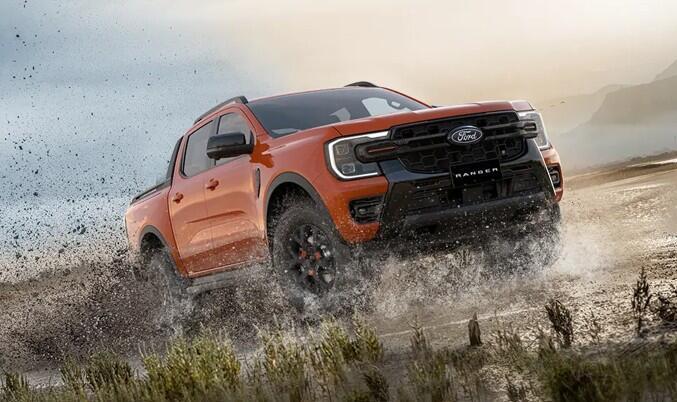
When we talk about Ford Ranger quality in New Zealand, we are not discussing an ordinary vehicle. The Ranger has become part workhorse, part family wagon, and part weekend escape machine. It can tow a boat on Friday, carry tools on Saturday, and roll into the supermarket car park on Sunday without looking out of place.
That flexibility explains much of its popularity, but popularity does not automatically equal quality.
So, how good is the Ford Ranger when we judge its construction, engines, cabin, technology, reliability, safety, servicing costs, and long-term ownership experience in New Zealand?
Overall, the modern Ford Ranger is one of the most complete utes available to Kiwi buyers. It feels solid, drives with surprising polish, offers capable engines, and provides the comfort and technology we once expected only from SUVs. However, it is also a complicated modern vehicle. Electronics, emissions equipment, driver-assistance systems, and sophisticated automatic transmissions introduce potential weak points that buyers should understand.
Let us pull the Ranger apart—figuratively, of course—and find out whether its quality matches its reputation.
- What Does Ford Ranger Quality Mean in New Zealand?
- Ford Ranger Build Quality: First Impressions
- How Good Is the Ranger on New Zealand Roads?
- Ford Ranger Engine Quality
- Transmission Quality and Driving Behaviour
- Ford Ranger Reliability in New Zealand
- Ranger Safety Quality
- Technology and Infotainment Quality
- Off-Road Quality and Strength
- Payload, Accessories and Structural Quality
- Ford Ranger Warranty in New Zealand
- Ford Ranger Quality Compared With Rival Utes
- New Versus Used Ford Ranger Quality
- Which Ranger Offers the Best Quality for Most Buyers?
- How to Preserve Ford Ranger Quality
- Ford Ranger Resale Quality
- Is the Ford Ranger High Quality Overall?
- Final Verdict: Ford Ranger Quality in New Zealand
- Frequently Asked Questions
What Does Ford Ranger Quality Mean in New Zealand?
Vehicle quality is more than whether the doors close with a satisfying thud. We need to examine several areas:
- Build quality and material durability
- Engine and transmission performance
- Long-term mechanical reliability
- Ride comfort and refinement
- Safety technology
- Towing and off-road strength
- Dealer support and warranty coverage
- Resale value
- Suitability for New Zealand conditions
A ute might feel luxurious during a 20-minute test drive yet become frustrating after three years of towing, gravel-road travel, and short urban trips. On the other hand, a basic work model may feel plain but deliver dependable service for years.
That is why Ford Ranger quality should be assessed according to how the vehicle will actually be used.
Ford Ranger Build Quality: First Impressions
The latest-generation Ranger has a broad, planted appearance. Its squared-off front end, substantial doors, wide cabin, and strong body proportions communicate toughness before we even start the engine.
Inside, the general feeling is more sophisticated than in older utility vehicles. Controls are logically positioned, the dashboard feels modern, and major touchpoints appear carefully assembled. We may still find harder plastics in lower sections of the cabin, but that is not necessarily a weakness. In a work-oriented vehicle, durable surfaces can make more sense than delicate soft-touch trim.
Panel fit is generally neat, the doors feel substantial, and the cabin does not immediately give the impression that corners were cut. Nevertheless, individual vehicles can vary, particularly after accessories, canopies, suspension kits, electrical equipment, or commercial hardware have been installed.
Cabin Materials and Everyday Durability
Higher-specification Rangers such as the Wildtrak and Platinum place greater emphasis on comfort, presentation, and technology. Entry and mid-level versions focus more heavily on practicality.
That difference matters. A leather-trimmed interior may look more impressive, but a straightforward cloth cabin can be easier to live with when we regularly carry muddy clothing, pets, children, or work equipment.
Useful signs of interior quality include:
- Firmly mounted switches
- Even dashboard alignment
- Durable seat bolsters
- Secure door trims
- Smooth storage-compartment operation
- Minimal rattling over uneven roads
- Reliable touchscreen and camera operation
A few scratches on hard cabin plastics do not necessarily indicate poor construction. However, repeated rattles, malfunctioning screens, loose trim, or early seat wear deserve attention.
Is the Ranger Interior Suitable for Families?
Yes. Double-cab Rangers can perform remarkably well as family vehicles. The seating position is commanding, rear passengers receive useful space, and the cabin includes many of the conveniences we associate with modern SUVs.
The trade-off is size. A Ranger can feel bulky in narrow streets, older parking buildings, and tight urban spaces. Cameras and parking sensors help, but they do not physically shrink the ute.
How Good Is the Ranger on New Zealand Roads?
New Zealand gives vehicles a demanding mixture of conditions. We have busy urban streets, coarse-chip highways, steep rural routes, gravel roads, wet weather, coastal air, farms, forestry tracks, and long distances between some service locations.
The Ranger generally suits this environment well.
Its body feels composed on open roads, while the raised driving position provides excellent forward visibility. Modern versions feel more settled than traditional utes, particularly when carrying little or no load. They do not completely disguise their commercial-vehicle foundations, but they no longer bounce and shuffle like the basic pickups many of us remember.
Ride Comfort Without a Load
An unloaded ute will rarely ride exactly like a well-tuned passenger SUV. Its rear suspension must be capable of supporting cargo, so some firmness is unavoidable.
Even so, the current Ranger achieves a strong balance. It can absorb large road imperfections confidently while remaining controlled through corners. Small, sharp bumps may still send vibrations through the rear of the cabin, especially on models with large wheels and lower-profile tyres.
For the smoothest everyday experience, we should consider:
- A sensible wheel and tyre combination
- Correct tyre pressures
- Suspension designed for the actual load
- Avoiding unnecessarily heavy-duty aftermarket springs
- Test-driving on coarse and uneven roads
A modified suspension can improve load carrying or off-road ability, but poor component selection can make the vehicle ride like a wheelbarrow rolling down concrete stairs.
Steering and Highway Stability
The Ranger’s steering is one of the reasons it feels more approachable than many traditional work utes. It is generally light enough for town driving yet stable at motorway speeds.
Highway refinement is good by ute standards. Wind and tyre noise remain noticeable, particularly with aggressive off-road tyres, but the cabin usually feels calm enough for long journeys.
This makes the Ranger appealing to owners who travel regularly between cities, rural properties, construction sites, beaches, and holiday destinations.
Ford Ranger Engine Quality
Engine quality depends partly on maintenance and partly on choosing the correct powertrain for the job.
New Zealand Rangers have been offered with several diesel configurations, while newer petrol-electric and performance options have expanded the broader Ranger family. Ford’s current local range includes multiple trims and powertrain combinations, with further updates scheduled as the model line evolves.
The 2.0-Litre Bi-Turbo Diesel
The 2.0-litre bi-turbo diesel has been widely used because it provides useful torque and respectable performance without the weight or price of the V6.
Its strengths include:
- Strong mid-range pulling power
- Reasonable fuel efficiency
- Good towing capability
- Responsive everyday performance
- Broad availability across the range
However, this is not a simple old-school diesel. It relies on turbocharging, electronic management, emissions controls, and a modern automatic transmission. That means maintenance quality matters enormously.
Clean oil of the correct specification, timely filter replacement, suitable driving patterns, and attention to warning lights can make a major difference to longevity.
The 3.0-Litre V6 Turbo-Diesel
The V6 turbo-diesel is often the preferred choice for drivers who tow frequently or simply want more effortless performance.
It delivers its power with less apparent strain, particularly when climbing hills, overtaking, or pulling a heavy trailer. The engine gives the Ranger a relaxed character, almost as though the ute has swapped its work boots for hiking shoes—still tough, but more comfortable covering distance.
Potential disadvantages include:
- Higher purchase price
- Greater fuel consumption
- Increased servicing complexity
- More expensive repairs outside warranty
- Additional weight over the front axle
For frequent heavy towing, the V6 can be worth the premium. For light commuting and occasional recreational use, it may be more engine than we genuinely need.
Does a Bigger Engine Mean Better Quality?
Not automatically.
A larger engine may feel smoother and work less aggressively under load, but quality also depends on servicing, component durability, cooling performance, and how the vehicle is driven.
A carefully maintained four-cylinder Ranger can be a better ownership proposition than a neglected V6 with an incomplete service history.
Ranger Plug-In Hybrid Quality and Practicality
The Ranger plug-in hybrid adds another layer to the quality discussion. It combines petrol and electric power while preserving serious utility. New Zealand reviews have highlighted outputs of 207kW and 697Nm, along with a 3.5-tonne towing rating, demonstrating that electrification has not removed the Ranger’s core working ability.
Its potential strengths include quiet low-speed operation, strong torque, reduced fuel use on suitable trips, and the ability to use electrical power for tools or equipment, depending on specification.
However, buyers should consider:
- Whether they can charge regularly
- How much payload they need
- Long-term battery and hybrid-system support
- The complexity of owning two propulsion systems
- Real fuel economy on long, uncharged trips
A plug-in hybrid makes the most sense when we can use its electric range frequently. Without regular charging, we may simply carry extra weight without receiving the full efficiency benefit.
Transmission Quality and Driving Behaviour
Modern Rangers commonly use a 10-speed automatic transmission. Its wide ratio spread helps the engine remain in an efficient operating range, improves acceleration, and supports towing.
This content may interest you! Is Ford Ranger Expensive to Maintain in New Zealand?
In normal driving, the transmission can feel smooth and intelligent. However, ten ratios create many opportunities for shifting. At times, the gearbox may appear busy as it searches for the most appropriate gear.
A slight change in behaviour does not always indicate failure. Transmission learning, temperature, load, terrain, software calibration, and driving style can all influence shift quality.
Warning signs include:
- Harsh engagement into drive or reverse
- Repeated shuddering
- Delayed acceleration
- Sudden clunks
- Transmission warning messages
- Fluid leakage
- Persistent gear hunting on level roads
Software updates or adaptive-learning resets may resolve some complaints, but mechanical symptoms should never be dismissed without proper diagnosis.
Quality Under Towing Loads
The Ranger’s drivetrain generally feels well suited to towing when the vehicle, trailer, load, towbar, brakes, and weight distribution are correctly configured.
We should remember that a headline towing figure is not the whole story. Payload, gross vehicle mass, gross combined mass, tow-ball download, passenger weight, accessories, and cargo all interact.
Quality ownership means operating within every relevant limit—not merely staying below the maximum trailer rating.
Ford Ranger Reliability in New Zealand
Is the Ford Ranger reliable? The honest answer is that many Rangers provide dependable service, but reliability varies significantly by generation, powertrain, maintenance history, modifications, and usage.
A privately owned Ranger used mainly for commuting may experience a gentle life. A fleet ute towing equipment over gravel roads can accumulate wear far more quickly, even if both vehicles show the same odometer reading.
We should therefore avoid simplistic claims such as “all Rangers are bulletproof” or “all Rangers are problematic.” Neither statement reflects reality.
Common Areas Worth Monitoring
Depending on year and specification, owners and used-vehicle buyers should pay attention to:
- Diesel particulate filter operation
- Exhaust gas recirculation systems
- Turbocharger hoses and plumbing
- Cooling-system condition
- Automatic transmission behaviour
- Battery health
- Sensors and electronic modules
- Infotainment performance
- Camera operation
- Suspension bushes and ball joints
- Differential and transfer-case servicing
- Water entry after deep off-road use
These are inspection points rather than a declaration that every Ranger will fail.
Modern vehicles often communicate small problems before they become major ones. Warning lights, altered shift behaviour, increased fuel use, unusual regeneration frequency, coolant loss, smoke, or strange noises should be investigated early.
Diesel Particulate Filter Considerations
Diesel particulate filters capture soot and periodically burn it off through regeneration. They tend to work best when the vehicle reaches full operating temperature and receives regular sustained driving.
Repeated short journeys can interfere with this process. A Ranger that spends its life travelling a few kilometres through slow traffic may face more emissions-system stress than one covering longer open-road distances.
We should not buy a diesel automatically simply because utes traditionally use diesel. Our driving pattern matters.
The Importance of Service History
A complete service record is one of the strongest indicators of used Ranger quality.
Look for evidence of:
- Services completed at the correct intervals
- Correct oil and fluids
- Transmission maintenance where required
- Cooling-system inspection
- Brake-fluid replacement
- Differential and transfer-case servicing
- Recall completion
- Software updates
- Repairs supported by invoices
A stamped book is useful, but detailed invoices tell a richer story.
Can Low Kilometres Hide Poor Quality?
Yes.
Very low kilometres may appear attractive, but they can conceal frequent short trips, long periods of inactivity, missed time-based services, battery deterioration, moisture accumulation, or incomplete diesel regeneration.
Condition and maintenance matter as much as distance travelled.
Ranger Safety Quality
Safety is one of the modern Ranger’s strongest areas.
The current-generation Ranger introduced from 2022 received a five-star ANCAP safety rating, supported by crash testing and assessments of active safety systems. ANCAP documentation includes side-impact, pole, and autonomous-emergency-braking testing for the model.
Depending on variant, safety technology may include:
- Autonomous emergency braking
- Lane-keeping assistance
- Blind-spot monitoring
- Rear cross-traffic alert
- Adaptive cruise control
- Parking sensors
- Reversing or surround-view cameras
- Trailer-related safety functions
- Multiple airbags
- Electronic stability control
The quality of these systems is not measured only by how many appear on a specification sheet. Calibration matters. A feature that intervenes smoothly builds confidence; one that delivers constant false alerts may encourage drivers to switch it off.
Do Driver-Assistance Systems Replace Attention?
No.
They function as backup layers, not substitutes for concentration, correct following distance, careful towing, or reduced speed in bad weather.
Even the smartest ute cannot see through every blind corner, understand every roadworks layout, or correct every poor decision.
Technology and Infotainment Quality
The Ranger’s large central screen gives the cabin a modern focal point. Navigation, camera views, smartphone connectivity, vehicle settings, and entertainment functions may all run through the display.
This design looks impressive and reduces the number of separate buttons, but it also creates dependence on software.
Ford notes that connected functions rely on telecommunications availability and that some connected navigation services may be time-limited or subscription-based.
Potential annoyances can include:
- Slow system startup
- Temporary screen freezing
- Wireless connection interruptions
- Camera delays
- Software-update issues
- Menus that require too many touches
- Features dependent on mobile coverage
Fortunately, Ford has retained physical controls for several frequently used functions. That is good design in a vehicle likely to be operated on rough roads or while wearing work gloves.
Is More Technology Better?
Only when it works reliably.
A simpler Ranger variant may ultimately suit owners who prioritise durability and ease of use. Higher models provide more comfort and convenience, but they also contain more sensors, powered components, cameras, and electronic features that may eventually require attention.
Off-Road Quality and Strength
The Ranger remains a capable off-road platform. Four-wheel-drive variants may include low range, locking differential functionality, selectable drive modes, hill-descent assistance, and terrain-focused displays, depending on model.
Its strengths include:
- Useful ground clearance
- Strong low-speed torque
- Good wheel articulation for a modern ute
- Broad aftermarket support
- Protective accessories
- Capable traction electronics
Yet off-road quality depends on more than factory equipment.
Tyres often make the greatest practical difference. A Ranger on appropriate all-terrain tyres may feel transformed compared with the same vehicle on road-focused rubber.
Protecting Quality During Off-Road Use
Owners who regularly leave sealed roads should inspect:
- Underbody protection
- Tyre sidewalls
- Differential breathers
- Recovery points
- Suspension components
- Electrical connectors
- Air-filter condition
- Radiators and intercoolers
- Door and tailgate alignment
- Signs of water contamination
Deep-water crossings require particular caution. A vehicle may emerge dramatically from the water for a great photograph while silently introducing contamination into bearings, differentials, connectors, or interior modules.
Payload, Accessories and Structural Quality
The Ranger is designed to carry and tow, but accessories consume payload.
Bull bars, winches, canopies, drawers, auxiliary batteries, roof tents, recovery gear, tow equipment, and passengers can collectively add hundreds of kilograms.
Before modifying a Ranger, calculate the real operating weight. Do not guess.
This content may interest you! Audi A3 or A5 New Zealand: Which Audi Is the Better Buy?
Poorly selected accessories can also affect:
- Front and rear axle loading
- Braking distances
- Suspension geometry
- Headlight aim
- Tyre wear
- Fuel consumption
- Cooling airflow
- Driver-assistance sensors
- Warranty claims
Genuine Ford and Ford-licensed accessories fitted to a new Ranger by an authorised dealer before delivery may receive warranty coverage aligned with the Ranger’s applicable five-year/150,000km warranty, subject to Ford’s conditions.
Ford Ranger Warranty in New Zealand
New Ranger and Transit models in New Zealand are covered by a five-year/150,000km Ford Express New Vehicle Warranty, subject to terms and whichever limit is reached first. This differs from the unlimited-kilometre coverage Ford advertises for many passenger vehicles.
New Ford vehicles also receive three years of roadside assistance from delivery. Completing a standard service at a participating Ford dealer can extend roadside assistance for up to another 12 months from the service date.
Warranty support adds confidence, but owners should read exclusions and preserve service records carefully.
In New Zealand, manufacturer warranties also operate alongside rights under the Consumer Guarantees Act where that legislation applies. Government consumer guidance notes that manufacturers must honour their written warranty obligations and that Consumer Guarantees Act rights may continue beyond the express warranty period.
Dealer Support and Parts Availability
The ownership experience can depend heavily on the local dealer.
A skilled service department that communicates clearly can transform a complicated repair into a manageable inconvenience. Poor diagnosis, delayed parts, or vague communication can make even a minor fault feel catastrophic.
Before buying, it is worth checking:
- Distance to the nearest authorised dealer
- Workshop reputation
- Booking lead times
- Availability of courtesy vehicles
- Experience with modified or fleet Rangers
- Parts availability for the chosen model
- Support in the region where the ute will operate
Ford Ranger Quality Compared With Rival Utes
The Ranger competes against established names such as the Toyota Hilux, Isuzu D-Max, Mitsubishi Triton, Volkswagen Amarok, Nissan Navara, and Mazda BT-50.
Its most obvious strengths are cabin sophistication, driving refinement, engine choice, technology, towing confidence, and broad model variety.
Where the Ranger Often Feels Stronger
Compared with many rivals, the Ranger frequently stands out for:
- SUV-like driving manners
- Strong engine performance
- Advanced cabin technology
- Comfortable long-distance travel
- Wide trim selection
- Towing ability
- Accessory availability
- Modern safety equipment
Where Simpler Rivals May Appeal
Some competing utes may offer:
- Simpler mechanical layouts
- Lower purchase prices
- Fewer electronic systems
- Less intimidating controls
- Lower servicing or repair costs
- A reputation built around conservative engineering
The best ute is not necessarily the one with the longest equipment list. It is the one that matches our workload, budget, road conditions, and tolerance for complexity.
New Versus Used Ford Ranger Quality
A new Ranger offers the latest safety systems, full warranty coverage, known history, and the opportunity to choose an exact specification.
A used Ranger can deliver better value, but only when selected carefully.
Used Ranger Inspection Checklist
Before buying, inspect or arrange an independent assessment covering:
- Complete servicing history
- Outstanding recalls
- Cold-start behaviour
- Engine smoke or unusual noise
- Coolant and oil condition
- Transmission operation
- Four-wheel-drive engagement
- Differential noise
- Chassis damage
- Corrosion or salt exposure
- Uneven tyre wear
- Suspension movement
- Trailer-brake wiring
- Aftermarket electrical work
- Infotainment and camera operation
- Signs of flood or water entry
- Previous commercial use
- Towbar and tray condition
A pre-purchase inspection can feel like an unnecessary expense until it prevents us from buying a ute with hidden drivetrain, chassis, or electrical problems.
Be Careful With Modified Rangers
Modifications are not automatically bad. A carefully equipped touring Ranger may be better prepared than a standard vehicle.
The concern is workmanship.
Poor wiring, incorrect suspension geometry, oversized tyres, aggressive engine tuning, blocked airflow, or excessive weight can undermine factory quality.
Ask who completed the work, why it was done, whether it is certified where necessary, and whether the original components are available.
Which Ranger Offers the Best Quality for Most Buyers?
For many New Zealand buyers, an XLT or Sport can provide the strongest balance. These variants tend to combine useful equipment, comfortable interiors, capable drivetrains, and a less extravagant price than flagship models.
The Wildtrak and Platinum appeal to buyers wanting a more premium cabin and broader feature list. Work-focused XL models can be sensible where durability, affordability, and fleet operation matter more than luxury.
The right choice depends on priorities:
- Work use: XL or practical XLT configuration
- Mixed family and work duties: XLT or Sport
- Touring and frequent towing: V6-equipped Sport or Wildtrak
- Premium everyday driving: Wildtrak or Platinum
- Extreme performance: Ranger Raptor
- Heavy commercial requirements: Consider the Ranger Super Duty as local availability develops
Ford has confirmed that the Ranger Super Duty is coming to New Zealand with a 3.0-litre V6 turbo-diesel, heavy-duty chassis components, a 4,500kg towing claim and an 8,000kg gross combined mass rating, subject to specification and operating requirements.
How to Preserve Ford Ranger Quality
A quality vehicle can become unreliable when neglected. Conversely, disciplined maintenance can keep a hard-working ute operating well for many years.
Follow these habits:
- Service it on time
- Use the specified oil and fluids
- Investigate warning lights promptly
- Allow appropriate driving for diesel regeneration
- Check tyre pressures regularly
- Stay within payload and towing limits
- Inspect the cooling system
- Clean mud from radiators and underbody areas
- Service differentials after severe use
- Test the battery before winter
- Keep software and recalls up to date
- Repair water leaks immediately
- Avoid poor-quality tuning devices
- Record every service and repair
Mechanical sympathy matters. A cold engine does not enjoy immediate full-throttle acceleration, and a heavily worked turbocharged engine benefits from sensible temperature management.
Ford Ranger Resale Quality
The Ranger’s strong visibility in New Zealand supports used-market demand. Buyers understand the name, workshops know the platform, and accessories are widely available.
Resale value will still depend on:
- Model and engine
- Age and kilometres
- Service history
- Accident history
- Cosmetic condition
- Chassis condition
- Modification quality
- Tyres
- Remaining warranty
- Ownership type
A clean, standard or professionally modified Ranger with complete records will usually be easier to sell than a heavily altered example with mysterious wiring and no receipts.
Is the Ford Ranger High Quality Overall?
Yes, with qualifications.
The modern Ford Ranger is a high-quality ute in terms of design, road manners, cabin comfort, safety, powertrain performance, towing ability, and versatility. It feels like a vehicle designed around the way many New Zealanders actually live rather than a commercial truck reluctantly adapted for private use.
Its weakness is the shadow cast by its own sophistication. More technology means more convenience, but also more software, sensors, emissions components, cameras, modules, and electronic systems to maintain.
That does not make the Ranger a poor-quality vehicle. It means buyers must treat it as a modern machine rather than an indestructible agricultural appliance.
Final Verdict: Ford Ranger Quality in New Zealand
The Ford Ranger earns its place among New Zealand’s leading utes because it does many jobs exceptionally well. It can be comfortable without feeling fragile, powerful without becoming difficult to drive, and practical without looking purely commercial.
For work, towing, touring, family use, and recreational travel, it presents one of the strongest all-round packages in the market.
We would describe Ranger quality as very good rather than flawless. Build quality is generally convincing, safety is strong, engines provide impressive capability, and the driving experience is among the most polished in the segment. Warranty and roadside support also provide useful protection for new buyers.
However, maintenance cannot be treated casually. Buyers should select the right engine, understand diesel usage requirements, avoid overloading, inspect modified vehicles carefully, and respond quickly to electronic or mechanical warnings.
Choose the right Ranger, maintain it correctly, and use it within its limits, and it can feel like a Swiss Army knife on wheels—ready for the building site, the boat ramp, the school run, and the next gravel road disappearing over the horizon.
Frequently Asked Questions
1. Is the Ford Ranger a reliable ute in New Zealand?
The Ford Ranger can be reliable when serviced correctly and used appropriately. Reliability varies by model year, engine, workload, modifications, and previous maintenance. A complete service history is especially important when buying used.
2. Is the 2.0-litre or 3.0-litre Ranger better?
The 2.0-litre diesel suits buyers seeking capable performance and potentially lower running costs. The 3.0-litre V6 is better suited to frequent towing, steep terrain, or drivers who want more effortless power. Neither is automatically better for every owner.
3. How long is the Ford Ranger warranty in New Zealand?
New Ford Ranger models receive a five-year/150,000km new-vehicle warranty, subject to Ford’s terms and whichever limit comes first.
4. Is a Ford Ranger suitable as a family vehicle?
Yes. A double-cab Ranger offers useful passenger space, modern safety technology, good visibility, and SUV-like comfort. Its large dimensions and firm unloaded ride are the main compromises for urban family use.
This content may interest you!Audi A3 vs Mercedes A-Class New Zealand: Which Premium Compact Is Better?5. What should we check before buying a used Ranger?
Check the servicing record, transmission behaviour, cooling system, diesel emissions equipment, four-wheel-drive operation, chassis condition, tyres, suspension, electronics, recalls, previous towing use, and aftermarket modifications. An independent inspection is strongly recommended.
Leave a Reply