
Ford Ranger Oil Change Interval Explained
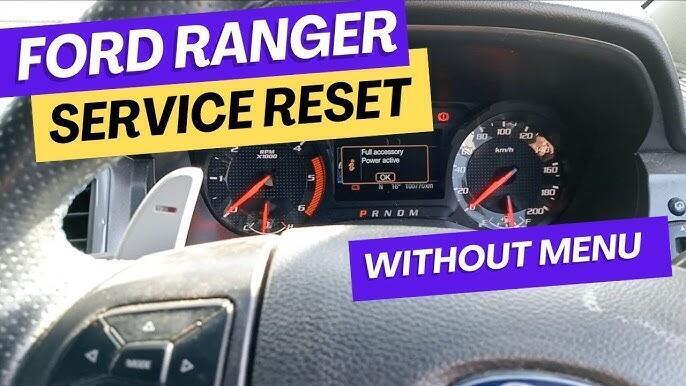
For Ford Ranger owners, understanding the optimal oil change interval is crucial for engine longevity and performance. While conventional wisdom once dictated a rigid 3,000-mile schedule, modern engineering and synthetic oils have rewritten the rules. This guide cuts through the confusion, offering definitive insights based on model year, driving conditions, and oil type.
Whether you navigate city traffic or tackle rugged terrain, knowing the precise timing prevents costly wear and maintains warranty compliance. From turbocharged EcoBoost engines to the venerable Duratorq diesel, we break down manufacturer recommendations versus real-world demands. Discover how to balance cost, convenience, and mechanical health for your Ranger.
Ford Ranger Oil Change Interval Explained
The oil change interval for your Ford Ranger depends heavily on the engine type, model year, and driving conditions. Generally, Ford recommends changing the oil every 7,500 to 10,000 miles for normal driving conditions when using full-synthetic oil, but this can extend only if your vehicle's oil life monitor indicates it is necessary.
However, severe driving conditions such as frequent towing, off-road use, extreme temperatures, or stop-and-go traffic can reduce this interval to approximately 3,000 to 5,000 miles to ensure optimal engine protection. Always consult your owner's manual or the Intelligent Oil-Life Monitor in your dashboard, which adjusts based on real-time engine data.
Using the correct viscosity grade, such as SAE 5W-30 for most 2.3L and 2.7L engines, is crucial for maintaining performance and longevity.
What Determines the Recommended Oil Change Interval for Ford Ranger?
Multiple factors influence the precise oil change interval for your Ford Ranger, starting with the vehicle's onboard Oil Life Monitoring System, which tracks engine revolutions, temperature, and driving habits to calculate remaining oil life.
The driving environment plays a critical role; if you frequently operate in dusty areas, tow heavy loads, or engage in short trips where the engine doesn't reach full operating temperature, the system will prompt more frequent changes.
The type of oil used is equally important full synthetic oil provides superior thermal stability and resists breakdown, allowing intervals up to 10,000 miles under normal conditions, whereas conventional or blend oils may require changes as early as 5,000 miles.
Additionally, engine technology, such as the turbocharged 2.3L EcoBoost in newer models, demands more frequent attention due to higher heat and stress.
How to Check and Reset the Oil Life Monitor on Your Ford Ranger
Checking the oil life of your Ford Ranger is straightforward: use the steering wheel controls to navigate to the 'Information' menu on the center display, then scroll to 'Oil Life' to see the remaining percentage. When a change is due, you'll see a 'Change Oil Soon' or 'Oil Change Required' message on the instrument cluster.
After completing the oil replacement, you must reset the monitor by turning the ignition to the 'On' position (without starting the engine), pressing the gas and brake pedals simultaneously for about 10 seconds, then waiting for the 'Oil Life Reset' confirmation.
Note that ignoring an overdue oil change can lead to sludge buildup, reduced fuel economy, and potential engine damage, so reset only after using the correct oil and filter.
Signs Your Ford Ranger Needs an Immediate Oil Change
Beyond the vehicle's digital monitor, mechanical signs can alert you that the oil change interval has been exceeded or that there is a problem. A loud knocking or ticking noise from the engine, especially when accelerating, often indicates that the oil has lost its viscosity and is no longer lubricating properly.
You may also notice dark, gritty oil on the dipstick or a burning smell from the engine bay, both symptoms of oil degradation. Another red flag is the oil pressure warning light illuminating on the dashboard, which suggests dangerously low oil pressure that can cause catastrophic engine failure.
If you experience any of these symptoms, stop the vehicle, check the oil level and condition immediately, and schedule a change to prevent costly repairs.
| Engine Type | Normal Driving Interval (Miles) | Severe Driving Interval (Miles) | Recommended Oil Type |
|---|---|---|---|
| 2.3L EcoBoost (2019+) | 7,500 - 10,000 | 3,000 - 5,000 | Full Synthetic SAE 5W-30 |
| 2.7L EcoBoost (2019+) | 7,500 - 10,000 | 3,000 - 5,000 | Full Synthetic SAE 5W-30 |
| 3.2L Duratorq (2015-2018) | 6,000 - 7,500 | 3,000 - 5,000 | Full Synthetic SAE 10W-30 |
| 2.5L Duratec (2013-2014) | 5,000 - 7,500 | 3,000 - 5,000 | Conventional or Blend 5W-20 |
Understanding the Ford Ranger Oil Change Interval: Key Factors and Best Practices
The oil change interval for a Ford Ranger depends on several critical factors, including the engine type, driving conditions, and oil quality. Modern Ford Rangers often recommend intervals between 5,000 to 7,500 miles for conventional oil, while synthetic oil can extend this to 10,000 miles under normal driving conditions.
However, severe driving conditions such as frequent towing, off-road use, extreme temperatures, or stop-and-go traffic necessitate more frequent changes, typically every 3,000 to 5,000 miles.
Always consult your owner’s manual for the specific model year, as newer Rangers with turbocharged engines may have different requirements. Regular oil changes ensure engine longevity, prevent sludge buildup, and maintain fuel efficiency.
Impact of Engine Type on Oil Change Frequency
The Ford Ranger offers different engine options, such as the 2.3L EcoBoost and the 3.0L Power Stroke diesel, each with unique oil needs. The EcoBoost engine, being turbocharged, often requires full synthetic oil to handle higher heat and pressure, with intervals around 7,500 to 10,000 miles.
Diesel engines, however, demand heavy-duty oil and may need changes every 5,000 to 7,500 miles due to soot accumulation. Ignoring these differences can lead to premature wear or turbocharger failure.
Role of Driving Conditions in Oil Degradation
Driving conditions are a primary determinant of oil life in the Ford Ranger. Severe conditions like towing heavy loads, driving on dusty roads, or frequent short trips accelerate oil breakdown and contamination. For example, towing max capacity stresses the engine, requiring oil changes at 3,000 to 5,000 miles.
Conversely, highway driving with minimal load can safely follow the recommended interval. Oil life monitoring systems in newer models help track these factors, but manual checks remain vital.
Synthetic vs. Conventional Oil: Choosing the Best for Your Ranger
The choice between synthetic and conventional oil directly affects the Ford Ranger’s oil change interval. Synthetic oil offers superior thermal stability and resists oxidation, allowing intervals up to 10,000 miles, while conventional oil typically requires changes every 5,000 miles.
Synthetic blends provide a middle ground, lasting around 7,500 miles. For turbocharged Rangers, synthetic is strongly advised to ensure lubrication under high RPMs and prevent sludge.
Signs Your Ford Ranger Needs an Oil Change Sooner
Watch for warning signs that indicate an early oil change is necessary, even if the interval hasn’t been reached. These include dark or gritty oil on the dipstick, unusual engine noises like knocking, a persistent check oil light, or reduced fuel economy.
If you notice a burning smell or see smoke from the exhaust, check for oil leaks or overfilling. Addressing these signs promptly avoids costly repairs, such as engine seizure or bearing damage.
The Importance of Using the Correct Oil Viscosity and Specifications
Ford specifies exact oil viscosity and standards, such as SAE 5W-30 or 5W-20, and certifications like API SP or ILSAC GF-6. Using incorrect oil can reduce efficiency, increase wear, and void warranties. For example, diesel Rangers require low-ash oil to protect emissions systems like the DPF.
Always verify the recommended oil grade in your owner’s manual and avoid mixing oils of different types for optimal engine protection and longevity.
Frequently Asked Questions
What is the recommended oil change interval for a Ford Ranger?
Ford recommends changing the oil in your Ranger every 7,500 miles or 12 months, whichever comes first, under normal driving conditions. This interval applies to most recent model years using full-synthetic 5W-30 motor oil. Always check your owner’s manual for specific guidance, as severe driving conditions like towing or extreme temperatures may require more frequent changes, typically every 5,000 miles or 6 months.
Does the Ford Ranger oil change interval vary by engine type?
Yes, the oil change interval can vary slightly depending on the engine. For the 2.3L EcoBoost four-cylinder, the standard interval is 7,500 miles with full synthetic oil. The 2.0L diesel variant also follows a similar schedule but may require specific oil specifications. Always verify with your owner’s manual or Ford dealer, as engine type, model year, and oil type influence the precise recommendation to maintain warranty coverage.
How does severe driving affect the Ford Ranger oil change interval?
Severe driving conditions, such as frequent towing, off-roading, short trips, or extreme temperatures, can reduce the oil change interval for your Ford Ranger to 5,000 miles or every 6 months. The Engine Oil Life Monitor system in newer models automatically adjusts based on driving patterns, alerting you when service is needed. Following this guidance helps protect engine components from increased wear and contamination.
What type of oil is best for a Ford Ranger oil change?
Ford recommends using full-synthetic 5W-30 motor oil meeting the Ford WSS-M2C946-B1 specification for most Ranger models. This oil provides optimal protection across temperature ranges and improves fuel economy. Avoid conventional or non-specified oils, as they may not meet performance standards. For diesel engines, use the specified low-ash synthetic oil to ensure compatibility with emission systems. Always check your owner’s manual for the exact viscosity and certification requirements.
This content may interest you! Essential Maintenance for High-Mileage Ford Rangers
Leave a Reply