
Best Wiper Blades for New Zealand Weather
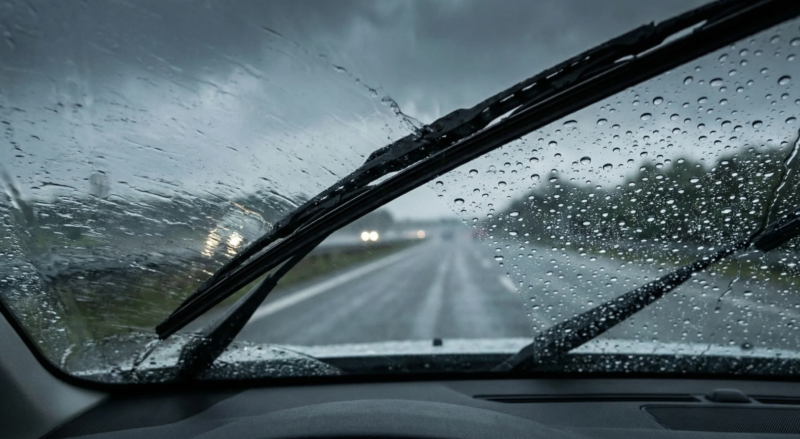
Navigating New Zealand’s diverse climate demands wiper blades that can handle everything from torrential downpours in the west to abrasive salty sea air along the coast. The country’s weather presents unique challenges: sudden hailstorms, volcanic ash, and intense UV rays can degrade standard rubber quickly.
Choosing the right blades isn’t just about visibility it’s about safety on winding, often unsealed roads. This guide reviews top-performing options specifically engineered for Kiwi conditions, focusing on durability in extreme temperatures, resistance to ozone cracking, and chatter-free operation during heavy rain. Discover which blades offer the best value and performance for your vehicle.
- Best Wiper Blades for New Zealand Weather
- Why Wiper Blade Rubber Composition Matters in New Zealand's Climate
- Frequently Asked Questions
- What type of wiper blades work best for New Zealand's rainy and windy weather conditions?
- Are silicone wiper blades better than rubber ones for New Zealand's UV exposure?
- Which wiper blade length and fitment options suit common New Zealand car models?
- How often should I replace wiper blades in New Zealand's climate for optimum performance?
Best Wiper Blades for New Zealand Weather
New Zealand's weather is notoriously unpredictable, ranging from intense summer sun that can damage rubber to torrential downpours, hail, and even light snow in winter. The best wiper blades for this environment must be durable against UV radiation, flexible enough to handle heavy rain without streaking, and resistant to temperature fluctuations.
Silicone and hybrid blades often outperform standard rubber ones for their longevity and consistent contact with the windshield.
Why Material Matters in NZ's Sun and Rain
The harsh New Zealand sun rapidly degrades natural rubber wiper blades, causing them to harden, crack, and lose effectiveness. For superior performance, look for blades made from silicone or a durable synthetic rubber compound. Silicone blades are naturally UV-resistant and can last up to two or three times longer than standard rubber.
Additionally, they often leave a water-repellent coating on the glass, improving visibility during frequent rain showers.
Best Blade Types for Heavy Downpours and Highway Driving
For the heavy, wind-driven rain common in regions like the West Coast and during winter storms, the blade's structure is critical. Beam or flat wiper blades are generally the best choice. Unlike traditional frames with multiple pressure points, beam blades have a built-in metal spring that provides uniform pressure along the entire windshield curve.
This prevents lift-off at high speeds on the motorway and eliminates streaking caused by worn-out frame joints.
Handling Frost, Hail, and Seasonal Changes
Wiper blades in parts of the South Island and central North Island also need to cope with sub-zero temperatures and ice. A rubber compound that stays pliable in the cold is essential to prevent chattering or snapping. Winter-specific or all-weather blades often include a rubber boot or covering that prevents ice and snow from building up inside the mechanism.
For hail, a flexible blade is less likely to tear, but ensuring easy replacement is key for New Zealand conditions where a single hailstorm can damage blades.
| Blade Type | Best For | Key Advantage in NZ Weather |
|---|---|---|
| Silicone Beam Blade | Intense sun and UV exposure | Longest lifespan; leaves water-repellant film |
| Hybrid Blade | Highway driving and mixed weather | Combines frame strength with beam flexibility |
| Winter Beam Blade | Freezing temperatures and frost | Soft compound resists cracking; rubber boot prevents ice buildup |
Why Wiper Blade Rubber Composition Matters in New Zealand's Climate
New Zealand's diverse weather conditions, ranging from intense UV radiation in summer to heavy rain and hail in winter, demand wiper blades that can withstand extreme temperature fluctuations without degrading.
The rubber material is critical natural rubber often cracks under UV exposure, while synthetic blends like those with graphite coating or silicon additives offer superior resistance to ozone and salt spray from coastal areas.
A premium beam-style blade with a teflon-infused edge reduces friction and streaking, ensuring consistent performance during sudden downpours typical of New Zealand's microclimates.
This content may interest you! How New Zealand's Climate Affects Your Vehicle
Beam Blades vs. Bracket Blades for High-Wind Conditions
Beam blades feature a single-piece flexible spine that molds to the windshield curvature, making them ideal for high winds in regions like Wellington.
Their aerodynamic design prevents lift-off at speeds above 100 km/h, whereas bracket blades with multiple pressure points may chatter or skip during gusty storms. For South Island drives, where crosswinds are common, a heavy-duty beam with a rubber spoiler maintains contact even during sudden squalls.
UV-Resistant Coatings for Prolonged Summer Performance
New Zealand's high UV index (often exceeding 10 in summer) accelerates rubber degradation. Wiper blades with carbon-filled rubber or Teflon outer layers block ultraviolet rays, extending lifespan by up to 40%.
Look for blades labeled UV-stable or OEM replacements from brands like Bosch or Michelin, which incorporate ethylenepropylene diene monomer (EPDM) rubber—a material highly resistant to photo-oxidation.
Winter-Specific Treks: Freeze-Resistant Edges and Ice Shedding
In alpine areas like Queenstown or Mount Cook, freezing temperatures cause standard blades to stiffen and adhere to glass. Winter-rated blades feature flexible synthetic rubber with silicone additives that remain pliable at -20°C, while heater strips integrated into some hybrid designs prevent ice buildup.
A rubber edge with micro-grooves channels slush and freezing rain away, reducing streaks when temperatures fluctuate near zero.
Squeegee-Like Technology for Torrential Rain in the Coromandel
The Coromandel Peninsula receives over 2,000mm of rain annually, requiring blades that excel at sheeting water rather than smearing. Squeegee-edge blades have a dual-layer rubber that wipes with a water-repellent action, mimicking the effect of Rain-X treatments.
A flex tensioner in the frame distributes even pressure across curved windshields, crucial for SUV and van drivers navigating coastal highways during cyclonic rain.
Salt-Air Corrosion Resistance for Coastal Driving
Proximity to the sea introduces salt spray that corrodes metal frames within months. Chrome-plated steel or stainless steel brackets resist rust, while all-rubber end caps on beam blades prevent salt ingress into the joints. For Bay of Islands residents, polyurethane-coated blades with marine-grade stainless steel springs offer 3x longer life in saline environments, reducing the need for frequent replacements.
Frequently Asked Questions
What type of wiper blades work best for New Zealand's rainy and windy weather conditions?
For New Zealand's variable weather with frequent rain and strong winds, beam-style wiper blades are the top choice. Their frameless design hugs the windshield curvature more effectively under high wind speeds, ensuring consistent contact. They resist ice buildup in colder southern regions and perform well in heavy downpours common in the North Island. Look for blades with a genuine rubber compound or graphite coating to maintain flexibility and silent operation across the temperature swings typical of New Zealand's maritime climate.
Are silicone wiper blades better than rubber ones for New Zealand's UV exposure?
Yes, silicone wiper blades are generally superior for New Zealand's high UV levels, especially in the North Island. Silicone resists sun damage and ozone cracking far longer than natural rubber, often lasting two to three times longer in harsh sunlight. They also leave a water-repellent film on the windshield, improving visibility during the heavy rain common in areas like Auckland. For best results, choose reputable brands rated for high UV environments to ensure your blades survive the intense Kiwi summer sun without hardening or streaking.
Which wiper blade length and fitment options suit common New Zealand car models?
Most New Zealand cars—like the Toyota Corolla, Holden Commodore, Ford Ranger, and Mazda CX-5—use 24-inch driver and 20-inch passenger blades, but always check your vehicle's manual or use online fitment guides specific to NZ models. European cars such as BMW or Audi may require multi-fit adapters or specific hook types. Avoid universal blades with adapters that don't fit securely, as strong westerly winds in coastal areas can cause them to detach. Measure your existing blades to ensure proper coverage across the full windshield sweep.
How often should I replace wiper blades in New Zealand's climate for optimum performance?
Replace wiper blades every six months in New Zealand, ideally before the rainy season begins in June and again in December. The combination of high UV exposure in summer and heavy winter rainfall accelerates rubber degradation. If you drive frequently in alpine areas with frost or near coastal regions with salt spray, consider replacing every four months. Signs of wear include streaking, chattering, or skipping, which compromise visibility during sudden downpours. Proactive replacement prevents windshield scratches and ensures safe driving during unpredictable Kiwi weather events.
This content may interest you! Top Safety Features Every New Zealand Driver Should Look For
Leave a Reply