
How to Drive Safely on New Zealand Gravel Roads
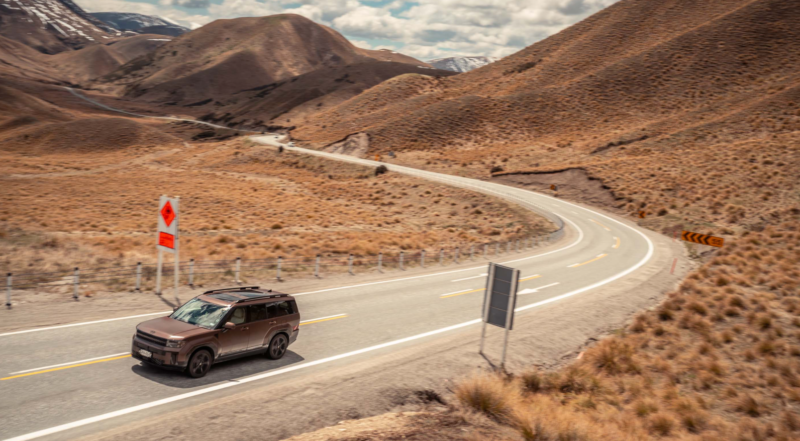
New Zealand’s gravel roads offer stunning scenery but demand a different approach to driving. Loose surfaces, unexpected corners, and changing conditions require heightened awareness and specific techniques to ensure safety. Unlike sealed roads, gravel reduces traction, increasing stopping distances and the risk of skids.
Proper speed management is crucial excessive pace can lead to loss of control, especially on blind bends or steep gradients. Understanding how to navigate corrugations, avoid overcorrecting slides, and maintain appropriate tire pressure can make the difference between a smooth journey and a dangerous incident.
This guide provides practical strategies for mastering these unique roads, from braking methods to defensive positioning, helping you enjoy the adventure while prioritizing safety.
Essential Techniques for Safe Driving on New Zealand Gravel Roads
Driving on New Zealand's gravel roads, often found in remote and scenic areas, requires a significant adjustment from sealed road driving. The loose surface drastically reduces tire traction, increasing stopping distances and the risk of skidding, particularly on corners or when braking suddenly.
To navigate these roads safely, you must reduce your speed, often to between 40 and 60 km/h on tighter sections, and maintain a smooth, gradual approach to steering, accelerating, and braking. Sharp or sudden inputs can easily break the tires' grip, causing a slide. It is also crucial to be aware of the two-second rule for following distance, but on gravel, you should extend this to a four to six-second gap to allow for dust clouds and flying stones.
Finally, always keep a careful watch for loose gravel in the center of the road, which can be deeper and more treacherous, and be prepared for oncoming vehicles to drift slightly on their side of the road.
Adjusting Your Speed and Following Distance
The most critical adjustment for gravel road driving is reducing your speed, as posted speed limits of 100 km/h are rarely safe on a loose surface. A safe speed on gravel allows you to maintain full control of the vehicle, meaning you can stop safely on your own side of the road within the distance you can see to be clear.
You should drive at a pace where the car feels stable and responsive, typically between 40 and 70 km/h depending on the road's condition. Doubling your usual dry-road following distance is non-negotiable.
Gravel also creates significant dust, so if you are following behind another vehicle, increase the gap further to maintain visibility and protect your windshield from flying stones. When meeting an oncoming vehicle, slow down even more and move slightly to the left, as they will likely be kicking up a cloud of dust and stones.
Mastering Cornering and Braking Techniques
Cornering on gravel demands a completely different approach than on sealed roads. You should brake firmly and smoothly well before entering the turn to establish a safe entry speed, then ease off the brakes and steer gently through the apex.
Avoid braking hard while turning, as this can cause the front wheels to lock up and a loss of steering control, or the rear wheels to slide. If your vehicle does begin to skid, do not slam on the brakes; instead, gently ease off the accelerator and steer in the direction you want the front of the car to go.
For rear-wheel skids (oversteer), steer into the skid. For front-wheel skids (understeer), straighten the wheel briefly to regain traction before turning again. Use engine braking by selecting a lower gear before descending a hill to maintain a steady speed without relying heavily on the brakes.
Managing Tire Pressure and Vehicle Load
Many experienced gravel drivers recommend reducing tire pressure slightly when leaving the sealed road. Dropping the pressure by 10-15% (e.g., from 35 psi to 30 psi) increases the tire's contact patch with the gravel, improving traction and providing a more comfortable and stable ride over the loose stones. It also helps prevent the sharp edges of the gravel from puncturing the tire.
Ensure you have a reliable pump to reinflate the tires when you return to sealed roads.
Additionally, if you are carrying a heavy load, properly distribute the weight to maintain balanced handling. Avoid overloading the roof racks, as a high center of gravity makes the vehicle more prone to rolling on uneven or cambered gravel roads. Secure all items inside and out to prevent shifting weight that could destabilize the car.
| Hazard | Risk | Corrective Action |
|---|---|---|
| Loose Gravel | Reduced traction, longer stopping, potential skid | Reduce speed; avoid sudden braking or sharp turns |
| Dust Clouds | Reduced visibility; risk of collision with oncoming traffic | Slow down; increase following distance; use headlights |
| Flying Stones | Cracked windshields or body damage | Drive slower; increase distance from car ahead |
| Road Corrugations | Loss of steering control; uncomfortable ride | Slow down to 30-40 km/h; avoid sudden steering inputs |
| Wet Gravel | Extremely slippery surface; hydroplaning possible | Reduce speed by 50%; avoid all sudden movements |
Mastering the Art of Defensive Driving on Loose Surfaces
Defensive driving on New Zealand's gravel roads demands a heightened awareness of limited traction and unpredictable road conditions. Unlike sealed tarmac, gravel reduces tire grip significantly, requiring you to anticipate skids and adjust your speed well before corners.
This content may interest you! Best Driving Techniques for Wet New Zealand Roads
Always scan far ahead for oncoming vehicles' dust clouds, which can obscure vision, and leave generous following distance to account for loose stones that can flick up and damage your windshield or paintwork.
Your braking technique should be smooth and progressive slamming the brakes can cause a loss of control, so rely on engine braking by shifting to a lower gear before descents. Remember, over-correction on gravel is dangerous: if you feel the rear end sliding, steer gently into the skid without panic.
Choosing the Correct Vehicle and Tires
The foundation of safe gravel driving starts with a vehicle that has sufficient ground clearance and all-wheel drive (AWD) or four-wheel drive (4WD) for better traction on loose surfaces. Your tires must be in good condition with adequate tread depth—ideally all-terrain tires designed to grip gravel.
Under-inflated tires (by about 2-3 PSI) can improve contact patch and stability, but avoid going too low to prevent rim damage. Check your spare tire before any gravel journey, as punctures from sharp rocks are common.
Adjusting Your Speed and Following Distance
Speed is the single most critical factor on New Zealand gravel roads. Reduce your speed by at least 20-30% compared to sealed roads, especially when approaching blind corners, crests, or narrow one-lane bridges.
Your following distance should be quadruple the usual at least 4 seconds behind the vehicle ahead to allow for the longer stopping distance on gravel. Faster speeds can cause corrugation that shakes your steering and reduces control, so maintain a steady, moderate pace.
Mastering Cornering and Braking Techniques
When approaching a turn, brake before you start steering never brake mid-corner. Turn the wheel smoothly and gradually to avoid understeer or oversteer. If your vehicle starts to understeer (front wheels sliding wide), ease off the accelerator slightly and look where you want to go.
For oversteer (rear end sliding), steer gently into the slide without overcorrecting. Use engine braking by downshifting to lower gears on descents to minimize brake usage and prevent brake fade.
Dust clouds from oncoming vehicles can reduce visibility to zero if a dust plume approaches, slow down to a crawl, roll up windows, and turn on headlights to be seen.
At dawn and dusk, watch for animals like sheep, cattle, and especially possums that may freeze in your headlights. Rain transforms gravel into slippery mud reduce speed by half and avoid sudden steering inputs. During high winds, be aware of reduced traction on exposed ridges.
What to Do in an Emergency or Skid
If you begin to skid, stay calm and avoid slamming the brakes. Remove your foot from the accelerator, look in the direction you want the car to go, and gently steer into the skid (e.g., if the rear slides right, steer right). Never brake hard—instead, pump the brakes lightly if necessary.
If you suspect a tire puncture, do not brake suddenly; slowly reduce speed and steer to a wide, safe area off the road. Always carry a first aid kit, water, and a basic tool kit for emergencies.
Frequently Asked Questions
What is the recommended speed for driving on New Zealand gravel roads?
The recommended speed is typically between 40-60 km/h (25-37 mph) on loose gravel roads, as higher speeds increase stopping distance and risk of skidding. Drive slower on corners, downhill sections, or when visibility is low. Always adjust to road conditions, as speeds over 70 km/h can cause loss of control. A safe rule is to drive at the speed where you can stop within the visible road ahead.
How should I handle loose gravel when turning or braking?
Brake gently and smoothly before entering a turn, as sudden braking on gravel can cause the wheels to lock and slide. Avoid sharp steering inputs—instead, make gradual, smooth turns to maintain traction. If you need to brake on gravel, use gentle pressure and avoid locking the brakes. For manual vehicles, downshift before turns to use engine braking. Always anticipate corners well in advance.
Why is tyre pressure important on gravel roads, and what pressure should I use?
Lowering tyre pressure by 4-6 psi below road pressure increases the tyre’s contact patch, improving grip and stability on loose gravel. However, do not go below the manufacturer’s minimum. Correct pressure reduces the risk of punctures from sharp stones and provides better steering response. Check pressure when tyres are cold, and reinflate to highway pressure after leaving gravel roads to avoid overheating.
How do I safely pass other vehicles on narrow gravel roads?
Reduce speed when approaching oncoming vehicles to avoid stones being thrown up and to improve control. On narrow roads, move slightly left but avoid dropping wheels off the edge. Use turnouts or wider sections to let faster vehicles pass. Do not overtake on blind corners or hills. Use your horn gently on concealed corners to alert others. If a vehicle behind you is faster, indicate left and pull over safely.
This content may interest you! Essential Spare Parts Every New Zealand Driver Should Keep
Leave a Reply