
Ford Ranger Towing Tips for New Zealand Drivers
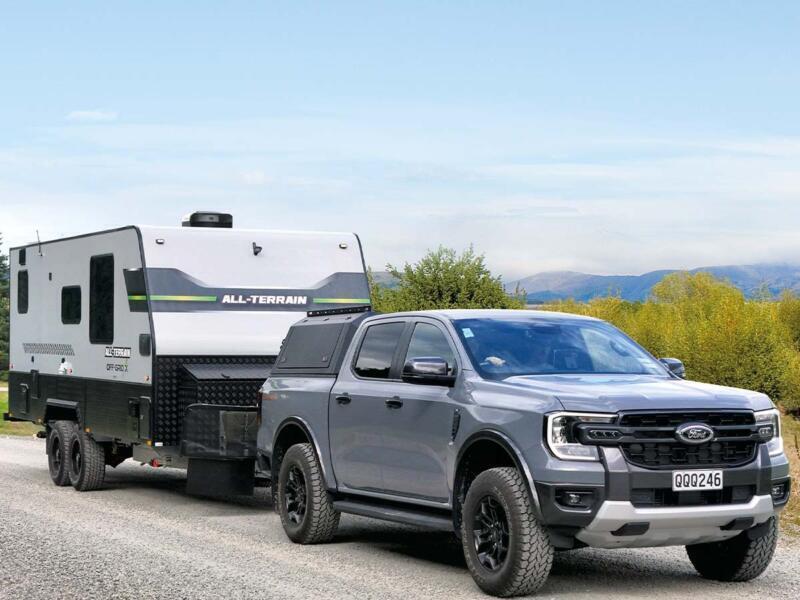
Towing with a Ford Ranger in New Zealand demands a unique understanding of our diverse terrain from steep South Island passes to winding North Island coastal roads. Whether hauling a boat to the Coromandel or a caravan to Fiordland, mastering load distribution, brake controllers, and speed management is crucial.
The Ranger’s turbo-diesel torque handles impressive weights, but local conditions like sudden weather shifts, narrow bridges, and gravel driveways require extra caution.
This guide covers essential tips for Kiwi drivers: adjusting tyre pressures, checking tow ratings, and using trailer sway control. Proper preparation ensures safer journeys, protects your vehicle, and keeps everyone on the road confident.
- Essential Ford Ranger Towing Tips for New Drivers in New Zealand
- Understanding Weight Distribution for Safe Ford Ranger Towing in New Zealand
- Frequently Asked Questions
- What is the maximum towing capacity of a Ford Ranger in New Zealand?
- Do I need a special licence to tow a trailer or caravan with a Ford Ranger in NZ?
- What towing tips are essential for safely towing with a Ford Ranger on New Zealand roads?
- What towing accessories are recommended for a Ford Ranger in New Zealand?
Essential Ford Ranger Towing Tips for New Drivers in New Zealand
Towing with a Ford Ranger in New Zealand requires a solid understanding of local conditions, regulations, and vehicle dynamics. From navigating the steep Mackenzie Country passes to managing narrow coastal roads, proper preparation is key.
Always check your Ranger’s Gross Combined Mass (GCM) rating and ensure your trailer’s weight doesn’t exceed the braked towing capacity of 3,500 kg for most models.
Adjust your tyre pressures to the recommended towing levels, typically higher in the rear, and use the Tow/Haul mode to optimise gear selection and engine braking. Remember, New Zealand law requires a specific towing speed of 90 km/h on open roads, and always use extended side mirrors for better visibility.
Mastering Hill Descents with Your Ford Ranger
When descending New Zealand’s steep gradients, such as the Hastings-Angora Road, use low-range four-wheel drive and select a low gear to avoid brake fade. The Ranger’s Hill Descent Control is invaluable in loose gravel, but manual gear selection gives you finer control on sealed surfaces.
Always anticipate corners early and apply gentle, steady braking rather than sudden stops, as the trailer’s weight pushes the towing vehicle.
Loading Your Trailer for Safe Towing in Kiwi Conditions
Distribute weight evenly to maintain stability, placing about 60% of the load forward of the trailer’s axle. Secure all items with rated tie-downs and ensure the towball weight typically 10% of trailer mass is within the Ranger’s limit (around 350 kg for 3,500 kg). Overloading the rear can cause trailer sway, particularly on windy roads like State Highway 6.
This content may interest you! Why the Ford Ranger Is New Zealand's Favourite Ute
Towing Safety Checks Before Every Trip in New Zealand
Before hitting the road, inspect your coupling and safety chains for damage, verify all lights and indicators work, and confirm the brake controller is calibrated.
Check the Ranger’s engine oil and transmission fluid levels, as towing increases stress. On the move, test your emergency stopping distance in a safe area and adjust your following distance to at least two seconds longer than normal.
| Checklist Item | Frequency | Key Detail |
|---|---|---|
| Coupling and safety chains | Before each trip | Cross chains under the hitch for backup |
| Trailer lights | Before each trip | Test brake and turn signals |
| Tyre pressure | Before towing | Increase rear tyres to 40 PSI |
| Brake controller | Monthly | Set gain for smooth braking |
Understanding Weight Distribution for Safe Ford Ranger Towing in New Zealand
Proper weight distribution is critical for maintaining vehicle stability and brake control when towing with a Ford Ranger in New Zealand’s challenging terrain. Uneven loads can cause trailer sway or reduce rear wheel traction, especially on winding roads or steep grades.
To ensure safety, keep the tongue weight between 10-15% of the total trailer weight, and use a weight distribution hitch for heavy loads. Regularly check that the payload capacity of your Ranger is not exceeded, which is listed in the owner’s manual, and adjust the load to keep the vehicle level when hitched.
Check Your Ford Ranger’s Towing Capacity Ratings
Before hitching any trailer, verify your specific Ford Ranger model’s maximum braked towing capacity, which typically ranges from 3,500 kg for diesel variants in New Zealand.
This figure includes the trailer weight, cargo, and any additional accessories. Overloading can overstress the transmission, brakes, and suspension, leading to potential mechanical failure. Always consult the VIN plate and owner’s manual, and factor in the Gross Combined Mass (GCM) to stay within safe limits for your driving route.
Select the Right Towing Mirrors for New Zealand Roads
Adequate rear visibility is mandatory under New Zealand law when towing, and standard mirrors often fail to provide a clear view past a wide trailer. Invest in extendable towing mirrors or clip-on mirror extensions to eliminate blind spots and see at least 200 meters behind.
Adjust them before every trip to account for the trailer’s width, and ensure they are vibration-free for accurate lane changes, especially on highways or in heavy traffic.
Master Braking Techniques on New Zealand Hills
New Zealand’s steep hills and winding passes require anticipatory braking to avoid overheating your Ford Ranger’s brakes. Use engine braking by selecting a lower gear to reduce speed on downhill sections, rather than riding the brakes continuously.
This content may interest you! Safe Overtaking Tips on New Zealand Highways
For heavy loads, consider a trailer brake controller either proportional or time-delayed to activate the trailer’s brakes in sync with your vehicle. Leave a larger following distance than normal, and brake smoothly to prevent jackknifing.
Monitor Tire Pressure and Condition for Stability
Proper tire pressure is essential for maximum grip and load-bearing capacity when towing with a Ford Ranger. Inflate the rear tires to the recommended pressure for towing (often higher than normal), and check the trailer tires for wear and proper PSI before each trip.
Low pressure can cause heat buildup and blowouts, while over-inflation reduces contact patch on New Zealand’s sometimes rough seal roads. Also, inspect spare tires and ensure all lug nuts are torqued correctly.
Plan Routes and Avoid Overloading the Payload
Choose towing-friendly routes that avoid narrow bridges, low overhangs, or steep unsealed roads common in rural New Zealand. Distribute cargo evenly inside the Ranger’s tray or cab, keeping heavy items low and centered to prevent weight shift during turns.
Never exceed the front axle rating or rear axle rating, as this compromises steering response and load stability. Use a load-distributing hitch if you frequently tow near the maximum Gross Vehicle Mass (GVM).
Frequently Asked Questions
What is the maximum towing capacity of a Ford Ranger in New Zealand?
The maximum towing capacity for a Ford Ranger in New Zealand varies by model year and configuration. Most current models can tow up to 3500 kg braked, but you must check your specific vehicle's compliance plate and owner's manual. Factors like drivetrain, cab style, and engine type can affect this limit. Always verify your Ranger's exact rating to ensure safe towing within legal requirements on NZ roads.
Do I need a special licence to tow a trailer or caravan with a Ford Ranger in NZ?
In New Zealand, towing with a Ford Ranger generally requires a standard Class 1 licence for trailers under 3500 kg gross combined weight. For heavier combinations exceeding 3500 kg, you need a Class 2 licence. However, consider obtaining a full trailer endorsement (F endorsement) for additional training and legality when towing large loads. Check NZ Transport Agency guidelines for your specific setup.
What towing tips are essential for safely towing with a Ford Ranger on New Zealand roads?
Key tips include distributing weight evenly in the trailer, keeping the load within 10% tongue weight of the trailer's total weight. Use the Ranger's tow/haul mode to manage gear shifts on hills, and maintain a 4-second following distance. Check tyre pressures, including the trailer's, before each trip. On NZ's winding roads, reduce speed and allow extra braking distance, especially on descents.
What towing accessories are recommended for a Ford Ranger in New Zealand?
Essential accessories include a weight distribution hitch for heavy trailers to level the vehicle, and a brake controller for trailers over 2000 kg. Install reliable towing mirrors for visibility, and consider a trailer sway control system. Use a breakaway kit and safety chains compliant with NZ standards. For off-road towing, add recovery points and a higher-capacity rear suspension. Always use genuine Ford wiring harnesses.
This content may interest you! Best Vehicles for Rural New Zealand Living
Leave a Reply