
Toyota RAV4 Brake Problems Explained
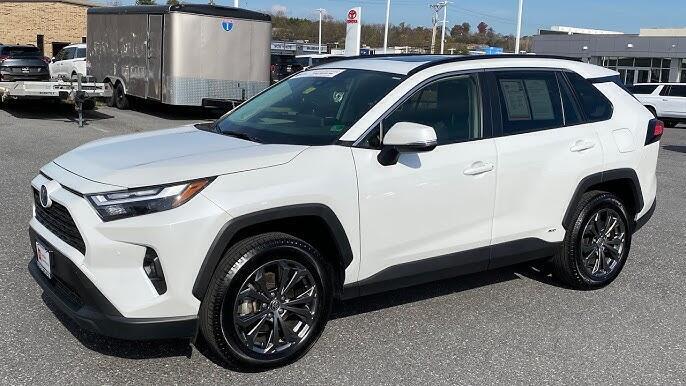
The Toyota RAV4, a perennial favorite in the compact SUV segment, is celebrated for its reliability and practicality. However, like any mass-produced vehicle, it has its share of reported issues, with brake problems being a notable concern for many owners.
From unsettling squeaks and grinding noises to a spongy pedal feel and premature rotor wear, these malfunctions can compromise both safety and driving comfort. While some complaints stem from normal wear and tear, others point to potential design or component flaws affecting various model years.
Understanding these common braking issues, their root causes, and the troubleshooting steps available is essential for every RAV4 owner aiming to maintain their vehicle’s stopping power.
Toyota RAV4 Brake Problems Explained: Common Issues and Solutions
The Toyota RAV4 has been a popular compact SUV for decades, but owners have reported various brake-related problems across multiple model years. These issues range from premature wear and noise to more serious concerns like brake failure or malfunctioning systems.
Understanding the causes, symptoms, and solutions is crucial for maintaining safety. Below, we break down the most common brake problems, their root causes, and actionable steps to address them.
Premature Brake Pad and Rotor Wear
Premature brake pad and rotor wear is one of the most frequently reported issues, particularly in 2019-2022 RAV4 models. Owners often experience visible grooving on rotors and brake pads wearing out within 20,000 to 30,000 miles, far sooner than the expected 50,000-mile lifespan.
This is commonly caused by low-quality OEM brake materials or caliper piston sticking, which drags the pad against the rotor. Driving habits like frequent city braking or carrying heavy loads can accelerate wear. Solutions include upgrading to ceramic brake pads or high-carbon rotors, and having the calipers inspected for corrosion or seizing.
Brake Pad Noise, Squeaking, or Grinding
Many RAV4 owners report persistent squeaking or grinding sounds when braking, even after replacing pads or rotors. This is often linked to lack of lubrication on brake hardware, such as clips or shims, or glazed brake pads from excessive heat. In 2020-2023 models, deformed backing plates or dust and debris buildup between the pad and rotor are also common culprits.
To fix this, mechanics recommend cleaning and relubricating caliper slide pins, using anti-squeal compound on pad backing, and resurfacing or replacing rotors if warped. For persistent cases, upgrading to premium slotted rotors can help dissipate heat and reduce noise.
Brake Fluid Leaks and Spongy Brake Pedal
A spongy or soft brake pedal can indicate a brake fluid leak or air in the brake lines, a problem noted in some 2016-2018 RAV4 models. Leaks often occur at caliper seals or rusted brake lines near the rear wheels, while air ingress can result from improper bleeding after pad changes.
Symptoms include increased pedal travel and reduced stopping power especially under hard braking. Immediate steps are to check brake fluid level at the master cylinder, inspect for wet spots around wheel cylinders or lines, and bleed the brake system if air is present.
If leaks are found, replace the damaged lines or caliper seals and refill with DOT 3 or DOT 4 fluid as recommended.
| Common Problem | Affected Model Years | Primary Cause | Recommended Fix |
|---|---|---|---|
| Premature brake pad/rotor wear | 2019-2022 | Low-quality OEM materials or stuck caliper piston | Upgrade to ceramic pads and high-carbon rotors; inspect calipers |
| Brake noise (squeaking/grinding) | 2020-2023 | Glazed pads, debris, or lubricated hardware | Clean and relubricate slide pins; use anti-squeal compound |
| Spongy pedal or fluid leaks | 2016-2018 | Rusted lines or air in system after servicing | Bleed system; check and replace damaged lines or seals |
| Vibration or pulsing when braking | 2013-2015 | Warped rotors from heat stress | Resurface or replace rotors; verify wheel torque specs |
Common Causes of Toyota RAV4 Brake Problems
Brake issues in the Toyota RAV4 often stem from worn brake pads, contaminated brake fluid, or faulty brake calipers. The most frequent symptom is a squealing or grinding noise when braking, typically indicating metal-on-metal contact due to pad wear.
Additionally, a soft or spongy brake pedal suggests air or moisture in the hydraulic system, while pulling to one side during braking may point to a stuck caliper or uneven pad wear. Brake fluid leaks can also occur near the master cylinder or wheel cylinders, reducing braking efficiency.
Regular inspection and timely replacement of components are crucial to maintaining safety, as neglected problems can lead to brake failure or increased stopping distances.
Worn Brake Pads and Rotors
Worn brake pads are the most common issue in Toyota RAV4 models, often caused by normal driving wear or aggressive braking. When pads thin out, they expose a metal wear indicator that creates a high-pitched squeal. Over time, worn pads can damage the rotors by creating grooves or warping them, leading to vibration in the steering wheel or pedal pulsation.
Replacing pads and resurfacing or replacing rotors is essential to restore braking performance and prevent costly repairs.
Brake Fluid Contamination and Leaks
Brake fluid absorbs moisture over time, reducing its boiling point and causing spongy brakes or brake fade. Contaminated fluid can also corrode internal components like the master cylinder or ABS unit. Leaks often occur at wheel cylinders, calipers, or brake lines, resulting in a low brake fluid level and increased pedal travel.
Regular fluid flushes every 2 years or 30,000 miles help prevent these issues, while leaks demand immediate repair to avoid a complete loss of braking.
Faulty Brake Calipers
A sticking or seized brake caliper is a known problem in some RAV4 models, particularly in older or high-mileage vehicles. This can cause uneven brake pad wear, pulling to one side, or excessive heat that warps rotors. A frozen caliper piston may remain engaged, creating constant drag and reduced fuel economy.
Symptoms include burning smells or grinding noises from one wheel. Repair involves replacing or rebuilding the caliper, along with flushing the brake fluid.
ABS System Malfunctions
The Toyota RAV4’s Anti-lock Braking System can experience sensor or module failures, often indicated by an ABS warning light on the dashboard. Faulty wheel speed sensors may send incorrect data, causing ABS activation at low speeds or preventing it from engaging during hard stops.
Corroded sensor rings or electrical issues in the ABS control module can lead to loss of stability control or reduced braking performance in slippery conditions. Diagnostic scanning and component replacement are typically required.
Parking Brake Problems
Parking brake issues in the RAV4 often involve a sticking cable or worn brake shoes (on rear drum-in-hat systems). Over time, cables can corrode or rust, preventing full engagement or release.
This may result in a dragging brake, causing excessive wear on rear pads or overheating. A loose parking brake lever or failure to hold on steep inclines often indicates cable adjustment or shoe replacement is needed. Regular lubrication and periodic adjustment help maintain functionality.
Frequently Asked Questions
What are the most common brake problems in a Toyota RAV4?
The most frequent brake issues in a Toyota RAV4 include premature brake pad wear, which often occurs due to aggressive driving or low-quality pads. Many owners report warped brake rotors causing vibration during braking, especially in older models. Sticking brake calipers are also common, leading to uneven pad wear and reduced braking efficiency. Additionally, some models experience premature wear of brake pads and rotors due to excessive heat buildup, requiring more frequent replacement than expected.
Why does my Toyota RAV4 make a grinding noise when braking?
A grinding noise when braking typically indicates that the brake pads have worn down completely, exposing the metal backing plate. This metal-on-metal contact damages the rotors and can lead to costly repairs. In some RAV4 models, this is common if pads are not replaced on schedule or if low-quality components are used. Prompt inspection is essential to avoid further damage. Regular maintenance can prevent this issue, as worn pads should be replaced before reaching this point.
How can I tell if my Toyota RAV4 has warped brake rotors?
Symptoms of warped brake rotors include a pulsating or vibrating sensation in the brake pedal when applied, especially during high-speed braking. You may also feel steering wheel wobble or hear a rhythmic noise. This occurs due to uneven thickness or warpage from heat stress. For the RAV4, heavy use or poor-quality rotors accelerate this. A professional can measure rotor runout to confirm. Replacement or resurfacing is recommended to restore smooth braking.
What causes brake pedal feel soft or spongy in a Toyota RAV4?
A soft or spongy brake pedal often results from air in the brake lines, caused by a leak or improper bleeding during maintenance. In the RAV4, this can also stem from worn master cylinder seals or low brake fluid levels due to a leak from calipers or lines. Moisture in the fluid reduces effectiveness. Immediate inspection is crucial for safety. Bleeding the brakes or replacing components like the master cylinder typically resolves the issue.
This content may interest you! Common Toyota RAV4 Suspension Issues
Leave a Reply