
Mitsubishi Triton Reliability New Zealand: Is It a Dependable Ute?
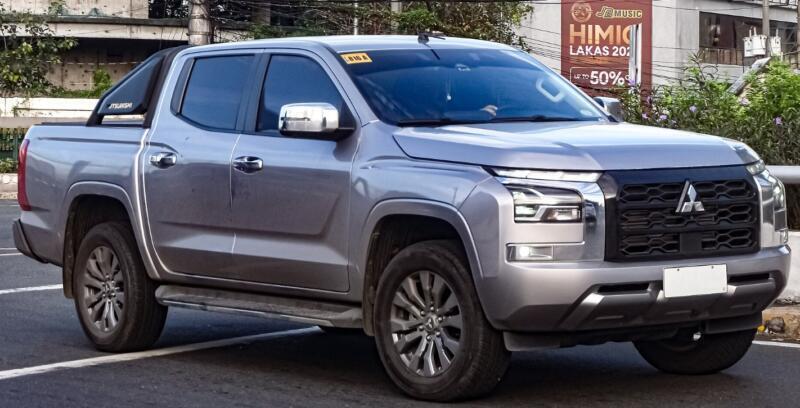
When we discuss Mitsubishi Triton reliability in New Zealand, we are not simply asking whether the engine starts every morning. Kiwi owners expect a ute to tow trailers, cross muddy paddocks, survive corrugated forestry roads, handle salty coastal air, and still behave politely during the weekday commute.
That is a demanding job description.
The Mitsubishi Triton has long occupied an interesting place in New Zealand’s ute market. It is often more affordable than headline-grabbing rivals such as the Ford Ranger and Toyota Hilux, yet it offers serious four-wheel-drive ability, useful towing performance, a proven diesel background, and generous equipment.
But is the Triton genuinely reliable, or is its attractive price hiding expensive trouble?
Overall, the Mitsubishi Triton has a solid reputation as a dependable ute when it is serviced correctly and used within its limits. Older examples can develop diesel, cooling, suspension, transmission, and emissions-related problems, but catastrophic failures are not inevitable. Maintenance history matters far more than the badge on the grille.
The latest generation appears promising, although it is still too new for anyone to make a definitive claim about its reliability over 200,000 kilometres. Early New Zealand reviews have generally praised its powertrain, practicality, off-road competence, construction quality, and value, while sometimes criticising intrusive electronic driver aids.
Let us take a practical look at what Kiwi buyers need to know.
- How Reliable Is the Mitsubishi Triton in New Zealand?
- Why the Triton Suits New Zealand Conditions
- Mitsubishi Triton Engine Reliability
- Diesel Particulate Filter Reliability
- EGR and Intake Carbon Build-Up
- Triton Transmission Reliability
- Cooling-System Durability
- Suspension, Steering, and Chassis Reliability
- Four-Wheel-Drive System Reliability
- Electrical and Technology Reliability
- Battery Health Matters More Than We Think
- Mitsubishi Triton Rust and Corrosion
- Reliability of Older Triton Generations
- How Long Can a Mitsubishi Triton Last?
- Mitsubishi Triton Warranty in New Zealand
- Are Parts and Repairs Expensive in New Zealand?
- How the Triton Compares With Rival Utes
- Used Mitsubishi Triton Reliability Checklist
- Warning Signs We Should Never Ignore
- How to Improve Triton Reliability
- Is the Mitsubishi Triton a Good Used Buy in New Zealand?
- Who Should Buy a Mitsubishi Triton?
- Final Verdict: Mitsubishi Triton Reliability in New Zealand
- Frequently Asked Questions
How Reliable Is the Mitsubishi Triton in New Zealand?
The Triton is generally considered a reliable working ute rather than an indestructible one.
That distinction matters.
A well-maintained Triton can deliver many years of dependable service, but neglected examples can become costly surprisingly quickly. Modern diesel engines are more complicated than the basic workhorses many of us remember. Turbochargers, diesel particulate filters, exhaust gas recirculation systems, injectors, sensors, intercoolers, and electronic control modules all add performance and efficiency, but they also introduce possible failure points.
The Triton’s strongest reliability characteristics include:
- A long-established diesel-ute platform
- A generally durable ladder-frame chassis
- Capable four-wheel-drive hardware
- Strong availability of parts and servicing in New Zealand
- Competitive warranty support on qualifying new vehicles
- Engines capable of high mileage when maintained properly
- Relatively straightforward six-speed transmissions compared with some more complex rival systems
No vehicle is flawless, however. A Triton used for short urban journeys may face different issues from one regularly driven on the open road. Likewise, a farm ute carrying tools every day experiences a completely different life from a family double cab used for school runs and summer holidays.
Reliability is therefore not one fixed number. It is the result of design, servicing, driving conditions, modifications, load, climate, and previous ownership.
Why the Triton Suits New Zealand Conditions
New Zealand can be surprisingly hard on vehicles.
Our roads shift from smooth motorways to narrow rural lanes, steep hills, loose gravel, potholes, wet grass, river crossings, and corrugated tracks. Add strong ultraviolet exposure, sea air, winter frost, mud, and frequent towing, and even a robust ute can age quickly.
The Triton’s basic architecture suits these conditions well. Its ladder-frame construction is designed for carrying and towing, while four-wheel-drive variants offer the traction needed for farms, boat ramps, ski-field approaches, and remote campsites.
Many higher-specification models use Mitsubishi’s Super Select four-wheel-drive system. One of its advantages is the ability, in suitable versions, to use four-wheel drive on sealed surfaces rather than reserving it only for loose terrain. That can provide extra confidence in heavy rain or changing road conditions.
In other words, the Triton is not merely dressed like an outdoor vehicle. It has genuine mechanical ability beneath the styling.
Mitsubishi Triton Engine Reliability
The 2.4-Litre Turbo-Diesel Engine
The 2.4-litre turbo-diesel used in many previous-generation Tritons is generally capable of high mileage. It provides useful torque without relying on an unusually large engine, and plenty of examples have covered substantial distances.
However, longevity depends heavily on correct oil, timely servicing, clean intake components, and sensible operating temperatures.
Potential problems can include:
- Carbon accumulation in the intake and EGR system
- Diesel particulate filter complications
- Turbocharger wear or boost leaks
- Cracked or leaking intercooler components
- Injector deterioration
- Cooling-system neglect
- Oil contamination or incorrect oil use
- Sensor failures that trigger warning lights or reduced-power modes
These issues should not automatically make us avoid the Triton. Similar complications can affect almost any modern diesel ute. What matters is recognising the warning signs before a minor fault becomes a large repair bill.
The New Bi-Turbo Diesel
The latest Triton sold in New Zealand introduced a newer 2.4-litre bi-turbo diesel configuration paired with a six-speed automatic in much of the range. New Zealand road tests have praised its low-speed torque, smooth delivery, relaxed performance, and useful open-road efficiency.
From a driving perspective, that is encouraging.
From a long-term reliability perspective, we need to remain sensible. A relatively new engine cannot yet possess the same decade-long ownership record as an older unit. The bi-turbo arrangement also introduces additional plumbing and components compared with a simple single-turbo setup.
That does not mean it will be unreliable. It simply means buyers should separate early quality impressions from proven long-term durability.
Is a Bi-Turbo Engine Automatically Less Reliable?
Not necessarily.
Two turbochargers may sound twice as troublesome, but reliability depends on design, cooling, lubrication, software calibration, manufacturing quality, and maintenance. A carefully engineered bi-turbo system can last a long time.
This content may interest you! Mitsubishi Triton Best Years New Zealand: Complete Used-Buyer Guide
The biggest threats are usually poor oil maintenance, excessive heat, contaminated intake air, aggressive tuning, and repeatedly shutting down the engine immediately after severe towing or sustained high-load use.
Diesel Particulate Filter Reliability
The diesel particulate filter, commonly called the DPF, traps soot from the exhaust. It periodically burns that material away during regeneration.
A DPF-equipped Triton generally prefers regular journeys where the engine reaches full operating temperature. Repeated five-minute trips can interrupt regeneration and allow soot to accumulate.
Possible signs of a DPF-related issue include:
- A DPF warning light
- Increased fuel consumption
- A high or unstable idle
- Cooling fans operating after driving
- Reduced engine performance
- Frequent regeneration cycles
- A strong hot smell from beneath the vehicle
- Engine oil level apparently rising
A warning light should never be ignored for weeks. A partially blocked filter may be recoverable through a correct regeneration procedure, but a severely restricted filter can require professional cleaning or replacement.
Who Is Most Likely to Experience DPF Trouble?
Drivers who use their Triton almost entirely for short urban journeys face the greatest risk. A diesel ute can look ideal for lifestyle purposes, but the engine still needs the right operating pattern.
For an owner who drives only a few kilometres through Auckland, Wellington, or Christchurch traffic each day, a large modern diesel may not be the perfect mechanical match.
A Triton that frequently travels on the motorway or open road has a better opportunity to complete normal regeneration cycles.
EGR and Intake Carbon Build-Up
The exhaust gas recirculation system redirects a controlled amount of exhaust gas into the intake to reduce certain emissions.
Unfortunately, exhaust soot can combine with oil vapour and create sticky deposits. Over time, the intake pathway may resemble an artery collecting plaque.
Symptoms may include hesitation, poor throttle response, increased smoke, lower fuel economy, rough running, or a check-engine light.
There is no universal kilometre figure at which this happens. Driving pattern, oil condition, engine load, and maintenance all influence the rate of build-up.
Regular servicing and prompt diagnosis are far cheaper than allowing a restricted intake to strain the engine and turbo system.
Triton Transmission Reliability
Six-Speed Automatic Transmission
The Triton’s six-speed automatic is generally regarded as a competent and relatively conventional transmission. It may not feel as quick or sophisticated as newer eight-speed or ten-speed units, but simplicity can be valuable in a working ute.
A healthy transmission should shift smoothly without harsh banging, long delays, slipping, or repeated hunting between gears.
Problems are more likely when:
- Transmission fluid has never been changed
- The vehicle has towed heavily for years
- Oversized tyres have altered the effective gearing
- Engine tuning has increased torque
- Cooling has been inadequate
- The vehicle has regularly exceeded its limits
Some owners hear that transmission fluid is “lifetime” fluid and interpret that as “never needs attention.” In reality, a ute used for towing, carrying, off-roading, or dusty work may benefit from more conservative maintenance.
Always follow the applicable service information for the exact model and consult a qualified technician when the vehicle works under severe conditions.
Manual Gearbox and Clutch
Manual Tritons can be dependable, but clutch condition depends enormously on the driver and workload.
A ute that has repeatedly reversed a heavy boat up a steep driveway may have far more clutch wear than its odometer suggests.
Warning signs include:
- A high clutch engagement point
- Slipping under acceleration
- Shudder when moving away
- Difficulty selecting gears
- Gearbox noise
- A heavy or inconsistent pedal
A worn clutch is not always evidence of a defective ute. It may simply reveal a hard previous life.
Cooling-System Durability
Heat is the quiet enemy of diesel engines.
A Triton that has overheated deserves careful inspection, even when it appears to run normally afterward. Excessive temperature can damage the cylinder head, head gasket, turbocharger, hoses, seals, and other components.
Before buying a used example, inspect:
- Coolant colour and level
- Radiator condition
- Expansion tank
- Hose deterioration
- Water-pump leaks
- Evidence of dried coolant
- Fan operation
- Temperature stability during a road test
- Signs of pressure or bubbling in the cooling system
Mud can also block the radiator and intercooler externally. Off-road owners should clean these components carefully rather than assuming rain will do the job.
Suspension, Steering, and Chassis Reliability
The Triton chassis is built for utility, but suspension components are still consumable items.
Bushes, ball joints, wheel bearings, shock absorbers, and steering components can wear faster when a ute operates on corrugated roads or carries a constant load.
This content may interest you!Mitsubishi Triton Models New Zealand: Complete Range GuideListen for knocking sounds over bumps and inspect the tyres for uneven wear. A ute that pulls to one side may need only a wheel alignment, but it could also have worn suspension parts or previous accident damage.
The Importance of Rear Suspension Condition
A sagging rear end can reveal tired springs, overloaded use, or a heavy accessory setup.
Canopies, drawers, tow bars, long-range tanks, tools, recovery gear, and rooftop equipment add weight before passengers or cargo climb aboard. The ute may look rugged, but payload is not unlimited.
A permanently overloaded Triton can experience accelerated wear in:
- Rear springs
- Shock absorbers
- Wheel bearings
- Brakes
- Tyres
- Chassis mounting points
- Transmission components
Does a Suspension Lift Improve Reliability?
Not automatically.
A high-quality suspension upgrade matched to the vehicle’s actual load can improve control. A cheap lift kit installed only for appearance may create poor alignment, harsh ride quality, driveline angles, and premature component wear.
Modification quality is just as important as the modification itself.
Four-Wheel-Drive System Reliability
Mitsubishi’s four-wheel-drive systems are one of the Triton’s major strengths. They can be robust and highly capable, provided owners use and service them correctly.
A four-wheel-drive system that is never engaged can develop sticking actuators or unnoticed faults. Conversely, incorrect use of locked four-wheel drive on high-grip surfaces can strain the driveline.
During a pre-purchase inspection, test every available mode in an appropriate environment. Confirm that indicators behave normally and that the system engages without grinding, severe clunking, or persistent warning lights.
Also inspect transfer-case and differential oils. Water crossings can contaminate lubricants, especially when breathers or seals are compromised.
Electrical and Technology Reliability
Modern Tritons contain far more electronics than earlier work utes.
Depending on the model, equipment may include adaptive cruise control, blind-spot monitoring, parking sensors, cameras, lane systems, autonomous emergency braking, driver monitoring, infotainment, keyless entry, and multiple control modules.
Most owners may never experience a serious electrical issue, but minor frustrations can include:
- Sensor warnings
- Camera faults
- Weak batteries causing unusual messages
- Infotainment glitches
- Key-fob detection problems
- Parking sensors reacting to dirt or accessories
- Driver-assistance alerts that feel overly sensitive
Some reviews of the new Triton have specifically criticised the intrusive nature of certain warning and monitoring systems rather than identifying a fundamental mechanical fault.
A modern ute can sometimes feel like a co-worker who comments on every small movement. Annoying? Possibly. Evidence of poor mechanical reliability? Not necessarily.
Battery Health Matters More Than We Think
A weakening battery may still start the engine while causing low-voltage errors in sensitive electronics.
Before chasing several unrelated warning messages, technicians often need to check:
- Battery state of charge
- Battery condition
- Alternator output
- Earth connections
- Terminal corrosion
Diesel engines require strong cranking performance, particularly on cold mornings. A quality replacement battery with the correct specification is worth the investment.
Mitsubishi Triton Rust and Corrosion
Rust condition varies significantly between vehicles.
New Zealand’s coastal environment can be harsh, especially when a ute launches boats, drives on beaches, or lives near salt spray. Mud also traps moisture against chassis surfaces.
Inspect:
- Chassis rails
- Crossmembers
- Suspension mounting points
- Tow-bar attachments
- Underbody protection
- Tray mounts
- Door seams
- Wheel arches
- Areas beneath plastic trim
- Electrical connectors underneath the vehicle
Surface corrosion may be manageable. Deep scaling, cracks, perforation, or corrosion around structural mounting points deserves professional assessment.
A shiny body tells us very little about the condition underneath.
Reliability of Older Triton Generations
2005–2015 Triton
Older Tritons can represent affordable buying, but condition now matters more than reputation. These vehicles may have experienced years of towing, commercial use, deferred maintenance, or off-road punishment.
Trade Me’s New Zealand used-car review describes this generation as offering strong load and towing ability, while also noting that engine power delivery and reliability may not appeal to every buyer.
At this age, check carefully for:
- Cooling-system history
- Injector condition
- Excessive smoke
- Timing-belt replacement where applicable
- Clutch wear
- Differential noise
- Rust
- Accident repairs
- Four-wheel-drive operation
- Suspension wear
- Evidence of overheating
A cheap purchase can become expensive when several age-related repairs arrive together.
This content may interest you!Is Mitsubishi Triton a Good Car in New Zealand? Complete Buyer’s Guide2015–2023 Triton
This generation is widely available and often represents the sweet spot for New Zealand used buyers. It combines modern safety and comfort with a proven ownership history.
Nevertheless, buyers should investigate DPF behaviour, EGR contamination, turbo and intercooler condition, service history, transmission operation, and previous towing use.
A complete service record is more valuable than freshly polished paint.
2024-Onward Triton
The latest generation is a major redesign with a new chassis, updated engine, revised interior, more technology, and stronger refinement.
Initial reviews are broadly favourable. Testers have praised its comfortable cabin, smooth torque delivery, off-road ability, functionality, and value compared with some competitors.
However, we should resist declaring it bulletproof. Long-term reliability is measured over years, not during a launch event or a week-long road test.
How Long Can a Mitsubishi Triton Last?
A properly maintained Triton can potentially exceed 250,000 kilometres, and some will travel much farther.
Mileage alone is not the best measure of condition.
A 180,000-kilometre ute that has travelled long open-road distances and received meticulous maintenance may be healthier than an 80,000-kilometre vehicle that has endured cold starts, short trips, heavy towing, and irregular servicing.
Long life requires:
- Correct oil and filters
- Timely fluid changes
- Cooling-system maintenance
- Sensible warm-up and shutdown habits
- DPF-compatible driving
- Prompt attention to warning lights
- Load and towing discipline
- Quality parts
- Regular underbody inspections
- Accurate service records
Reliability is rarely magical. It is usually built one service at a time.
Mitsubishi Triton Warranty in New Zealand
Warranty coverage can provide valuable peace of mind, but owners must read the current terms carefully.
Mitsubishi Motors New Zealand advertises Diamond Advantage warranty coverage for eligible vehicles. Its current published information describes a five-year or 130,000-kilometre new-vehicle warranty under specified conditions, while the detailed terms explain eligibility, transferability, evaluations, exclusions, and servicing requirements.
Coverage can vary depending on:
- Purchase date
- Vehicle type
- First or subsequent ownership
- Commercial use
- Service history
- Eligibility for extended coverage
- Whether required dealer evaluations were completed
- Specific exclusions and time limits
Never assume that an advertised maximum automatically applies to every second-hand Triton. Ask the seller or Mitsubishi dealer to verify the coverage attached to the individual vehicle.
Are Parts and Repairs Expensive in New Zealand?
Routine servicing is generally manageable for a mainstream ute, and Triton parts are reasonably accessible through Mitsubishi dealers, independent workshops, and aftermarket suppliers.
Costs can rise for:
- DPF replacement
- Turbocharger repairs
- Diesel injectors
- Automatic transmission work
- Advanced safety sensors
- Genuine camera or radar components
- Major engine repairs
The Triton’s purchase price may undercut some rivals, but that does not make it a cheap vehicle to neglect. A modern diesel ute remains a complex and expensive machine.
Setting aside money for maintenance is far smarter than buying at the absolute limit of our budget.
How the Triton Compares With Rival Utes
Triton vs Toyota Hilux Reliability
The Hilux carries a legendary reliability reputation and usually enjoys strong resale values. However, its popularity can make used examples expensive, and a Toyota badge cannot erase poor maintenance or hard use.
A well-cared-for Triton may be a better purchase than a neglected Hilux costing thousands more.
Triton vs Ford Ranger Reliability
The Ranger often delivers greater refinement, stronger performance, and broader model choice. It may also use more complicated engines and transmissions in certain versions.
The Triton’s relatively conventional drivetrain can appeal to buyers who value simplicity, although exact reliability depends on model year and maintenance.
Triton vs Isuzu D-Max Reliability
The D-Max is widely respected for diesel durability. It can feel more agricultural in some generations, while the Triton may offer a more attractive balance of price, equipment, and on-road comfort.
Again, condition wins. We should buy the best individual vehicle rather than the strongest internet legend.
Used Mitsubishi Triton Reliability Checklist
Before buying, inspect or verify the following:
- Full service records
- Correct engine oil specification
- Cold-start behaviour
- Exhaust smoke
- DPF warning history
- Coolant condition
- Signs of overheating
- Oil leaks
- Turbo and intercooler hoses
- Automatic transmission shifts
- Manual clutch operation
- Four-wheel-drive engagement
- Differential and transfer-case noise
- Suspension knocks
- Uneven tyre wear
- Chassis rust
- Beach-driving evidence
- Tow-bar wear
- Electrical warning lights
- Safety-camera operation
- Recall completion
- Registration and vehicle history
- Independent pre-purchase inspection
New Zealand’s official vehicle-recall database explains that manufacturers may recall vehicles for defects affecting safety or performance. Buyers should check the exact vehicle rather than relying on a general model reputation.
Warning Signs We Should Never Ignore
Walk away or obtain specialist advice when a Triton shows:
This content may interest you! Ford Ranger Issues: Common Problems, Warning Signs, and Practical Solutions
- Persistent blue or white exhaust smoke
- Coolant loss without explanation
- Overheating history
- Severe transmission slipping
- Multiple dashboard warnings
- Heavy crankcase pressure
- Major structural rust
- Poorly executed engine tuning
- Uncertified suspension modifications
- Missing service history
- Seller resistance to an inspection
- Freshly cleared fault codes
- Four-wheel-drive faults
- Oil mixed with coolant
- Unusual knocking from the engine
One warning sign may have a simple explanation. Several together often tell a story the advertisement does not.
How to Improve Triton Reliability
Service It According to Its Real Use
A vehicle that tows, idles for long periods, drives in dust, or operates off-road may need more attention than a lightly used road vehicle.
The minimum schedule should not always be treated as the ideal schedule.
Use the Correct Fluids
Modern diesel engines can be sensitive to oil specification. The wrong lubricant may affect turbo protection, emissions hardware, and engine wear.
Cheap oil is not a bargain when it shortens the life of a turbocharger or DPF.
Allow Proper Open-Road Driving
Regular longer journeys help the engine reach temperature and support DPF regeneration.
Keep the Cooling System Clean
Inspect the radiator and intercooler after mud, grass seeds, or off-road use. External blockage can reduce airflow even when coolant levels appear normal.
Avoid Extreme Tuning
A modest, professionally developed tune may appear harmless, but additional torque increases stress on the engine, turbochargers, clutch, transmission, driveshafts, and cooling system.
More power always sends the bill somewhere.
Respect Towing and Payload Limits
Towing capacity is not the only number that matters. Payload, tow-ball download, axle ratings, gross combination mass, tyre capacity, and accessory weight all interact.
A ute can remain below its advertised trailer limit while still exceeding another rating.
Is the Mitsubishi Triton a Good Used Buy in New Zealand?
Yes, the Mitsubishi Triton can be an excellent used buy.
It often offers strong capability for less money than some famous rivals, and its mechanical package is generally well suited to New Zealand conditions.
The smartest purchases tend to be vehicles with:
- Consistent service records
- Standard or professionally installed modifications
- No overheating history
- Clean four-wheel-drive operation
- Sensible ownership
- Evidence of regular open-road use
- A successful independent inspection
Do not buy solely because the odometer is low. Do not reject one solely because the mileage is high. Buy the history, condition, and inspection result.
Who Should Buy a Mitsubishi Triton?
The Triton makes sense for:
- Farmers and rural property owners
- Tradespeople
- Boat owners
- Campers and hunters
- Families wanting a practical double cab
- Buyers seeking value below premium-priced rivals
- Drivers who need genuine four-wheel-drive capability
It may be less suitable for someone who only drives very short urban distances and has no need for diesel torque, cargo capacity, or off-road ability.
Buying a ute for appearance alone can be like wearing hiking boots to walk around the living room. It works, but it may not be the most comfortable or efficient choice.
Final Verdict: Mitsubishi Triton Reliability in New Zealand
The Mitsubishi Triton is a generally dependable ute, but its reliability rests heavily on maintenance, usage, and previous ownership.
Its engines can cover high mileages, its chassis is built for real work, and its four-wheel-drive systems are genuinely capable. The model also benefits from established servicing support in New Zealand and competitive warranty coverage for eligible new vehicles.
Its weaknesses are familiar to modern diesel owners: DPF sensitivity, intake carbon, turbo and intercooler concerns, ageing cooling components, suspension wear, and electronic warnings. None should be dismissed, but neither do they make every Triton unreliable.
For a used buyer, a documented service history and independent inspection are essential. For a new buyer, servicing the vehicle correctly and resisting unnecessary modifications will provide the best chance of long-term dependability.
So, is the Triton reliable?
We would say yes—with an important footnote. It is reliable when treated like the hardworking machine it is, not like an appliance that can be ignored until something breaks.
Choose carefully, maintain it properly, and the Triton can become a loyal companion for New Zealand roads, farms, beaches, and back-country adventures.
Frequently Asked Questions
1. Is the Mitsubishi Triton more reliable than the Ford Ranger?
Reliability varies by generation, engine, transmission, maintenance, and usage. The Triton often uses a comparatively straightforward drivetrain, while some Rangers offer more complex engines and transmissions. A well-maintained example of either vehicle is preferable to a neglected one.
2. What is the most common Mitsubishi Triton problem?
There is no single problem affecting every Triton. Common concerns reported across modern diesel models include DPF warnings, EGR and intake carbon build-up, turbo or intercooler leaks, suspension wear, and issues caused by poor maintenance.
3. How many kilometres can a Mitsubishi Triton last?
A properly maintained Triton may exceed 250,000 kilometres and can potentially travel much farther. Service history, towing use, engine temperature, oil quality, and previous modifications matter more than mileage alone.
This content may interest you!Ford Ranger Engine Problems: Symptoms, Causes, and Solutions4. Is the new Mitsubishi Triton reliable?
Early impressions of the latest generation are positive, particularly regarding its engine performance, construction, capability, and value. However, the model is still too new to have a complete long-term reliability record.
5. Should we buy a high-mileage Triton?
A high-mileage Triton can be worthwhile when it has complete records, healthy mechanical condition, no serious overheating history, and a successful pre-purchase inspection. A neglected low-mileage vehicle may be a greater risk.
Leave a Reply