
Ford Ranger Issues: Common Problems, Warning Signs, and Practical Solutions
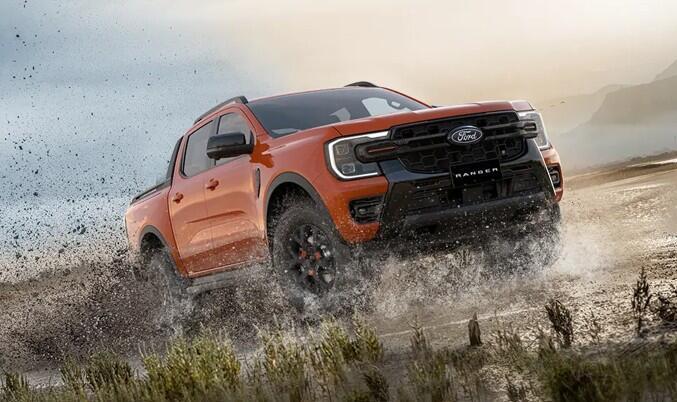
The Ford Ranger has earned a solid reputation as a hardworking pickup. It can tow trailers, tackle muddy tracks, carry heavy equipment, and still feel reasonably comfortable during the weekday commute. In many ways, it is the automotive equivalent of a sturdy pair of work boots: dependable, versatile, and ready to get dirty.
However, no vehicle is completely free from problems.
Owners have reported various Ford Ranger issues, ranging from minor electronic glitches to expensive engine and transmission faults. Some problems appear more frequently in particular model years, engines, transmissions, or markets. Others develop because of hard use, poor maintenance, towing, modifications, or simple wear and tear.
That does not automatically mean the Ford Ranger is unreliable. Plenty of Rangers cover high mileages without suffering major mechanical failures. The key is knowing what to watch for before a small warning sign turns into a repair bill that hits like a runaway trailer.
In this guide, we will examine the most common Ford Ranger problems, their symptoms, possible causes, repair considerations, and the steps we can take to reduce the risk of trouble.
- Are Ford Rangers Reliable?
- Most Common Ford Ranger Issues at a Glance
- Ford Ranger Automatic Transmission Problems
- Ford Ranger Engine Problems
- Ford Ranger Diesel Particulate Filter Problems
- EGR Valve Problems
- Turbocharger and Intercooler Hose Issues
- Ford Ranger Injector Problems
- Cooling-System Leaks and Overheating
- Timing Belt and Timing Chain Concerns
- Oil Leaks and Excessive Oil Consumption
- AdBlue and Emissions-System Warnings
- Electrical Problems
- Ford Ranger Battery Drain
- Four-Wheel-Drive System Problems
- Suspension and Steering Problems
- Brake Problems
- Rust and Corrosion
- Water Leaks and Cabin Moisture
- Infotainment and Connectivity Issues
- Ford Ranger Problems After Modifications
- Warning Signs We Should Never Ignore
- How to Avoid Major Ford Ranger Issues
- What to Check Before Buying a Used Ford Ranger
- Are Ford Ranger Repairs Expensive?
- Should We Buy a Ford Ranger Despite These Issues?
- Final Thoughts on Ford Ranger Issues
- Frequently Asked Questions
Are Ford Rangers Reliable?
Overall, the Ford Ranger can be a reliable pickup when it receives regular servicing and is used within its mechanical limits. Its ladder-frame construction, practical engine range, and strong towing ability make it suitable for demanding work.
Nevertheless, reliability varies between generations.
A Ranger used mainly for light road driving may have a completely different ownership experience from one that regularly tows near its maximum capacity, crosses deep water, carries heavy loads, or spends every weekend crawling through mud.
Several factors influence long-term reliability:
- Model year and generation
- Engine type
- Manual or automatic transmission
- Service history
- Previous towing activity
- Off-road use
- Aftermarket modifications
- Driving conditions
- Fuel and oil quality
- Local climate
A well-maintained Ranger with documented servicing is usually a safer purchase than a lower-mileage example with missing records. Mileage tells part of the story, but maintenance often tells the ending.
Most Common Ford Ranger Issues at a Glance
Depending on the generation, engine, and transmission, owners may experience the following problems:
- Automatic transmission hesitation or harsh shifting
- Engine oil leaks
- Diesel particulate filter problems
- Exhaust gas recirculation valve faults
- Turbocharger hose or intercooler pipe failures
- Injector and fuel-system problems
- Cooling-system leaks and overheating
- Timing belt or timing-chain concerns
- Electrical and infotainment glitches
- Battery drainage or charging faults
- Suspension noises and premature wear
- Steering vibration or wandering
- Four-wheel-drive engagement problems
- AdBlue or emissions-system warnings
- Rust and underbody corrosion
Some of these issues are inconvenient rather than catastrophic. Others should be investigated immediately.
Ford Ranger Automatic Transmission Problems
Transmission complaints are among the most widely discussed Ford Ranger issues. Symptoms vary depending on whether the truck uses an older automatic gearbox or a newer multi-speed transmission.
Common Transmission Symptoms
Owners may notice:
- Delayed engagement when selecting Drive or Reverse
- Jerking during acceleration
- Harsh upshifts or downshifts
- Gear hunting on hills
- Shuddering at steady speeds
- Slipping under load
- A transmission warning message
- Reduced-power or limp mode
- Fluid leaks beneath the vehicle
A slight change in shift behaviour does not always mean the gearbox is failing. Modern automatic transmissions adapt to driving habits, temperature, load, and road conditions. However, repeated banging, slipping, or delayed engagement should never be dismissed as normal.
What Causes Ford Ranger Gearbox Problems?
Possible causes include low or degraded transmission fluid, worn internal components, faulty sensors, software calibration issues, valve-body problems, torque-converter wear, or excessive heat.
Towing can also expose weaknesses. Pulling a heavy trailer creates more heat, and heat is an automatic transmission’s silent enemy. It works slowly, like sunlight fading a dashboard, but the damage can become expensive.
How to Reduce Transmission Trouble
We can lower the risk by:
- Following the correct fluid-service schedule
- Using only the specified transmission fluid
- Avoiding repeated hard launches
- Allowing the vehicle to warm up before heavy towing
- Reducing speed on long climbs
- Checking for leaks
- Investigating new shift changes promptly
- Keeping tyre sizes consistent
- Updating transmission software when recommended
A fluid change will not repair worn gears or damaged clutch packs, but clean fluid can help protect a healthy transmission.
Ford Ranger Engine Problems
Engine problems can range from a loose hose to serious internal damage. The precise risks depend heavily on the engine fitted to the vehicle.
Diesel Rangers may experience emissions-system, injector, turbo, or cooling issues, while petrol models can develop ignition, sensor, fuel-delivery, or carbon-related faults.
Loss of Power
A Ranger that suddenly feels sluggish may have:
- A blocked fuel filter
- A split turbo hose
- A failing boost-control component
- A dirty air filter
- An EGR valve fault
- A DPF restriction
- An injector problem
- A faulty airflow or pressure sensor
- A transmission fault
- A restricted exhaust
Loss of power is especially noticeable when overtaking, climbing hills, or towing. The engine may sound normal at idle but feel as though someone has quietly tied a caravan to the rear bumper.
Engine Misfires and Rough Running
Rough running may be caused by faulty injectors, glow-plug issues, contaminated fuel, ignition-coil faults on petrol engines, vacuum leaks, sensor failures, or poor compression.
Warning signs include:
- Uneven idle
- Excessive vibration
- Difficult starting
- White, black, or blue exhaust smoke
- Increased fuel consumption
- Engine warning light
- Reduced acceleration
Diagnostic scanning is often the smartest first step. Replacing parts based only on guesswork can become an expensive game of mechanical darts.
Ford Ranger Diesel Particulate Filter Problems
The diesel particulate filter, commonly called the DPF, traps soot from the exhaust. It periodically burns that soot through a process known as regeneration.
Problems arise when the Ranger cannot complete regeneration successfully.
Why Does the DPF Become Blocked?
Frequent short journeys are a common cause. If the engine rarely reaches full operating temperature, the exhaust may not become hot enough to burn accumulated soot.
Other possible causes include:
- Faulty temperature sensors
- Injector problems
- EGR faults
- Excessive oil consumption
- Incorrect engine oil
- Repeated interrupted regeneration
- Pressure-sensor faults
- Engine running problems that create extra soot
Signs of a Blocked DPF
We may see:
- A DPF warning light
- Loss of power
- Higher fuel consumption
- Cooling fan running frequently
- Elevated idle speed
- Strong exhaust smell
- Limp mode
- Difficulty starting
Can a Motorway Drive Clear the DPF?
A sustained drive may help when the filter is only moderately loaded and there are no underlying mechanical faults. However, driving at higher speed is not a universal cure.
If a warning light remains on, the engine enters limp mode, or the oil level rises unexpectedly, professional diagnosis is advisable. Continuing to drive may damage the DPF, turbocharger, or engine.
EGR Valve Problems
The exhaust gas recirculation valve redirects part of the exhaust back into the engine to reduce emissions. Over time, carbon deposits can restrict or jam the valve.
Symptoms of a Faulty EGR Valve
Typical symptoms include:
- Rough idle
- Poor throttle response
- Black smoke
- Reduced fuel economy
- Engine warning light
- Hesitation
- Stalling
- Loss of power
Cleaning may help if the valve is dirty but still functional. A failed actuator or damaged valve normally requires replacement.
Preventing EGR trouble completely is difficult, but good-quality oil, correct servicing, and regular longer journeys may reduce heavy deposit buildup.
Turbocharger and Intercooler Hose Issues
A turbocharged engine depends on sealed hoses and pipes to deliver compressed air. If a hose splits, loosens, or collapses, the engine can lose boost pressure.
Signs of a Boost Leak
Common symptoms include:
- Whistling or hissing
- Sudden loss of power
- Black smoke under acceleration
- Poor fuel economy
- Oil residue around a hose joint
- Engine warning light
- Limp mode
A damaged hose may look harmless, yet it can transform a lively diesel into a truck that struggles to climb a gentle hill.
Inspecting intercooler hoses during routine servicing is worthwhile, particularly on vehicles used for towing or off-road driving.
Ford Ranger Injector Problems
Fuel injectors must deliver precisely measured amounts of fuel at extremely high pressure. Wear, contamination, electrical faults, or poor fuel quality can interfere with that process.
Warning Signs of Injector Failure
We may notice:
- Hard starting
- Diesel knocking
- Uneven idle
- Excessive smoke
- Reduced power
- Increased fuel consumption
- Fuel smell
- Engine warning light
- Oil level rising due to fuel dilution
Injector testing should be carried out before replacement. One weak injector can sometimes be identified through correction values, return-flow testing, or specialist bench testing.
Because injectors can be expensive, proper diagnosis matters.
Cooling-System Leaks and Overheating
Overheating is one of the Ford Ranger issues that deserves immediate attention. Modern engines operate within tight temperature limits, and continued driving while overheated can cause severe damage.
Possible Causes of Overheating
Common causes include:
- Low coolant
- Split coolant hose
- Radiator leak
- Thermostat failure
- Water-pump problem
- Cooling-fan fault
- Blocked radiator
- Head-gasket failure
- Cracked coolant reservoir
- Air trapped in the system
What Should We Do If the Ranger Overheats?
We should stop safely, switch off the engine, and allow it to cool. Never remove the coolant cap while the system is hot. Pressurized coolant can escape violently and cause serious burns.
After the engine cools, check for obvious leaks and low coolant. Even if the temperature returns to normal, the underlying cause should be identified before the vehicle resumes heavy use.
Why Towing Makes Cooling Problems Worse
Towing increases engine and transmission load. A partially blocked radiator or weak cooling component may appear fine during normal commuting but fail on a steep climb with a trailer attached.
That is why pre-towing inspections matter. A cooling system under stress is like a runner in heavy clothing: it may cope briefly, but the heat builds quickly.
Timing Belt and Timing Chain Concerns
Ford Ranger engines may use different timing systems depending on the engine and production year. Some use timing belts, while others rely on chains or belt-in-oil designs.
Failure can cause major engine damage.
Timing-System Warning Signs
Possible symptoms include:
- Rattling at startup
- Ticking noises
- Poor running
- Engine warning light
- Metal debris in the oil
- Difficulty starting
- Misfire codes
- Oil-pressure warnings
Not every timing component gives advance warning. For that reason, following the correct replacement interval is essential.
We should verify the schedule using the owner’s manual, service documentation, or a Ford specialist. Online advice based on a different engine or market may be dangerously inaccurate.
Oil Leaks and Excessive Oil Consumption
Small oil leaks are fairly common as vehicles age. Gaskets, seals, turbocharger lines, sump areas, and rocker covers can begin to seep.
Where Should We Look for Leaks?
Check around:
- The oil filter
- Sump and drain plug
- Rocker or valve cover
- Turbocharger oil lines
- Front and rear engine seals
- Oil cooler
- Vacuum pump
- Timing cover
Oil on the driveway is obvious, but some leaks only appear while the engine is running. Others collect on protective undertrays, hiding the evidence.
Why Oil Level Matters
Low oil can damage the turbocharger, timing components, bearings, and cylinder walls. Overfilling is also harmful because it may increase crankcase pressure or allow oil to enter systems where it does not belong.
Checking the dipstick between services takes less than a minute and may save thousands.
AdBlue and Emissions-System Warnings
Some diesel Rangers use selective catalytic reduction technology and AdBlue fluid to reduce emissions.
Owners may encounter:
- AdBlue level warnings
- Incorrect quality warnings
- Countdown-to-no-start messages
- Emissions-system faults
- Sensor failures
- Heater or pump problems
Adding fluid may resolve a genuine low-level warning, but it will not fix a failed sensor or dosing system.
Use fresh fluid that meets the required specification. Contaminating the AdBlue tank with diesel, water, or another liquid can result in extensive repairs.
Electrical Problems
Modern Rangers contain numerous modules, sensors, cameras, switches, and communication networks. Electrical issues can therefore produce unusual symptoms.
Common Electrical Complaints
These may include:
- Infotainment screen freezing
- Bluetooth disconnecting
- Parking sensors failing
- Reversing camera problems
- Electric windows becoming unresponsive
- Central locking faults
- Warning lights appearing together
- Keyless-entry problems
- Random battery discharge
- Stop-start system not operating
Sometimes the problem is software-related. In other cases, a weak battery, poor ground connection, water ingress, damaged wiring, or faulty module is responsible.
Why a Weak Battery Causes Strange Warnings
Vehicle computers require stable voltage. A weak battery can trigger multiple warning messages even when the related mechanical systems are healthy.
It is similar to trying to run an office during repeated power cuts: every department starts reporting problems, but the true fault is the electricity supply.
Before replacing expensive modules, battery condition and charging voltage should be tested.
Ford Ranger Battery Drain
A Ranger that repeatedly has a flat battery may have:
- An ageing battery
- Faulty alternator
- Interior light remaining on
- Aftermarket accessories
- Dash camera wired incorrectly
- Trailer wiring fault
- Module failing to enter sleep mode
- Poor battery connection
- Parasitic electrical draw
A parasitic-draw test can determine whether the vehicle continues consuming excessive power after it has been switched off.
Vehicles with winches, additional lighting, refrigerators, tracking devices, or upgraded audio systems deserve particular attention.
Four-Wheel-Drive System Problems
Four-wheel drive is one of the Ranger’s biggest strengths, but the system can develop faults.
Common 4WD Symptoms
Owners may experience:
- Failure to engage four-wheel drive
- Flashing 4WD light
- Grinding noise
- Transfer-case warning
- Difficulty shifting between modes
- Front wheels failing to drive
- Vehicle becoming stuck in low range
Possible causes include actuator faults, transfer-case problems, wiring damage, vacuum-system issues on certain designs, sensor faults, or incorrect operating procedure.
Using 4WD Correctly
Part-time four-wheel-drive systems should not normally be used on dry, high-grip roads unless the manufacturer specifically allows it. Doing so may cause drivetrain binding because the front and rear axles cannot rotate at the different speeds required during turns.
Correct operation protects the transfer case, tyres, shafts, and differentials.
Suspension and Steering Problems
Rangers often live hard lives. Potholes, construction sites, corrugated roads, heavy accessories, and off-road driving place constant strain on suspension components.
Common Suspension Noises
Clunks, squeaks, or knocks may come from:
- Anti-roll-bar links
- Bushings
- Ball joints
- Shock absorbers
- Leaf-spring components
- Strut mounts
- Loose fasteners
- Body mounts
A suspension noise may initially seem minor, but worn joints can affect tyre wear, braking stability, and steering control.
Steering Vibration or Wandering
Possible causes include:
- Incorrect wheel alignment
- Unbalanced tyres
- Damaged wheels
- Uneven tyre wear
- Worn suspension joints
- Incorrect tyre pressure
- Loose steering components
- Brake-disc variation
- Driveline vibration
Oversized tyres and suspension lifts can also alter steering behaviour. Modifications may look impressive, but poorly planned geometry can make the truck handle like a shopping trolley on gravel.
Brake Problems
A Ford Ranger may develop brake vibration, squealing, pulling, or reduced braking performance.
Typical Causes
These include:
- Worn brake pads
- Scored or uneven discs
- Sticking caliper
- Contaminated friction surfaces
- Old brake fluid
- Damaged wheel bearing
- Incorrectly fitted components
Towing increases brake workload. Although trailer brakes should handle part of the load, the Ranger’s braking system still works harder.
Brake fluid should be replaced according to the recommended interval because it absorbs moisture over time, reducing performance under high temperatures.
Rust and Corrosion
Rust risk depends on climate, road salt, coastal exposure, mud, and maintenance.
Areas worth inspecting include:
- Chassis rails
- Suspension mounting points
- Leaf-spring mounts
- Brake lines
- Fuel lines
- Tow-bar mounting points
- Wheel arches
- Door bottoms
- Load-bed seams
Mud can trap moisture against metal. After off-road trips, thoroughly washing the underbody is not cosmetic fussiness; it is preventive maintenance.
Surface corrosion can often be treated. Structural rust requires professional assessment.
Water Leaks and Cabin Moisture
Water may enter through door seals, windscreen bonding, roof accessories, rear cabin vents, drainage channels, or poorly installed aftermarket equipment.
Signs include:
- Damp carpet
- Musty smell
- Fogged windows
- Water beneath seats
- Electrical problems
- Mould
- Corrosion on connectors
Ignoring a leak can allow moisture to reach wiring and electronic modules. What begins as a damp footwell may eventually become an electrical mystery worthy of a detective novel.
Infotainment and Connectivity Issues
The Ranger’s infotainment system may occasionally freeze, reboot, lose phone pairing, or fail to load features.
Basic Troubleshooting Steps
We can try:
- Restarting the vehicle
- Rebooting the infotainment system
- Removing and pairing the phone again
- Updating the phone software
- Testing another USB cable
- Checking for system updates
- Removing conflicting devices
- Inspecting the relevant fuse
Persistent failures may require software reprogramming, module diagnosis, or hardware replacement.
Ford Ranger Problems After Modifications
Many Rangers receive aftermarket upgrades, including:
- Suspension lifts
- Larger wheels and tyres
- Bull bars
- Winches
- Canopies
- Auxiliary batteries
- Performance tuning
- Exhaust modifications
- Roof racks
- Additional lighting
Modifications are not automatically harmful. Problems arise when components are poorly selected, incorrectly installed, or combined without considering total vehicle weight.
How Accessories Affect Reliability
Heavy accessories can reduce payload capacity and increase strain on brakes, suspension, wheel bearings, steering, cooling, and fuel consumption.
Engine tuning may produce more torque but can also increase cylinder pressure, exhaust temperature, transmission load, and turbocharger stress.
Before modifying a Ranger, we should think of the vehicle as a complete system. Changing one part often moves the stress somewhere else.
Warning Signs We Should Never Ignore
Some symptoms require immediate attention:
- Low oil-pressure warning
- Severe overheating
- Loud engine knocking
- Brake warning light with poor braking
- Visible fuel leak
- Transmission slipping badly
- Thick blue or white smoke
- Rapid coolant loss
- Steering becoming unusually heavy
- Burning smell
- Sudden loss of power in traffic
- Repeated no-start condition
Continuing to drive may turn a repairable fault into engine, gearbox, or safety-system failure.
How to Avoid Major Ford Ranger Issues
No maintenance plan can guarantee a problem-free vehicle, but sensible care dramatically improves the odds.
Follow the Correct Service Schedule
Use the schedule for the exact model year, engine, gearbox, and country. Different markets may have different maintenance requirements.
Use the Right Fluids
Correct oil specification matters, especially for turbochargers, emissions equipment, and timing systems. Cheap or incorrect fluids can create expensive consequences.
Check Fluid Levels Regularly
Monitor:
- Engine oil
- Coolant
- Brake fluid
- Power-steering fluid where applicable
- Washer fluid
- AdBlue
- Transmission fluid when serviceable
Inspect Before Towing
Before towing, check tyre pressures, coolant, oil, trailer connections, lights, brakes, hitch security, and load distribution.
Do Not Ignore New Noises
A fresh clunk, whistle, rattle, or grinding sound is the vehicle asking a question. The sooner we answer, the cheaper the conversation may be.
Wash the Underbody
Remove mud, road salt, and sand, particularly after coastal or off-road driving.
Keep Maintenance Records
Receipts and service reports help establish what has been replaced, when fluids were changed, and whether recurring faults have been investigated.
What to Check Before Buying a Used Ford Ranger
A used Ranger can be a great purchase, but inspection is essential.
Review the Service History
Look for consistent servicing rather than a stack of unexplained invoices produced just before the sale.
Inspect for Towing Wear
Check the tow bar, rear suspension, transmission behaviour, brake condition, and cooling system.
A shiny truck may still have spent years pulling heavy machinery.
Look Underneath
Inspect the chassis, suspension, oil leaks, impact damage, rust, and signs of hard off-road use.
Test Every Electrical Feature
Try the windows, locks, mirrors, cameras, parking sensors, climate control, infotainment system, lights, and four-wheel-drive controls.
Perform a Cold Start
A seller who has already warmed the engine may be hiding startup smoke, rattling, or difficult ignition.
Arrange a Diagnostic Scan
Stored fault codes can reveal intermittent or recently cleared issues.
Get an Independent Inspection
A professional inspection costs money, but it can prevent us from purchasing somebody else’s unfinished repair project.
Are Ford Ranger Repairs Expensive?
Repair costs vary widely. A sensor, hose, battery, or software update may be relatively manageable. Injector, turbocharger, transmission, DPF, cooling-system, or internal engine repairs can be significantly more expensive.
Labour rates, parts availability, engine design, and local market conditions all influence the final cost.
The cheapest initial quote is not always the best option. Correct diagnosis is usually more valuable than repeatedly replacing inexpensive parts that do not solve the problem.
Should We Buy a Ford Ranger Despite These Issues?
For many drivers, yes.
The Ranger remains appealing because it combines towing ability, off-road capability, practicality, and everyday comfort. The existence of reported problems does not mean every Ranger will suffer from them.
We should judge each vehicle individually.
A Ranger with excellent maintenance history, standard equipment, clean diagnostics, and careful ownership may be a better buy than a newer truck that has been heavily tuned, overloaded, and neglected.
The best approach is neither blind confidence nor unnecessary fear. It is informed caution.
Final Thoughts on Ford Ranger Issues
The most common Ford Ranger issues involve transmissions, emissions equipment, turbo hoses, injectors, cooling systems, electrical components, suspension wear, and four-wheel-drive hardware. The exact risk depends on the Ranger’s year, engine, gearbox, maintenance record, and previous workload.
Many problems provide early warning signs. Hesitation, unusual smoke, changing shift quality, fluid loss, warning lights, new noises, and reduced power should be investigated before they become serious.
A well-maintained Ranger can remain a capable and dependable partner for years. Treat it properly, and it will often return the favour. Neglect it, overload it, and ignore its warnings, and even the toughest pickup can begin to crack like an old workbench left in the rain.
The Ranger is built for demanding jobs, but toughness is not the same as invincibility. Regular checks, correct servicing, thoughtful driving, and early diagnosis remain the strongest tools in our toolbox.
Frequently Asked Questions
1. What are the most common Ford Ranger issues?
Common problems include harsh automatic transmission shifts, DPF blockage, EGR valve faults, split turbo hoses, injector problems, coolant leaks, electrical glitches, suspension wear, and four-wheel-drive engagement faults. The exact issues vary by engine and model year.
2. Why does my Ford Ranger lose power while driving?
Loss of power may result from a boost leak, blocked fuel filter, DPF restriction, EGR fault, injector issue, faulty sensor, turbocharger problem, or transmission fault. A diagnostic scan and physical inspection are usually required to identify the cause.
3. Is it safe to drive a Ford Ranger with a warning light?
It depends on the warning. A low oil-pressure, brake, overheating, or severe engine warning should be treated urgently. Continuing to drive may cause serious damage or create a safety risk. Check the owner’s manual and seek professional diagnosis.
4. How long can a Ford Ranger last?
A properly maintained Ranger can cover a high mileage, but longevity depends on servicing, operating conditions, towing loads, rust exposure, engine type, and repair history. Preventive maintenance is more important than mileage alone.
5. Should I buy a used Ford Ranger with high mileage?
A high-mileage Ranger may still be worthwhile if it has complete service records, drives correctly, shows no major leaks or warning lights, and passes an independent inspection. A neglected low-mileage vehicle can be riskier than a carefully maintained high-mileage example.
This content may interest you! Ford Ranger 3.2 Engine Problems: Common Faults, Symptoms, and Solutions
Leave a Reply