
Ford Ranger vs Raptor: Which Pickup Should We Buy?
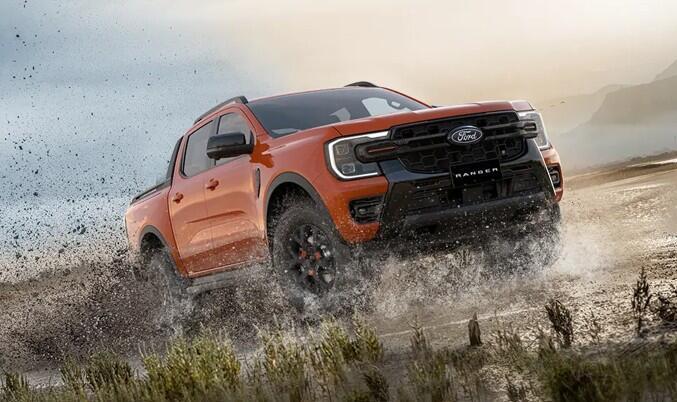
Choosing between the Ford Ranger and Ranger Raptor looks simple until we examine what these two pickups are actually designed to do.
They may share the Ranger name, a similar cabin layout, and the familiar blue Ford badge, but they serve noticeably different drivers. The regular Ford Ranger is built to balance work, towing, family travel, fuel economy, and off-road ability. The Ford Ranger Raptor, meanwhile, takes the Ranger platform and transforms it into a high-performance off-road machine.
Think of the standard Ranger as a tough pair of hiking boots. It can work all week, carry equipment, tow a trailer, and explore muddy tracks on the weekend. The Raptor is more like a purpose-built pair of racing boots: louder, wider, more specialized, and designed to move quickly across difficult terrain.
So, which one makes more sense?
In this Ford Ranger vs Raptor comparison, we will explore performance, towing, payload, suspension, comfort, technology, running costs, practicality, and off-road capability. Most importantly, we will identify which truck better fits the way we actually drive.
Specifications vary significantly between countries and model years. For example, North American, Australian, and European Rangers may use different engines, towing ratings, trim names, and emissions settings. Buyers should therefore confirm local figures before purchasing.
- Ford Ranger vs Raptor at a Glance
- What Is the Regular Ford Ranger?
- What Is the Ford Ranger Raptor?
- Ford Ranger vs Raptor Engine Performance
- Transmission and Four-Wheel-Drive Systems
- Ford Ranger vs Raptor Off-Road Capability
- Ground Clearance, Wading and Dimensions
- Towing Capacity: Ranger or Raptor?
- Payload and Bed Practicality
- Ride Comfort and Suspension Quality
- Steering and Road Handling
- Fuel Economy and Running Costs
- Interior Design and Technology
- Safety and Driver Assistance
- Exterior Styling: Subtle or Aggressive?
- Ford Ranger vs Raptor Reliability
- Ford Ranger vs Raptor Price
- Modification Potential
- Which One Is Better for Work?
- Which One Is Better for Family Use?
- Which One Is Better for Off-Road Adventures?
- Ford Ranger vs Raptor Pros and Cons
- Who Should Buy the Standard Ford Ranger?
- Who Should Buy the Ranger Raptor?
- Final Verdict: Ford Ranger or Ranger Raptor?
- Frequently Asked Questions
Ford Ranger vs Raptor at a Glance
Before diving into every detail, let us look at the basic difference.
| Category | Ford Ranger | Ford Ranger Raptor |
|---|---|---|
| Main purpose | Work, towing, commuting, recreation | High-performance off-road driving |
| Engine choices | Multiple petrol or diesel options, depending on market | High-output engine, commonly a twin-turbo V6 |
| Suspension | Conventional truck suspension | Performance-tuned suspension with FOX dampers |
| Towing ability | Usually higher in many markets | Often lower due to performance suspension |
| Payload | Generally better | Usually reduced |
| Ride quality | Controlled and practical | Softer, more sophisticated over rough ground |
| Fuel use | Usually more economical | Higher fuel consumption |
| Width | Easier to manage | Wider stance and flared bodywork |
| Purchase price | More affordable | Considerably more expensive |
| Best for | Everyday versatility | Enthusiasts and serious off-road use |
The choice is not simply about buying the more powerful truck. It is about choosing the truck whose strengths match our priorities.
What Is the Regular Ford Ranger?
The regular Ford Ranger is a midsize pickup offered in several configurations and trim levels. Depending on the country, the lineup may include work-focused models, comfortable family-oriented versions, luxury trims, and dedicated off-road editions.
Its central mission is versatility.
A regular Ranger can serve as:
- A commercial work vehicle
- A family pickup
- A towing vehicle
- A camping companion
- A daily commuter
- A moderate off-road truck
- A platform for accessories and modifications
Current Ranger engine choices vary by market. Australia, for example, offers turbo-diesel and V6 diesel combinations across parts of the lineup, while the United States offers turbocharged petrol engines. Ford’s 2026 North American Ranger lineup includes an available 2.7-liter EcoBoost V6 producing 315 horsepower and 400 lb-ft of torque.
This variety allows us to choose a Ranger that fits our budget and intended use rather than paying for capabilities we may never need.
Why the Standard Ranger Appeals to More Buyers
The standard truck is not as dramatic as the Raptor, but that restraint is part of its attraction.
Most owners need a pickup that performs ordinary jobs well. They may tow a caravan a few times each year, carry tools during the week, navigate city traffic, and occasionally explore an unpaved road. The Ranger can handle this mixed lifestyle without becoming unnecessarily expensive or difficult to manage.
In other words, it is the sensible multitool of the Ranger family.
What Is the Ford Ranger Raptor?
The Ford Ranger Raptor is not merely a Ranger with different wheels, stickers, and a louder exhaust. Ford Performance significantly modifies the vehicle to improve high-speed off-road control.
Typical Ranger Raptor upgrades include:
- Wider wheel tracks
- Reinforced chassis components
- Long-travel suspension
- FOX performance dampers
- Larger all-terrain tires
- More aggressive bodywork
- Additional drive modes
- Stronger underbody protection
- Electronic locking differentials
- Performance seats
- Unique steering and exhaust settings
The North American 2026 Ranger Raptor uses a 3.0-liter EcoBoost V6 rated at 405 horsepower. Australian versions use a 3.0-liter twin-turbo V6 producing up to 292 kW and 583 Nm, illustrating how output can change between markets.
The Raptor is designed to cross rough surfaces at speeds that would make an ordinary pickup feel nervous and unsettled.
The Meaning Behind the Raptor Badge
The Raptor badge represents Ford’s performance-focused off-road philosophy. Instead of prioritizing maximum payload or the stiffest towing platform, the Raptor prioritizes suspension movement, traction, stability, and driver confidence over loose ground.
That distinction matters.
A vehicle optimized for carrying heavy loads is not automatically optimized for jumping over dunes. Likewise, a suspension designed to absorb high-speed impacts may not deliver the greatest payload rating.
The Raptor is a specialist, not a superior answer to every question.
Ford Ranger vs Raptor Engine Performance
Engine performance is one of the biggest reasons shoppers consider the Raptor.
The ordinary Ranger may come with several engine options, ranging from efficient four-cylinder turbo engines to stronger V6 units. These engines are generally tuned to provide a useful mixture of torque, fuel economy, towing ability, and everyday drivability.
The Raptor receives a more performance-oriented powertrain.
In North America, the 3.0-liter twin-turbocharged V6 delivers a substantial performance advantage over mainstream Ranger engines. Acceleration feels stronger, throttle response is more aggressive, and the powertrain has enough force to move the truck rapidly across sand, gravel, and open trails.
How the Regular Ranger Feels
The standard Ranger generally feels steady rather than explosive. It produces enough low-end torque for towing, overtaking, and climbing hills, but it does not constantly encourage us to attack the road.
That is not a weakness.
During daily driving, predictable power can be more useful than dramatic acceleration. It helps us control fuel consumption, maneuver trailers, and drive smoothly in traffic.
How the Ranger Raptor Feels
The Raptor feels far more energetic.
Press the accelerator, and the truck responds with the attitude of a vehicle that would rather chase the horizon than quietly visit the hardware store. Its transmission, exhaust, throttle calibration, and selectable modes work together to create a more exciting experience.
The active exhaust system available in some markets can also change the truck’s personality. A quieter setting can make early-morning departures more civilized, while louder settings allow the V6 to announce itself.
Is the Raptor Too Powerful for Normal Roads?
Not necessarily, but much of its performance may remain unused.
On crowded streets, strict speed limits and narrow parking spaces reduce the benefit of additional horsepower. We still enjoy quicker acceleration and stronger overtaking ability, but the Raptor’s true talent appears when the surface becomes loose, uneven, and demanding.
This content may interest you! Ford Ranger and Everest: Two Sides of the Same Adventure
Transmission and Four-Wheel-Drive Systems
Both trucks commonly use modern automatic transmissions, although availability depends on model and region.
The Ranger Raptor usually pairs its performance engine with a 10-speed automatic transmission. It also commonly includes a full-time four-wheel-drive system and specialized drivetrain hardware.
Australian Ranger Raptor specifications list a 10-speed automatic, full-time four-wheel drive, and a locking rear differential. Some versions also include electronic locking differentials at both ends, providing strong traction in technical off-road situations.
The ordinary Ranger may use:
- Rear-wheel drive
- Part-time four-wheel drive
- Full-time four-wheel drive
- A locking rear differential
- Multiple terrain modes
The exact system depends on trim and market.
Which Drivetrain Is Better for Daily Use?
A standard Ranger with four-wheel drive is more than capable for snow, mud, wet grass, gravel tracks, and ordinary recreational trails.
The Raptor’s advanced system becomes more valuable when we regularly encounter:
- Deep sand
- Loose desert surfaces
- Fast gravel roads
- Rocky climbs
- Uneven trails
- Repeated off-road impacts
For most drivers, the standard Ranger provides enough traction. For dedicated off-road enthusiasts, the Raptor provides a deeper reserve of capability.
Ford Ranger vs Raptor Off-Road Capability
This is where the Raptor separates itself most clearly.
A regular four-wheel-drive Ranger is already a competent off-road pickup. With proper tires, reasonable ground clearance, low-range gearing where fitted, and a rear differential lock, it can negotiate difficult trails.
However, the Raptor is built for another level of off-road driving.
Raptor Suspension Advantages
The Ranger Raptor uses specialized FOX shock absorbers designed to control longer suspension travel and repeated impacts. Ford also equips the Raptor with chassis and suspension modifications that help it remain stable at speed.
The result is a truck that can float over rough ground like a speedboat crossing choppy water. Where a normal pickup may bounce, pitch, or force us to slow down, the Raptor often feels more composed.
Ford’s Baja drive mode can adjust elements such as throttle response, transmission behavior, steering, and suspension settings for high-speed off-road use.
Regular Ranger Off-Road Strengths
The ordinary Ranger still has several advantages.
It may be:
- Narrower on forest tracks
- Easier to repair
- Cheaper to fit with replacement tires
- Less worrying to scratch
- More practical for slow, technical work
- Better suited to carrying camping equipment
A well-equipped Ranger can reach many of the same destinations as a Raptor. It may simply need to travel more slowly and carefully.
Which One Is Better on Rocky Trails?
The Raptor’s suspension, tires, ground clearance, and locking differentials make it highly capable. However, its width can become a disadvantage on narrow trails lined with rocks, trees, or deep ruts.
A standard Ranger fitted with suitable tires may feel easier to position in tight spaces.
The Raptor dominates open terrain. The regular Ranger can be surprisingly effective when the path becomes narrow and technical.
Ground Clearance, Wading and Dimensions
The Raptor usually stands taller and wider than most regular Ranger variants.
Ford Australia lists the Ranger Raptor at approximately 5,380 mm long, 2,208 mm wide, and 1,926 mm high. The same market lists 272 mm of ground clearance and an 850 mm water-wading rating.
Those dimensions help create stability and clearance off-road, but they also affect daily usability.
The Cost of the Wider Body
The Raptor’s extra width can make the following tasks more difficult:
- Parking in small garages
- Using narrow city streets
- Passing vehicles on rural lanes
- Entering older parking structures
- Navigating tight wooded trails
- Avoiding curb damage
The standard Ranger is already a substantial vehicle, but it generally feels less intimidating in confined areas.
Before buying either truck, we should measure our garage rather than trusting our eyes. A Raptor parked beside a showroom wall can look manageable. A Raptor squeezed between concrete pillars feels like a different animal entirely.
Towing Capacity: Ranger or Raptor?
Many buyers assume the most powerful truck must also be the best tow vehicle.
That assumption can be misleading.
The Ranger Raptor has plenty of engine power, but its specialized suspension and performance-focused setup can reduce its maximum towing rating compared with some regular Ranger variants.
In Australia, Ford currently lists the Ranger Raptor with a 2,500 kg towing capacity. By comparison, conventional Ranger variants in some markets are rated to tow more, although exact limits depend on configuration, local regulations, trailer equipment, and vehicle weight.
Why Can the Regular Ranger Tow More?
Towing ability depends on more than horsepower.
Important factors include:
- Suspension design
- Cooling capacity
- Gross combined weight rating
- Rear axle limits
- Vehicle weight
- Hitch design
- Tire ratings
- Payload capacity
The Raptor’s softer, long-travel suspension is optimized for absorbing rough terrain rather than controlling the highest possible trailer weight.
Which Truck Should We Choose for Towing?
Choose a regular Ranger when heavy towing is a central requirement.
Choose the Raptor when towing is occasional and remains comfortably within its local limit.
The Raptor can tow, but buying one mainly as a heavy tow vehicle is like buying a rally car to deliver furniture. It can perform the task, yet another tool may do it more efficiently.
This content may interest you!Ford Ranger vs F-150: Which Ford Truck Should We Buy?Payload and Bed Practicality
Payload is another area where regular Ranger models often perform better.
The Raptor’s additional suspension hardware, larger tires, performance equipment, and higher curb weight consume part of the vehicle’s allowable carrying capacity. As a result, its payload may be lower than that of work-oriented Ranger configurations.
This matters when we carry:
- Construction materials
- Tools
- Motorcycles
- Roof equipment
- Camping gear
- Passengers and luggage
- Trailer tongue weight
Payload calculations must include everything added to the truck, not just cargo placed in the bed.
Raptor Bed Usability
The Raptor remains useful as a pickup. Ford UK lists a Ranger Raptor load-bed volume of 1,233 liters, along with an easy-lift tailgate.
However, its wide body does not necessarily create a dramatically larger cargo bed. Much of the extra width comes from the extended wheel arches and wider track.
Best Choice for Commercial Work
For commercial work, a standard Ranger usually wins.
It costs less, can offer a greater payload, may have simpler wheels and tires, and is easier to justify as a business tool. Scratches, dust, and heavy use also feel less painful on a practical Ranger than on an expensive performance model.
Ride Comfort and Suspension Quality
Ride comfort is more complicated than it first appears.
Many work-focused pickups use firm rear suspension because they are designed to carry weight. When the bed is empty, this can create a slightly bouncy ride over broken roads.
The Raptor’s sophisticated dampers and long suspension travel can make it exceptionally comfortable over rough surfaces.
Raptor Comfort on Damaged Roads
Potholes, corrugations, gravel, and uneven country roads are where the Raptor suspension shines. It absorbs impacts with remarkable calmness.
Instead of crashing over every bump, it rounds off sharp edges and controls body movement. The truck may be large, but it can feel strangely graceful—like a heavyweight boxer moving on light feet.
Regular Ranger Comfort
Higher Ranger trims can still deliver a comfortable ride, especially with sensible wheel sizes and road-oriented tires.
They may also feel:
- More controlled during ordinary cornering
- Less bulky in urban areas
- Quieter on highway-focused tires
- Easier to step into
- More natural for relaxed commuting
The Raptor may provide the better suspension, but the standard Ranger can provide the simpler overall driving experience.
Steering and Road Handling
The Raptor’s wide stance gives it a planted feel, while its performance-tuned steering can create greater confidence on loose surfaces.
However, we should not confuse off-road stability with sports-car handling.
Both vehicles are tall pickups with significant weight and a high center of gravity. The Raptor may corner impressively for its size, but it still requires respect.
The standard Ranger generally feels easier to place on narrow roads. Its smaller footprint and less aggressive tires may also deliver more predictable behavior on paved surfaces.
Highway Driving
On the highway, both trucks can be comfortable long-distance vehicles.
The regular Ranger may offer:
- Better fuel efficiency
- Less tire noise
- Lower replacement costs
- A calmer driving character
The Raptor adds:
- Stronger acceleration
- Greater visual presence
- Excellent rough-road stability
- More supportive performance seats
- A more exciting engine note
The better choice depends on whether we value relaxation or entertainment.
Fuel Economy and Running Costs
The Ranger Raptor will normally consume more fuel than a conventional Ranger.
It has several factors working against efficiency:
- A more powerful engine
- Wider all-terrain tires
- Greater aerodynamic drag
- Additional weight
- Performance-oriented gearing
- A driving character that encourages heavier acceleration
A regular Ranger equipped with a smaller petrol or diesel engine will generally travel farther on the same amount of fuel.
Fuel is only one expense.
Raptor ownership may also involve higher costs for:
- Insurance
- Registration or taxation
- Performance tires
- Brake components
- Suspension repairs
- Premium fuel, where required
- Routine servicing
- Off-road damage
The tires deserve particular attention. Large all-terrain tires can be expensive, and aggressive driving may shorten their life.
Can We Daily-Drive a Ranger Raptor?
Absolutely.
The Raptor can be comfortable, refined, technologically advanced, and enjoyable in ordinary traffic. The question is not whether we can daily-drive it. The question is whether we are willing to pay its operating costs while using only a fraction of its capability.
Interior Design and Technology
The Ranger and Raptor share much of their basic cabin architecture, but equipment levels vary.
Modern Rangers may offer:
- Large portrait-style touchscreens
- Digital instrument displays
- Smartphone integration
- Surround-view cameras
- Driver-assistance systems
- Connected vehicle services
- Multiple USB ports
- Wireless charging
- Zone lighting
- Trailer technology
The Raptor adds distinctive performance touches such as unique seats, steering-wheel controls, special graphics, contrasting stitching, and dedicated buttons for drive, suspension, steering, and exhaust settings.
Australian Ranger Raptor specifications include performance seats with unique branding and supportive bolsters designed to hold occupants more securely during spirited driving.
This content may interest you!Ford Ranger vs Isuzu D-Max: Which Pickup Is Better?Is the Raptor Interior More Luxurious?
It is usually more special, but not always more luxurious in the traditional sense.
A high-end regular Ranger may use materials and comfort features that feel equally premium. The Raptor’s interior focuses on sportiness, using bold accents and performance styling rather than understated elegance.
The Raptor cabin says, “Let us find a dirt road.”
A luxury Ranger cabin says, “Let us arrive comfortably.”
Safety and Driver Assistance
Safety equipment depends on trim, country, and model year, but modern Ranger models may include systems such as:
- Automatic emergency braking
- Blind-spot monitoring
- Lane-keeping assistance
- Adaptive cruise control
- Rear cross-traffic alert
- Parking sensors
- Trailer coverage
- Surround-view cameras
The Raptor’s additional performance does not remove the need for sensible driving. In fact, the truck’s capability can sometimes create too much confidence.
Electronic systems cannot change the laws of physics. Mud, loose gravel, standing water, and worn tires still demand caution.
When comparing vehicles, we should review the exact safety package on the specific truck rather than assuming every Ranger includes identical equipment.
Exterior Styling: Subtle or Aggressive?
Few buyers remain emotionally neutral about the Ranger Raptor’s appearance.
Its flared wheel arches, bold grille, larger tires, raised stance, and muscular proportions give it a powerful road presence. It looks ready for action even while parked outside a supermarket.
The regular Ranger is more restrained.
Depending on trim, it can look basic, rugged, stylish, or luxurious. It also attracts less attention, which may be useful for commercial owners or drivers who prefer a lower profile.
Does the Raptor Attract Too Much Attention?
Possibly.
The Raptor may attract admiration, questions, photographs, and attention from other drivers. It may also attract thieves or increase insurance costs in certain locations.
Some owners love the drama. Others may eventually find it exhausting.
A standard Ranger can blend into everyday life more easily.
Ford Ranger vs Raptor Reliability
Reliability depends heavily on maintenance, usage, engine choice, production year, and driving conditions.
A standard Ranger with a less powerful engine may experience less mechanical and thermal stress during ordinary use. It may also use more common components, making repairs easier and potentially cheaper.
The Raptor has more specialized equipment, including performance dampers, unique suspension parts, advanced drivetrain systems, and a high-output engine. None of this automatically makes it unreliable, but specialized components may cost more when repairs are needed.
How Off-Road Use Changes Reliability
Driving style matters enormously.
A Raptor driven calmly on highways may experience an easy life. A standard Ranger constantly overloaded or used in deep mud may suffer premature wear.
Repeated high-speed off-road driving can affect:
- Suspension bushings
- Wheel alignment
- Tires
- Underbody protection
- Dampers
- Steering components
- Brakes
The Raptor is built for hard use, but it is not indestructible.
Used Raptor Inspection Tips
When buying a used Ranger Raptor, inspect:
- The underside for impact damage
- Suspension components for leaks
- Wheels for cracks or bends
- Tires for uneven wear
- Body panels for poor repairs
- The service history
- Four-wheel-drive operation
- Differential-lock function
- Warning lights
- Evidence of tuning or modifications
A clean exterior does not guarantee an easy history. Mud can be washed away; mechanical abuse is harder to erase.
Ford Ranger vs Raptor Price
The Raptor is usually one of the most expensive Ranger variants.
Its higher price reflects its engine, suspension, chassis upgrades, tires, drivetrain hardware, styling, and standard equipment. In the United States, Ford lists the 2026 Ranger Raptor with a starting MSRP of $57,270, although destination charges, options, taxes, and dealer pricing can increase the final amount.
A regular Ranger offers a much broader range of prices.
We can choose a simple work truck, a comfortable midrange model, or a premium trim without reaching Raptor territory.
Is the Ranger Raptor Worth the Money?
It is worth the money when we value what makes it different.
The Raptor can justify its price when we:
- Drive off-road frequently
- Want high-speed desert capability
- Appreciate advanced suspension
- Enjoy powerful acceleration
- Plan to keep the truck for several years
- Want a factory-engineered performance package
- Prefer the Raptor’s styling and exclusivity
It becomes harder to justify when we mainly commute, tow heavy trailers, or carry maximum payload.
Modification Potential
Both trucks attract owners who enjoy customization.
A standard Ranger can be upgraded with:
- All-terrain tires
- Underbody protection
- Suspension lifts
- Auxiliary lighting
- Canopies
- Bed covers
- Recovery equipment
- Roof racks
- Winches
- Camping systems
This allows us to build a truck around our exact needs.
Can We Turn a Regular Ranger Into a Raptor?
We can improve a Ranger dramatically, but reproducing a factory Raptor is difficult and expensive.
This content may interest you!Ford Ranger vs Maverick: Which Ford Truck Fits Your Life?The Raptor includes more than visible accessories. Its chassis, suspension geometry, drivetrain calibration, body width, electronics, and performance systems are engineered as a complete package.
Installing large tires and aftermarket shocks may create a capable truck, but it does not automatically create a Raptor.
On the other hand, a modified Ranger can be better for a specific purpose. A touring build with a long-range fuel tank, canopy, refrigerator, roof tent, and recovery gear may be more useful for extended travel than a stock Raptor.
Which One Is Better for Work?
The regular Ranger is usually the better work truck.
It can provide:
- Higher payload capacity
- Greater towing ability
- Lower fuel costs
- Cheaper tires
- Lower purchase price
- Simpler body dimensions
- More practical trim choices
The Raptor can still work, but using it as a basic commercial vehicle leaves much of its specialized capability unexplored.
For tradespeople, fleet operators, farmers, and heavy towing users, the Ranger is generally the smarter financial decision.
Which One Is Better for Family Use?
Both can serve as family vehicles when purchased in a suitable double-cab configuration.
The Raptor may offer superb ride comfort over damaged roads and an exciting sense of occasion. Children may love its appearance, elevated seating position, and dramatic sound.
However, parents should also consider:
- Step-in height
- Parking width
- Fuel expense
- Insurance cost
- Rear-seat space
- Child-seat installation
- Cargo protection
- Tire replacement costs
A well-equipped regular Ranger often provides the same essential cabin practicality with lower ownership costs.
Which One Is Better for Off-Road Adventures?
For fast, demanding off-road driving, the Raptor wins decisively.
Its suspension, chassis, tires, locking differentials, drive modes, and powerful engine form a complete performance system.
For slower touring, camping, and exploration, the answer is less obvious.
A standard Ranger may carry more equipment, tow a heavier trailer, travel farther on fuel, and accept practical accessories more easily. It can also cost less, leaving more money for camping gear, recovery equipment, or the actual trip.
The Raptor is the better off-road performance vehicle.
The Ranger may be the better adventure platform.
Ford Ranger vs Raptor Pros and Cons
Ford Ranger Advantages
- Lower purchase price
- Broader trim selection
- Better potential fuel economy
- Often higher payload
- Often better towing capacity
- Easier urban maneuverability
- More affordable replacement parts
- Excellent everyday versatility
Ford Ranger Disadvantages
- Less powerful in many configurations
- Conventional suspension is less capable at speed
- Less distinctive styling
- Fewer performance features
- Can feel firm when unloaded
Ford Ranger Raptor Advantages
- Powerful twin-turbo engine
- Exceptional off-road suspension
- Aggressive appearance
- Advanced drive modes
- Strong traction hardware
- Comfortable over rough roads
- Special interior details
- Exciting driving experience
Ford Ranger Raptor Disadvantages
- Higher purchase price
- Greater fuel consumption
- Lower payload in many markets
- Reduced towing rating in some regions
- Expensive tires and specialized parts
- Wide body can be inconvenient
- More capability than many owners need
Who Should Buy the Standard Ford Ranger?
The regular Ranger is ideal for buyers who want one truck to perform several roles.
It is the better choice when we:
- Tow heavy trailers regularly
- Carry tools or cargo
- Drive long distances
- Want lower running costs
- Need a work vehicle
- Live in an urban area
- Explore off-road occasionally
- Prefer value over performance
A carefully chosen Ranger trim can provide nearly every feature most drivers need without the Raptor’s additional expense.
Who Should Buy the Ranger Raptor?
The Raptor makes sense for enthusiasts who understand its purpose.
We should consider it when:
- Off-road performance is a priority
- We regularly drive on sand or rough tracks
- We appreciate advanced suspension engineering
- We want strong acceleration
- We accept higher fuel and maintenance costs
- We do not require maximum payload
- We want a distinctive, factory-built performance truck
The Raptor is not the rational answer for everyone, but emotional purchases are not automatically bad purchases. Sometimes the truck that makes us look back after parking is the truck we enjoy owning most.
Final Verdict: Ford Ranger or Ranger Raptor?
The Ford Ranger vs Raptor decision comes down to versatility versus specialization.
The standard Ford Ranger is the better all-rounder. It is more affordable, easier to operate, potentially more economical, and often more capable when towing or carrying heavy loads. It can work during the week, transport the family, and still tackle challenging trails on the weekend.
The Ranger Raptor is the more exciting vehicle. Its powerful engine, performance suspension, aggressive stance, and advanced off-road systems create an experience the ordinary Ranger cannot fully replicate.
But greater capability does not always mean greater suitability.
If our life revolves around towing, commercial work, commuting, or practical touring, the regular Ranger is the smarter choice. If our weekends involve sand, gravel, rough tracks, and the pursuit of pure driving enjoyment, the Raptor begins to make sense.
The Ranger is the truck most people need.
The Raptor is the truck many people want.
Our best choice is the one that matches our real lifestyle—not the imaginary adventure shown in the brochure.
Frequently Asked Questions
1. Is the Ford Ranger Raptor better than the Ford Ranger?
The Ranger Raptor is better for high-performance off-road driving, acceleration, suspension control, and overall excitement. The regular Ranger is often better for towing, payload, fuel economy, commercial use, and affordability. Neither truck is universally better because they serve different purposes.
2. Can the Ford Ranger Raptor tow a caravan?
Yes, the Ranger Raptor can tow a caravan when the caravan’s loaded weight remains within the vehicle’s legal towing limit. In Australia, Ford lists a 2,500 kg towing capacity for the current Ranger Raptor. Buyers should also calculate payload, tow-ball weight, passenger weight, accessories, and gross combined mass.
3. Is the Ranger Raptor good for daily driving?
Yes. Its advanced suspension can make it extremely comfortable over potholes and rough roads. However, its wide body, greater fuel consumption, costly tires, and higher purchase price make it less practical than a standard Ranger for some daily drivers.
4. Does the Ranger Raptor have a bigger bed?
Not necessarily. The Raptor has a wider exterior stance, but much of that width comes from flared wheel arches and its wider suspension track. Bed dimensions should be checked locally because they vary by body style and model specification.
5. Should we buy a Ranger Raptor if we rarely drive off-road?
We can, but it may not provide the best value. Drivers who rarely leave paved roads may benefit more from a premium regular Ranger, which can deliver similar cabin technology and everyday comfort with lower fuel, tire, insurance, and purchase costs.
This content may interest you!Ford Ranger vs Toyota Hilux: Which Pickup Is Better?
Leave a Reply