
Toyota RAV4 or Corolla Cross New Zealand: Which SUV Should We Buy?
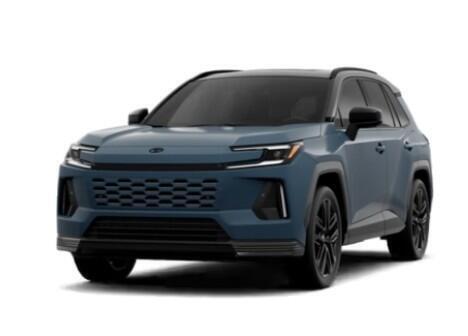
Choosing between the Toyota RAV4 or Corolla Cross in New Zealand sounds simple until we start comparing what each SUV actually offers. Both wear the Toyota badge, both are available with efficient hybrid power, and both promise the reassuring ownership experience for which the brand is known.
Yet they are not twins wearing different jackets.
The Corolla Cross is the smaller, more city-friendly option. It blends Corolla-like efficiency with the upright driving position and flexibility of a compact SUV. The RAV4 is larger, stronger and better prepared for family holidays, towing duties and long journeys across New Zealand.
So, which one makes more sense?
For many buyers, the Corolla Cross will provide everything they genuinely need while costing less and occupying less space. For growing families, frequent travellers and anyone who carries bulky equipment, the RAV4 may justify its higher price through greater practicality and capability.
Let us unpack the differences without turning this into a brochure recital.
- Toyota RAV4 vs Corolla Cross: The Quick Verdict
- Where Do the RAV4 and Corolla Cross Fit in Toyota’s Range?
- Exterior Size and Road Presence
- Interior Space and Passenger Comfort
- Boot Space and Everyday Practicality
- Hybrid Engines and Performance
- Fuel Economy and Running Costs
- Front-Wheel Drive or All-Wheel Drive?
- Towing Capacity: A Clear RAV4 Victory
- Ride Comfort and Handling
- Technology and Infotainment
- Safety for New Zealand Families
- Ownership, Servicing and Warranty
- Toyota Corolla Cross Price and Value
- Who Should Buy the Corolla Cross?
- Who Should Buy the RAV4?
- Toyota RAV4 or Corolla Cross for New Zealand Roads?
- The Best Choice for Different Buyers
- Mistakes to Avoid Before Buying
- Final Verdict: Toyota RAV4 or Corolla Cross New Zealand?
- Frequently Asked Questions
Toyota RAV4 vs Corolla Cross: The Quick Verdict
The easiest way to separate these two SUVs is to think about where and how we drive.
Choose the Toyota Corolla Cross when we want:
- A compact SUV that is easy to park
- Strong hybrid efficiency
- A lower purchase price
- Comfortable everyday transport
- Enough space for a small family
- A vehicle mainly used around town
- A Toyota SUV that does not feel oversized
Choose the Toyota RAV4 when we need:
- More passenger and luggage room
- Greater towing capacity
- Better long-distance versatility
- More confidence on gravel or wet roads
- A wider choice of hybrid and plug-in hybrid variants
- A family SUV for holidays and outdoor activities
- More performance and capability
In simple terms, the Corolla Cross is the sensible urban all-rounder. The RAV4 is the more complete family and adventure vehicle.
Where Do the RAV4 and Corolla Cross Fit in Toyota’s Range?
The Corolla Cross sits between Toyota’s smaller crossovers and the RAV4. It takes the familiar Corolla formula—efficiency, usability and easy ownership—and stretches it into a taller, more practical shape.
Toyota introduced the Corolla Cross to New Zealand as a compact SUV capable of handling weekday commuting and weekend family duties. The updated range uses a 2.0-litre petrol-hybrid system, while selected variants offer Toyota’s E-Four all-wheel-drive technology.
The RAV4 occupies the next step up. It is a mid-size SUV designed for buyers who want more cabin space, more towing ability and a broader selection of drivetrains.
The latest New Zealand RAV4 generation includes conventional self-charging hybrids and plug-in hybrids, with front-wheel-drive and all-wheel-drive configurations available across the broader line-up. Toyota has also introduced new connected services and expanded active safety technology.
Is the Corolla Cross Just a Smaller RAV4?
Not exactly.
They follow a similar Toyota philosophy, but the Corolla Cross feels lighter, tidier and more urban. The RAV4 feels broader, more substantial and more prepared for difficult jobs.
Imagine choosing between a well-organised daypack and a full hiking backpack. The daypack is easier to carry and perfect most of the time. The hiking pack becomes invaluable when the journey gets longer and the load gets heavier.
That is essentially the Corolla Cross and RAV4 relationship.
Exterior Size and Road Presence
Size is one of the biggest reasons to choose one over the other.
The Corolla Cross is a compact SUV. Its smaller footprint makes it easier to guide through Auckland traffic, manoeuvre into supermarket car parks or fit into a narrow garage.
It still provides the elevated seating position many SUV buyers enjoy, but it does not feel like we are piloting a small ship through the city.
The RAV4 is noticeably larger. That extra metal brings benefits, including a more generous cabin, a larger luggage area and greater stability on open roads. However, it also requires more parking space and may feel bulkier in crowded urban areas.
Which Is Easier to Park?
The Corolla Cross wins.
Its shorter, narrower body is easier to position, particularly in older car parks with tight bays. Parking sensors, cameras and driver-assistance features can help in either vehicle, but technology does not change physical size.
For someone living in central Wellington, inner Auckland or a home with a narrow driveway, the Corolla Cross may remove a small daily frustration.
That matters more than it sounds. A car that feels effortless every morning often becomes more satisfying than one whose extra size is only useful twice a year.
Which Has More Presence?
The RAV4 looks and feels more substantial.
Its broader stance gives it the visual confidence many buyers expect from a family SUV. Adventure-oriented and GR SPORT variants push that character further with bolder styling and more distinctive trim.
The Corolla Cross is cleaner and less imposing. The updated design introduced refreshed bumpers, grille treatments and new equipment, while the GR SPORT version adds larger wheels, black exterior details and sportier visual touches.
Interior Space and Passenger Comfort
This is where the RAV4 begins earning its higher position in the Toyota range.
Both models seat five people, but the RAV4 gives those occupants more breathing room. Adults in the rear are likely to appreciate the greater space on longer journeys, particularly when front-seat occupants are tall.
The Corolla Cross can comfortably serve couples, individuals and families with younger children. Its cabin is practical, and its elevated roofline makes entry easier than in a conventional hatchback.
However, placing three adults across the rear bench will feel more natural in the RAV4.
Front-Seat Experience
Both vehicles offer a commanding driving position without forcing us to climb into the cabin.
The Corolla Cross feels more car-like. The controls are straightforward, visibility is generally friendly, and the cabin does not surround the driver with unnecessary complexity.
The RAV4 has a stronger SUV character. Its wider dashboard and larger cabin create a greater sense of separation between driver and passenger. On longer journeys, that extra room can make the vehicle feel calmer and less crowded.
Which Is Better for Taller Drivers?
The RAV4 is usually the safer choice for particularly tall drivers or families with several tall occupants.
The Corolla Cross still offers good usability, but buyers should test the driving position with the rear seat occupied. A comfortable front-seat setting may reduce rear legroom more noticeably than it would in the larger RAV4.
Boot Space and Everyday Practicality
Boot space can decide this comparison before the test drive even begins.
The Corolla Cross has enough cargo room for groceries, school bags, a folded pushchair or luggage for a short trip. It is practical by compact-SUV standards and significantly more versatile than a traditional small hatchback.
This content may interest you! Toyota RAV4 or Nissan Rogue New Zealand: Which SUV Should We Buy?
The RAV4 goes further. Its larger cargo area is better suited to family holidays, camping equipment, sports gear, large pets or repeated airport trips.
Corolla Cross Practicality
The Corolla Cross works well for:
- Weekly grocery runs
- One compact pushchair
- Work bags and laptop cases
- A couple’s weekend luggage
- School bags and sports kits
- Smaller pets
- Occasional flat-pack furniture
Its advantage is that we get useful cargo capacity without driving a large vehicle every day.
RAV4 Practicality
The RAV4 is more appropriate for:
- Large pushchairs and baby equipment
- Camping gear
- Bicycles with suitable racks
- Large dogs
- Several suitcases
- Outdoor sports equipment
- Long family road trips
- Regular hardware-store visits
If we routinely fold the rear seats or pack the boot to the roof, the RAV4’s extra room will not feel excessive. It will feel necessary.
The Real Boot Test
Specifications can be useful, but real objects tell the truth.
Take the pushchair, chilly bin, golf clubs or largest suitcase to the dealership. Load them into both vehicles. A five-minute experiment may reveal more than an hour spent comparing figures online.
Hybrid Engines and Performance
Both vehicles use Toyota hybrid technology, but their powertrains have different personalities.
The current Corolla Cross range is built around a 2.0-litre petrol-hybrid system producing up to 146kW of total system output. Toyota lists a towing capacity of up to 750kg for the model.
The RAV4 Hybrid uses a larger 2.5-litre petrol-hybrid system. The GX Hybrid, for example, produces 143kW of total system output, while other RAV4 configurations add all-wheel drive or plug-in hybrid performance.
Numbers alone do not tell the full story. The Corolla Cross may have a competitive headline output, but it is tuned as a lighter compact SUV. The RAV4’s larger engine and broader platform make it better suited to heavier loads and sustained open-road travel.
How Does the Corolla Cross Feel to Drive?
The Corolla Cross feels responsive enough for everyday life.
Electric assistance helps it move away smoothly in traffic, while the petrol engine joins when more acceleration is required. Around town, the hybrid system is in its natural habitat. It quietly shuffles between electrical assistance, petrol power and regenerative braking.
It is not a sports SUV, although the GR SPORT variant brings handling-focused suspension and steering changes. Toyota gives that model E-Four all-wheel drive and a double-wishbone rear suspension for greater grip and responsiveness.
How Does the RAV4 Feel to Drive?
The RAV4 feels more substantial and planted.
Its extra size is apparent, but so is its ability to cover distance comfortably. The 2.5-litre hybrid system is suited to motorway driving, hilly routes and journeys with passengers and luggage aboard.
The RAV4 Plug-in Hybrid sits in another performance category. Depending on the variant, the New Zealand PHEV range offers up to 227kW of total system output and up to 1,500kg of braked towing capacity.
That gives the RAV4 a level of flexibility the Corolla Cross cannot match.
Fuel Economy and Running Costs
The Corolla Cross should appeal strongly to buyers prioritising everyday efficiency.
It is lighter, smaller and powered by a 2.0-litre hybrid system. In stop-start traffic, the electric motor can reduce the amount of work required from the petrol engine. The result is an SUV well suited to commuting, school runs and short urban journeys.
The RAV4 Hybrid can also be impressively economical for its size. However, it has more vehicle to move, and actual fuel consumption will depend on drivetrain, wheel size, road conditions and driving habits.
Which Hybrid Is Cheaper to Run?
For similar urban use, the Corolla Cross is likely to be the cheaper overall proposition because it generally combines:
- A lower purchase price
- Smaller dimensions
- Potentially lower fuel use
- Less expensive tyres on some variants
- Lower insurance exposure in some cases
- Fewer reasons to pay for unused capability
However, the cheapest vehicle is not always the one with the smallest fuel bill.
Suppose the Corolla Cross is frequently overloaded, cannot tow what we need or forces us to install additional cargo solutions. In that case, the RAV4 may provide better value despite costing more.
Does the RAV4 PHEV Save More Fuel?
It can, but only when it is charged regularly.
A plug-in hybrid makes the most sense when we can charge at home or work and complete many routine journeys using electrical energy. For longer trips, the petrol-hybrid system removes the need to rely entirely on public charging.
Toyota describes the RAV4 PHEV as a bridge between hybrid and electric ownership, allowing shorter daily travel on electric power while retaining petrol assistance for longer distances.
Without regular charging, we carry the additional cost and weight of the plug-in system without receiving its full benefit.
Front-Wheel Drive or All-Wheel Drive?
Both model ranges cater to buyers who want more traction, but the RAV4 provides the broader capability story.
Front-wheel drive is enough for most New Zealand motorists. It is typically lighter, simpler and efficient. For commuting, motorway travel and ordinary sealed roads, we should not assume that all-wheel drive is essential.
E-Four all-wheel drive uses an electric motor to assist the rear axle when extra traction is needed. It can add confidence when accelerating on wet surfaces, gravel roads or slippery inclines.
When Is Corolla Cross AWD Enough?
A Corolla Cross E-Four model is appropriate when we want:
- Additional wet-road confidence
- Better traction on maintained gravel
- A compact SUV for occasional rural travel
- More secure acceleration on slippery surfaces
- AWD without moving into a larger vehicle
It is not intended to become a serious off-roader. Ground clearance, tyres and driver judgement still matter.
When Does the RAV4 Make More Sense?
The RAV4 is the better match for drivers who regularly encounter:
- Gravel access roads
- Ski-field journeys
- Rural properties
- Steep driveways
- Heavy rain
- Camping destinations
- Larger loads
- Towing requirements
All-wheel drive does not make any SUV invincible, but the RAV4’s broader platform, towing ability and adventure-focused variants make it the more capable choice.
Towing Capacity: A Clear RAV4 Victory
Towing creates one of the sharpest divisions between these vehicles.
Toyota lists the Corolla Cross with up to 750kg of towing capacity. That may be sufficient for a small trailer or modest load, depending on the exact configuration and whether the trailer is braked.
Selected RAV4 models can tow considerably more. Toyota lists up to 1,500kg of braked towing capacity for relevant hybrid and plug-in hybrid variants.
What Can the Corolla Cross Tow?
The Corolla Cross may suit:
- A light garden trailer
- Small loads for household projects
- Modest recreational equipment
- Occasional low-weight towing
It is not the obvious choice for a large caravan or heavy trailer.
This content may interest you! Ford Ranger Models New Zealand: Complete 2026 Buyer’s Guide
What Can the RAV4 Tow?
Depending on the exact model and legal limits, the RAV4 may be more suitable for:
- Heavier utility trailers
- Small boats
- Compact caravans
- Larger recreational equipment
- Frequent towing
Always check the specific vehicle’s rated capacity, towbar limits, trailer brakes and payload before towing. The maximum figure should not be treated as permission to ignore weight distribution or road conditions.
Ride Comfort and Handling
The Corolla Cross feels agile and easy to place. Its compact dimensions help on narrow streets and winding roads, while its steering should feel familiar to drivers moving from a hatchback or sedan.
The RAV4 delivers a more mature long-distance experience. Its wider stance and larger body can feel calmer on open roads, particularly with luggage aboard.
Which Is Better in the City?
The Corolla Cross.
It requires less space, feels easier to thread through traffic and reduces the mental arithmetic involved in tight parking situations.
Its hybrid system also suits stop-start driving, where low-speed electric assistance can make progress feel smooth and relaxed.
Which Is Better on the Open Road?
The RAV4.
The Corolla Cross can handle motorway and intercity journeys without difficulty, but the RAV4 provides more space, load-carrying confidence and long-distance composure.
When the route stretches from Auckland to Wellington or crosses the South Island with luggage stacked behind us, the RAV4’s larger body begins to feel like an advantage rather than a burden.
Technology and Infotainment
Equipment varies by grade, so we should compare specific variants rather than assuming every Corolla Cross or RAV4 receives identical technology.
Depending on the model, available features may include:
- Digital instrument displays
- Smartphone integration
- Wireless phone charging
- Heated seats
- Ventilated front seats
- Surround-view or reversing cameras
- Parking sensors
- Power tailgates
- Rain-sensing wipers
- Dual-zone climate control
The updated Corolla Cross brought additional equipment to several grades. Toyota highlighted upgrades such as parking support braking and additional sensors for the GX, wireless charging and heated seats for the GXL, and a larger digital meter plus power tailgate for the Limited.
The latest RAV4 goes further with Toyota Connected Services. Through the myToyota app, supported functions can include vehicle-status information, remote controls, emergency support and security-related services.
That depends heavily on grade.
A high-spec Corolla Cross may feel more luxurious than an entry-level RAV4. Leather-accented materials, heated seats, larger displays and premium convenience features can change the experience dramatically.
We should therefore compare vehicles at a similar price, not simply compare model names.
A Corolla Cross Limited or GR SPORT may compete against a lower-grade RAV4. The decision then becomes technology and trim versus size and capability.
Safety for New Zealand Families
Both vehicles are equipped with Toyota’s active safety technology, although included features can vary by grade and model year.
The latest RAV4 introduces an expanded Toyota Safety Sense package. Toyota lists features such as an Emergency Driving Stop System, enhanced acceleration control, front cross-traffic alert, Proactive Driving Assist and upgrades to several collision-avoidance systems.
The Corolla Cross update also added driver-assistance and parking-system improvements across parts of the range.
Safety Features Worth Checking
Before ordering either SUV, verify whether the exact variant includes:
- Autonomous emergency braking
- Pedestrian and cyclist detection
- Lane-departure warning
- Lane-keeping assistance
- Adaptive cruise control
- Blind-spot monitoring
- Rear cross-traffic alert
- Front and rear parking sensors
- Driver monitoring
- A surround-view camera
Safety ratings and specifications may change by production date, so buyers should consult the current Rightcar listing and Toyota New Zealand specification sheet for the exact vehicle.
Ownership, Servicing and Warranty
One advantage of comparing two Toyotas is that the ownership package is broadly similar.
Toyota New Zealand’s Service Advantage programme can provide capped-price servicing, warranty extension, roadside assistance and Warrant of Fitness coverage for up to five years, subject to mileage, servicing and eligibility conditions.
Toyota states that servicing is generally required every 12 months or 15,000km, although some models may have different requirements. Maintaining the authorised service schedule is also important for extended warranty and roadside-assistance coverage.
Which Should Hold Its Value Better?
Both are likely to attract used buyers because they combine Toyota branding, hybrid technology and SUV practicality.
The RAV4 has a long-established name and broad family appeal. Its larger size may support strong demand among buyers looking for one vehicle to handle almost everything.
The Corolla Cross also has an appealing used-market formula: efficient, compact, modern and easier to afford.
Resale will depend on:
- Mileage
- Condition
- Service history
- Specification
- Colour
- Accident history
- Hybrid battery condition
- Market demand
- Whether the vehicle is New Zealand-new
A clean service record may matter more than choosing one badge over the other.
Toyota Corolla Cross Price and Value
The Corolla Cross occupies the more affordable side of this comparison.
At the time of writing, Toyota New Zealand lists the Corolla Cross GX Hybrid from $44,990, the GXL Hybrid from $47,990 and the GXL E-Four AWD from $50,990. The GR SPORT E-Four AWD is listed at $54,990. Prices, promotions and availability can change, so buyers should confirm the current Toyota Driveaway Price before ordering.
The Corolla Cross makes a strong case when we want modern hybrid technology without paying for the RAV4’s additional size and capability.
When Is a High-Spec Corolla Cross Better Than a Basic RAV4?
A high-grade Corolla Cross may be the better purchase when we value:
- Premium interior equipment
- Smaller exterior dimensions
- Easier parking
- Urban fuel efficiency
- Heated or ventilated seats
- Digital displays
- AWD for occasional slippery conditions
A basic RAV4 may still offer more physical space, but the Corolla Cross may feel better equipped and easier to live with.
That is why the test drive matters. Value is not merely the amount of sheet metal received per dollar.
Who Should Buy the Corolla Cross?
The Toyota Corolla Cross suits buyers who want a comfortable middle ground between a hatchback and a full-size family SUV.
It is especially attractive for:
- Couples
- Retirees
- Small families
- City commuters
- First-time SUV buyers
- Drivers downsizing from a larger vehicle
- Buyers who rarely tow
- Anyone with a tight garage
- Motorists prioritising hybrid efficiency
The Corolla Cross does not try to be a miniature off-road truck. It is an everyday vehicle shaped around the tasks most people perform most often.
This content may interest you!Ford Ranger Weight KG: Kerb Weight, Payload and GVM ExplainedThat honesty is part of its appeal.
Who Should Buy the RAV4?
The Toyota RAV4 is better for drivers whose lifestyles regularly stretch beyond ordinary commuting.
It suits:
- Growing families
- Rural drivers
- Frequent road-trippers
- Dog owners needing more cargo room
- Campers and outdoor enthusiasts
- Buyers carrying sports equipment
- Drivers needing stronger towing capability
- Households wanting a plug-in hybrid
- Anyone planning to keep the SUV through changing family needs
The RAV4 costs more because it can do more. The question is whether we will use that capability.
Buying the larger vehicle simply because it exists is like purchasing a six-bedroom house for two people. Comfortable? Certainly. Efficient? Not always.
Toyota RAV4 or Corolla Cross for New Zealand Roads?
New Zealand places unusual demands on vehicles.
A single week may include dense urban traffic, steep residential roads, motorway travel, coarse chip-seal, heavy rain and a gravel road leading to a bach.
The Corolla Cross handles the urban and suburban part of that equation beautifully. It can also travel around the country without drama, particularly when lightly loaded.
The RAV4 becomes preferable when those longer journeys are frequent, the road surface is rougher or the vehicle regularly carries passengers and equipment.
North Island Buyers
For Auckland and Wellington commuters, the Corolla Cross may be the sweet spot. It is easier to park and large enough for normal family use.
For rural Waikato, Bay of Plenty or central North Island travel, a RAV4—particularly an AWD model—may offer greater flexibility.
South Island Buyers
Drivers frequently travelling through alpine regions or using gravel access roads may appreciate E-Four AWD in either model.
However, the RAV4’s larger body, towing capability and adventure-oriented range give it the stronger case for ski trips, camping and extended touring.
Winter tyres and sensible driving remain more important than the badge on the tailgate.
The Best Choice for Different Buyers
Best for Urban Commuting: Corolla Cross
It is compact, efficient and easy to manoeuvre.
Best for a Growing Family: RAV4
Extra rear-seat and boot space provide more room for children, luggage and changing needs.
Best for Fuel-Conscious City Drivers: Corolla Cross
Its smaller body and hybrid powertrain make it naturally suited to frequent urban use.
Best for Towing: RAV4
Selected variants offer substantially greater towing capacity.
A higher-grade Corolla Cross may provide more luxury equipment than a similarly priced entry RAV4.
Best for Long Road Trips: RAV4
The larger cabin, cargo space and more substantial road manners make it easier to recommend.
Best for Drivers Who Can Charge at Home: RAV4 PHEV
Regular charging can unlock quiet electric commuting while retaining hybrid flexibility for longer journeys.
Mistakes to Avoid Before Buying
Choosing by Exterior Appearance Alone
A vehicle may look perfect but fail the pushchair, dog-crate or garage test.
Assuming AWD Is Always Necessary
Front-wheel drive is adequate for many buyers and may cost less to purchase and operate.
Ignoring Tyre Replacement Costs
Large wheels can look excellent but may make replacement tyres more expensive and reduce ride comfort.
Comparing Different Trim Levels Unfairly
A premium Corolla Cross and an entry-level RAV4 target different priorities. Compare equipment, not merely model names.
Buying Too Much Vehicle
The RAV4’s extra room is valuable only when we use it.
Buying Too Little Vehicle
A Corolla Cross that feels spacious during a solo test drive may become tight with three passengers, luggage and a pushchair.
Final Verdict: Toyota RAV4 or Corolla Cross New Zealand?
The Toyota Corolla Cross is the smarter choice for many New Zealand buyers.
It offers hybrid efficiency, useful interior space, modern safety technology and the elevated driving position people want from an SUV. It is easier to park, generally more affordable and large enough for ordinary family life.
The Toyota RAV4 is the better all-round vehicle when practicality and capability matter more than compactness.
It provides greater passenger and luggage room, stronger towing ability, more drivetrain choice and a more convincing platform for long journeys, outdoor activities and growing families.
Our recommendation is simple:
Buy the Corolla Cross when most journeys happen in towns and cities, towing is not important and the smaller vehicle already satisfies our space requirements.
Buy the RAV4 when we travel frequently, carry bulky gear, need greater towing capacity or expect our space requirements to increase.
Neither choice is wrong. The mistake would be paying for unused capability—or discovering six months later that the SUV we chose is one suitcase too small.
Frequently Asked Questions
1. Is the Toyota Corolla Cross cheaper than the RAV4 in New Zealand?
Generally, yes. The Corolla Cross occupies a lower position in Toyota’s SUV range and typically has a lower starting price. Exact prices vary by variant, promotion and availability.
2. Is the Corolla Cross big enough for a family of four?
Yes, particularly for a family with younger children and moderate luggage requirements. Families carrying a large pushchair, sports equipment or extensive holiday luggage may find the RAV4 more convenient.
3. Which is more fuel-efficient, the RAV4 or Corolla Cross?
The Corolla Cross will often have an advantage in everyday urban use because it is smaller and lighter. However, actual consumption depends on driving style, route, drivetrain and vehicle load.
4. Can the Toyota Corolla Cross tow a caravan?
Toyota lists towing capacity of up to 750kg for the Corolla Cross, so it may only suit a very small and lightweight caravan. The RAV4 is the better towing choice, with selected variants rated for up to 1,500kg braked.
5. Is the RAV4 worth the extra money over the Corolla Cross?
It is worth paying more when we need additional cargo room, rear-seat space, towing capability or long-distance flexibility. For mainly urban driving, the Corolla Cross may offer better value.
This content may interest you!Toyota RAV4 vs Honda CR-V New Zealand: Which SUV Is Better?
Leave a Reply