
Toyota RAV4 vs Hyundai Tucson New Zealand: Which SUV Is the Better Buy?
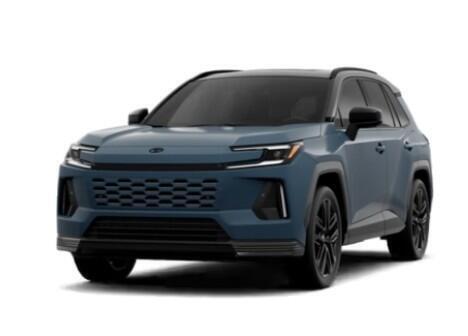
Choosing between the Toyota RAV4 and Hyundai Tucson in New Zealand is like choosing between two excellent hiking boots. One has built its reputation over decades and feels reassuringly familiar. The other arrives with sharper styling, a more luxurious cabin, and technology that makes everyday driving feel surprisingly special.
Both are five-seat medium SUVs designed for Kiwi families. Both offer hybrid powertrains, front-wheel-drive and all-wheel-drive options, generous passenger space, and extensive driver-assistance technology. Yet they approach the same job from slightly different directions.
The Toyota RAV4 places efficiency, proven hybrid engineering, resale confidence, and broad model choice at the centre of its appeal. The Hyundai Tucson counters with an upscale interior, punchy turbo-hybrid performance, excellent rear-seat accommodation, and a long list of comfort features.
So, which one deserves a place in your driveway?
In this Toyota RAV4 vs Hyundai Tucson New Zealand comparison, we will examine pricing, performance, fuel economy, dimensions, interior quality, boot space, safety, towing, technology, warranty coverage, and real-world suitability. More importantly, we will explain which SUV makes the most sense for different types of New Zealand buyers.
- Toyota RAV4 vs Hyundai Tucson New Zealand at a Glance
- New Zealand Pricing and Model Range
- Engine and Hybrid Performance
- RAV4 Plug-in Hybrid: A Major Toyota Advantage
- Fuel Economy and Everyday Running Costs
- Driving Experience on New Zealand Roads
- Front-Wheel Drive or All-Wheel Drive?
- Exterior Design: Rugged Toyota or Futuristic Hyundai?
- Interior Quality and Cabin Design
- Passenger Space and Family Practicality
- Boot Space and Cargo Flexibility
- Infotainment and Connectivity
- Safety and Driver-Assistance Technology
- Towing Capacity and Outdoor Use
- Reliability and Long-Term Ownership
- Resale Value
- Toyota RAV4 Pros and Cons
- Hyundai Tucson Pros and Cons
- Which SUV Should You Buy?
- Our Final Verdict
- Frequently Asked Questions
Toyota RAV4 vs Hyundai Tucson New Zealand at a Glance
Before diving into the smaller details, here is the basic personality of each SUV.
| Category | Toyota RAV4 | Hyundai Tucson |
|---|---|---|
| Main character | Efficient, practical and dependable | Refined, spacious and technology-rich |
| Powertrain focus | 2.5-litre hybrid and plug-in hybrid | 1.6-litre turbo hybrid |
| Drive choices | FWD and AWD, depending on grade | FWD and HTRAC AWD, depending on grade |
| Best quality | Hybrid efficiency and ownership confidence | Interior presentation and comfort |
| Driving personality | Smooth, predictable and relaxed | Stronger low-speed response and quieter refinement |
| Ideal buyer | Long-term owner, commuter or active family | Family wanting premium features without a luxury badge |
The current new-generation RAV4 range in New Zealand includes conventional hybrid and plug-in-hybrid powertrains, with front-wheel-drive and all-wheel-drive configurations spread across several grades. Toyota also divides the range into Core, Adventure and GR Sport design themes.
The Tucson Series II takes a more streamlined approach. Its New Zealand range centres on a 1.6-litre turbocharged hybrid system, with HTRAC all-wheel drive offered on selected variants.
New Zealand Pricing and Model Range
Pricing is often where the decision begins, although it should not be where it ends.
The Tucson Series II was introduced in New Zealand with a starting price of $54,990 plus on-road costs. Actual retail prices, incentives and finance offers can change, so buyers should confirm the latest drive-away figure directly with a Hyundai dealer.
Toyota offers a broader RAV4 range. Depending on the model selected, buyers can choose from GX, GXL, Limited, Adventure, XSE and GR Sport versions, although not every trim is available with every powertrain or drivetrain.
Toyota’s range includes:
- GX Hybrid in front-wheel drive or all-wheel drive
- GXL Hybrid in front-wheel drive or all-wheel drive
- GXL Plug-in Hybrid
- Limited Hybrid AWD
- Adventure Hybrid AWD
- XSE Plug-in Hybrid AWD
- GR Sport Plug-in Hybrid AWD
That variety is a major Toyota advantage. The RAV4 can be configured as a sensible fleet vehicle, a comfortable family SUV, a rugged-looking weekend companion or a powerful plug-in hybrid.
Which SUV Offers Better Value?
The answer depends on how we define value.
The Tucson often provides more visible equipment for the money. Its cabin screens, interior design, premium convenience features and general presentation can make it feel like the more expensive vehicle.
The RAV4’s value is less theatrical. It comes from efficient hybrid operation, broad dealer familiarity, likely resale appeal and the ability to choose precisely the drivetrain and grade that suit your needs.
In simple terms:
- Choose the Tucson when cabin quality and equipment matter most.
- Choose the RAV4 when long-term efficiency and model choice carry more weight.
- Compare complete drive-away prices rather than advertised starting prices.
- Check whether accessories, servicing plans and warranty extensions are included.
A slightly cheaper vehicle is not necessarily the better deal. A car that uses less fuel, holds its value more strongly or better fits your family could save far more over five years.
Engine and Hybrid Performance
This is where the two SUVs reveal their different engineering philosophies.
Toyota RAV4 Hybrid Powertrain
The regular RAV4 Hybrid uses a 2.5-litre petrol engine paired with Toyota’s fifth-generation hybrid system and a lithium-ion battery. New Zealand hybrid grades produce a total system output of 143kW.
Front-wheel-drive versions use an electronic continuously variable transmission, commonly called an e-CVT. AWD models add an electric motor at the rear axle, creating Toyota’s E-Four all-wheel-drive system without a traditional mechanical driveshaft.
The result is wonderfully uncomplicated from the driver’s seat. We press the accelerator, and the petrol and electric components decide how to share the workload.
Around town, the RAV4 frequently moves away using electric assistance. At motorway speeds, the petrol engine takes a larger role. When additional traction is needed, AWD versions can send electric power to the rear wheels.
The RAV4 is not designed to feel aggressive. It accelerates confidently, but its main trick is making complex hybrid technology feel almost invisible.
Hyundai Tucson Hybrid Powertrain
The Tucson Series II uses a smaller 1.6-litre turbocharged petrol engine combined with an electric motor and hybrid battery.
Where Toyota relies on a larger naturally aspirated engine and e-CVT, Hyundai uses turbocharging and a conventional automatic transmission. This gives the Tucson a different sensation under acceleration.
It feels more like a traditional petrol SUV. Engine speed rises and falls through recognisable gears, while the turbocharger provides a muscular surge at lower revs.
For drivers moving from a conventional petrol or diesel vehicle, the Tucson may feel more familiar. It tends to respond eagerly when joining a motorway, overtaking or climbing a steep road with passengers aboard.
Hyundai says the Series II hybrid powertrain is standard across the updated Tucson range, while HTRAC AWD is available on selected variants.
Which One Feels Faster?
The Tucson often feels punchier because its turbocharged torque and stepped automatic gearbox create a stronger sense of acceleration.
The RAV4 responds smoothly but can sound busier when the accelerator is pressed hard. Its e-CVT may hold the engine at a constant high speed while the vehicle gains momentum. That behaviour is normal, but drivers accustomed to traditional gear changes may need time to adjust.
For calm daily driving, the RAV4 is beautifully easy. For drivers who enjoy a more conventional and energetic response, the Tucson is likely to feel more satisfying.
Performance Verdict
The Tucson wins for perceived urgency and traditional driving character.
The RAV4 wins for seamless hybrid operation and low-effort efficiency.
RAV4 Plug-in Hybrid: A Major Toyota Advantage
The regular Tucson range in New Zealand focuses on conventional hybrid technology. Toyota goes one step further by offering plug-in-hybrid RAV4 variants.
A plug-in hybrid can travel using externally charged battery power before operating as a regular petrol-electric hybrid once the usable charge has been depleted. Toyota explains that the RAV4 PHEV can be charged at home, at work or through compatible public charging facilities. If it is not plugged in, it can still operate as a hybrid.
The GXL RAV4 PHEV produces 201kW, while the flagship GR Sport PHEV combines a 22.7kWh battery with powerful front and rear electric motors for a total system output of 227kW.
That makes the plug-in RAV4 much more than an economy special. It can be both the most efficient option for short daily journeys and the most powerful vehicle in this comparison.
However, a PHEV only makes sense when it is charged regularly. Buying one and rarely plugging it in means carrying the cost and weight of a larger battery without receiving the full benefit.
Who Should Consider the RAV4 PHEV?
The plug-in RAV4 could be ideal when:
- You can charge at home overnight.
- Most weekday trips are relatively short.
- You still want petrol flexibility for long-distance travel.
- You want stronger performance than a normal hybrid provides.
- You are willing to pay more upfront for greater electric capability.
For apartment residents without dependable charging, a standard hybrid will usually be simpler.
Fuel Economy and Everyday Running Costs
Official fuel-consumption figures are useful, but actual results depend on speed, weather, road gradient, tyre pressure, vehicle load and driving style.
New Zealand conditions can be particularly varied. A vehicle that performs brilliantly in central Auckland traffic may use noticeably more fuel while climbing through hilly rural terrain or travelling at open-road speeds.
Why the RAV4 Is So Efficient
Toyota has been refining mass-produced hybrid systems for decades. The RAV4 benefits from that experience.
Its electric motor does much of the initial work when moving away from intersections, where petrol engines are often least efficient. Regenerative braking then recovers some energy while slowing down.
This system works especially well in:
- Stop-start urban traffic
- Suburban commuting
- School-run driving
- Moderate-speed regional travel
- Routes with frequent braking and acceleration
The RAV4 Hybrid generally rewards smooth driving. Accelerate gently, look far ahead and avoid unnecessary braking, and its fuel consumption can be impressively low for a medium SUV.
How Efficient Is the Tucson Hybrid?
The Tucson’s hybrid system also performs strongly in urban and mixed driving. It can shut down the petrol engine during light-load situations and use electric assistance to reduce fuel demand.
However, turbocharged engines can become thirstier when frequently pushed hard. A driver who enjoys the Tucson’s energetic acceleration may see higher consumption than someone who treats the accelerator gently.
The difference between the two vehicles may be small during normal ownership, but the RAV4 is the safer choice when maximum petrol efficiency is the priority.
Fuel-Economy Verdict
We give the advantage to the RAV4 Hybrid.
The Tucson is still economical, but Toyota’s powertrain feels particularly optimised for drivers who simply want to fill the tank, drive normally and use less petrol without changing their routine.
Driving Experience on New Zealand Roads
New Zealand roads expose strengths and weaknesses that may not appear during a short urban test drive.
There are narrow rural lanes, broken surfaces, steep hills, wet corners, coarse-chip motorways and long stretches where overtaking requires confidence.
This content may interest you! Toyota RAV4 vs Kia Sportage New Zealand: Which Hybrid SUV Is Better?
Toyota RAV4 Ride and Handling
The RAV4 feels predictable. Steering is light enough for city parking but stable on faster roads. Body movement is controlled, visibility is good, and the vehicle rarely surprises the driver.
It is not a sports SUV in conventional hybrid form. Push it hard through a sequence of corners, and it reminds us that comfort, efficiency and practicality are higher priorities.
That is not necessarily criticism. Family SUVs should feel secure and forgiving. The RAV4 behaves like a calm travelling companion rather than an excitable puppy pulling at the lead.
The Adventure version adds rugged styling and light off-road-oriented features, while the GR Sport receives a wider track, revised suspension, steering changes and other dynamic upgrades intended to improve on-road agility.
Hyundai Tucson Ride and Handling
The Tucson feels more polished and substantial from behind the wheel. Its cabin is well isolated, and the suspension generally absorbs everyday imperfections with a mature softness.
Its steering is not overflowing with road feedback, but it is accurate and reassuring. The turbo-hybrid system also makes uphill acceleration and short overtaking opportunities feel less stressful.
Larger wheels fitted to premium versions may reduce ride comfort on rough surfaces. This applies to both models. Big alloy wheels look dramatic in a showroom, but their lower-profile tyres can transmit more sharp impacts into the cabin.
Which Is Better for Long Trips?
The Tucson has a slight advantage in quietness and cabin ambience. Over several hours, its seats, technology and refined presentation help it feel like a vehicle from a more expensive category.
The RAV4 remains an excellent long-distance SUV, particularly when fuel economy and straightforward controls matter more than visual luxury.
For regular motorway driving between major cities, we would lean toward the Tucson. For mixed driving that includes congested urban areas, rural roads and weekend adventures, the RAV4 is difficult to beat.
Front-Wheel Drive or All-Wheel Drive?
Many New Zealand buyers automatically assume they need AWD. In reality, front-wheel drive is perfectly suitable for a large number of households.
A front-wheel-drive SUV normally costs less, weighs less and may use slightly less fuel. Modern stability control and quality tyres also provide far more security than many drivers realise.
AWD becomes more attractive when:
- You regularly travel on wet grass or gravel.
- You visit ski fields during winter.
- You tow on slippery boat ramps.
- You live at the end of a steep or unsealed road.
- You frequently drive through regions with unpredictable conditions.
Neither the RAV4 nor Tucson is a heavy-duty off-roader. AWD improves traction, but it does not magically provide the ground clearance, low-range gearing or underbody protection of a purpose-built four-wheel drive.
Toyota’s E-Four system uses a rear electric motor to assist traction when accelerating or cornering. Hyundai’s HTRAC system is offered on selected Tucson variants and gives the SUV additional confidence on loose or slippery surfaces.
Exterior Design: Rugged Toyota or Futuristic Hyundai?
Styling is subjective, but these SUVs clearly speak different visual languages.
Toyota RAV4 Styling
The RAV4 looks solid, angular and outdoorsy. Squared wheel arches, a raised stance and strong body lines give it a rugged personality.
Toyota now offers three distinct RAV4 design themes:
- Core: clean and practical
- Adventure: tougher and more outdoors-focused
- GR Sport: athletic and road-oriented
The Adventure stands out with unique roof rails, reinforced wheel-arch styling and a more rugged front-end treatment. The GR Sport moves in the opposite direction, using sporty bumpers, larger wheels, a wider stance and performance-inspired details.
Hyundai Tucson Styling
The Tucson takes more risks.
Its grille, lighting signature and sharp side creases make it look like a concept car that escaped from an auto show. The design remains distinctive even several years after the current generation first appeared.
The Series II update introduced a revised grille, redesigned LED headlights and interior changes that make the vehicle look cleaner and more modern.
The N Line Limited adds larger wheels, unique exterior details and sport-inspired styling.
Design Verdict
The RAV4 looks tougher and may age more conservatively.
The Tucson looks more sophisticated and visually adventurous.
Neither is objectively better. One wears hiking gear; the other wears a tailored jacket.
Interior Quality and Cabin Design
Cabin presentation is one of the Tucson’s strongest advantages.
Inside the Toyota RAV4
The RAV4 interior prioritises usability. Controls are positioned logically, important functions remain easy to find, and storage areas are designed for real objects rather than showroom photographs.
The latest generation has a redesigned instrument panel, centre console and multimedia system. Toyota says the interface offers faster voice recognition and a customisable home screen.
Materials improve as we move through the range. Higher grades add leather-accented upholstery, panoramic camera technology, upgraded audio and a panoramic roof.
Even so, some surfaces may still feel more functional than luxurious. Toyota appears to have asked, “Will this survive family life?” before asking, “Will this impress someone during a three-minute test drive?”
That approach has merit.
Inside the Hyundai Tucson
The Tucson creates a stronger first impression.
Its sweeping dashboard, clean display arrangement and carefully integrated technology make the cabin feel modern. The Series II introduced a 12.3-inch high-definition touchscreen, redesigned graphics, wireless Apple CarPlay and Android Auto, and a repositioned gear selector on the steering column.
Moving the selector frees up space around the centre console, making the front cabin feel more open.
Top N Line Limited versions add features such as:
- Part-Alcantara and leather trim
- Red stitching
- Panoramic sunroof
- Head-up display
- Surround-view monitor
- Bose premium audio system
The Tucson feels closer to a premium SUV, particularly in its upper grades.
Interior Verdict
The Hyundai wins for design, technology integration and visual quality.
The Toyota wins for straightforward ergonomics and a robust, family-friendly atmosphere.
Passenger Space and Family Practicality
Both SUVs seat five, but their cabins use space differently.
Front-Seat Comfort
Drivers of various sizes should find comfortable positions in both vehicles. The RAV4 provides good outward visibility and a commanding seating position.
The Tucson’s front seats feel slightly more enclosed by the dashboard design, but the cabin remains spacious. Its steering-column-mounted gear selector also creates more usable space around the console.
Higher trims in both ranges add electric seat adjustment and heating. Exact specifications vary by grade, so buyers should confirm whether their preferred version includes lumbar adjustment, memory settings or ventilated seats.
Rear-Seat Accommodation
The Tucson Series II uses a longer wheelbase than the earlier New Zealand Tucson Hybrid, improving second-row dimensions and cargo capacity.
That translates into generous legroom and a relaxed seating position for adults. Families carrying teenagers may appreciate this difference more than families with younger children.
The RAV4 also offers a spacious rear bench, wide-opening doors and enough room for bulky child seats. Its practical shape makes entry and exit easy.
When testing either vehicle, bring your actual child seats. Brochure measurements cannot reveal whether a rear-facing seat forces the front passenger to slide too far forward.
Which Is Better for Families?
The Tucson has the edge for rear passenger space and perceived comfort.
The RAV4 counters with a more rugged, easygoing cabin that may be less stressful when shoes are muddy, snacks explode or a wet dog joins the journey.
Boot Space and Cargo Flexibility
Boot-space figures can be deceptive because manufacturers may measure cargo areas using different methods. The shape of the luggage compartment is often more important than the advertised number.
Both SUVs offer:
- A wide tailgate opening
- Split-folding rear seats
- A practical loading height
- Enough space for typical family luggage
- Power tailgate availability on selected grades
The Tucson’s longer-wheelbase Series II layout brings increased cargo capacity compared with the previous Tucson Hybrid. Its boot is broad and family-friendly.
The RAV4 also has an extremely usable luggage area. Its relatively square shape makes it easy to load suitcases, camping equipment, sports gear or a large grocery shop.
Plug-in-hybrid versions may package batteries and related hardware differently, so buyers should inspect the luggage floor and underfloor storage rather than assuming every RAV4 has identical capacity.
This content may interest you!Toyota RAV4 vs BYD Sealion 6 New Zealand: Which Hybrid SUV Is the Smarter Buy?Real-World Boot Test
Before buying, take these items to the dealership:
- Your child’s pushchair
- A large suitcase
- Sports or camping equipment
- A dog crate, when relevant
- Any mobility equipment your household regularly carries
A boot that looks large can become frustrating when its wheel-arch intrusions, sloping tailgate or raised floor waste useful space.
Practicality Verdict
This category is close.
The Tucson offers excellent family space, while the RAV4’s square cargo area and rugged versatility remain major strengths. We recommend calling it a draw until you test your own equipment.
Infotainment and Connectivity
The Tucson holds a clear advantage in showroom theatre.
Its 12.3-inch touchscreen, modern graphics and wireless smartphone connectivity create a polished digital environment. The dashboard feels designed around the screens rather than having them added later.
The latest RAV4 narrows the gap with its redesigned multimedia system, faster voice recognition and connected services. Through the myToyota Connect app, owners can access functions including vehicle-status information, vehicle location, scheduled climate control and alerts.
Toyota’s system may appeal to buyers who prefer simplicity. Hyundai’s interface will probably attract drivers who value visual sophistication and a more technology-forward cabin.
Before choosing, test the following:
- Wireless Apple CarPlay or Android Auto stability
- Screen responsiveness
- Voice-command accuracy
- Physical climate controls
- Camera image quality
- USB-port location
- Wireless charging performance
A beautiful screen becomes irritating very quickly when basic functions require too many taps.
Safety and Driver-Assistance Technology
Safety is a strong point for both SUVs, although their ratings require context.
The Tucson’s 2021 ANCAP assessment applies to variants introduced in New Zealand from July 2021 and is scheduled to expire in December 2027. It recorded 86% for adult occupant protection, 87% for child occupant protection, 66% for vulnerable road-user protection and 70% for safety assist.
Standard systems assessed by ANCAP included autonomous emergency braking, junction assistance, lane keeping, lane-departure warning, emergency lane keeping and speed assistance.
The Tucson Series II also includes Hyundai SmartSense technologies such as Forward Collision-Avoidance Assist, Lane Keeping Assist and Blind-Spot Collision-Avoidance Assist across the range.
The new-generation RAV4 introduces Toyota’s latest Safety Sense package. Features include an Emergency Driving Stop System, enhanced acceleration control, front cross-traffic alert, Proactive Driving Assist, driver monitoring and upgrades to lane-change assistance and pre-collision functions.
However, buyers should avoid assuming that a previous-generation RAV4 safety rating automatically applies to the new-generation model. Safety ratings are tied to specific models, production dates and test protocols.
Which Safety System Is Less Intrusive?
That question cannot be answered from a specifications sheet.
Lane assistance, driver monitoring and speed-warning systems can behave differently depending on road markings and conditions. On narrow New Zealand roads, a system that constantly intervenes may become more distracting than helpful.
During a test drive, pay attention to:
- How smoothly adaptive cruise control reacts
- Whether lane centring feels natural
- How easily warnings can be adjusted
- Whether the driver-monitor system produces false alerts
- How well parking cameras work in rain or low light
Both vehicles provide strong active-safety packages. The best system is the one that supports the driver without becoming an electronic back-seat critic.
Towing Capacity and Outdoor Use
Toyota states that the RAV4 Limited Hybrid AWD has a braked towing capacity of 1,500kg. Buyers should check the exact rating for their selected variant because towing limits can differ by drivetrain and grade.
That capacity may be suitable for a lightweight caravan, small trailer or modest boat, provided the load remains within all relevant vehicle, towbar and licence limits.
Tucson towing capacity should also be confirmed against the exact New Zealand variant. Hybrid, front-wheel-drive and AWD versions may not share the same rating.
Remember that maximum towing capacity is not the only figure that matters. We must also consider:
- Towball download limit
- Gross vehicle mass
- Gross combined mass
- Trailer-brake requirements
- Passenger and luggage weight
- Suitable towbar certification
The RAV4 Adventure’s tougher styling and Toyota’s E-Four AWD system make it an appealing companion for camping, cycling and outdoor activities. The Tucson HTRAC AWD is equally capable of handling gravel roads and slippery access tracks, but neither should be mistaken for a Land Cruiser.
Reliability and Long-Term Ownership
Toyota’s reputation is one of the RAV4’s biggest assets.
The company’s hybrid systems have been used globally across enormous numbers of vehicles. This does not mean nothing can go wrong, but the technology is mature and widely understood.
The RAV4 may therefore appeal to buyers who plan to keep their SUV for many years or who prioritise predictable ownership over cutting-edge presentation.
Hyundai’s modern vehicles have also developed a strong reputation, and the Tucson’s hybrid system combines familiar combustion-engine technology with an electric motor and battery. Its turbocharged engine and conventional automatic transmission create a more traditional driving experience, though the powertrain is mechanically different from Toyota’s simpler-feeling hybrid arrangement.
Long-term reliability depends heavily on maintenance. A well-serviced Tucson may be a better ownership prospect than a neglected RAV4.
Questions to Ask Before Signing
- What is the full new-vehicle warranty?
- How long is the hybrid battery covered?
- Are servicing plans included?
- What is the scheduled maintenance interval?
- Does the warranty include roadside assistance?
- Are software updates performed free of charge?
- What happens to warranty coverage after resale?
Toyota and Hyundai offers may change, so current written terms matter more than assumptions based on previous model years.
Resale Value
The RAV4 has several qualities that traditionally support resale demand:
- A widely recognised model name
- Strong familiarity with Toyota hybrids
- Broad dealer representation
- High demand for medium SUVs
- A reputation for dependable ownership
The Tucson should also retain value reasonably well, particularly in popular hybrid grades. However, its more technology-heavy cabin may date faster visually as screens and software evolve.
Resale value is never guaranteed. Colour, mileage, condition, service history and local demand can matter as much as the badge.
Still, when all other factors are equal, we expect the RAV4 to be the safer choice for buyers concerned about future resale confidence.
Toyota RAV4 Pros and Cons
Main Advantages
- Highly developed hybrid system
- Excellent everyday fuel economy
- Conventional hybrid and plug-in-hybrid choices
- Front-wheel-drive and AWD availability
- Broad range of grades and personalities
- Strong practical design
- Likely resale confidence
- Extensive new-generation safety technology
Possible Disadvantages
- Cabin may feel less premium than the Tucson
- e-CVT engine noise under hard acceleration
- Higher grades can become expensive
- Large wheels may reduce ride comfort
- Some buyers may find the design conservative inside
Hyundai Tucson Pros and Cons
Main Advantages
- High-quality, modern cabin
- Strong turbo-hybrid response
- Generous rear-seat space
- Excellent technology presentation
- Refined motorway behaviour
- Distinctive exterior styling
- Strong standard driver-assistance package
- Premium features in upper grades
Possible Disadvantages
- Fewer powertrain choices than the RAV4
- No direct equivalent to Toyota’s PHEV range
- Turbocharged performance can encourage higher fuel use
- Complex styling may divide opinion
- RAV4 may have stronger long-term resale appeal
Which SUV Should You Buy?
Choose the Toyota RAV4 When…
Buy the RAV4 when you prioritise efficiency, long-term ownership confidence and flexibility.
It is particularly suitable for:
- Urban commuters wanting low fuel consumption
- Families planning to keep their vehicle for many years
- Drivers who prefer smooth, low-effort performance
- Buyers wanting plug-in-hybrid capability
- Outdoor households attracted to the Adventure model
- Drivers concerned about future resale demand
The RAV4 feels like the sensible choice, but sensible does not mean dull. Its new-generation technology, PHEV performance and wider range give it more personality than the word “practical” suggests.
Choose the Hyundai Tucson When…
Buy the Tucson when comfort, design and interior technology matter most.
It is particularly suitable for:
- Families needing generous rear legroom
- Drivers who prefer conventional gear changes
- Buyers wanting a premium-feeling cabin
- Motorway commuters who value refinement
- Technology lovers
- Shoppers who want strong equipment without entering a luxury brand
The Tucson makes ordinary family journeys feel more special. Its cabin is the place we would rather sit during a long motorway drive, and its hybrid system delivers satisfying response without abandoning fuel efficiency.
Our Final Verdict
The Toyota RAV4 and Hyundai Tucson are both excellent medium SUVs, but they win for different reasons.
The Toyota RAV4 is the better all-round ownership proposition. Its mature hybrid system, extensive model range, PHEV availability, practical design and likely resale strength make it the safer recommendation for the widest group of New Zealand buyers.
The Hyundai Tucson is the more polished and luxurious family SUV. Its turbo-hybrid performance, spacious rear cabin, sophisticated dashboard and strong equipment levels give it a genuine edge in comfort and showroom appeal.
Our overall winner is the Toyota RAV4, but only narrowly.
We would choose the RAV4 for urban efficiency, long-term ownership, outdoor versatility and plug-in capability. We would choose the Tucson for motorway comfort, rear passenger space and a cabin that feels one step closer to the premium class.
Ultimately, the correct answer will not be found in a spreadsheet alone. Drive both SUVs over the same route. Take the family. Load the pushchair. Connect your phone. Reverse into a tight parking space. Listen to the engine on a steep hill.
One of them will feel like a good vehicle.
The other will feel like your vehicle.
Frequently Asked Questions
1. Is the Toyota RAV4 more fuel-efficient than the Hyundai Tucson?
The RAV4 Hybrid is likely to have a slight real-world efficiency advantage, particularly in urban and stop-start driving. However, actual consumption depends on route, speed, weather, vehicle load and driving style. The Tucson Hybrid can also be very economical when driven smoothly.
2. Which has more interior space, the RAV4 or Tucson?
Both are spacious five-seat SUVs, but the Tucson Series II has a particularly generous second row and benefits from a longer-wheelbase layout. The RAV4 remains highly practical and offers a square, easy-to-use luggage area.
3. Is the Tucson Hybrid better to drive than the RAV4 Hybrid?
The Tucson feels more traditional and energetic because it combines a turbocharged engine with a conventional automatic transmission. The RAV4 feels smoother and more relaxed, although its engine may sound louder during hard acceleration. The better choice depends on whether we prefer punchy response or seamless efficiency.
4. Does the Toyota RAV4 come as a plug-in hybrid in New Zealand?
Yes. The new-generation New Zealand RAV4 range includes both conventional hybrid and plug-in-hybrid variants. The PHEV models can be externally charged and operate electrically for shorter journeys before functioning as hybrids when required.
5. Which is better for New Zealand families?
The RAV4 is better for families prioritising efficiency, long-term value and broad drivetrain choice. The Tucson is better for families prioritising rear-seat comfort, interior design and technology. Both deserve a test drive because their differences are more noticeable from the driver’s seat than on paper.
This content may interest you!Toyota RAV4 vs Mitsubishi Outlander New Zealand: Which SUV Is Better?
Leave a Reply