
Is the Tesla Model Y Practical for New Zealand Drivers?
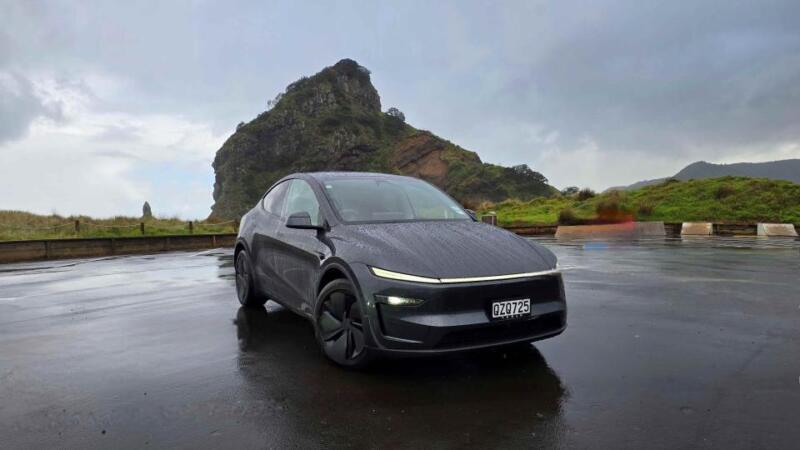
For New Zealand drivers, the Tesla Model Y presents a compelling yet nuanced question of practicality. Known for its impressive range, rapid Supercharger network, and spacious interior, this electric SUV aligns well with the country's growing eco-consciousness and long-distance driving demands.
However, the rugged terrain, unpredictable weather, and limited rural charging infrastructure pose unique challenges.
As Kiwi families weigh the benefits of low running costs and advanced tech against real-world obstacles like towing capacity and off-road capability, the Model Y's suitability hinges on individual lifestyle and location. This article explores whether Tesla’s best-selling EV truly meets the diverse needs of New Zealand motorists.
- Is the Tesla Model Y Practical for New Zealand Drivers?
- Charging Infrastructure and Range Anxiety in New Zealand
- Does the Tesla Model Y Handle New Zealand’s Diverse Terrain?
- How Practical Is the Model Y for New Zealand’s Towing Needs?
- Is the Model Y Cost-Effective for New Zealand Drivers?
- How Does the Model Y Perform in New Zealand’s Weather Conditions?
- Does the Model Y Fit New Zealand’s Family and Lifestyle Needs?
- Frequently Asked Questions
Is the Tesla Model Y Practical for New Zealand Drivers?
Yes, the Tesla Model Y is highly practical for New Zealand drivers, offering a compelling blend of long-range capability, spacious interior, and advanced safety features that suit both urban commutes and rugged rural adventures.
With a range of up to 533 km (WLTP) on a single charge, it alleviates range anxiety, while its all-wheel-drive and adaptive suspension provide excellent traction on New Zealand's diverse roads, from smooth highways to gravel backroads. The Model Y also benefits from the growing Supercharger network across the country, making long-distance travel feasible.
However, practicality depends on factors like charging infrastructure in remote areas, towing capacity, and off-road capability, which we'll explore below.
1. Range and Charging Infrastructure in New Zealand
The Tesla Model Y's long-range version offers up to 533 km (WLTP) on a single charge, which is sufficient for most daily commutes and weekend trips across New Zealand. With the expanding Tesla Supercharger network and third-party charging stations, including ChargeNet and BP Chargemaster, covering major routes from Auckland to Queenstown, drivers can plan trips with confidence.
However, for remote areas like the West Coast of the South Island or Fiordland, charging density is lower, requiring careful planning. The Model Y's efficient heat pump and regenerative braking help maximize range, especially in cooler climates. For daily use, home charging with a wall connector is convenient, offering a full charge overnight.
2. Cargo Space and Practicality for Families and Outdoor Enthusiasts
The Model Y boasts 2,158 liters of maximum cargo space with rear seats folded, making it ideal for families, road trips, and outdoor gear like bikes or camping equipment. It features a large frunk and a sub-trunk for additional storage, and the rear seats fold flat, offering a versatile cargo area.
With a towing capacity of up to 1,600 kg (braked), it can haul a trailer for boats or caravans, though factors like range reduction while towing should be considered. The spacious cabin comfortably seats five adults, and the panoramic glass roof enhances the sense of space. For families, the ISOFIX points and five-star safety rating add peace of mind.
3. Driving Dynamics and Safety on New Zealand's Varied Terrain
The Model Y's dual-motor all-wheel-drive and low center of gravity provide excellent stability on winding roads and slippery surfaces, common in New Zealand's mountainous and coastal regions. Its adaptive suspension and over-the-air updates improve handling over time, while regenerative braking offers one-pedal driving, reducing brake wear on steep descents.
Safety features include Autopilot, automatic emergency braking, and side collision avoidance, all contributing to its Euro NCAP five-star safety rating. However, the Model Y is not designed for extreme off-roading, and its ground clearance is lower than that of a typical SUV, so drivers on unsealed roads should exercise caution.
| Feature | Model Y Long Range (Dual Motor AWD) | Model Y Performance (Dual Motor AWD) |
|---|---|---|
| Range (WLTP) | 533 km | 514 km |
| 0-100 km/h | 5.0 seconds | 3.7 seconds |
| Cargo Space (max) | 2,158 liters | 2,158 liters |
| Towing Capacity (braked) | 1,600 kg | 1,600 kg |
| Ground Clearance | 167 mm | 147 mm |
| Supercharger Network Access | Yes (New Zealand) | Yes (New Zealand) |
Charging Infrastructure and Range Anxiety in New Zealand
While the Tesla Model Y offers an impressive claimed range of up to 533 km (WLTP), real-world driving conditions in New Zealand such as winding rural roads, steep hills, and cold winters can significantly reduce efficiency.
The country’s supercharger network is growing but remains sparse in remote South Island regions and less-traveled North Island highways, making long-distance trips require careful planning.
This content may interest you! Why the Ford Ranger Is New Zealand's Favourite Ute
For urban commuters in Auckland, Wellington, or Christchurch, home charging solves daily needs, but for those exploring off-grid destinations, range anxiety may persist until infrastructure expands further.
Does the Tesla Model Y Handle New Zealand’s Diverse Terrain?
The Model Y’s dual-motor all-wheel-drive system excels on sealed roads and light gravel, providing stable handling on winding passes like the Desert Road or Coromandel hills. However, its ground clearance (167 mm) and lack of off-road tires limit its suitability for unsealed farm tracks or rugged backcountry routes.
For drivers tackling muddy forestry roads or steep driveways in rural areas, a higher-riding SUV or ute may be more practical despite the Model Y’s impressive torque and traction control.
How Practical Is the Model Y for New Zealand’s Towing Needs?
With a braked towing capacity of 1,600 kg, the Model Y can haul small boats, trailers, or caravans common in NZ’s recreational lifestyle. However, towing halves the EV’s range, reducing it to about 200-250 km per charge under load.
This poses challenges for trips to popular destinations like Lake Taupō or the Coromandel Peninsula, where charging stations are limited. For regular towing of heavier loads (e.g., horse floats or larger boats), the Model Y may feel constrained compared to diesel alternatives.
Is the Model Y Cost-Effective for New Zealand Drivers?
Initial prices for the Model Y in NZ range from $65,000 to $85,000 NZD, making it competitive with mid-size SUVs like the Toyota RAV4 Hybrid. Running costs are low due to cheap home electricity (~$0.25/kWh) and exemption from road user charges until 2024.
However, insurance premiums and tire wear are higher for EVs, and charging at public fast stations costs up to $0.80/kWh, reducing long-trip savings. For high-mileage drivers, the total cost over 5 years often beats diesel options, especially with NZ’s clean car rebates.
How Does the Model Y Perform in New Zealand’s Weather Conditions?
The heat pump and preconditioning features maintain battery efficiency in temperatures from 5°C in Dunedin winters to 30°C in Northland summers. Rain-soaked motorways cause minimal range loss (about 10-15%), but heavy headwinds on exposed routes like the Desert Road can drain range faster.
Snow chains are recommended for alpine passes, yet the Model Y’s regenerative braking works reliably on steep, icy descents, reducing wear on traditional brakes.
Does the Model Y Fit New Zealand’s Family and Lifestyle Needs?
The spacious cabin and 210-liter front trunk plus dual-cargo area (854 liters total) accommodate camping gear, surfboards, or luggage for a family of four. Rear-seat room is ample for adults, but the panoramic glass roof heats the cabin in strong sun, requiring aftermarket shades.
Child seat installation is straightforward with ISOFIX anchors, though the low roofline may challenge taller passengers accessing the third row (optional overseas). For daily school runs and weekend adventures, the Model Y balances practicality and fun for most Kiwi families.
Frequently Asked Questions
How does the Tesla Model Y handle New Zealand’s varied terrain?
The Tesla Model Y is well-suited for New Zealand’s diverse roads with its AWD dual motor option, providing solid traction on hills and slippery surfaces. Its high ground clearance helps on gravel roads often found in rural areas, while instant electric torque offers smooth uphill driving. However, for severe off-roading, it’s not ideal, as it lacks rugged suspension. For typical New Zealand driving—including highways and regional roads—it’s practical and reliable.
Is the charging infrastructure sufficient for long trips in New Zealand?
Charging infrastructure in New Zealand is growing, with Tesla’s Supercharger network covering major routes on both North and South Islands, making intercity travel feasible. Destination chargers at hotels and tourist spots add convenience. Yet, remote areas have fewer options, requiring careful trip planning. For most drivers covering standard distances, the network is adequate, but rural journeys demand pre-planning to avoid range anxiety.
How does the Model Y perform in New Zealand’s cold or wet weather?
The Model Y copes well in New Zealand’s cold and wet conditions, thanks to its heat pump boosting efficiency in lower temperatures. Its all-wheel drive enhances stability on rain-slicked roads, while regenerative braking aids control in slippery conditions. Battery range drops slightly in cold weather, but still supports daily commutes and regional trips. Overall, it’s a capable option for the country’s variable climate.
This content may interest you! Kia Cerato Towing Capacity: Complete Guide for All Generations
Is the Tesla Model Y cost-effective for New Zealand drivers in the long term?
The Tesla Model Y offers long-term savings for New Zealand drivers due to lower running costs—electricity is cheaper than petrol, and maintenance is minimal with fewer moving parts. Government rebates for new EVs lower the upfront price, though it’s still high initially. Over 5-7 years, fuel and service savings offset the cost, making it practical for those who drive regularly and want to reduce ongoing expenses.
Leave a Reply