
Signs You Need New Brake Rotors
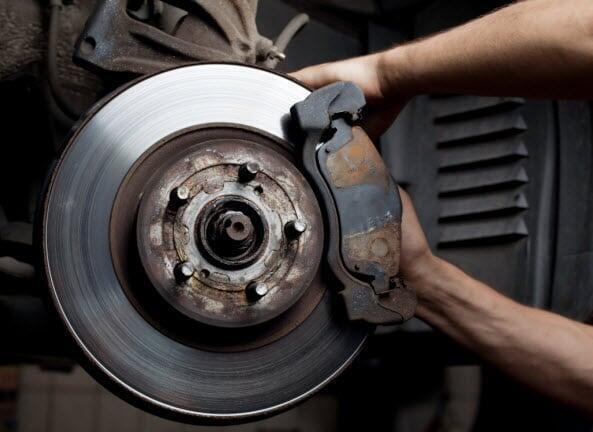
Your vehicle's braking system is its most critical safety component, and the rotors play a vital role in stopping power. Over time, brake rotors wear down due to friction and heat, leading to diminished performance and potential hazards. Ignoring the warning signs can result in longer stopping distances, vibrations, and costly repairs.
From pulsating brake pedals and squealing noises to visible grooves or a warped surface, recognizing these indicators early is essential. This article explores the key symptoms that suggest your brake rotors need replacement, helping you maintain optimal safety and avoid dangerous driving conditions. Don't overlook these clues your life depends on reliable brakes.
Key Signs You Need New Brake Rotors
Your vehicle's brake rotors are critical for safe stopping power, and recognizing when they need replacement can prevent costly damage and accidents.
Over time, rotors wear down from friction, heat, and mileage, leading to reduced performance. Here are three crucial informational signs that indicate it's time for new brake rotors.
Vibration or Pulsation When Braking
One of the most common signs of worn or damaged brake rotors is a noticeable vibration or pulsation felt through the steering wheel, brake pedal, or even the entire vehicle when you apply the brakes. This typically occurs because the rotor surface has become warped or unevenly worn due to excessive heat or manufacturing defects.
When the brake pads clamp onto an uneven rotor, they do not make consistent contact, causing a rhythmic shudder. Ignoring this symptom can lead to increased stopping distances and accelerated wear on other brake components, such as pads and calipers.
Visible Scoring, Grooves, or Cracks on the Rotor Surface
A simple visual inspection can reveal significant rotor damage. Look for deep grooves, score marks, or cracks on the rotor's flat, shiny surface. Grooves often develop from worn brake pads that have become metal-to-metal, acting like a lathe to gouge the rotor.
Cracks, whether small hairline fractures or larger fissures, are a serious safety hazard because they can cause the rotor to fail suddenly under stress. Any sign of rust pitting or bluing (a discoloration from overheating) also indicates that the rotor has lost its structural integrity and should be replaced immediately.
A High-Pitched Squealing or Grinding Noise
While brake pads often have wear indicators that squeal when they need replacing, a persistent grinding or metal-on-metal noise usually means the brake pads are completely worn down, and the caliper is now rubbing directly against the rotor. This friction will rapidly score and thin the rotor, making it unusable.
Even if you hear a deep, rhythmic scraping while driving without braking, it could indicate a warped rotor or a foreign object lodged between the rotor and shield. In either case, the rotor's surface is being compromised and requires immediate attention.
| Symptom | Likely Condition | Action Required |
|---|---|---|
| Vibration/pulsation during braking | Warped or unevenly worn rotors | Replace rotors immediately |
| Visible grooves, cracks, or deep scoring | Structural damage or excessive wear | Replace rotors without delay |
| Grinding or metal-on-metal noise | Pads worn to backing, scraping rotor | Replace both pads and rotors |
Persistent Steering Wheel or Brake Pedal Vibrations
One of the most telling indicators that your brake rotors are warped or unevenly worn is a noticeable vibration or pulsation felt through the steering wheel or the brake pedal during braking. When rotors lose their perfectly flat surface, the brake pads cannot clamp evenly, causing the entire braking system to shudder.
This vibration often intensifies at higher speeds and can indicate heavy rotor thickness variation or extreme heat damage. Ignoring this sign leads to reduced braking efficiency and accelerated wear on suspension components.
This content may interest you! Best Time to Replace Toyota RAV4 Brake Pads
Thumping or Grinding Noises When Braking
Unusual sounds are a clear auditory signal that your brake rotors have degraded. A deep thumping noise often points to severe rotor runout or large hard spots of warped metal, while a grinding sound indicates that the brake pad material has worn away completely, allowing the metal backing plate to scrape directly against the rotor surface.
This creates deep grooves and scoring that permanently damage the rotor, requiring immediate replacement.
Visible Deep Grooves or Scoring on Rotor Surface
A visual inspection of your brake rotors reveals crucial clues about wear. Look for heavy rust ridges around the outer edge and deep circular grooves etched into the contact surface. These imperfections are typically caused by worn-out pads with embedded debris or excessive heat cycles.
When grooves exceed the manufacturer’s minimum thickness specification, the rotor has lost its structural integrity and cannot dissipate heat properly.
Brake Pulses or Wobble Under Light Pressure
If you notice a pulsing sensation in the brake pedal even under gentle braking pressure, the rotors have likely developed lateral runout or high-spot deposits.
This condition results from uneven pad material transfer or thermal distortion. The pulsing often worsens as the rotor heats up and is accompanied by a slight steering wheel wobble at highway speeds, confirming the need for resurfacing or replacement.
Corroded or Cracking Rotor Edges
Examine the outer rim and ventilation slots of your rotors for extreme corrosion or hairline cracks. Rust can penetrate deep into the iron, weakening the rotor’s structure, while stress cracks from rapid cooling after hard braking can grow and lead to catastrophic failure.
Any visible fractures or significant flaking on the rotor’s contact face demand immediate replacement, as braking safety is compromised.
Frequently Asked Questions
How can you tell if your brake rotors need replacing by feeling vibrations?
When brake rotors are warped or unevenly worn, they cause a pulsating vibration through the brake pedal or steering wheel during braking. This occurs because the rotor surface no longer contacts the brake pads smoothly. If you feel shaking or wobbling when applying brakes, especially at highway speeds, it indicates significant rotor damage. Prompt replacement is necessary to restore braking performance and prevent further wear to other components.
What visual signs indicate that brake rotors are worn out?
Inspect your rotors for deep grooves, scoring, or cracks on the surface. Thin, shiny blue or discolored areas indicate overheating from excessive friction. Visible rust covering large portions of the rotor surface can also reduce effectiveness. If ridges form at the rotor's outer edge, it suggests severe wear. Any of these visual cues mean the rotors have lost their optimal braking capacity and require replacement for safety.
Are there unusual sounds that signal bad brake rotors?
Grinding, squealing, or scraping noises when braking often indicate rotor problems. A loud metal-on-metal sound typically means brake pads have worn completely, allowing the pad's metal backing to contact the rotor surface. This damages the rotor, requiring immediate replacement. Persistent squeaking may also stem from glazed or uneven rotors. If sounds persist despite new pads, faulty rotors are likely the cause and should be changed promptly.
Does longer stopping distance suggest rotor replacement is needed?
Yes, significantly increased stopping distance is a clear sign of worn or damaged brake rotors. When rotors become thin or warped, they cannot dissipate heat effectively, leading to brake fade. This reduces friction between pads and rotors, making it harder to stop quickly. If your vehicle takes noticeably longer to halt, especially during panic stops, have your rotors inspected immediately. Replacing them restores reliable braking power and safety.
This content may interest you! Toyota RAV4 Brake Problems Explained
Leave a Reply