
When Should You Replace Ford Ranger Shock Absorbers?
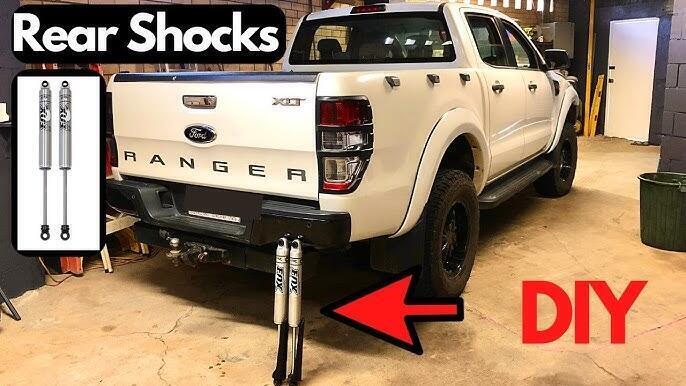
The Ford Ranger is renowned for its durability and off-road capability, but even the toughest trucks require routine maintenance. Shock absorbers play a critical role in ensuring ride comfort, stability, and control by damping vibrations from uneven terrain. Over time, these components wear down, compromising handling and safety.
The question of when to replace them is not always straightforward, as factors like driving habits, mileage, and road conditions matter. Recognizing telltale signs such as excessive bouncing, fluid leaks, or uneven tire wear can help owners make informed decisions.
This article explores the key indicators, recommended intervals, and expert tips for keeping your Ranger’s suspension in top shape.
When Should You Replace Ford Ranger Shock Absorbers?
The recommended interval for replacing shock absorbers on a Ford Ranger is typically every 50,000 to 80,000 miles, though this can vary based on driving conditions, load weight, and terrain. You should consider replacing them if you notice excessive bouncing after hitting bumps, a rough and unstable ride, or if the vehicle's front end dips sharply when braking.
Physical signs like fluid leaks on the shock body, visible physical damage (dents or rust), or worn-out bushings also indicate it is time for a replacement. Safety decreases significantly with worn shocks, as they reduce tire contact with the road and increase braking distances.
Noticeable Decline in Ride Comfort and Stability
If you find that your Ford Ranger feels like it is floating or swaying excessively on the highway, especially when passing large trucks or when experiencing crosswinds, your shock absorbers are likely worn out. A healthy shock dampens spring oscillations quickly; a failing one allows the suspension to continue moving, leading to poor handling and increased driver fatigue.
You might also feel a persistent, jarring impact from small road imperfections, which indicates the shock can no longer absorb energy effectively.
Fluid Leaks and Physical Damage on the Shock Absorber
A clear and undeniable sign is the presence of hydraulic fluid on the shock absorber's exterior. If you see oil streaks, wetness, or dirt clinging to the shock body, it means the internal seals have failed. This loss of fluid directly reduces the damping capability, and the shock will perform poorly until it is replaced.
Additionally, look for dents, deep rust pitting, or a bent shaft, as these physical defects prevent the shock from moving freely and can compromise your suspension's geometry.
Uneven Tire Wear and Reduced Stopping Power
Failing shocks allow the tires to bounce on the pavement, leading to cupping or scalloping on the tire tread surface. This type of uneven wear is distinct and forms a series of high and low spots, which cannot be fixed by tire rotation alone. Furthermore, worn shocks increase stopping distance significantly.
If your Ranger's front end dives dramatically or the rear squats excessively during braking, the vehicle's weight transfer is uncontrolled, reducing rear tire traction and making emergency stops less safe.
This content may interest you! Common Toyota RAV4 Suspension Issues
| Wear Indicator | Primary Effect on Ford Ranger | Urgency for Replacement |
|---|---|---|
| Bouncing / Nose Diving | Reduced stability and longer braking distances | High |
| Visible Fluid Leak | Loss of damping control; risk of suspension bottoming out | Immediate |
| Uneven Tire Wear | Premature tire replacement linked to cupping | Moderate to High |
| Physical Dents/Rust | Binding and reduced shock travel | High |
Recognizing the Signs of Worn Ford Ranger Shock Absorbers
Understanding when to replace your Ford Ranger shock absorbers is crucial for safety, handling, and ride comfort. Worn shocks can lead to reduced braking performance, excessive body roll, and uneven tire wear.
The key indicators include visible fluid leaks, a bouncy ride, longer stopping distances, and unusual noises like clunking or knocking when driving over bumps. Ignoring these signs can cause damage to other suspension components and compromise vehicle stability, especially under load or off-road.
Visible Fluid Leaks on the Shock Absorber Body
One of the most obvious signs is oil or fluid seeping down the outer casing of the shock absorber. This indicates the internal seals have failed, leading to loss of damping capability.
If you notice a greasy, wet film around the shock, it’s time for replacement to maintain proper suspension control.
Excessive Bouncing After Bumps or Dips
After hitting a bump, if your Ford Ranger continues to bounce more than two or three times before settling, the shocks are worn out. Healthy shocks should quickly dampen oscillations. This symptom is most noticeable on highway undulations or rough gravel roads, affecting tire grip and driver confidence.
Increased Stopping Distance and Nose Diving
Worn shocks allow the front end to dive excessively during hard braking, which lifts the rear tires slightly, reducing their traction. This lengthens stopping distances and can feel unsettling. If you notice the truck’s nose dipping more than before, especially when carrying a load, the front shocks likely need replacement.
Uneven or Cupping Tire Wear Patterns
Failing shocks cause the tires to bounce and lose consistent contact with the road, leading to scalloped or cupped tread wear. This is often seen on the front tires. While alignment issues can cause similar wear, if cupping occurs alongside other symptoms, check your shocks immediately to prevent premature tire replacement.
Noises from the Suspension When Cornering or off-Road
Clunking, knocking, or rattling sounds coming from the wheel wells, particularly when navigating sharp corners or uneven terrain, often indicate loose or mechanically worn shock absorbers. Internal damage like a broken piston rod or failed bushings can cause these noises, signaling that the shocks are no longer functioning effectively.
Frequently Asked Questions
How often should Ford Ranger shock absorbers be replaced?
Ford Ranger shock absorbers typically need replacement every 50,000 to 100,000 miles, depending on driving habits and road conditions. Frequent off-road use, heavy towing, or driving on rough terrain accelerates wear. Check your owner’s manual for specific intervals. Signs like excessive bouncing, nose diving during braking, or fluid leaks indicate earlier replacement may be necessary for safety and ride quality.
What are the symptoms of worn shock absorbers on a Ford Ranger?
Symptoms include excessive vehicle bounce after bumps, swaying during turns, uneven tire wear, and a harsh or noisy ride. You might also notice reduced braking stability or fluid leaking from the shocks. These issues compromise control and comfort. Inspect shocks for damage or leaks every 20,000 miles. If you experience any of these, replace them promptly to avoid further suspension damage.
Can worn shock absorbers affect Ford Ranger towing capacity?
Yes, worn shocks significantly reduce towing stability by allowing excessive sway and poor weight distribution. This can make towing unsafe, especially with heavy loads. Ford Rangers rely on shocks for load control; degraded shocks increase stopping distances and trailer sway. Replace them immediately if you notice handling issues while towing. Always maintain shocks to preserve rated towing capacity and ensure safe hauling.
This content may interest you! Best Time to Replace Toyota RAV4 Brake Pads
Is it necessary to replace all four shock absorbers on a Ford Ranger at once?
It’s strongly recommended to replace all four shock absorbers simultaneously to ensure consistent handling and balance. Mismatched dampers cause uneven wear and instability. If only one fails, replace in pairs (front or rear) at minimum. However, given typical mileage intervals, replacing all together optimizes performance, ride comfort, and safety. Consult a mechanic for your specific model’s needs.
Leave a Reply