
When Should You Replace Your Car Battery?
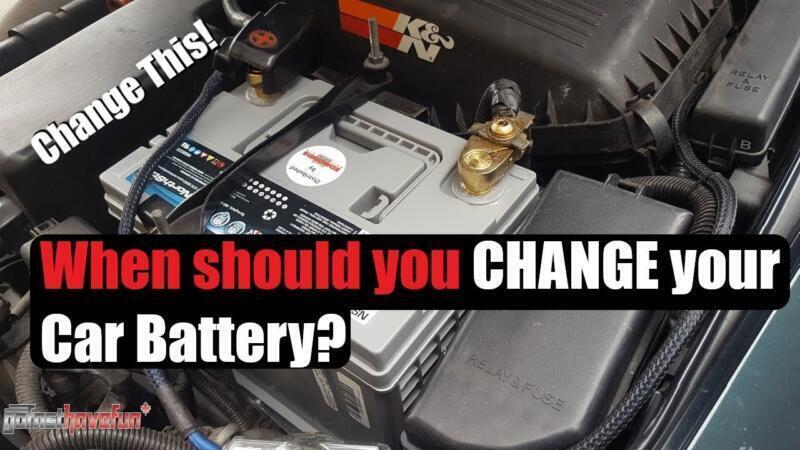
Your car battery is the silent powerhouse that brings your vehicle to life, but it doesn’t last forever. Knowing when to replace it can save you from the frustration of a cold morning no-start or an unexpected breakdown. Typically, car batteries last between three to five years, but factors like climate, driving habits, and maintenance can shorten their lifespan.
Signs such as slow engine cranking, dim headlights, or a swollen battery case signal it’s time for a change. Don’t wait for failure learn the key indicators and stay ahead of the curve to keep your car reliable and road-ready.
When Should You Replace Your Car Battery?
Knowing exactly when to replace your car battery can save you from the inconvenience of unexpected breakdowns. Generally, most car batteries last between three to five years, but several factors like climate, driving habits, and vehicle type can shorten this lifespan.
You should consider replacement if your engine cranks slowly, you need to jump-start the car frequently, or if the battery case appears swollen or cracked. Additionally, many auto parts stores offer free battery testing; if the test shows your battery's cold cranking amps (CCA) are significantly below the manufacturer’s specification, it is time for a new one.
1. What Are the Common Signs of a Failing Battery?
The most obvious signs of a dying car battery include a slow engine crank when you try to start the vehicle, where the engine turns over sluggishly before firing up. Another common indicator is a dimming dashboard or headlights, especially when idling, as the battery struggles to provide steady power.
You might also notice a swollen battery case caused by excessive heat, or a rotten egg smell from leaking sulfuric acid. If you require frequent jump-starts or your car’s electrical accessories (like power windows or radio) lose memory or function oddly, the battery is likely failing.
2. How Does Climate Affect Battery Life Expectancy?
Climate plays a significant role in how long your car battery will last. Extremely hot weather is particularly damaging because high temperatures accelerate chemical reactions inside the battery, leading to faster corrosion of internal plates and fluid evaporation. This can reduce a battery's life to as little as 2-3 years in hot climates.
Conversely, cold weather thickens engine oil and reduces the battery’s chemical capacity, making it harder to supply the high current needed for starting, often causing a weak battery to fail completely when you need it most.
3. What Is the Best Way to Test Your Battery’s Health?
The most reliable way to test your battery’s health is to use a digital multimeter or have a professional perform a load test. With a multimeter, a fully charged battery at rest should read around 12.6 volts; any reading below 12.4 volts indicates a partial discharge, and below 12.0 volts suggests it is deeply discharged or failing.
A load test applies a simulated starting load while measuring voltage drop; if the voltage dips below 9.6 volts under load at room temperature, the battery is weak. Many auto service centers also use an electronic conductance tester that measures internal resistance to estimate remaining life.
| Voltage Reading (at rest) | Battery Condition | Recommended Action |
|---|---|---|
| 12.6V or higher | Fully charged and healthy | No action needed |
| 12.4V - 12.5V | Approximately 75% charged | Charge and retest |
| 12.0V - 12.3V | Partially discharged | Charge fully and load test |
| Below 12.0V | Deeply discharged or faulty | Replace if it cannot hold charge |
Key Signs It's Time for a New Car Battery
Your car battery typically lasts between three and five years, but various factors like climate, driving habits, and vehicle usage can shorten its lifespan. The most obvious indicator is when your engine cranks slowly or struggles to start, especially on cold mornings.
Additionally, if you notice dimming headlights or electrical components like power windows operating sluggishly, your battery may be losing its charge capacity. A dashboard battery warning light is a direct signal from your car's charging system that something is wrong.
Physical inspections can also reveal trouble: corroded terminals with white or bluish powdery buildup, a swollen or bloated battery case caused by excessive heat, or a cracked casing that leaks acid. If your battery is more than four years old, proactive replacement is wise to avoid unexpected failure, even if no symptoms are present.
This content may interest you! Common Ford Ranger Electrical Problems
Slow Engine Crank When Starting
A slow or sluggish engine crank is often the first audible clue that your battery is weakening. When you turn the key or push the start button, the battery must deliver a strong burst of current to the starter motor. If the battery's voltage drops due to aging or internal sulfation, the engine will turn over slowly or hesitate before firing.
This symptom is more pronounced in cold weather when chemical reactions inside the battery slow down, reducing its available power. If you experience this repeatedly, testing the battery's voltage (should be around 12.6 volts when fully charged) can confirm if replacement is necessary.
Dimming Headlights and Electrical Issues
Dim headlights when idling or at low speeds indicate that your battery is not receiving enough charge from the alternator or cannot hold a charge. When you accelerate, the headlights may brighten temporarily as the alternator spins faster, but if they remain flickering or consistently dim, the battery is likely failing.
Other electrical components like power seat adjusters, heated seats, or infotainment systems may also operate erratically. These issues suggest that the battery's internal resistance has increased, reducing its ability to power the vehicle's electrical demands.
Check Engine or Battery Warning Light
Modern cars have a dedicated battery warning light on the dashboard, often shaped like a battery icon or reading "ALT" or "GEN." When this light illuminates while driving, it usually means the battery voltage is too low or too high compared to the alternator's output. It could also indicate a failing alternator or wiring issue, but a defective battery is a common culprit.
Even if the light appears only briefly, especially after starting, it's worth having the battery and charging system tested immediately to prevent getting stranded.
Swollen or Leaking Battery Case
Physical deformation of the battery case such as bulging, cracks, or swelling is a serious red flag. This often results from excessive heat, overcharging, or internal short circuits that cause gas buildup.
A swollen battery can leak corrosive acid which damages adjacent components like terminals, cables, and even the battery tray. In extreme cases, the casing may rupture, creating a safety hazard. If you notice any bulging, cracks, or fluid leaks (which may have a sulfurous smell), replace the battery immediately and inspect the charging system for overvoltage.
Battery Age Exceeds Three to Four Years
Even without obvious symptoms, age is the most reliable predictor of battery failure. Most manufacturers suggest replacing a battery after four years in temperate climates, or after three years in hot climates where heat accelerates internal corrosion.
If you're unsure of your battery's age, look for a white sticker with a date code (usually a letter and number, like "D22" for April 2022) on top or side of the battery. After the four-year mark, the risk of sudden failure increases exponentially, especially during temperature extremes or long periods of disuse.
Frequently Asked Questions
How often should you replace your car battery?
Most car batteries last between 3 to 5 years, though this depends on usage, climate, and maintenance. Extreme temperatures, both hot and cold, can shorten lifespan. It's wise to test your battery annually after the 3-year mark or if you notice slow engine cranking. Following manufacturer guidelines and routine inspections help you avoid unexpected failures.
What are the signs that your car battery needs replacement?
Common indicators include a slow or sluggish engine start, dimming headlights when idling, and a swollen or leaking battery case. A clicking sound when turning the key or the electrical accessories malfunctioning (e.g., power windows) may also signal issues. If you notice an unusual sulfur or rotten egg smell, it often means the battery is failing and should be tested immediately.
Can a car battery fail suddenly without warning?
Yes, batteries can fail unexpectedly due to internal short circuits, extreme weather, or a sudden loss of charge. However, gradual degradation is more common, with warning signs like reduced performance or the battery warning light appearing on your dashboard. Regular professional testing, especially before winter or summer, helps catch potential failures early and reduce the risk of being stranded.
This content may interest you! Tesla Model Y Battery Degradation Explained
How does cold weather affect battery replacement timing?
Cold temperatures significantly strain car batteries, reducing their output and making starting harder. A weak battery that works in summer may fail in winter. Cold weather also slows down chemical reactions inside the battery, accelerating deterioration. It’s wise to replace batteries approaching the 4-year mark before winter to ensure reliable starts in freezing conditions, preventing inconvenient breakdowns.
Leave a Reply