
Mitsubishi Triton Long Range Fuel Tank: The Complete Upgrade Guide
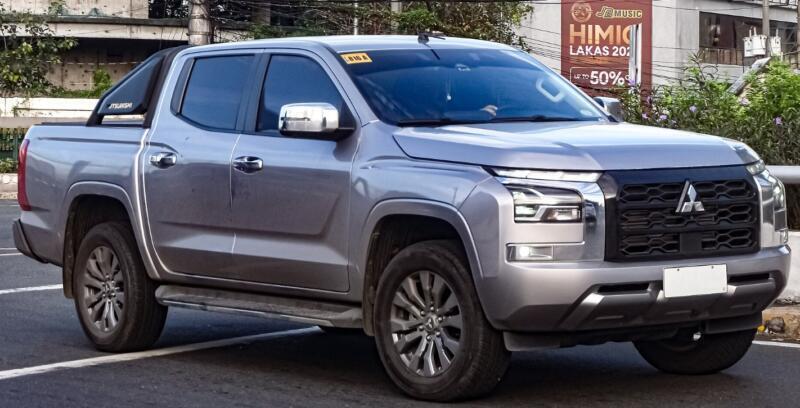
A Mitsubishi Triton long range fuel tank can transform the way we travel, tow, work, and explore. Instead of watching the fuel gauge like a nervous hawk, we gain the freedom to cover longer distances, choose better-priced fuel stops, and venture into remote areas with greater confidence.
For many Triton owners, the standard tank is perfectly adequate for commuting and ordinary weekend trips. However, add a caravan, rooftop tent, muddy tracks, strong headwinds, or hundreds of kilometres between service stations, and the factory range can suddenly feel rather modest.
Current Australian-market Triton models use a 75-litre factory fuel tank, while some earlier generations and regional variants have capacities closer to 70 litres. Aftermarket replacement tanks for popular Triton generations commonly increase capacity to approximately 125–140 litres, depending on the vehicle, body configuration, drivetrain, exhaust layout, and manufacturer. The latest MV-generation Triton, for example, is supported by at least one 138-litre replacement system.
Is that upgrade worth the money and extra weight? Let us dig into the numbers, trade-offs, installation details, and real-world benefits.
- What Is a Mitsubishi Triton Long Range Fuel Tank?
- Why the Standard Triton Tank May Feel Too Small
- How Much Fuel Can a Long-Range Triton Tank Hold?
- How Far Can a Triton Travel With a Long-Range Tank?
- Benefits of a Mitsubishi Triton Long Range Fuel Tank
- Replacement Tank vs Auxiliary Tank
- Steel, Aluminium, or Plastic Fuel Tank?
- The Hidden Cost: Fuel Weight and Payload
- Will a Long-Range Tank Increase Fuel Consumption?
- Will the Factory Fuel Gauge Still Work?
- Compatibility With Triton Generations
- What to Check Before Buying a Long-Range Tank
- Professional Installation vs DIY Fitment
- How Much Does a Triton Long-Range Tank Cost?
- Long-Range Tank Maintenance
- Common Long-Range Fuel Tank Problems
- Is a Long-Range Tank Safe Off-Road?
- Long-Range Tank vs Jerry Cans
- Who Should Install a Triton Long-Range Fuel Tank?
- How to Plan Fuel Stops After the Upgrade
- Is a Mitsubishi Triton Long Range Fuel Tank Worth It?
- Final Thoughts
- Frequently Asked Questions
What Is a Mitsubishi Triton Long Range Fuel Tank?
A long-range fuel tank is a larger fuel-storage system designed to extend the distance a Triton can travel between refuelling stops.
Most Triton upgrades fall into one of two categories:
- A replacement tank that takes the place of the original tank
- An auxiliary tank fitted in addition to the factory tank
A replacement tank is generally the neatest option. It usually occupies the original tank location, uses the existing filler point, and retains the factory fuel pump or sender arrangement where compatible.
An auxiliary tank works differently. It stores additional diesel or petrol separately and transfers it into the main tank when needed. Some auxiliary systems use an electric transfer pump, while others rely on gravity or a specialised plumbing arrangement.
Neither design is automatically better. The right choice depends on how we use the vehicle, what accessories are already fitted, and how much fuel we genuinely need.
Why the Standard Triton Tank May Feel Too Small
A 70- or 75-litre tank sounds reasonably generous until real-world driving conditions begin pushing consumption upward.
Imagine a Triton using 8.0 litres per 100 kilometres on a relaxed open-road journey. A 75-litre tank theoretically provides around 937 kilometres before running completely dry.
However, we should never plan a trip around draining every final drop. Once we retain a sensible safety reserve, practical range may be closer to 750–850 kilometres.
Now hitch up a heavy caravan. Fuel consumption might climb to 13, 14, or even 16 litres per 100 kilometres, depending on speed, terrain, trailer shape, wind, tyres, load, and driving style. At 15 litres per 100 kilometres, 75 litres represents only 500 kilometres of theoretical range—and considerably less once we include a reserve.
The tank has not physically shrunk, but it can certainly feel as though it has.
Conditions That Reduce Triton Fuel Range
Real-world range may fall because of:
- Heavy towing
- Roof racks and rooftop tents
- Bull bars, winches, canopies, and drawer systems
- Oversized all-terrain or mud-terrain tyres
- Low tyre pressure
- Sand, mud, corrugations, and steep tracks
- Strong headwinds
- Extended low-range driving
- Excessive idling
- Higher cruising speeds
- Aggressive acceleration
- Diesel particulate filter regeneration
- Poor wheel alignment or mechanical problems
A standard fuel tank is usually designed as a compromise between capacity, manufacturing cost, available space, weight, emissions requirements, and payload. It is not necessarily designed around a remote touring setup carrying half a campsite on its back.
How Much Fuel Can a Long-Range Triton Tank Hold?
Capacity depends heavily on the Triton generation and tank design.
As a general guide, replacement tanks may hold approximately:
| Triton configuration | Typical standard capacity | Possible long-range capacity |
|---|---|---|
| Earlier ML or MN variants | Around 70–75 L | Around 120–140 L |
| MQ or MR variants | Usually around 75 L | Around 125–140 L |
| MV-generation Triton | 75 L | Around 138 L |
| Custom tray or auxiliary setup | Factory tank retained | Total capacity may exceed 150 L |
These figures are examples rather than universal specifications. A tank listed for one Dual Cab 4WD may not fit a Single Cab, Club Cab, cab-chassis, petrol model, AdBlue-equipped vehicle, or another production year.
One manufacturer offers a 138-litre replacement tank for the current MV Triton, almost doubling the standard 75-litre capacity. It is designed to occupy the factory tank position while retaining the original filling and fuel-sender functions.
Another application for earlier Triton generations is advertised at 139 litres compared with a quoted 70-litre standard tank.
Before buying, we must match the tank to the exact vehicle—not simply to the word “Triton.”
How Far Can a Triton Travel With a Long-Range Tank?
The basic formula is simple:
Fuel-tank capacity ÷ fuel consumption × 100 = theoretical range
Suppose we install a 138-litre tank.
Estimated Range With a 138-Litre Tank
| Average consumption | Theoretical range |
|---|---|
| 8 L/100 km | 1,725 km |
| 9 L/100 km | 1,533 km |
| 10 L/100 km | 1,380 km |
| 12 L/100 km | 1,150 km |
| 15 L/100 km | 920 km |
| 18 L/100 km | 767 km |
Those numbers look spectacular, but they are mathematical maximums. We should not treat them as guaranteed touring distances.
A safer planning formula subtracts a reserve before calculating range. For example, reserving 15 litres from a 138-litre tank gives us 123 usable litres.
At 12 litres per 100 kilometres:
123 ÷ 12 × 100 = 1,025 kilometres of planned range
That figure gives us breathing room for detours, closed service stations, inaccurate fuel readings, stronger winds, or unexpectedly difficult terrain.
Why a Safety Reserve Matters
Running a diesel Triton completely out of fuel is not like finishing the last sip of coffee. Air can enter the fuel system, and the engine may require priming before it restarts. In some circumstances, roadside assistance or workshop attention may be necessary.
A fuel reserve also protects us from optimistic dashboard calculations. A distance-to-empty display is an estimate based on recent consumption, not a promise carved into stone.
Benefits of a Mitsubishi Triton Long Range Fuel Tank
The obvious advantage is increased range, but the upgrade can deliver several less obvious benefits.
1. Fewer Refuelling Stops
Stopping every few hundred kilometres can become tedious, especially while towing. A larger tank allows us to cover longer stages and spend less time manoeuvring a caravan through crowded service stations.
It also reduces the need to disconnect a trailer merely to reach a badly positioned fuel pump.
2. Greater Confidence in Remote Areas
Remote touring is where a long-range tank truly earns its boots.
Fuel stations may be separated by substantial distances, operate limited hours, experience supply interruptions, or stock only one type of fuel. A larger tank provides a buffer when the map and reality refuse to shake hands.
3. More Control Over Where We Buy Fuel
With extra capacity, we can bypass unusually expensive service stations and refuel where prices or fuel turnover are more favourable.
This does not mean carrying extra fuel always produces immediate savings. A full tank adds weight, and weight can slightly increase consumption. Nevertheless, the flexibility to choose where we stop can be valuable.
4. Cleaner Than Carrying Multiple Fuel Cans
Portable jerry cans are useful, but they take up cargo space and need secure mounting. They can also be awkward to lift and pour, particularly in wind, rain, or darkness.
An integrated tank places the fuel lower in the vehicle and removes the need to handle containers at every transfer.
5. Better Touring Convenience
A long-range tank changes the rhythm of a journey. We can build our route around campsites, scenery, and road conditions rather than making every decision around the next fuel bowser.
That is less dramatic than an engine upgrade, but convenience is often the modification we appreciate most after thousands of kilometres.
Replacement Tank vs Auxiliary Tank
Choosing between a replacement and auxiliary tank is one of the most important decisions.
Replacement Long-Range Fuel Tank
A replacement tank removes the factory unit and substitutes a larger one.
Advantages
- Usually uses the original filler
- Can retain the factory gauge and pump assembly
- Does not normally require manual fuel transfer
- Keeps cargo and tray space available
- Offers a relatively factory-like experience
- Often provides the simplest daily operation
Disadvantages
- Higher upfront cost than basic fuel-can storage
- Fitment can conflict with certain accessories
- The original tank must be removed
- A very large tank can add considerable weight when full
- Gauge readings may not fall evenly across the tank
Replacement systems are often described as bolt-in solutions, although “bolt-in” should not be confused with “effortless.” Exhaust clearances, hoses, wiring, breathers, brackets, underbody protection, and fuel-sender installation still require careful attention.
Auxiliary Fuel Tank
An auxiliary tank works alongside the original tank.
This content may interest you! Mitsubishi Triton Fuel Consumption New Zealand: Real-World Economy Guide
Advantages
- Retains the factory main tank
- Can provide extremely high combined capacity
- Allows us to carry additional fuel only when required
- May suit specialised tray or canopy builds
- Offers redundancy through two separate storage spaces
Disadvantages
- Requires a transfer system
- May use tray, spare-wheel, or underbody space
- Adds hoses, wiring, switches, and potential failure points
- Needs more monitoring by the driver
- May conflict with spare tyres, exhaust systems, tow bars, or water tanks
An auxiliary tank makes sense when the desired capacity exceeds what a replacement tank can provide or when the vehicle has been built for exceptionally remote travel.
For most everyday tourers, a replacement tank tends to be the more seamless solution.
Steel, Aluminium, or Plastic Fuel Tank?
Tank material affects durability, weight, corrosion resistance, manufacturing complexity, and repairability.
Steel Long-Range Tanks
Steel is widely used because it is strong, relatively easy to fabricate, and suitable for harsh underbody environments.
Why We Might Choose Steel
- Excellent impact resistance
- Proven design history
- Can be shaped around chassis components
- Often repairable by a qualified specialist
- Well suited to touring and work vehicles
Its main drawback is weight. Steel also requires appropriate coatings and maintenance to manage corrosion.
Aluminium Fuel Tanks
Aluminium can reduce the tank’s empty weight and naturally resists rust.
However, aluminium is not automatically indestructible. It may be more vulnerable to cracking or deformation if poorly supported or repeatedly exposed to severe vibration. Design quality matters more than the shiny material alone.
Plastic or Polyethylene Tanks
Rotationally moulded plastic tanks are corrosion-resistant and can be formed into complex shapes.
They may offer:
- Low empty weight
- No conventional rust
- Good resistance to minor impacts
- Complex moulded geometry
Nevertheless, plastic tanks still require protection from heat, sharp impacts, incorrect mounting pressure, and unsuitable fuels or additives.
There is no universal winner. We should compare the complete tank design, mounting system, certification, protection, warranty, and manufacturer reputation—not simply the material.
Diesel weighs roughly 0.83–0.85 kilograms per litre, with the exact density changing according to temperature and fuel composition.
Let us compare a 75-litre factory tank with a 138-litre replacement.
The difference is 63 litres.
At approximately 0.84 kilograms per litre:
63 × 0.84 = about 53 kilograms of additional fuel
That is before considering any difference between the original and replacement tank’s empty weight.
Fifty-three kilograms may not sound enormous, but payload can disappear like ice cream on a hot afternoon. Add passengers, a bull bar, winch, canopy, drawers, fridge, recovery gear, tow-ball download, tools, water, and luggage, and the Triton may approach its gross vehicle mass sooner than expected.
Mitsubishi advises calculating available payload by subtracting the vehicle’s kerb mass from its gross vehicle mass, while also checking the exact variant’s compliance information.
Fuel Weight Must Be Counted in the Build
Before installing a long-range tank, we should consider:
- Gross vehicle mass
- Front- and rear-axle limits
- Tow-ball download
- Passenger weight
- Accessories already installed
- Water capacity
- Canopy and tray weight
- Tools and recovery equipment
- Roof load
- Caravan or trailer setup
The tank may fit physically while the fully loaded vehicle still exceeds a legal weight limit. Fitment and legal loading are related, but they are not the same thing.
Will a Long-Range Tank Increase Fuel Consumption?
Possibly—but usually not by a dramatic amount on its own.
The tank itself may weigh more than the original, and the extra fuel adds significant mass when filled. More weight means the engine has more work to do during acceleration and hill climbing.
The effect is usually less noticeable during steady highway cruising and more noticeable in:
- Urban stop-start driving
- Mountainous terrain
- Soft sand
- Frequent acceleration
- Heavy towing
- Low-range four-wheel driving
We also do not need to fill the tank completely for every trip. A long-range system gives us capacity, not an obligation.
For ordinary daily driving, we can carry less fuel. Before a remote journey, we can fill it to the level required by the route.
Will the Factory Fuel Gauge Still Work?
Many replacement tanks are designed to reuse the factory sender, but the gauge may behave differently because the new tank has a different shape.
For example, it may remain on “full” for much longer than before and then fall more rapidly through the second half. This does not necessarily mean the system is defective.
The sender measures fuel level at a particular point. It does not directly count the litres in the tank. When tank geometry changes, the relationship between fluid height and remaining volume also changes.
How to Learn the New Gauge Behaviour
After installation:
- Fill the tank completely.
- Reset a trip meter.
- Record the distance when the gauge first moves.
- Record distances at three-quarters, half, and one-quarter.
- Refill before reaching empty.
- Compare litres added with distance travelled.
- Repeat the process over several tanks.
After a few cycles, we will understand the gauge’s new personality. It may be quirky, but predictable quirks are far better than surprises.
Compatibility With Triton Generations
The Triton has been sold across several generations and under different names, including L200 in numerous markets. Even within one generation, underbody layouts can differ.
ML and MN Triton
ML and MN models are popular touring platforms, and several replacement-tank options have historically been available.
Compatibility may vary according to:
- Diesel or petrol engine
- Two-wheel drive or four-wheel drive
- Single, Club, or Double Cab
- Tray-back or pickup body
- Exhaust configuration
- Wheelbase
- Model year
Older vehicles also deserve closer inspection before installation. Corroded mounts, brittle hoses, worn wiring, damaged filler necks, and tired suspension components should not be ignored merely because a shiny new tank is arriving.
MQ and MR Triton
MQ and MR models are among the most common candidates for long-range touring upgrades.
These vehicles may already carry accessories such as:
- Tow bars
- Aftermarket exhausts
- Underbody guards
- Electric brake controllers
- Dual batteries
- Air compressors
- Canopies
- Water tanks
The proposed fuel tank should be checked against the complete vehicle, not against a standard showroom illustration.
MV Triton
The latest MV generation uses a 75-litre fuel tank in Australian specifications. Aftermarket replacement systems of approximately 138 litres are available for at least some MV variants.
However, new-generation vehicles include more emissions equipment, sensors, electronic systems, and tightly packaged underbody components than many older utes. Professional installation and precise model matching are especially important.
What to Check Before Buying a Long-Range Tank
A low price or impressive capacity figure should not be the only deciding factor.
Vehicle Identification
Confirm:
- Exact model year
- Triton generation
- Cab type
- Pickup or cab-chassis body
- Two-wheel drive or four-wheel drive
- Engine and fuel type
- Automatic or manual transmission if relevant
- Wheelbase
- Market or country specification
- AdBlue system where applicable
Accessory Compatibility
Ask whether the tank works with:
- Factory tow bar
- Aftermarket tow bar
- Underbody protection
- Suspension lift
- Larger spare wheel
- Exhaust upgrade
- Side-exit exhaust
- Canopy or tray
- Water tank
- Long-range spare-wheel carrier
- Airbag suspension
- Chassis bracing
Tank Construction and Support
Investigate:
- Tank material and thickness
- Internal baffling
- Mounting brackets
- Drain location
- Breather design
- Fuel-pump or sender mounting
- Protective coating
- Warranty length
- Replacement parts availability
- Installation network
- Local certification or approval
Internal baffling is especially important. Fuel moving inside a large tank can create noticeable weight transfer. Proper baffles control that movement, much as internal walls calm water inside a partially filled container.
Professional Installation vs DIY Fitment
Experienced owners with suitable equipment may be tempted to install the tank themselves. Yet fuel systems deserve respect.
A correct installation may involve:
This content may interest you! Kia Cerato Fuel Consumption: Real-World MPG, L/100 km, and Efficiency Guide
- Safely draining fuel
- Supporting and removing the original tank
- Transferring the fuel sender or pump module
- Installing new hoses and clamps
- Positioning breathers correctly
- Checking filler alignment
- Protecting wiring
- Torquing mounting hardware
- Confirming exhaust clearance
- Checking suspension and driveline movement
- Filling and leak-testing the system
- Verifying gauge operation
Manufacturer installation documents may also require a new tank to be cleaned or rinsed before final use so manufacturing debris does not enter the fuel system. Exact procedures must come from the tank supplier rather than improvised online advice.
A professional installer can also identify accessory conflicts before the factory tank is sitting on the workshop floor.
Reasons to Use an Approved Installer
- Better warranty protection
- Knowledge of model-specific fitment
- Correct fuel-system handling
- Appropriate lifting equipment
- Proper leak testing
- Familiarity with local regulations
- Easier troubleshooting if a problem appears
Saving money on installation loses its shine quickly if a hose rubs through beside a hot exhaust.
How Much Does a Triton Long-Range Tank Cost?
Prices vary significantly by country, capacity, material, brand, and installation complexity. Rather than relying on a generic figure that may quickly become outdated, we should request a complete quotation.
The quote should clarify:
- Tank price
- Mounting kit
- Hoses and fittings
- Fuel transfer components if applicable
- Labour
- Freight
- Taxes
- Certification or inspection charges
- Disposal or return of the original tank
- Warranty coverage
A cheaper tank may become more expensive once freight, missing hardware, and custom fitting are added.
Likewise, the largest tank is not necessarily the best value. A moderate capacity that fits cleanly and preserves payload may suit us better than a huge setup designed for expeditions we never take.
Long-Range Tank Maintenance
A well-made tank should not demand constant attention, but it should still be inspected.
Mitsubishi’s maintenance information includes checks of fuel hoses, the tank, and fuel pipes for leakage, deterioration, and damage. The same principle becomes even more important after an aftermarket tank is installed.
Routine Inspection Checklist
Inspect the system for:
- Damp areas or fuel staining
- Loose mounting bolts
- Chafed hoses
- Cracked filler hoses
- Damaged clamps
- Blocked or pinched breathers
- Impact damage
- Rust or coating failure
- Wiring damage
- Contact with exhaust components
- Contact with suspension or drivetrain parts
Inspection is particularly wise after:
- Difficult off-road driving
- Deep ruts or rock impacts
- Suspension modifications
- Exhaust work
- Chassis repairs
- A rear-end collision
- Long periods of storage
A faint diesel smell should not be treated as the vehicle developing character. It deserves investigation.
Common Long-Range Fuel Tank Problems
Most quality installations provide years of reliable service, but several problems can occur.
Slow or Difficult Filling
Fuel may repeatedly click the pump nozzle off if the breather hose is pinched, incorrectly routed, restricted, or poorly positioned.
Fuel Gauge Inaccuracy
The factory sender may not represent the new tank shape accurately. Calibration habits and trip-meter tracking can help, but severe inaccuracies should be checked by the installer.
Fuel Smell or Leakage
Possible causes include:
- Loose clamps
- Damaged seals
- Cracked hoses
- Incorrect sender installation
- Overfilling
- Breather problems
- Physical tank damage
Any active leak requires immediate attention.
Tank Movement or Noise
Clunking may indicate loose mounts, incorrect installation, or insufficient clearance. It should not be dismissed.
Fuel Starvation on Slopes
Poor internal design, an incorrect pickup arrangement, or plumbing problems may allow fuel starvation during steep driving despite fuel remaining in the tank.
This is one reason to select a tank engineered specifically for the Triton rather than commissioning an improvised box that merely fits between the chassis rails.
Is a Long-Range Tank Safe Off-Road?
A properly designed and installed system should be suitable for the use claimed by its manufacturer. However, no underbody tank is invulnerable.
Ground clearance must be assessed at the tank’s lowest point. A system that hangs below the chassis may be more exposed to rocks, ledges, and deep ruts.
We should examine:
- Departure and ramp-over clearance
- Tank position relative to the chassis
- Protective guards
- Drain-plug exposure
- Mounting-bracket strength
- Exhaust heat shielding
- Suspension travel
- Driveline clearance
- Impact vulnerability
More capacity is wonderful, but not when the tank becomes the first component to greet every rock on the track.
Long-Range Tank vs Jerry Cans
Portable cans remain a valid option for occasional travel.
Jerry Cans May Be Better When:
- We need extra fuel only once or twice a year
- Budget is limited
- The vehicle is close to its legal weight limit
- We regularly change vehicles
- We need to carry different fuels
- Permanent modification is undesirable
A Long-Range Tank May Be Better When:
- We tour frequently
- We tow over long distances
- Remote travel is common
- Cargo space is valuable
- Lifting and pouring cans is inconvenient
- We want a cleaner, integrated solution
- We need more capacity on most journeys
The right decision depends on frequency. Spending heavily to avoid carrying one emergency can on a single annual trip may not make sense. For a vehicle crossing remote regions every month, an integrated tank can feel indispensable.
Who Should Install a Triton Long-Range Fuel Tank?
This upgrade is particularly valuable for:
- Caravan owners
- Remote-area travellers
- Farmers and rural workers
- Mining and infrastructure crews
- Touring families
- Overlanding enthusiasts
- Drivers covering long regional routes
- Emergency or support vehicles
- Owners operating where fuel supply is unreliable
It is less essential for a Triton used mainly for short urban trips near plentiful service stations.
We should be honest about our actual driving. A long-range tank is a practical tool, not a medal of off-road seriousness.
How to Plan Fuel Stops After the Upgrade
Extra capacity should improve planning, not replace it.
Before remote travel:
- Calculate consumption using loaded, real-world figures.
- Include towing consumption where relevant.
- Subtract a safety reserve.
- Confirm fuel-station operating hours.
- Check whether the required fuel grade is available.
- Allow for detours and road closures.
- Carry emergency communication equipment.
- Avoid relying on one navigation app.
- Refill before the tank becomes critically low.
- Tell someone where we are travelling.
A bigger tank gives us a longer rope, but we should not use it to wander blindly into trouble.
Is a Mitsubishi Triton Long Range Fuel Tank Worth It?
For frequent tourers, towing owners, and remote workers, the answer is often yes.
The upgrade can nearly double fuel capacity, simplify long-distance travel, reduce dependence on isolated service stations, and eliminate much of the inconvenience associated with portable cans.
However, value depends on four questions:
- Do we regularly need more range?
- Can the vehicle legally carry the extra weight?
- Is a proven tank available for the exact variant?
- Will the installation work with the existing accessories?
When those answers line up, a long-range tank can be one of the most useful modifications on the entire vehicle. It does not shout like a lifted suspension or sparkle like new wheels. It simply keeps the Triton moving—and sometimes that quiet competence matters most.
Final Thoughts
A Mitsubishi Triton long range fuel tank gives us more than additional litres. It gives us options.
We can travel farther between stops, avoid questionable fuel locations, tow with less range anxiety, and explore routes where the spaces between towns feel as wide as an ocean.
Still, bigger is not always automatically better. Every extra litre carries weight. Every aftermarket component must fit around the vehicle’s existing systems. Every tank should be selected according to the exact generation, cab, drivetrain, body style, and accessory layout.
The smartest approach is simple: calculate the range we truly need, preserve a responsible reserve, confirm payload limits, choose a proven vehicle-specific product, and have it fitted correctly.
Do that, and the fuel gauge stops behaving like a countdown clock. Instead, it becomes a quiet reminder that the road ahead can be considerably longer.
Frequently Asked Questions
1. How big is a Mitsubishi Triton long-range fuel tank?
Many replacement tanks hold around 125–140 litres, although exact capacity depends on the generation and vehicle configuration. Some current MV Triton systems offer approximately 138 litres compared with the factory 75-litre tank.
2. How far can a Triton travel with a 138-litre tank?
At 10 litres per 100 kilometres, the theoretical range is approximately 1,380 kilometres. Real-world planned range should be lower because we need to retain a safety reserve and account for terrain, towing, wind, accessories, and driving conditions.
3. Does installing a long-range tank affect Triton payload?
Yes. The larger tank may weigh more, and the additional fuel counts toward the vehicle’s loaded weight. An extra 63 litres of diesel can weigh roughly 53 kilograms, excluding any difference in tank weight.
4. Will the factory fuel gauge work with a replacement tank?
Many vehicle-specific replacement systems retain the original sender and gauge. However, the gauge may remain full longer or fall at a different rate because the replacement tank has a different shape.
5. Is a replacement tank better than an auxiliary tank?
A replacement tank is usually simpler to operate because it can use the factory filler, sender, and fuel supply system. An auxiliary tank may provide greater combined capacity but requires additional plumbing, controls, and a method of transferring fuel.
This content may interest you!Mitsubishi Triton Km per Liter: Real Fuel Economy Guide
Leave a Reply