
Ford Ranger Service Costs Explained
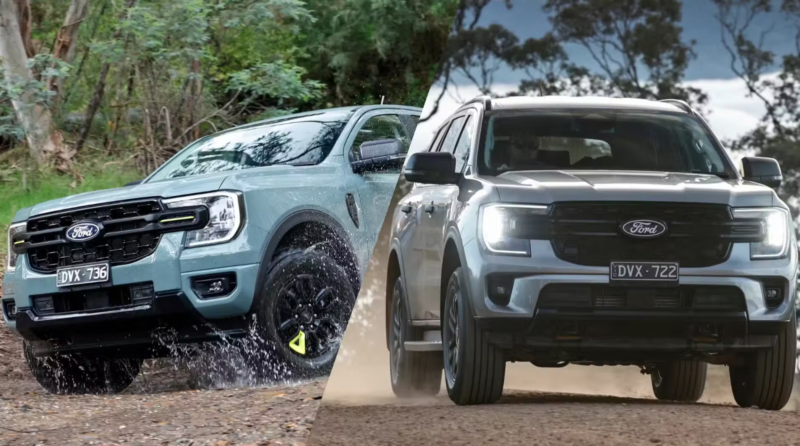
Owning a Ford Ranger brings the promise of rugged capability, but understanding its service costs is crucial for long-term budgeting. Routine maintenance, from oil changes to transmission fluid flushes, varies significantly based on model year and engine choice.
Factors like diesel versus petrol powertrains, regional labor rates, and whether you visit a dealership or independent mechanic all impact your final bill.
This article breaks down typical expenses for scheduled services, common repairs, and tire rotations, helping you anticipate what your wallet should expect. By knowing these costs upfront, you can make informed decisions to keep your Ranger reliable without overspending.
Understanding Ford Ranger Service Costs: A Comprehensive Breakdown
Owning a Ford Ranger is a rewarding experience, but staying on top of its maintenance is crucial for longevity and performance. Service costs can vary widely based on the model year, engine type (such as the 2.0L EcoBlue or 3.2L Duratorq), and whether you choose a dealership or an independent mechanic.
Generally, routine service intervals occur every 10,000 to 15,000 miles or annually, with costs ranging from a few hundred dollars for basic oil changes to over a thousand for major services.
Factors like timing belt replacements, DPF filter cleaning, and 4WD system maintenance significantly influence the total expense. Understanding these elements helps you budget effectively and avoid unexpected repair bills.
Routine Oil and Filter Changes: The Foundation of Service
The most frequent and essential service for your Ford Ranger is the oil and filter change, which is typically required every 5,000 to 7,500 miles if using conventional oil, or up to 10,000 miles with full synthetic oil. For a Ford Ranger, this service usually costs between $80 and $150 at a dealership, though independent shops may charge slightly less.
Using the correct oil grade commonly 5W-30 or 10W-40 depending on climate and engine is critical to prevent wear and maintain fuel efficiency.
Many owners overlook the importance of replacing the oil filter simultaneously, as a clogged filter can reduce oil pressure and damage components over time. Regular oil changes are the single most effective way to extend engine life and avoid costly repairs.
Major Service Intervals: Transmission, Coolant, and Belts
At around 60,000 to 100,000 miles, your Ford Ranger requires a major service that goes beyond basic maintenance. This typically includes replacing the automatic transmission fluid and filter (costing $300–$600), engine coolant flush ($150–$250), and spark plugs (for gasoline engines) or fuel filters (for diesels).
The timing belt (if equipped) is a critical component that must be changed every 100,000 miles or 7 years, costing between $500 and $1,200 depending on labor rates. Neglecting these services can lead to transmission failure, overheating, or catastrophic engine damage, so it’s vital to follow the owner’s manual schedule.
Additional Costs: Brakes, Tires, and Diesel Exhaust Fluid
Beyond scheduled services, Ford Ranger owners should budget for wear items like brake pads and rotors, which typically cost $250–$500 per axle for parts and labor. Tires are another significant expense, with all-terrain or highway tires ranging from $600 to $1,200 for a set.
For diesel variants, you’ll need to refill Diesel Exhaust Fluid (DEF) every 5,000–10,000 miles, costing about $15–$30 per gallon. Additionally, the Diesel Particulate Filter (DPF) may require cleaning or replacement at higher mileages, which can exceed $1,000. Regular inspections of these components help prevent unexpected failures and keep your Ranger running reliably.
| Service Type | Mileage Interval | Estimated Cost | Key Components |
|---|---|---|---|
| Oil & Filter Change | 5,000–10,000 miles | $80–$150 | Synthetic oil, oil filter |
| Transmission Fluid Service | 60,000–100,000 miles | $300–$600 | Automatic transmission fluid, filter |
| Timing Belt Replacement | 100,000 miles | $500–$1,200 | Timing belt, tensioner, water pump |
| Brake Pad & Rotor Replacement | 30,000–50,000 miles | $250–$500 per axle | Brake pads, rotors, calipers |
Understanding Routine Maintenance Intervals for Your Ford Ranger
Routine maintenance intervals for the Ford Ranger are critical for ensuring long-term reliability and preventing costly repairs. Ford recommends oil changes every 7,500 to 10,000 miles using full synthetic oil, while tire rotations and fluid checks should occur at similar intervals.
For diesel variants, the service schedule includes fuel filter replacements every 15,000 miles, and spark plug changes for gasoline engines at 30,000 miles. Adhering to these intervals helps maintain warranty coverage and optimizes fuel efficiency, as skipped services can lead to drivetrain wear or engine sludge.
Dealerships often charge $80–$150 for basic oil changes, but inflated inspection fees can raise costs. Using original equipment manufacturer (OEM) parts over aftermarket alternatives ensures compatibility, though at a higher price point, while independent shops may offer labor savings of 20–40%.
Average Cost Breakdown by Service Mileage
Service costs for a Ford Ranger vary significantly based on mileage milestones, with 30,000-mile services averaging $300–$500, including cabin air filter and brake fluid flushes. At 60,000 miles, expect $600–$900 for transmission fluid changes, spark plug replacements, and coolant flushes.
The 90,000-mile service often exceeds $1,200, covering timing belt inspections (or chain tensioner checks) and differential fluid swaps.
Diesel Rangers require additional costs like DPF cleaning at around $200 extra. Labor rates range from $100–$160 per hour at dealerships, versus $75–$110 at independent mechanics. Major services at 100,000 miles may include water pump and thermostat replacements, pushing costs to $1,500–$2,200.
Dealership vs. Independent Mechanic Pricing
Dealerships generally charge 20–40% more for Ford Ranger service due to specialized diagnostic equipment and trained technicians, with hourly rates between $130 and $180. Independent mechanics offer lower pricing but may lack proprietary software for electronic control unit (ECU) updates.
For DIY owners, parts such as oil filters ($8–$15) and air filters ($20–$40) are cheaper, but warranty compliance often requires dealer records.
Turbocharger repairs are notably costlier at dealers ($2,500+) versus independents ($1,800–$2,200). However, aftermarket parts may void certain emission warranties, so cost-benefit analysis is essential. Booking off-peak hours can reduce diagnostic fees by 10–15%.
Impact of Engine Type on Servicing Expenses
The 2.3-liter EcoBoost gasoline engine and 3.0-liter Power Stroke diesel engine have distinct service costs. Gasoline engines require spark plug replacements every 30,000 miles ($200–$300) and timing belt inspections at 100,000 miles ($500–$700). Diesel engines need fuel injector cleaning every 22,000 miles ($400–$600) and DPF regeneration ($150–$250).
Turbocharged variants incur additional cooling system maintenance, with intercooler checks costing $100–$180. Older 3.2-liter diesel models have higher oil capacity (7.5 quarts), increasing oil change costs by $25–$40. Overall, diesel servicing is 30–50% more expensive over 150,000 miles than gasoline counterparts.
Regional Differences in Labor and Parts Availability
Service costs for Ford Rangers vary by region due to labor rates and parts logistics. Urban areas like Los Angeles or New York have $150+ per hour shop rates, while rural zones in the Midwest average $85–$110. Rust-prone states (e.g., Michigan) require frequent brake fluid flushes ($90–$130) and coolant changes ($120–$180) due to corrosion.
Remote locations face 15–25% upcharges on parts from dealerships, while southern states have lower A/C system service costs ($150–$200). Canadian provinces impose higher taxes and shipping fees, adding 10–20% to total bills. Using local repair networks can reduce tow expenses if breakdowns occur.
Diagnostic fees for Ford Rangers average $100–$160 initially, with additional costs for retesting after repairs. Scheduled maintenance often includes “inspection charges” ($50–$90) for multi-point checks. Unexpected fluid top-offs (e.g., rear axle lubricant) add $25–$50, and shop supply fees (disposal, cleaning) tack on 5–10% to labor.
Recalls are free at dealerships but may require complementary services like software updates (occasionally charged if out-of-warranty). Turbo leaks or sensor failures can escalate bills by $400–$1,200 without prior warning. To avoid surprises, request itemized quotes and confirm authorization limits for additional work exceeding 10% of initial estimate.
Frequently Asked Questions
How much does a routine Ford Ranger service typically cost?
A standard Ford Ranger service, like an oil change and filter replacement, ranges from $120 to $250 at independent shops. Dealerships often charge higher, between $200 and $400. Costs depend on your model year and whether you need synthetic oil. Always check for seasonal coupons from local service centers to lower expenses.
What major service is needed for a Ford Ranger at 60,000 miles?
At 60,000 miles, Ford recommends a major service including transmission fluid change, spark plug replacement, and coolant flush. This comprehensive check can cost $500 to $900 at dealerships. Independent mechanics may offer it for $350 to $600. Neglecting it risks transmission wear and overheating, so budget accordingly.
Does the Ford Ranger require expensive diesel-specific servicing?
Diesel Ford Ranger models, like the 2.0L Bi-Turbo, need additional DPF regeneration and EGR system checks. These specialized tasks raise service costs by $100 to $200 per visit compared to gasoline variants. Expect diesel maintenance to cost $400 to $700 annually. Regular fluid changes are critical to avoid turbo failures.
How does tire replacement affect Ford Ranger service budgets?
Tire replacement for a Ford Ranger averages $150 to $300 per tire for all-terrain models. Alignments and rotations add $50 to $100. Since Rangers often wear tires faster due to AWD torque, plan for replacement every 35,000-50,000 miles. Prioritize quality tires to avoid alignment damage, which increases long-term service costs.
This content may interest you! How Much Does a Toyota RAV4 Service Cost?
Leave a Reply