
Are Toyota RAV4 Hybrids Good Cars? An Honest Buyer’s Guide
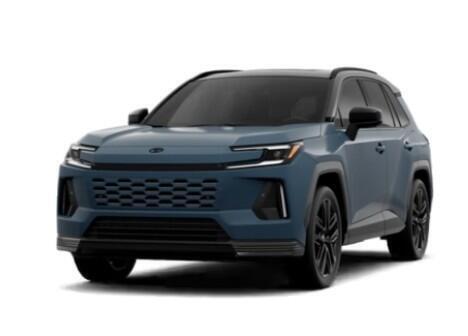
Are Toyota RAV4 Hybrids good cars? For most drivers, the answer is a confident yes. They combine impressive fuel economy, useful interior space, standard all-wheel-drive capability on many model years, and Toyota’s well-established hybrid technology in one practical compact SUV.
That does not mean the RAV4 Hybrid is perfect. No vehicle is. Its cabin can become noisy under hard acceleration, some interior materials feel more functional than luxurious, and used examples may command surprisingly high prices. Depending on where we live, insurance, servicing costs, winter weather, and local fuel prices can also change the ownership equation.
Still, the RAV4 Hybrid succeeds because it rarely asks its owner to make a painful compromise. It offers the fuel savings of a hybrid without demanding that we plug it in. It provides family-friendly practicality without feeling like a bulky full-size SUV. It also delivers stronger low-speed response than many conventional petrol-powered crossovers.
Think of it as a dependable multitool on wheels. It may not be the sharpest sports car, the plushest luxury SUV, or the toughest off-roader, but it handles everyday life remarkably well.
- What Is a Toyota RAV4 Hybrid?
- How Does the RAV4 Hybrid System Work?
- Are Toyota RAV4 Hybrids Reliable?
- How Long Does the RAV4 Hybrid Battery Last?
- Are RAV4 Hybrids Good on Fuel?
- Is the Toyota RAV4 Hybrid Fast?
- Is the RAV4 Hybrid Practical for Families?
- Is the Toyota RAV4 Hybrid Safe?
- Is the RAV4 Hybrid Good in Snow?
- Can a RAV4 Hybrid Go Off-Road?
- Can a Toyota RAV4 Hybrid Tow?
- What Are the Main Advantages of a RAV4 Hybrid?
- What Are the Disadvantages of a RAV4 Hybrid?
- Is a RAV4 Hybrid Cheaper to Maintain?
- Does a RAV4 Hybrid Save Enough Fuel to Be Worth It?
- Should We Buy a New or Used RAV4 Hybrid?
- Which Drivers Will Like the RAV4 Hybrid Most?
- Who Should Consider Something Else?
- How Does the RAV4 Hybrid Compare With a Petrol RAV4?
- How Does It Compare With a Plug-in Hybrid RAV4?
- Are Older Toyota RAV4 Hybrids Good Cars?
- Are Toyota RAV4 Hybrids Good Cars for First-Time Buyers?
- Is a High-Mileage RAV4 Hybrid Worth Buying?
- The Final Verdict: Are Toyota RAV4 Hybrids Good Cars?
- Frequently Asked Questions
What Is a Toyota RAV4 Hybrid?
A Toyota RAV4 Hybrid is a compact crossover that combines a petrol engine with electric motors and a high-voltage hybrid battery. Unlike a fully electric vehicle, it does not need to be connected to a charger.
The vehicle charges its battery while driving through regenerative braking and energy produced by the petrol engine. Its computer constantly decides when to use electric power, petrol power, or both.
From the driver’s seat, the process feels almost invisible. We start the vehicle, select Drive, and continue as normal. There is no need to manage charging schedules or search for public charging stations.
Toyota has offered hybrid versions of the RAV4 for several years, although equipment, performance, fuel economy, and technology vary by model year and market. Newer versions continue to develop the formula with updated infotainment, safety technology, and more efficient hybrid systems.
Toyota’s 2026 specifications show estimated combined fuel-economy ratings reaching approximately 41 mpg on certain configurations, although actual figures vary by trim, wheels, weather, driving style, and local testing standards.
How Does the RAV4 Hybrid System Work?
The RAV4 Hybrid blends several components:
- A petrol engine
- One or more electric motor-generators
- A high-voltage hybrid battery
- Regenerative braking
- An electronically controlled transmission
- A power-control system
- An electric rear motor on all-wheel-drive versions
At low speeds or under light acceleration, the RAV4 may move briefly using electric power. During harder acceleration, the petrol engine and electric motors work together. When slowing down, regenerative braking converts some of the vehicle’s movement into electricity and sends it back to the battery.
The transition between these modes is generally smooth. Most owners do not need to think about what the powertrain is doing. It behaves like an automatic vehicle while quietly juggling energy behind the curtain.
Does a RAV4 Hybrid Need to Be Plugged In?
A regular RAV4 Hybrid does not need external charging.
This is one of its greatest advantages. We receive meaningful fuel savings without changing our daily routine. There is no charging cable, wall-box installation, or dependence on charging infrastructure.
The RAV4 Plug-in Hybrid is different. It has a larger battery that can be charged externally and can cover more distance using electricity alone. Once its electric range is depleted, it can continue operating as a hybrid.
For buyers without reliable home charging, the standard self-charging RAV4 Hybrid is usually the simpler option.
Are Toyota RAV4 Hybrids Reliable?
Reliability is one of the strongest reasons to consider a RAV4 Hybrid.
Toyota has produced hybrid vehicles on a large scale for decades. That experience matters. The company is not treating hybrid technology like an unfinished experiment. Its petrol-electric systems have been refined through several generations of vehicles.
A hybrid does contain additional electrical components, but it also removes or reduces reliance on certain conventional parts. For example, Toyota’s hybrid transmission does not operate like a traditional stepped automatic gearbox with repeated gear changes. Regenerative braking can also reduce the workload placed on the conventional friction brakes.
Reliability still depends on several factors:
- Model year
- Maintenance history
- Accident history
- Climate
- Mileage
- Previous usage
- Recall completion
- Quality of past repairs
A neglected RAV4 Hybrid is not automatically a good purchase simply because it has a Toyota badge. A clean service history and professional inspection remain essential.
Can a Toyota RAV4 Hybrid Last 200,000 Miles?
A well-maintained RAV4 Hybrid has the potential to reach 200,000 miles, but no manufacturer can guarantee that every individual vehicle will do so.
Long-term durability depends on how the SUV has been driven and maintained. A vehicle covering gentle motorway miles may age differently from one used for repeated short journeys, rough roads, heavy cargo, or ride-share work.
To improve the chance of a long service life, we should:
- Follow the manufacturer’s maintenance schedule.
- Use the correct engine oil and fluids.
- Keep the hybrid battery cooling intake unobstructed.
- Address warning lights promptly.
- Check for outstanding recalls.
- Inspect the brakes, suspension, and underbody regularly.
- Avoid ignoring unusual noises or fluid leaks.
- Maintain correct tyre pressure.
The hybrid battery is important, but ordinary ageing components such as wheel bearings, suspension bushes, air-conditioning parts, 12-volt batteries, and electronic sensors can also affect long-term ownership costs.
How Long Does the RAV4 Hybrid Battery Last?
There is no single expiration date for a RAV4 Hybrid battery.
Some batteries may continue operating effectively for many years, while others can deteriorate sooner because of heat, mileage, contamination around the cooling system, manufacturing variation, or demanding use.
Hybrid batteries are designed to operate within a controlled state-of-charge range. The system does not normally allow the battery to remain completely full or completely empty. This protects the battery and helps extend its useful life.
Toyota’s US warranty coverage has also provided substantial protection for new hybrid buyers. Toyota announced that hybrid batteries in its model-year 2020 and newer hybrid vehicles receive coverage of 10 years or 150,000 miles, whichever comes first, in the United States. Other hybrid-system components generally have separate coverage. Warranty terms vary by country, model year, and vehicle history, so local documents should always be checked.
Is Replacing the Hybrid Battery Expensive?
A complete hybrid-battery replacement can be expensive, but the cost is not as simple as many online horror stories suggest.
The final price depends on:
- Whether the replacement is new, remanufactured, or used
- Labour rates
- Local parts availability
- Battery design
- Model year
- Warranty coverage
- Whether the entire pack or only another component has failed
Battery failure is possible, but it should not be treated as an inevitable early expense. When evaluating a used vehicle, we should focus on its actual condition rather than assuming that every older hybrid is standing beside a financial cliff.
A pre-purchase diagnostic scan and hybrid-system inspection can provide greater confidence.
Are RAV4 Hybrids Good on Fuel?
Yes. Fuel economy is one of the model’s biggest strengths.
A RAV4 Hybrid can be especially efficient in urban and suburban driving, where regenerative braking and low-speed electric assistance are used frequently. A conventional petrol vehicle wastes energy as heat every time it slows down. A hybrid captures some of that energy and feeds it back into the battery.
This makes stop-and-go traffic less painful. The hybrid system turns a frustrating commute into one of the conditions where it can perform at its best.
Toyota reported up to an estimated 41 mpg combined for certain 2025 RAV4 Hybrid versions, while figures differ across trims and model years.
Why Real-World Fuel Economy Can Vary
Official estimates are useful comparison tools, but they are not promises.
Real-world consumption can be affected by:
- Cold weather
- Short journeys
- High motorway speeds
- Roof boxes
- Heavy cargo
- Aggressive acceleration
- Low tyre pressure
- Larger wheels
- Mountainous roads
- Strong headwinds
- Cabin heating and air-conditioning use
Hybrids often lose some efficiency during cold weather because the petrol engine must run more frequently to warm the engine, battery, and cabin.
Even so, the RAV4 Hybrid can remain considerably more economical than many similarly sized non-hybrid SUVs.
Is the Toyota RAV4 Hybrid Fast?
The RAV4 Hybrid is not a sports SUV, but it rarely feels weak.
Electric motors deliver torque quickly, giving the vehicle responsive initial acceleration. That instant support is particularly useful when joining traffic, leaving intersections, or climbing hills.
Compared with some base petrol crossovers, the hybrid can feel livelier and more effortless. The system does not need to wait for the engine to build all its power before helping the vehicle move.
However, enthusiastic drivers may notice that the engine becomes vocal under heavy acceleration. The electronically controlled transmission can hold the engine at a steady, elevated speed while the vehicle gains momentum. This is effective, but the sound may feel less natural to drivers accustomed to distinct gear changes.
Is It Comfortable on Long Journeys?
For most families, yes.
The RAV4 Hybrid offers a relatively upright driving position, supportive seating, useful visibility, and a suspension tuned more for everyday comfort than sharp cornering.
It is well suited to motorway trips, weekend travel, and school runs. However, ride comfort can vary with wheel size. Versions fitted with larger wheels and lower-profile tyres may transmit more bumps into the cabin.
Road and wind noise can also become noticeable at higher speeds. The RAV4 Hybrid is not unbearably loud, but buyers expecting luxury-SUV refinement may find it more rugged and functional than hushed and plush.
A long test drive is valuable. A ten-minute loop around a dealership may not reveal how the seats, noise levels, and ride quality feel after an hour.
Is the RAV4 Hybrid Practical for Families?
Practicality is another major reason the RAV4 Hybrid sells so well.
The cabin provides useful headroom, rear-seat space, storage compartments, and a flexible luggage area. The rear doors open wide enough to make child-seat installation relatively manageable, while the raised ride height reduces the need to bend deeply when loading children or groceries.
The battery packaging does not turn the cargo area into a tiny afterthought. Toyota designed the hybrid components around the vehicle rather than simply dropping a large battery into the boot.
For daily family life, the RAV4 Hybrid can handle:
- Pushchairs
- Weekly groceries
- Sports equipment
- School bags
- Holiday luggage
- Pet carriers
- Small furniture
- Outdoor gear
The rear seats can be folded when more space is needed, although the floor may not be perfectly flat in every version.
What Is the Interior Quality Like?
The RAV4 Hybrid’s interior is practical rather than extravagant.
Its controls are generally large, clear, and easy to operate. Many frequently touched areas feel sturdy, and the cabin is designed to cope with real life. Muddy shoes, coffee cups, backpacks, and dog hair do not seem out of place.
Some plastics can feel hard, particularly lower in the cabin. Higher trims add more attractive upholstery, larger screens, upgraded audio equipment, heated seats, and additional convenience features, but the RAV4 still feels like a durable mainstream SUV rather than a small luxury model.
That may actually be part of its charm. We do not have to treat the cabin like a museum exhibit.
Is the Toyota RAV4 Hybrid Safe?
The RAV4 has generally performed respectably in independent safety testing, although ratings depend on the specific model year, headlights, trim, and test procedure.
IIHS information for the 2019–2025 generation shows strong results in several crashworthiness categories, alongside an “Acceptable” result in its updated side test for the vehicle tested. Safety-testing standards become more demanding over time, so results from different years should not be compared without context.
Depending on the year and market, safety and driver-assistance equipment may include:
- Automatic emergency braking
- Pedestrian detection
- Lane-departure warning
- Lane-keeping assistance
- Adaptive cruise control
- Blind-spot monitoring
- Rear cross-traffic alert
- Road-sign assistance
- Automatic high beams
- Parking sensors
- A surround-view camera
These systems can reduce risk, but they do not replace an attentive driver. Cameras can be blocked by dirt or snow, road markings may be difficult to detect, and driver-assistance functions have operational limits.
Is the RAV4 Hybrid Good in Snow?
A RAV4 Hybrid can be a capable winter vehicle, especially when equipped with suitable tyres.
Many RAV4 Hybrid versions use an electronic all-wheel-drive system. Instead of connecting the front and rear axles with a traditional driveshaft, the vehicle can use an electric motor to power the rear wheels when additional traction is needed.
This arrangement is compact and efficient. It can help when pulling away on wet, snowy, or loose surfaces.
However, all-wheel drive does not create unlimited grip. Tyres remain the most important point of contact between the SUV and the road. A front-wheel-drive vehicle on high-quality winter tyres can outperform an all-wheel-drive SUV on worn summer tyres.
What AWD Cannot Do
All-wheel drive can help the vehicle accelerate, but it does not magically shorten braking distances.
Drivers should still:
- Reduce speed
- Increase following distance
- Use appropriate seasonal tyres
- Clear snow from cameras and lights
- Avoid sudden steering inputs
- Brake progressively
- Carry emergency equipment in severe climates
The RAV4 Hybrid is winter-friendly, not winter-proof.
Can a RAV4 Hybrid Go Off-Road?
It can handle light off-road use, but it is not a dedicated rock crawler.
The RAV4 Hybrid is suitable for maintained gravel roads, snowy access routes, campsites, muddy car parks, and moderately uneven tracks. Its raised ground clearance and available electronic all-wheel drive provide more confidence than a low passenger car.
Its limitations include modest suspension travel, road-oriented tyres, vulnerable bodywork, and an all-wheel-drive system designed primarily for efficiency and everyday traction.
We should not expect it to perform like a Toyota 4Runner, Land Cruiser, or heavily modified off-road vehicle.
For frequent trail use, choosing the right tyres may make a greater difference than selecting the most expensive trim. A sensible set of all-terrain tyres can provide additional grip, although it may increase noise and reduce fuel economy.
Can a Toyota RAV4 Hybrid Tow?
Depending on the market and model year, a RAV4 Hybrid may be approved to tow a small trailer. However, towing capacity differs significantly between countries and configurations.
Local regulations, cooling systems, hitch ratings, trailer-brake requirements, and vehicle specifications can all affect the legal limit. We should never rely on a random figure from another country.
Before towing, confirm:
- The limit in the owner’s manual.
- The rating on the vehicle identification plate.
- The tow-bar limit.
- The trailer’s loaded weight.
- The permitted tongue or nose weight.
- Local licensing and braking rules.
- The vehicle’s total payload.
Passenger weight and luggage also count toward the vehicle’s load limits. A trailer may be within its own weight allowance while still causing the vehicle to exceed another rating.
For frequent heavy towing, a larger SUV or pickup may be a better fit.
What Are the Main Advantages of a RAV4 Hybrid?
The RAV4 Hybrid’s appeal comes from the way its strengths work together.
1. Strong Fuel Economy
It can reduce fuel use without requiring external charging.
2. Easy Hybrid Ownership
The system manages itself. We simply drive it like a normal automatic vehicle.
3. Useful Low-Speed Performance
Electric torque helps the SUV respond quickly in urban traffic.
4. Family-Friendly Space
The cabin and luggage area suit everyday family use.
5. Available or Standard AWD
Many versions provide electronic rear-wheel assistance without a heavy conventional system.
6. Proven Hybrid Experience
Toyota has spent decades refining petrol-electric powertrains.
7. Strong Resale Demand
Used RAV4 Hybrids often attract significant buyer interest, although this also means purchase prices can remain high.
8. Regenerative Braking
The vehicle recovers energy while slowing and may reduce wear on conventional brake components.
9. No Range Anxiety
When the fuel tank becomes low, we refill it like any petrol vehicle.
10. Broad Everyday Ability
It handles commuting, family trips, winter roads, shopping, and light adventure without feeling overly specialized.
What Are the Disadvantages of a RAV4 Hybrid?
A balanced answer to “Are Toyota RAV4 Hybrids good cars?” must include the drawbacks.
Higher Purchase Price
A hybrid version may cost more than a comparable petrol model. The difference can take years to recover through fuel savings.
Engine Noise During Acceleration
When pushed hard, the engine can sound busy and disconnected from road speed.
Firm Ride on Larger Wheels
Sportier trims may look attractive but can sacrifice some comfort.
Functional Interior Materials
The cabin is durable, though not always premium.
Limited Serious Off-Road Ability
Electronic AWD improves traction but does not transform the RAV4 into a heavy-duty off-roader.
Potentially Expensive Hybrid Repairs
Although major failures are not guaranteed, high-voltage components can be costly outside warranty.
Strong Used-Market Pricing
Reliability and popularity can keep second-hand prices elevated.
Model-Year-Specific Issues
Recalls, service campaigns, and recurring complaints can vary by year. For example, NHTSA lists recalls affecting certain RAV4 and RAV4 Hybrid vehicles, making a VIN-specific recall check essential before buying.
Is a RAV4 Hybrid Cheaper to Maintain?
Routine servicing is broadly similar to that of a petrol vehicle. The engine still needs oil changes, filters, coolant checks, tyres, and inspections.
Potential maintenance advantages include reduced brake wear and the absence of some traditional transmission components. However, these savings do not make the vehicle maintenance-free.
Typical service items can include:
- Engine oil and filter
- Cabin air filter
- Engine air filter
- Brake inspection
- Tyre rotation
- Wheel alignment
- Coolant checks
- Wiper blades
- 12-volt battery
- Spark plugs at the specified interval
- Hybrid battery cooling-system inspection
- Suspension and steering components
The correct maintenance schedule depends on the model year, market, mileage, and operating conditions.
Do Hybrids Need Special Mechanics?
Basic servicing can often be completed by an experienced general workshop, but high-voltage repairs require appropriate training, safety procedures, and equipment.
A competent hybrid technician should understand:
- High-voltage isolation
- Battery diagnostics
- Cooling-system inspection
- Hybrid fault codes
- Electrical safety
- Manufacturer-specific repair procedures
For complicated hybrid faults, choosing a specialist is wiser than allowing an inexperienced mechanic to learn through trial and error.
Does a RAV4 Hybrid Save Enough Fuel to Be Worth It?
The answer depends on how and where we drive.
A hybrid generally makes more financial sense for drivers who:
- Cover substantial annual mileage
- Spend time in urban traffic
- Face high fuel prices
- Plan to keep the vehicle for several years
- Want AWD with relatively low fuel consumption
- Can buy without paying an excessive dealer premium
The financial argument may be weaker for drivers who:
- Travel very few miles
- Mostly drive at constant motorway speeds
- Face a large hybrid price premium
- Replace vehicles frequently
- Can purchase a petrol version at a major discount
- Prioritize the lowest possible initial price
To estimate potential savings, compare the real purchase prices and expected fuel consumption of both versions.
For example:
Annual fuel cost = annual distance ÷ fuel economy × fuel price
We should also consider depreciation, financing, insurance, maintenance, and resale value. Fuel is important, but it is only one slice of the ownership pie.
Should We Buy a New or Used RAV4 Hybrid?
A new RAV4 Hybrid offers the latest technology, full warranty coverage, and a known history. It also carries the highest purchase price and may depreciate most heavily during its early years.
A used model can provide better value, but only when its condition and price make sense. Because RAV4 Hybrids retain value well, lightly used examples sometimes cost almost as much as new ones.
What to Check Before Buying Used
Inspect the following areas carefully:
- Complete maintenance records
- Warning lights
- Hybrid-system messages
- Accident repairs
- Uneven tyre wear
- Water leaks
- Roof-rail staining or moisture
- Suspension noises
- Brake condition
- Air-conditioning performance
- 12-volt battery health
- High-voltage battery cooling intake
- Infotainment operation
- Charging operation on plug-in versions
- Outstanding recalls
- Condition of both keys
A vehicle-history report is useful, but it cannot replace a physical inspection. Not every repair, collision, or maintenance event appears in a database.
Should We Get a Hybrid Battery Test?
For an older or high-mileage vehicle, a hybrid-system assessment is sensible.
A technician may examine fault codes, temperature differences, battery-block voltage behaviour, and cooling performance. No test can predict the exact day a battery will fail, but abnormal readings can reveal reasons for concern.
The inspection should also cover the entire vehicle. A healthy hybrid battery cannot compensate for crash damage, neglected oil changes, worn suspension, or serious corrosion.
Which Drivers Will Like the RAV4 Hybrid Most?
The RAV4 Hybrid is particularly well suited to:
- Commuters
- Small families
- Retired couples
- Urban and suburban drivers
- Drivers in wet or snowy areas
- Buyers keeping a vehicle long term
- People who want better fuel economy without charging
- Outdoor enthusiasts using maintained access roads
- Ride-share drivers who need passenger and luggage space
It is an excellent middle-ground vehicle. It does not demand that we reorganize our lives around it.
Who Should Consider Something Else?
The RAV4 Hybrid may not be ideal for buyers who want:
- Luxury-level cabin refinement
- Engaging sports-car handling
- Serious off-road ability
- Heavy towing capacity
- Three rows of seats
- The lowest possible purchase price
- Maximum electric-only driving
- A silent motorway cabin
- A compact vehicle for tight urban parking
A plug-in hybrid or electric SUV may suit drivers with home charging and short daily journeys. A larger SUV may be better for towing or seven-seat transport. A smaller hybrid crossover may be more efficient and easier to park.
A good vehicle can still be the wrong vehicle for a particular owner.
How Does the RAV4 Hybrid Compare With a Petrol RAV4?
The hybrid usually offers better urban fuel economy, stronger initial acceleration, and smoother low-speed operation. It may also include all-wheel drive as part of its hybrid arrangement, depending on the model year and market.
The petrol version may offer:
- A lower initial price
- Simpler familiarity for some technicians
- Different towing capabilities in certain markets
- More trim or drivetrain choices
- Better value for low-mileage drivers
The hybrid is not automatically cheaper overall. We need to calculate the price difference and expected ownership period.
However, many drivers prefer the hybrid even beyond fuel savings. Its electric assistance makes the vehicle feel more responsive, and its ability to move quietly at low speeds adds a polished touch to daily driving.
How Does It Compare With a Plug-in Hybrid RAV4?
The plug-in version provides a larger battery, meaningful electric-only driving, and substantially more power. It can be an excellent choice for someone who charges at home and completes most daily journeys within its electric range.
The standard hybrid offers several advantages:
- Lower purchase price
- Lower weight
- No need for charging
- Simpler daily use for apartment residents
- Broader value appeal
- No dependence on charging habits
A plug-in hybrid only reaches its full economic and environmental potential when it is charged regularly. Driving it without charging means carrying a larger, more expensive battery without using its primary advantage.
Are Older Toyota RAV4 Hybrids Good Cars?
Older examples can be excellent used vehicles, but age changes the buying priorities.
With a newer vehicle, we may focus on trim, colour, technology, and price. With an older vehicle, condition becomes more important than cosmetic preferences.
A well-maintained base model with complete records can be a wiser purchase than a high-spec vehicle with questionable history.
Older examples may have:
- Dated infotainment systems
- Fewer driver-assistance features
- Battery ageing
- Worn suspension components
- Cosmetic deterioration
- Higher mileage
- Shorter remaining warranty coverage
- Previous accident repairs
None of these points automatically disqualifies a vehicle. They simply justify careful inspection and realistic budgeting.
Are Toyota RAV4 Hybrids Good Cars for First-Time Buyers?
They can be, provided the purchase price and insurance costs fit the buyer’s budget.
The upright seating position, reversing camera, predictable controls, automatic hybrid system, and available driver-assistance technology make the RAV4 relatively approachable.
Its size provides useful space without becoming as intimidating as a large SUV. However, it is still wider and heavier than a small hatchback. New drivers should test parking visibility and check local insurance quotes before committing.
A first vehicle should not consume every available dollar. Buyers need room in the budget for:
- Insurance
- Registration
- Fuel
- Tyres
- Routine servicing
- Unexpected repairs
- Parking
- Finance charges
Reliability reduces risk, but it does not erase ownership costs.
Is a High-Mileage RAV4 Hybrid Worth Buying?
A high-mileage example can be worthwhile when the price reflects its use and the maintenance history is strong.
Mileage alone does not tell the entire story. A newer SUV with high motorway mileage may be in better condition than an older low-mileage vehicle used only for short, cold trips.
Look for evidence of responsible ownership:
- Consistent servicing
- Matching quality tyres
- Clean fluids
- No dashboard warnings
- Smooth acceleration
- Quiet wheel bearings
- Even braking
- Functional climate control
- No signs of overheating
- No suspiciously fresh repairs hiding corrosion or leaks
High mileage should bring a meaningful discount. We should not pay low-mileage money for a vehicle that is already deep into its service life.
The Final Verdict: Are Toyota RAV4 Hybrids Good Cars?
Yes, Toyota RAV4 Hybrids are good cars for a wide range of buyers.
They deliver strong fuel economy, practical interior space, easy everyday driving, useful electric assistance, and the convenience of a hybrid system that never needs to be plugged in. Toyota’s experience with hybrid engineering further strengthens the model’s appeal.
The RAV4 Hybrid is especially convincing for families, commuters, and long-term owners who want an efficient SUV without moving fully into electric-car ownership.
Its weaknesses are real. It can become noisy under acceleration, used prices can be high, larger wheels may produce a firmer ride, and the interior does not always feel luxurious. It is also designed for ordinary roads and light trails rather than severe off-roading or heavy towing.
The smartest approach is to choose the right model year, avoid overpaying, verify recall completion, and inspect any used example properly.
The RAV4 Hybrid is not exciting in the way a sports car is exciting. Its appeal is quieter. It starts each morning, carries people and luggage, saves fuel, handles bad weather, and generally avoids turning ownership into a weekly drama.
Sometimes, the best car is not the one that constantly demands attention. It is the one that simply fits into our lives.
Frequently Asked Questions
1. Are Toyota RAV4 Hybrids expensive to repair?
Routine maintenance is generally comparable to that of a conventional petrol SUV. High-voltage components can be expensive if they fail outside warranty, but major hybrid-system failure should not be assumed. Regular servicing and proper diagnosis help control repair risk.
2. Do RAV4 Hybrids work without the battery?
The high-voltage hybrid battery and electrical system are essential parts of the powertrain. The vehicle is not designed to operate normally after a major hybrid-battery failure. It also uses a separate 12-volt battery to activate its electrical systems and start the hybrid control sequence.
3. Is the RAV4 Hybrid better for city or motorway driving?
It performs well in both environments, but its biggest efficiency advantage often appears in city and suburban driving. Regenerative braking and electric assistance are used more frequently in stop-and-go conditions.
4. How often does a RAV4 Hybrid need servicing?
Service intervals depend on the model year, country, mileage, and driving conditions. Owners should follow the schedule in the official maintenance guide rather than relying on a universal interval found online.
5. Is a used RAV4 Hybrid a safe purchase?
It can be a strong used-car choice when it has a documented service history, no unresolved warning lights, acceptable battery performance, and no outstanding recalls. A pre-purchase inspection is strongly recommended.
This content may interest you! Toyota RAV4 Hybrid Battery Replacement Cost New Zealand: What Kiwi Owners Should Really Expect
Leave a Reply