
Are Hybrid SUVs Worth It in New Zealand?
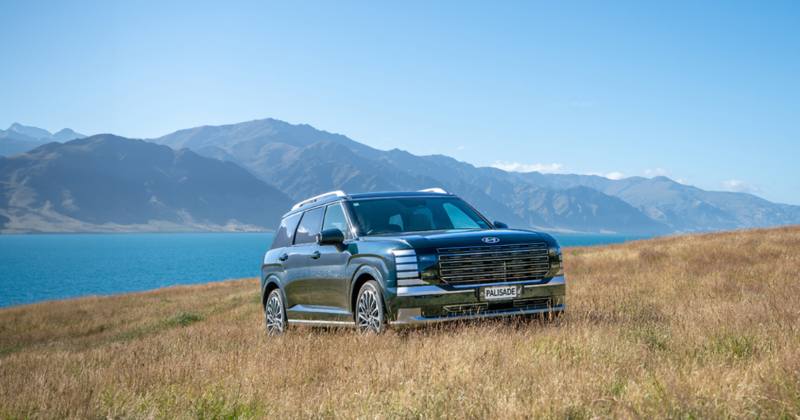
As New Zealanders embrace a shift toward more sustainable driving, hybrid SUVs have surged in popularity, promising lower emissions and fuel savings. Yet, with higher upfront costs and a unique local landscape, the question remains: are they truly worth the investment?
From winding rural roads to urban commutes, these vehicles offer a blend of efficiency and versatility, but factors like purchase price, maintenance, and charging infrastructure matter.
This article explores the real-world benefits and drawbacks of hybrid SUVs in New Zealand, weighing their economic and environmental impact against traditional petrol or electric alternatives to help you decide if they suit your lifestyle.
- Are Hybrid SUVs Worth It in New Zealand?
- Financial Incentives and Long-Term Savings for Hybrid SUV Owners in New Zealand
- Fuel Efficiency and Petrol Costs in New Zealand's Driving Conditions
- Resale Value Reliability and Market Demand in New Zealand
- Environmental Impact and Emissions Reduction in Urban Areas
- Terrain Adaptability and Towing Capacity for Lifestyle Needs
- Charging Infrastructure and Home Energy Integration Options
- Frequently Asked Questions
Are Hybrid SUVs Worth It in New Zealand?
Hybrid SUVs have become increasingly popular in New Zealand due to their promise of lower fuel costs and reduced environmental impact. In a country where petrol prices are historically high and distances can be long, the hybrid system’s ability to switch between an electric motor and a petrol engine offers significant savings, especially in urban stop-and-go traffic.
However, the higher upfront purchase price compared to a standard petrol SUV must be weighed against potential savings over time. Additionally, New Zealand’s growing network of charging stations is less of a concern for self-charging hybrids, which do not require plugging in, making them a practical choice for many Kiwi drivers.
The overall worth depends heavily on your driving habits, annual mileage, and how long you plan to keep the vehicle.
Fuel Efficiency and Cost Savings in New Zealand Conditions
Hybrid SUVs excel in fuel efficiency primarily in city driving, where the electric motor handles low-speed commuting and the petrol engine recharges the battery through regenerative braking. On New Zealand’s often hilly and winding roads, the hybrid system can also reduce fuel consumption by capturing energy during descents.
For a typical Kiwi driver covering 15,000 km per year, a hybrid SUV can save up to 30-40% on fuel costs compared to a conventional petrol SUV, translating to hundreds of dollars annually. However, on long motorway journeys, the efficiency gap narrows, meaning the premium paid for a hybrid may take longer to recoup for highway-heavy users.
Environmental Impact and the Clean Car Discount
New Zealand’s government has historically encouraged low-emission vehicles through programs like the Clean Car Discount, which provided rebates for new hybrid and electric vehicles, making them more affordable. Although this scheme ended, hybrids still produce fewer CO2 emissions than petrol-only SUVs, aligning with the country’s goal of reducing transport emissions.
A hybrid SUV can significantly lower your carbon footprint, particularly if you drive in urban areas where the electric motor operates most. For environmentally conscious buyers, the reduced tailpipe emissions contribute to better air quality in cities like Auckland and Wellington, making the investment worthwhile beyond just financial savings.
Resale Value and Long-Term Reliability in New Zealand
The resale value of hybrid SUVs in New Zealand has remained strong due to consistent demand from buyers seeking lower running costs. Popular models like the Toyota RAV4 Hybrid and Mitsubishi Outlander PHEV often hold their value better than petrol equivalents, partly because of their reputation for reliability and fuel economy.
Battery technology has also improved, with modern hybrids offering warranties of up to 10 years or 160,000 km on the hybrid system, providing peace of mind.
However, potential buyers should consider that older hybrids may require battery replacement, which can be costly, but the long-term reliability of Japanese and Korean hybrid SUVs is generally well-rated in the New Zealand market.
| Factor | Hybrid SUV | Petrol SUV | Diesel SUV |
|---|---|---|---|
| Average fuel cost per year (15,000 km) | $1,800 - $2,200 | $2,800 - $3,500 | $2,000 - $2,500 |
| Upfront price premium | +$5,000 - $8,000 | Base price | +$2,000 - $4,000 |
| CO2 emissions (g/km) | 90 - 120 | 150 - 200 | 130 - 170 |
| Resale value after 5 years | 55-60% | 45-50% | 50-55% |
| Best driving environment | City & suburban | Mixed | Highway & towing |
Financial Incentives and Long-Term Savings for Hybrid SUV Owners in New Zealand
The Clean Car Discount in New Zealand previously offered rebates for low-emission vehicles, including many hybrid SUVs, reducing upfront costs significantly, though the program has been phased out for some vehicle types.
While the rebate landscape has shifted, fuel savings remain substantial, with hybrids typically achieving 30-50% better fuel economy than their petrol-only counterparts, a crucial advantage given New Zealand's volatile fuel prices.
Additionally, road user charges (RUCs) for plug-in hybrids are lower than for fully electric vehicles, and reduced maintenance costs from less strain on the engine and brakes further enhance long-term value, making the total cost of ownership more attractive over 5-7 years.
Fuel Efficiency and Petrol Costs in New Zealand's Driving Conditions
Hybrid SUVs excel in stop-start urban traffic, common in Auckland and Wellington, where the electric motor handles low-speed driving and recaptures energy through regenerative braking, slashing fuel consumption by up to 40% compared to conventional SUVs.
On open roads, such as State Highway 1, the combined petrol-electric system optimizes power delivery, reducing reliance on expensive 91-octane fuel, which has averaged $2.80 per liter in major centers. This efficiency translates to annual savings of $1,500 to $2,500 for average drivers of 15,000 km, offsetting higher initial purchase prices over time.
Resale Value Reliability and Market Demand in New Zealand
Hybrid SUVs from brands like Toyota, Honda, and Mitsubishi maintain higher resale values than pure petrol models, thanks to strong demand in New Zealand's pre-owned vehicle market, where 10-15% depreciation occurs in the first three years versus 20-25% for non-hybrids.
The Toyota RAV4 Hybrid, for instance, often sells within weeks on Trade Me, commanding $3,000–$5,000 more than its petrol equivalent after three years. Battery durability concerns are mitigated by manufacturer warranties covering 8-10 years, aligning with typical ownership cycles and reassuring buyers about long-term value.
Environmental Impact and Emissions Reduction in Urban Areas
Hybrid SUVs reduce CO2 emissions by 25-30% relative to petrol-only models, crucial for New Zealand's goal of achieving net-zero emissions by 2050 and improving air quality in cities like Christchurch, where particulate pollution is a concern.
The electric-only range in many hybrids (e.g., 40-60 km for plug-in models) allows for zero-emission commutes for drivers living within 20 km of work, while the petrol engine ensures long-distance capability for regional travel. This dual-mode operation lowers localized NOx and PM2.5 emissions, benefiting health in dense urban zones.
Terrain Adaptability and Towing Capacity for Lifestyle Needs
Unlike some pure electric SUVs, hybrids offer seamless power delivery on New Zealand's varied terrain, from the steep hills of Dunedin to gravel roads in the Coromandel, with the electric motor providing instant torque at low speeds.
Most hybrid SUVs, such as the Mitsubishi Outlander PHEV, maintain towing capacity of 1,500-2,000 kg, sufficient for boats or caravans, while using the petrol engine for sustained heavy loads. This flexibility ensures they suit active outdoor lifestyles without the range anxiety associated with EVs on remote South Island highways.
Charging Infrastructure and Home Energy Integration Options
Plug-in hybrid SUVs benefit from New Zealand's expanding public charging network, with over 1,200 charging stations nationwide as of 2025, including fast chargers along key routes like the Desert Road.
Homeowners can integrate solar panels and off-peak electricity tariffs (often $0.15/kWh at night) to charge the battery for daily commutes, slashing fuel costs to near-zero for short trips. For non-plug hybrids (e.g., Toyota Corolla Cross Hybrid), no charger is needed, making them ideal for renters or those without off-street parking, while still capturing savings from regenerative braking.
Frequently Asked Questions
Are hybrid SUVs fuel-efficient enough for New Zealand’s driving conditions?
Yes, hybrid SUVs are highly fuel-efficient for New Zealand’s varied terrain, especially in city driving where electric motors handle stop-start traffic. On highways, they combine petrol and electric power smoothly, reducing consumption versus conventional SUVs. However, efficiency drops slightly on steep hills or long road trips, yet hybrids still offer better overall mileage, saving costs over time. For urban commuters or mixed driving, they’re a practical choice.
Do hybrid SUVs have enough power for New Zealand’s steep roads?
Hybrid SUVs perform well on New Zealand’s steep roads thanks to instant electric torque that aids climbing. While some models may feel less responsive than turbo-diesel SUVs at high altitudes, most hybrids provide sufficient power for everyday driving, including mountainous routes. The combination of petrol and electric motors maintains steady acceleration, and regenerative braking helps on descents. For typical Kiwi driving, they’re adequately capable.
Are hybrid SUVs cost-effective in New Zealand considering running and maintenance?
Hybrid SUVs can be cost-effective in New Zealand due to lower fuel consumption, especially with high petrol prices. Maintenance is often cheaper than diesels, as hybrids have fewer moving parts and brake components last longer. However, initial purchase prices are typically higher, and battery replacement costs can impact long-term savings. Government rebates on low-emission vehicles may offset this, making hybrids viable for frequent drivers.
Is the charging infrastructure in New Zealand adequate for hybrid SUVs?
For plug-in hybrid SUVs (PHEVs), New Zealand’s charging network is growing but still limited in rural areas, so relying on public chargers alone may be challenging. However, most hybrid SUVs are self-charging, using regenerative braking and the engine, meaning no external charging needed. This makes them highly practical for nationwide travel without dependence on infrastructure, though PHEV owners benefit from home charging for urban commutes.
This content may interest you! Toyota Voxy Fuel Tank Capacity: Complete Guide by Generation
Leave a Reply