
Is the Nissan Murano a Good Car? Reliability, Comfort, Pros, Cons, and Buying Advice
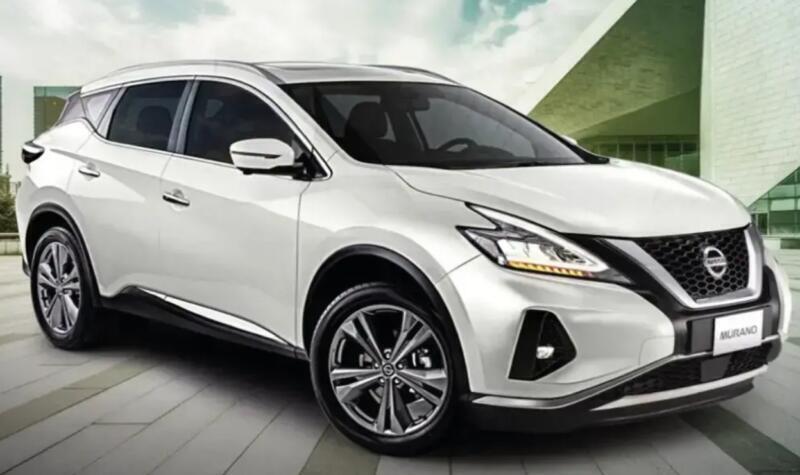
If you have been browsing midsize SUVs and keep coming back to the Nissan Murano, there is probably one question sitting at the top of your mind: is the Nissan Murano a good car?
For many drivers, the answer is yes. The Murano has traditionally focused less on rugged off-road ability and more on comfort, smooth driving, spacious seating, upscale styling, and everyday usability. It has often felt like the SUV equivalent of a comfortable lounge chair—soft around the edges, relaxed on the road, and designed to make ordinary journeys feel easier.
That does not mean every Murano is automatically a great purchase. Reliability can depend heavily on the model year, maintenance history, drivetrain, mileage, and how the previous owner treated the vehicle. Certain older Muranos also developed a reputation for expensive transmission-related repairs, which means buying blindly is never a smart strategy.
In this guide, we will examine the Nissan Murano from practically every angle: reliability, comfort, performance, fuel economy, ownership costs, longevity, safety, common problems, resale value, and whether buying one used actually makes financial sense.
- Is the Nissan Murano a Good Car Overall?
- What Makes the Nissan Murano Different From Other SUVs?
- Is the Nissan Murano Reliable?
- How Long Does a Nissan Murano Last?
- Is the Nissan Murano Comfortable?
- Is the Nissan Murano Good for Families?
- Nissan Murano Interior Quality
- How Does the Nissan Murano Drive?
- Nissan Murano Fuel Economy
- Is the Nissan Murano Expensive to Maintain?
- Common Nissan Murano Problems
- Which Nissan Murano Years Are Best?
- Which Nissan Murano Years Should We Be Careful With?
- Nissan Murano Safety
- Is the Nissan Murano Good in Snow?
- Is the Nissan Murano Good for Road Trips?
- How Much Cargo Space Does the Nissan Murano Have?
- Is the Nissan Murano Better Than the Nissan Rogue?
- Nissan Murano vs Toyota Highlander
- Nissan Murano vs Ford Edge
- Nissan Murano vs Honda CR-V
- Does the Nissan Murano Hold Its Value?
- What Should You Check Before Buying a Used Nissan Murano?
- Is a High-Mileage Nissan Murano Worth Buying?
- Is the Nissan Murano a Good First Car?
- Is the Nissan Murano Good for Seniors?
- How Expensive Is Nissan Murano Insurance?
- Should You Buy a Nissan Murano With AWD?
- Pros and Cons of the Nissan Murano
- Who Should Buy a Nissan Murano?
- Who Should Avoid a Nissan Murano?
- Is a Nissan Murano Worth Buying Used?
- Final Verdict: Is the Nissan Murano a Good Car?
- Frequently Asked Questions About the Nissan Murano
Is the Nissan Murano a Good Car Overall?
For drivers who value comfort, interior space, quiet cruising, and distinctive styling, the Nissan Murano can be a very good SUV.
Rather than trying to compete directly with serious off-road SUVs, Nissan positioned the Murano as something closer to a premium crossover. It typically offers two rows of seating, generous passenger space, a comfortable suspension, and an interior designed around relaxed everyday transportation.
We would describe the Murano as particularly well suited to:
- Commuters wanting a comfortable midsize crossover.
- Couples or small families that do not need three rows.
- Drivers who prefer smoothness over aggressive handling.
- Buyers wanting more interior room than a compact SUV provides.
- Used-car shoppers looking for premium-like comfort without luxury-brand prices.
Its biggest weaknesses historically have included transmission concerns on certain generations, average rather than exceptional fuel economy, and resale values that generally do not match segment leaders such as Toyota.
So, is a Nissan Murano good? Yes, provided you choose the right model year and verify its maintenance history before purchasing.
What Makes the Nissan Murano Different From Other SUVs?
Walk through a parking lot filled with midsize crossovers and many of them blend together like grey clouds. The Murano has usually tried to do the opposite.
Nissan gave it bold styling, large headlights, sweeping body lines, and an unusually upscale-looking cabin for a mainstream-brand SUV.
But styling is only half the story.
The Murano's personality has traditionally revolved around comfort. Steering tends to be light, suspension tuning favors smoothness, and the cabin feels more relaxed than sporty.
Comfort Comes Before Sportiness
Some SUVs almost challenge us to drive faster.
The Murano does not.
It encourages relaxed driving.
That can actually be refreshing. If your average journey consists of commuting, grocery runs, motorway driving, school pickups, and weekend trips, sharp cornering performance probably matters less than comfortable seats and a quiet cabin.
The Murano understands that.
Is the Nissan Murano Reliable?
Reliability is one of the most important questions surrounding any used Nissan Murano.
Overall reliability varies significantly depending on generation and model year.
The Murano's engines have generally earned a better reputation than some of its transmissions. Nissan used its VQ-series V6 engine extensively for years, and properly maintained examples can accumulate substantial mileage.
The larger concern has historically been Nissan's continuously variable transmission, commonly called a CVT.
Understanding the Murano CVT
A CVT works differently from a traditional automatic transmission. Instead of moving through several fixed gears, it continuously adjusts its ratio to keep the engine operating efficiently.
In theory, this creates smooth acceleration.
In practice, some older Nissan CVTs developed problems.
Symptoms can include:
- Hesitation during acceleration.
- Shuddering or vibration.
- High engine RPM without proportional acceleration.
- Overheating.
- Whining noises.
- Delayed engagement.
- Complete transmission failure.
Not every Nissan Murano develops CVT problems, and many owners drive them for years without major transmission trouble.
Still, the transmission deserves extra attention when buying an older Murano.
Why Maintenance Records Matter
A Murano with 140,000 miles and excellent maintenance records may actually be a safer purchase than one showing 80,000 miles with almost no documented servicing.
Maintenance records tell a story.
We want to know whether fluids were changed, whether warning signs were addressed promptly, and whether the vehicle has been cared for consistently instead of simply driven until something broke.
How Long Does a Nissan Murano Last?
A properly maintained Nissan Murano can potentially reach 150,000 to 200,000 miles or more.
Mileage alone, however, should never determine whether a Murano is worth buying.
A vehicle's lifespan depends on several factors:
Regular Maintenance
Oil changes, fluid servicing, brakes, cooling-system maintenance, and suspension inspections dramatically affect longevity.
Ignoring maintenance is like skipping dentist appointments for ten years and expecting perfect teeth. Eventually, something expensive usually catches up with us.
Driving Conditions
Highway mileage is typically easier on a vehicle than repeated short urban journeys.
Stop-and-go traffic creates more heat, braking, acceleration, and transmission workload.
Climate
Extreme heat can place additional stress on transmissions, cooling systems, batteries, and rubber components.
Road salt in colder regions can also introduce rust concerns.
Previous Ownership
A carefully driven family vehicle and a neglected Murano driven aggressively every day may look identical from twenty feet away.
Underneath, they can be completely different machines.
Is the Nissan Murano Comfortable?
Comfort is arguably one of the Murano's greatest strengths.
Nissan has long emphasized ergonomic seats, and Murano models are frequently praised for supportive front seating and generous legroom.
Front-Seat Comfort
The seating position is elevated without feeling excessively truck-like.
Drivers generally receive good outward visibility, while seat cushioning is soft enough for longer journeys without feeling like a park bench.
Rear-Seat Space
The Murano's two-row layout gives Nissan more room to prioritize rear passengers.
This content may interest you! Nissan Murano Models New Zealand: Generations, Specs, Trims and Buying Guide
Adults can usually sit comfortably in the back, which makes the Murano useful for families whose children have already grown beyond child-seat age.
Ride Quality
Ride comfort tends to be another strong point.
Small bumps and imperfect road surfaces are usually absorbed without sending sharp shocks through the cabin.
That matters more than specifications suggest.
After three hours on the motorway, a softer suspension can be worth far more than an extra fraction of a second in a 0–60 mph test.
Is the Nissan Murano Good for Families?
For smaller families that do not require seven seats, the Murano can be excellent.
It offers enough passenger room for four adults to travel comfortably while still providing a useful cargo area.
Parents may appreciate the wide doors and relatively high seating position when installing child seats.
However, families needing a third row should look elsewhere.
The Murano is intentionally a five-seat crossover.
Where the Murano Works Best
A family with one or two children will probably find the Murano spacious.
A family regularly transporting six people will not.
This sounds obvious, but vehicle buyers sometimes purchase based on appearance before thinking carefully about how many passengers they actually transport.
Nissan Murano Interior Quality
One reason buyers frequently consider the Murano against more expensive SUVs is its interior.
Depending on trim level, you may find:
- Leather or leather-like upholstery.
- Heated seats.
- Power-adjustable front seating.
- Large infotainment displays.
- Premium audio systems.
- Panoramic roof options.
- Driver-assistance technology.
- Dual-zone climate control.
- Heated steering wheel availability.
Higher trims can feel surprisingly luxurious.
No, we would not confuse a Murano cabin with a Range Rover.
But compared with many mainstream crossovers, it can feel impressively refined.
How Does the Nissan Murano Drive?
The Murano is not a sports SUV.
And that is perfectly fine.
Acceleration from V6-powered models is generally adequate to strong for normal driving. The vehicle feels comfortable merging onto highways and overtaking slower traffic.
The CVT tends to prioritize smooth power delivery rather than dramatic shifts.
Steering Feel
Steering is generally light.
Around town, that makes parking and low-speed maneuvering easy.
On twisty roads, drivers seeking strong steering feedback may find it less engaging.
Cornering
The Murano handles safely and predictably, but its suspension prioritizes comfort.
Push hard through corners and you may notice more body movement than you would in a sport-focused crossover.
Again, this vehicle would rather carry you peacefully to your destination than pretend it is a track car.
Nissan Murano Fuel Economy
Fuel economy has traditionally been respectable but not class-leading.
Older V6 models offer decent efficiency considering their size and power, but drivers moving from compact SUVs may notice higher fuel consumption.
Real-world economy depends heavily on:
- Traffic.
- Driving style.
- Vehicle condition.
- Tyre pressure.
- Climate.
- Wheel size.
- Highway versus city driving.
- All-wheel-drive versus front-wheel-drive configuration.
Aggressive acceleration can quickly reduce economy.
The Murano rewards smoother driving.
Is the Nissan Murano Expensive to Maintain?
Compared with luxury SUVs, Murano maintenance is usually fairly reasonable.
Compared with simpler mainstream vehicles, however, certain repairs can become expensive.
Routine maintenance normally includes:
- Engine oil and filter changes.
- Tyre rotation.
- Brake servicing.
- Engine air filters.
- Cabin filters.
- Coolant maintenance.
- Transmission-fluid servicing where specified.
- Spark plugs at higher mileage.
- Suspension component replacement as the vehicle ages.
The real financial risk is not ordinary servicing.
It is major drivetrain repair.
Transmission Replacement Can Be Expensive
A failed CVT can transform an inexpensive used Murano into a very expensive ownership experience.
That is why we would rather pay slightly more for a Murano with documented maintenance than save money on one with questionable history.
Cheap purchase prices can sometimes hide expensive futures.
Common Nissan Murano Problems
Different model years experience different issues, but several categories are worth watching.
CVT Transmission Problems
This is probably the best-known concern on older Muranos.
During a test drive, pay attention to acceleration from low speeds and highway merging.
Any unusual shuddering, slipping sensation, hesitation, whining, or delayed response deserves investigation.
Suspension Wear
As mileage increases, suspension components can wear.
Potential symptoms include:
This content may interest you!Nissan Murano Reliability by Year New Zealand: Which Years Are Best?- Knocking over bumps.
- Uneven tyre wear.
- Steering looseness.
- Vibration.
- Reduced ride quality.
Wheel Bearing Noise
A worn wheel bearing may produce humming or growling that changes with road speed.
Because tyre noise can sound similar, professional diagnosis is worthwhile before replacing parts.
Electrical Problems
Like most modern vehicles, older Murano models may eventually experience electrical issues involving sensors, infotainment systems, batteries, switches, or cameras.
Oil Leaks
Higher-mileage engines should always be checked for leaks around seals and gaskets.
A small seep may not be catastrophic, but heavy leaks can indicate neglected maintenance or an upcoming repair bill.
Which Nissan Murano Years Are Best?
Generally, newer Muranos benefit from years of refinement and updated technology.
However, the best year is not necessarily the newest one you can afford.
The better question is:
Which Murano gives us the best balance between reliability, depreciation, features, mileage, and price?
Later examples from established generations often make attractive used purchases because early production problems may have already been corrected.
Used Murano Buying Strategy
Instead of targeting one exact year blindly, compare several vehicles and prioritize:
- Complete service records.
- Clean vehicle history.
- Smooth transmission behavior.
- No warning lights.
- Good tyres and brakes.
- No unexplained noises.
- Independent pre-purchase inspection.
That strategy can protect your wallet better than obsessing over a particular badge year.
Which Nissan Murano Years Should We Be Careful With?
Older Muranos, especially examples with questionable CVT histories, deserve greater scrutiny.
This does not mean every older Murano should be avoided.
It means we should inspect them more carefully.
A well-maintained older model could still provide years of service, while a neglected newer vehicle could become a money pit.
Never Skip a Transmission Test
We would specifically test the vehicle:
- From a cold start.
- During slow acceleration.
- Under stronger acceleration.
- On hills.
- At highway speeds.
- After the drivetrain warms up.
Some transmission problems become more noticeable once operating temperatures rise.
Nissan Murano Safety
Safety is another reason many families consider the Murano.
Depending on the model year and trim, available technologies may include systems such as automatic emergency braking, blind-spot monitoring, lane-related driver assistance, rear cross-traffic alerts, parking cameras, and adaptive cruise control.
Older models naturally have fewer advanced driver-assistance features.
When comparing used vehicles, we should therefore consider not only mileage and price but also safety technology.
Sometimes paying slightly more for a newer model buys features we will use every single day.
Is the Nissan Murano Good in Snow?
All-wheel-drive versions can perform well in moderate winter conditions when equipped with appropriate tyres.
But remember one important rule:
AWD helps us accelerate. Tyres help us stop and turn.
Even the best AWD system cannot compensate for worn tyres on ice.
For drivers regularly facing heavy snow, quality winter tyres may matter more than the drivetrain badge.
Ground Clearance
The Murano offers enough clearance for ordinary snowy roads and light unpaved conditions.
It is not designed for serious rock crawling or deep wilderness trails.
Think snowy driveway, not mountain expedition.
Is the Nissan Murano Good for Road Trips?
This is where the Murano makes a strong argument for itself.
Comfortable seats, generous passenger room, a smooth ride, useful cargo capacity, and relatively quiet highway manners create a good long-distance combination.
After several hours behind the wheel, comfort becomes everything.
The fastest vehicle in the world is not particularly enjoyable if your back starts complaining after 90 minutes.
The Murano's relaxed personality suits road trips nicely.
How Much Cargo Space Does the Nissan Murano Have?
Cargo capacity is practical for everyday family use.
With the rear seats upright, there is enough room for groceries, luggage, sports gear, or several travel bags.
Fold the second row and the available space expands considerably.
Still, boxier competitors may offer more usable vertical cargo room.
The Murano's curved exterior styling looks attractive but can sacrifice some ultimate practicality.
Is the Nissan Murano Better Than the Nissan Rogue?
These two Nissans target slightly different buyers.
The Rogue is smaller, generally more economical, and often cheaper to own.
The Murano traditionally feels larger, more comfortable, and more premium.
Choose the Rogue if you prioritize efficiency and compact dimensions.
Choose the Murano if comfort, rear-seat room, and a more substantial driving experience matter more.
Nissan Murano vs Toyota Highlander
The Toyota Highlander often wins when maximum practicality, resale value, or three-row seating matters.
This content may interest you!Nissan Murano Best Years New Zealand: Which Models Are Worth Buying?The Murano can counter with comfortable seating, distinctive styling, and potentially lower used purchase prices.
There is another major distinction: most Muranos have historically been two-row vehicles.
If we need seven or eight seats, the Highlander immediately becomes the more logical choice.
Nissan Murano vs Ford Edge
The Murano and Ford Edge have historically occupied a similar niche: spacious two-row crossovers sitting between compact and three-row SUVs.
The Murano tends to emphasize smoothness and interior comfort.
The Edge can feel slightly more conventional and may appeal to drivers who prefer a traditional automatic transmission depending on model configuration.
Used pricing, maintenance history, and local parts availability may ultimately matter more than minor specification differences.
Nissan Murano vs Honda CR-V
The Honda CR-V is generally smaller and more efficiency-focused.
The Murano feels more substantial.
Passengers may appreciate the Murano's wider seating and larger-vehicle feel, while CR-V owners often benefit from lower fuel consumption and strong resale values.
This comparison really comes down to priorities.
Do we want compact practicality?
Or midsize comfort?
Does the Nissan Murano Hold Its Value?
Murano depreciation can actually create an interesting opportunity for used-car buyers.
Because resale values may drop more quickly than some Toyota or Honda rivals, second-hand buyers can sometimes find a surprisingly well-equipped Murano for reasonable money.
The downside appears when it is time to sell.
Lower used purchase prices usually mean lower resale prices later.
Depreciation Is Not Always Bad
People often describe depreciation as though it is automatically terrible.
For new-car owners, perhaps.
For used-car shoppers, depreciation can be our friend.
Someone else may have already absorbed the steepest part of the vehicle's value loss.
What Should You Check Before Buying a Used Nissan Murano?
A pre-purchase inspection is strongly recommended.
Before handing over money, inspect the following:
- Transmission operation: There should be no noticeable slipping, shuddering, whining, or severe hesitation.
- Service history: Look for consistent maintenance rather than unexplained gaps.
- Engine condition: Check for smoke, leaks, overheating history, or unusual noises.
- Suspension: Listen for knocks or clunks over rough roads.
- Tyres: Uneven wear can reveal alignment or suspension problems.
- Brakes: Check for vibration, grinding, or excessive pedal travel.
- Electronics: Test windows, locks, cameras, infotainment, climate controls, and seat functions.
- Warning lights: Make sure dashboard lights illuminate during startup and then switch off normally.
- Accident history: Look for inconsistent paint, panel gaps, or structural repairs.
- Professional inspection: Have an independent mechanic check the vehicle before buying.
A $150 inspection can occasionally prevent a $5,000 mistake.
That may be the best return on investment you make during the entire purchase.
Is a High-Mileage Nissan Murano Worth Buying?
It can be.
Mileage does not automatically scare us.
Poor maintenance does.
A Murano with 120,000 miles and excellent records might still be a reasonable purchase.
A Murano with 70,000 miles that missed services and shows transmission symptoms could be far riskier.
When High Mileage Makes Sense
A higher-mileage Murano can be worth considering when:
- The price reflects the mileage.
- Maintenance records are complete.
- The transmission operates perfectly.
- There are no major leaks.
- The engine runs quietly.
- Suspension and brakes are healthy.
- The vehicle passes an independent inspection.
High mileage should reduce the purchase price.
It should not reduce our standards.
Is the Nissan Murano a Good First Car?
For a younger or inexperienced driver, the Murano has benefits and drawbacks.
Its elevated seating position and safety equipment can inspire confidence.
However, fuel costs, insurance, tyres, and maintenance may cost more than a smaller sedan or compact crossover.
Parking is also slightly more challenging than in something like a Nissan Sentra or Honda Civic.
If budget matters heavily, a smaller vehicle may be more sensible.
If comfort, visibility, and interior space matter more, the Murano can still work.
Is the Nissan Murano Good for Seniors?
The Murano can be particularly appealing to older drivers.
Its relatively high seating position makes getting in and out easier than climbing down into a low sedan.
Comfortable seats, light steering, automatic transmission, and available driver-assistance systems also help.
The biggest consideration may be vehicle width.
Some drivers who frequently use narrow parking spaces may prefer something smaller.
How Expensive Is Nissan Murano Insurance?
Insurance depends far more on the driver and location than the vehicle alone.
Rates may vary based on:
- Age.
- Driving record.
- Postal code.
- Annual mileage.
- Coverage level.
- Trim.
- Vehicle age.
- Repair costs.
- Theft statistics.
- Insurance provider.
Before purchasing any Murano, request an insurance quote using the exact model year and trim.
This content may interest you! Toyota RAV4 vs Hyundai Tucson New Zealand: Which SUV Is the Better Buy?
You might discover that two seemingly similar SUVs cost surprisingly different amounts to insure.
Should You Buy a Nissan Murano With AWD?
It depends where you live.
Front-wheel-drive versions generally make sense in warmer climates and may cost slightly less to maintain.
AWD can provide additional traction in rain, snow, and loose surfaces.
However, AWD adds complexity and potentially additional drivetrain maintenance.
If you rarely encounter slippery conditions, you might never fully use the benefit.
If winter arrives every year carrying snow like a delivery truck, AWD becomes far easier to justify.
Pros and Cons of the Nissan Murano
Every vehicle involves compromise.
The Murano is no exception.
Nissan Murano Advantages
We like the Murano for its:
- Comfortable seats.
- Smooth ride.
- Spacious rear passenger area.
- Distinctive exterior styling.
- Quiet highway manners.
- Strong V6 performance on many older models.
- Premium-feeling interior on higher trims.
- Useful standard and optional safety equipment.
- Attractive used pricing.
Nissan Murano Disadvantages
Potential downsides include:
- CVT concerns on certain older models.
- Fuel economy that may trail smaller SUVs.
- No third row.
- Less cargo practicality than boxier competitors.
- Depreciation.
- Potentially expensive drivetrain repairs.
- Limited serious off-road ability.
- Less engaging handling than sporty crossovers.
Who Should Buy a Nissan Murano?
The Murano makes the most sense for someone who says:
"I want a comfortable SUV, but I don't need seven seats."
If that describes you, the Murano deserves consideration.
It is especially attractive for commuters, couples, retirees, small families, and frequent highway travelers.
Who Should Avoid a Nissan Murano?
Look elsewhere if you need:
- Three rows of seating.
- Maximum towing capability.
- Serious off-road performance.
- Sports-car-like handling.
- Best-in-class fuel economy.
- Extremely high resale value.
No vehicle can be everything.
Trying to buy an SUV that does absolutely everything usually means paying for capabilities we rarely use.
Is a Nissan Murano Worth Buying Used?
A used Murano can represent very good value.
Depreciation means older examples may cost substantially less than comparable premium crossovers.
The interior can still feel upscale, and the vehicle may have plenty of useful life remaining.
However, we would never purchase a used Murano solely because the price looks attractive.
The condition matters enormously.
The Cheapest Murano Might Be the Most Expensive
Imagine two cars.
Murano A costs $9,500.
Murano B costs $11,500.
Murano A needs tyres, brakes, suspension repairs, and transmission work.
Murano B has complete service records and recently received major maintenance.
Which one is cheaper?
Obviously, the sticker price does not tell the whole story.
Used-car shopping is less about finding the lowest price and more about finding the best total ownership value.
Final Verdict: Is the Nissan Murano a Good Car?
Yes, the Nissan Murano can be a very good car, particularly for drivers who prioritize comfort, passenger space, smooth highway driving, and premium-style features.
Its strongest qualities are easy to appreciate. The cabin is comfortable, the ride is relaxed, rear-seat space is generous, and many versions provide a surprisingly upscale experience for a mainstream crossover.
But there is an important condition attached to that recommendation.
When buying used, especially when considering older models, we need to pay close attention to transmission condition and maintenance history.
A properly maintained Murano can provide years of comfortable transportation.
A neglected one can quickly become expensive.
So rather than asking only, "Is the Nissan Murano good?"
We should ask the better question:
"Is this particular Nissan Murano good?"
Inspect it carefully, review the history, test-drive it thoroughly, and have a mechanic examine it before buying.
Do that, and the Murano can be one of those underrated SUVs that quietly delivers a lot of comfort for the money.
Frequently Asked Questions About the Nissan Murano
1. Is the Nissan Murano a reliable SUV?
The Nissan Murano can be reliable when properly maintained, although certain older models have experienced CVT transmission problems. Service history and vehicle condition are particularly important when purchasing one used.
2. How many miles can a Nissan Murano last?
A well-maintained Nissan Murano can potentially reach 150,000 to 200,000 miles or more. Regular servicing, sensible driving, and timely repairs have a major influence on longevity.
3. Is a used Nissan Murano worth buying?
Yes. Used Muranos can offer strong value because they often combine comfortable interiors, generous space, and premium features with relatively affordable second-hand prices. A pre-purchase inspection is strongly recommended.
4. What is the biggest Nissan Murano problem?
On certain older models, the CVT transmission is one of the most commonly discussed concerns. Buyers should watch for hesitation, shuddering, unusual noises, overheating, or inconsistent acceleration.
5. Is the Nissan Murano good for long trips?
Yes. Comfortable seats, a smooth suspension, ample rear-seat space, and relaxed highway manners make the Murano particularly well suited to road trips and long-distance driving.
This content may interest you!Nissan Murano Transmission Price New Zealand: Complete Cost Guide
Leave a Reply