
Tesla Model Y Wind Noise Problems
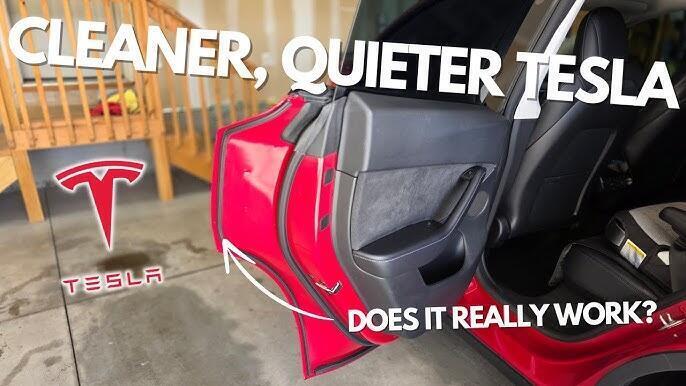
The Tesla Model Y, celebrated for its electric efficiency and cutting-edge technology, has garnered significant attention since its launch. However, a persistent issue reported by many owners revolves around excessive wind noise at highway speeds.
This phenomenon, often described as a whistling or buffeting sound, can detract from the otherwise serene cabin experience expected from a premium electric vehicle. While some of the noise is inherent to the SUV’s aerodynamic shape, complaints suggest flaws in door seals, window alignment, or side mirror design.
This article delves into the root causes, potential fixes, and owner experiences, offering insights for current and prospective Model Y drivers seeking quieter rides.
Tesla Model Y Wind Noise Problems: Causes, Solutions, and Prevention
Wind noise is one of the most commonly reported issues among Tesla Model Y owners, often becoming more noticeable at highway speeds. This cabin noise, typically described as a whistling or rushing sound, can originate from several sources including door seals, window alignment, or the panoramic glass roof.
While Tesla has made incremental improvements over the years, many drivers still experience this problem. Understanding the root causes and available fixes is essential for a quieter ride.
Common Sources of Wind Noise in the Tesla Model Y
The primary causes of wind noise in the Model Y are typically misaligned doors, defective window seals, and improperly adjusted door glass. The frameless window design is particularly susceptible to leaks if the glass does not press firmly enough against the rubber weatherstripping.
Additionally, the large panoramic roof can create turbulence, and gaps in the trim around the A-pillar or B-pillar are frequent culprits. Even minor manufacturing variances in the door panels can lead to increased aerodynamic drag and audible noise intrusion.
DIY Fixes and Adjustments to Reduce Wind Noise
Owners can often mitigate wind noise with a few simple DIY steps. The most effective solution is adjusting the door window stops located at the top of the door frame; tightening these screws forces the window glass higher and tighter against the seal.
Additionally, applying silicone-based lubricant or rubber conditioner to the weatherstripping can improve seal flexibility and reduce vibration. For persistent leaks, using additional foam tape on specific problem areas, such as the inner edge of the doorframe, can provide a tighter seal.
This content may interest you! Tesla Model Y vs Model S: Which Tesla Fits Real Life Better?
Always test the seal with a simple sheet of paper placed between the window and rubber—if it pulls out too easily, the seal is too loose.
When to Schedule a Tesla Service Appointment
If DIY adjustments fail to resolve the issue, it is recommended to schedule a service appointment through the Tesla app. Tesla technicians can perform a wind noise test drive to pinpoint the exact source using acoustic sensors and specialized tools.
Common repairs under warranty include replacing failed door seals, re-aligning the door hinges, or adjusting the glass tension system. Be sure to note the specific speed at which the noise appears and whether it originates from the driver or passenger side, as this accelerates diagnosis.
| Noise Source | Common Symptom | Typical Fix |
|---|---|---|
| Door Seals | Whistling or hissing at 50+ mph | Replace or lubricate weatherstripping |
| Window Alignment | Rushing air near ears | Adjust window stops or glass tension |
| Panoramic Glass Roof | Turbulent sound overhead | Check roof trim and seal gaps |
| Mirror or Trim Gaps | Sharp draft from side area | Realign or replace aero trim pieces |
Identifying the Root Causes of Tesla Model Y Wind Noise
Wind noise in the Tesla Model Y often stems from aerodynamic inefficiencies and seal failures around the vehicle’s frame. The most common culprits are misaligned door seals, improperly seated window glass, and gaps in the roof glass or pillar trim. These issues allow air to penetrate the cabin at high speeds, creating audible whistling, rushing, or buffeting sounds.
The problem is frequently linked to the car’s frameless door design, which relies heavily on precise seal compression to block airflow. Unlike traditional vehicles with door frames, the Model Y’s window rubber must make constant, even contact along the A-pillar and roof line, making it susceptible to variations in manufacturing tolerances.
Fixing the Door Seal Alignment
Misaligned or loose door seals are a primary source of wind noise, especially near the front doors and rear quarter windows. To verify, inspect the rubber gasket along the door’s edge for visible gaps, wrinkles, or detachment from the frame.
A common repair involves repositioning the seal by peeling it back and reapplying it with 3M adhesive tape or a stronger double-sided foam tape.
Ensure the seal sits flush against both the door and the body panel upon closure. Often, adjusting the door’s latch striker plate inwards can increase compression pressure, reducing noise. Use a manometer test or a simple smoke test to locate actual air leaks after adjustments.
Addressing Window Glass and Weatherstrip Gaps
Improper window glass seal occurs when the frameless glass does not meet the weatherstrip with sufficient force or at the correct angle. Symptoms include high-pitched whistling from the driver or passenger window. Lower and raise the window fully, checking if it slams against the roofline seal rather than smoothly pressing in.
This content may interest you! Tesla Model Y Software Issues You May Experience
If gaps are visible, perform a window recalibration: hold the window switch down for 10 seconds, then up for 10 seconds. For persistent issues, adjust the window stop bolts inside the door panel to push the glass further inward. Applying thicker silicone grease on the weatherstrip can temporarily reduce friction and sound.
Securing the Roof Glass and Trim
Wind noise often originates from the large panoramic glass roof if it’s not properly seated or if the roof trim is loose. Check the gap between the roof glass and body along the edges for unevenness. A common fix is to use thin foam tape or weatherstrip material inserted into the roof channel between the glass and the vehicle’s metal to block airflow.
Additionally, inspect the plastic trim pieces running along the roof rail: if they are popped up or vibrating, they can cause turbulence. Reattach them with firm hand pressure or use clear silicone adhesive under the clips.
Inspecting and Repairing the Liftgate and Trunk Seals
Wind noise from the rear is frequently traced to the liftgate seal or trunk rubber. The liftgate’s rubber gasket can compress unevenly after repeated use, creating a low-frequency buffeting sound. Perform a cardboard test: slip a piece of paper between the liftgate and seal when closed; if it pulls out easily, the seal isn’t contacting well.
Adjust the liftgate stops (bumpers) by turning them inward to increase pressure against the gasket. For the lower trunk, check the plastic trim near the taillights for gaps. Apply a 5mm round silicone padding at the bottom of the seal line to fill any voids.
Using Aftermarket Solutions and Sound Dampening
If factory repairs fail, aftermarket modifications can effectively reduce wind noise. Popular solutions include door seal inserts (like the Tesla Windshield Noise Fix Kit), which add a thin foam strip inside the existing rubber channel to improve compression.
Another option is professional sound deadening using butyl rubber mats (e.g., Kilmat) placed behind door panels and under the roof liner to absorb turbulence. Acoustic windshield replacement is the most costly fix, but it can eliminate noise from poorly insulated glass. Always test one modification at a time to gauge effectiveness before layering changes.
Frequently Asked Questions
What causes wind noise in the Tesla Model Y?
Wind noise in the Tesla Model Y primarily arises from aerodynamic design flaws and sealing issues. Common sources include gaps around door seals, misaligned windows, or the frameless door design that doesn't press tightly against the weatherstripping. Air turbulence around side mirrors and roof rack attachments also contributes. The lack of traditional door frames makes the vehicle more susceptible to leaks at high speeds, especially on highways. Fixes often involve adjusting door alignment or replacing seals.
Is wind noise in the Tesla Model Y a common problem?
Yes, wind noise is a frequently reported complaint among Tesla Model Y owners, particularly in earlier production models. Many users note noise at speeds above 60 mph (96 km/h), often from the front doors or windows. While Tesla has made improvements over time, such as better sealants and revised door gaskets, the issue persists in some units. Owner forums show that wind noise varies by vehicle, with some cars being quieter than others due to manufacturing tolerances.
This content may interest you! Is the Tesla Model Y Practical for New Zealand Drivers?
Can I reduce wind noise in my Tesla Model Y?
You can reduce wind noise through several DIY adjustments. First, ensure door and window seals are clean and properly seated—applying silicone lubricant to rubber seals can improve flexibility and fit. Adjusting window alignment via the bolt behind the door panel may help tighten contact. Adding aftermarket seals, such as adhesive weatherstripping around doors, or using cabin air filter covers can further dampen sound. Some owners find lowering tire pressure or installing acoustic glass also minimizes wind-related noise.
Does Tesla offer a fix for Model Y wind noise?
Tesla addresses wind noise under warranty if deemed a defect by service centers. Common official fixes include adjusting or replacing door seals, realigning windows, and testing for air leaks using a smoke machine. In some cases, Tesla applies additional foam or better-absorbing materials inside the doors. However, fixes are not guaranteed for all cars, as some noise is considered inherent to the design. Owners should report issues during the warranty period to potentially receive free adjustments or parts replacement.
Leave a Reply