
Toyota Voxy vs Honda Stepwagon: Which Japanese Minivan Is Better?
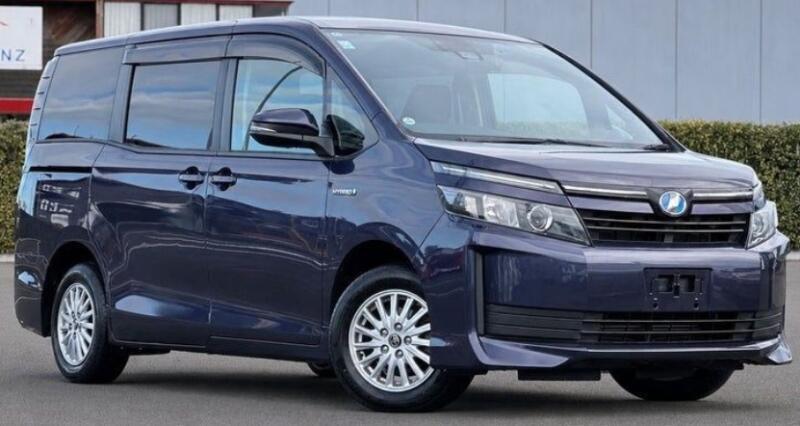
Choosing between the Toyota Voxy and Honda Stepwagon can feel like choosing between two excellent family homes on wheels. Both offer tall roofs, sliding doors, flexible seating, hybrid options, and enough cabin space to make ordinary crossovers look slightly cramped.
Yet these Japanese minivans do not deliver the same experience.
The Toyota Voxy tends to feel sharper, more dramatic, and more efficiency-focused, particularly in its latest hybrid form. The Honda Stepwagon usually takes a calmer route, emphasizing passenger comfort, an airy interior, smooth performance, and family-friendly practicality.
So, which one should we buy?
The answer depends on whether we value fuel economy, styling, luggage flexibility, driving refinement, seating arrangements, parts availability, or long-term ownership costs. In this detailed Toyota Voxy vs Honda Stepwagon comparison, we will examine the major generations, engines, interior space, reliability, technology, and real-world usability of both vehicles.
- Toyota Voxy vs Honda Stepwagon at a Glance
- Understanding the Toyota Voxy
- Understanding the Honda Stepwagon
- Exterior Design: Bold Voxy or Calm Stepwagon?
- Toyota Voxy vs Honda Stepwagon Dimensions
- Interior Design and Cabin Quality
- Seating Capacity and Flexibility
- Cargo Space and Luggage Practicality
- Engine Options and Performance
- Toyota Voxy Engine Choices
- Honda Stepwagon Engine Choices
- Fuel Economy: Which Minivan Uses Less Fuel?
- Ride Comfort and Handling
- Safety and Driver-Assistance Technology
- Reliability and Common Problems
- Maintenance Costs and Parts Availability
- Toyota Voxy vs Honda Stepwagon by Generation
- Which Is Better for Families with Young Children?
- Which Is Better for Elderly Passengers?
- Which Is Better for Camper Conversions?
- Which Has Better Resale Value?
- Toyota Voxy Advantages and Disadvantages
- Honda Stepwagon Advantages and Disadvantages
- Toyota Voxy vs Honda Stepwagon: Which Should We Buy?
- Final Thoughts
- Frequently Asked Questions
Toyota Voxy vs Honda Stepwagon at a Glance
Before we explore every detail, here is the basic difference:
| Category | Toyota Voxy | Honda Stepwagon |
|---|---|---|
| Overall personality | Bold, efficient, modern | Spacious, calm, comfort-focused |
| First introduced | 2001 | 1996 |
| Current generation | Fourth generation | Sixth generation |
| Typical seating | 7 or 8 | 7 or 8 |
| Main petrol engine | 2.0-liter | 1.5-liter turbo |
| Main hybrid system | 1.8-liter Toyota hybrid | 2.0-liter Honda e |
| Best strength | Fuel efficiency and resale | Cabin comfort and flexibility |
| Potential drawback | Firm ride and aggressive styling | Larger body and potentially higher fuel use |
| Best for | Efficiency-conscious families | Families prioritizing space and comfort |
Toyota introduced the Voxy in 2001 alongside the closely related Noah. Honda launched the Stepwagon earlier, in 1996. The current Voxy belongs to the fourth generation introduced in 2022, while the latest Stepwagon is the sixth-generation model, also launched in 2022.
Understanding the Toyota Voxy
The Toyota Voxy is a medium-sized Japanese minivan positioned alongside the Toyota Noah. Mechanically, the two are closely related, but the Voxy traditionally receives more aggressive exterior styling.
Toyota has offered four major Voxy generations:
- First generation — R60: 2001–2007
- Second generation — R70: 2007–2014
- Third generation — R80: 2014–2021
- Fourth generation — R90: 2022 onward
The Voxy has steadily evolved from a relatively simple petrol-powered family van into a sophisticated hybrid people carrier. Toyota confirms that the main Voxy generations debuted in 2001, 2007, 2014, and 2022.
Its upright shape, flat floor, sliding rear doors, and configurable seating make it especially attractive in countries where used Japanese imports are popular.
What Makes the Voxy Appealing?
The Voxy combines the practicality of a van with the drivability of an ordinary family car. It does not feel as huge or cumbersome as a full-size minivan, yet it can still accommodate seven or eight occupants.
Its principal attractions include:
- Efficient hybrid powertrains
- Convenient dual sliding doors
- Strong Toyota reliability reputation
- Good resale demand
- Compact exterior dimensions relative to cabin space
- Easy entry for children and elderly passengers
- Widely available mechanical components in many import markets
The latest model also offers a much more sophisticated cabin than earlier versions, along with improved driver-assistance technology.
Understanding the Honda Stepwagon
The Honda Stepwagon predates the Voxy by several years. Honda introduced the first generation in 1996, building it around an upright two-box layout designed to maximize interior volume.
There have been six principal generations:
- First generation — RF1/RF2: 1996–2001
- Second generation — RF3–RF8: 2001–2005
- Third generation — RG: 2005–2009
- Fourth generation — RK: 2009–2015
- Fifth generation — RP1–RP5: 2015–2022
- Sixth generation — RP6–RP8: 2022 onward
The Stepwagon has long prioritized interior packaging. Even when its exterior dimensions appeared modest, Honda worked hard to provide a low floor, tall roof, and highly adaptable passenger area.
The third generation introduced sliding doors on both sides, while the fifth generation became particularly recognizable for its unusual Waku Waku Gate. That tailgate could open upward like a conventional hatch or partially sideways for easier access. The sixth generation returned to a conventional rear hatch.
What Makes the Stepwagon Appealing?
The Stepwagon often feels less like a commercial van and more like a carefully designed family lounge.
Its highlights include:
- Excellent headroom
- Comfortable suspension tuning
- Spacious third-row seating
- Smooth e hybrid performance
- Low and relatively flat cabin floor
- Flexible seven- or eight-seat layouts
- Good outward visibility
- Refined petrol turbo engines in newer models
Where the Voxy sometimes announces itself with flashing lights and a bold grille, the Stepwagon quietly opens the door and offers everyone a comfortable seat.
Exterior Design: Bold Voxy or Calm Stepwagon?
Styling may not determine mechanical quality, but it can strongly influence which vehicle we enjoy owning.
Toyota Voxy Styling
The Voxy usually wears the more aggressive face. Earlier versions were fairly restrained, but the third- and fourth-generation models embraced large grilles, narrow lamps, sharp lines, and dark trim.
The current Voxy looks almost like a futuristic city shuttle. Its front grille dominates the body, giving it an unmistakable road presence.
Some buyers love this dramatic appearance. Others may find it excessive.
Who Will Prefer the Voxy’s Design?
The Voxy is likely to appeal to buyers who want:
- Sportier visual details
- A more distinctive front end
- Dark exterior accents
- A youthful image
- A minivan that does not look conservative
Honda Stepwagon Styling
The Stepwagon generally takes a softer approach. The sixth-generation model, especially in AIR specification, uses clean surfaces, horizontal lines, and an almost minimalist front end.
SPADA versions appear sportier and more substantial, but they still avoid some of the visual aggression found on the latest Voxy.
Who Will Prefer the Stepwagon’s Design?
The Stepwagon is better suited to buyers who appreciate:
- Simple proportions
- A clean, upright body
- Less polarizing styling
- Large windows
- A more traditional family-vehicle appearance
For us, the Voxy looks more exciting, but the Stepwagon may age more gracefully. Fashion shouts; good proportions tend to whisper.
Toyota Voxy vs Honda Stepwagon Dimensions
Exterior dimensions vary by generation, trim level, and drivetrain, so buyers should always check the exact chassis being considered.
The latest Honda Stepwagon measures approximately 4,800 mm long, 1,750 mm wide, and 1,840 mm tall in e AIR EX form, with a 2,890 mm wheelbase.
The latest Voxy is slightly shorter in overall length but remains a substantial vehicle. Both fit within the medium Japanese minivan class, although the Stepwagon often feels larger inside because of its tall, rectangular cabin.
Which One Is Easier to Park?
The Voxy generally has a slight advantage in tight urban spaces. Its body feels compact around the driver, and many versions include useful parking cameras or sensors.
The Stepwagon is not difficult to drive, but its longer body and generous wheelbase can require greater care in narrow parking areas.
Visibility is good in both vehicles because their upright seating positions and large windows help drivers judge the corners.
This content may interest you! Toyota Voxy vs Nissan Serena: Which Family Minivan Is Better?
Which One Has More Interior Space?
The Stepwagon often wins for perceived roominess.
Its cabin feels wider, airier, and more open. The roof is tall, the windows are generous, and rear passengers usually enjoy strong legroom.
The Voxy remains highly practical, but some versions use bulkier interior trim and more dramatic dashboard designs that make the cabin feel slightly less open.
Space winner: Honda Stepwagon.
Interior Design and Cabin Quality
The interior is where family minivans earn their keep. A stylish grille cannot compensate for awkward seats, poor storage, or a third row that feels like a punishment chamber.
Inside the Toyota Voxy
Recent Voxy interiors are modern and driver-focused. The dashboard places major controls within easy reach, while higher trims may include large infotainment displays, digital instruments, climate controls for rear passengers, and numerous charging points.
Storage is generally excellent. Depending on the generation, we may find:
- Dashboard shelves
- Large door pockets
- Cupholders for multiple rows
- Under-floor storage
- Foldable tables
- USB charging ports
- Overhead storage areas
The latest Voxy feels more technologically advanced than older versions, although some cabin plastics still prioritize durability over luxury.
Inside the Honda Stepwagon
The Stepwagon focuses more heavily on visibility and passenger comfort. Its upright dashboard and broad windscreen help create an open atmosphere.
Newer generations offer clean horizontal layouts rather than wrapping the driver in a cockpit. That design makes the cabin feel less intimidating and more relaxing.
The latest model may seat seven people with second-row captain’s chairs or eight with a bench arrangement. Honda’s official information confirms seven- and eight-seat configurations for the current e model.
Which Cabin Feels Better?
The Voxy’s cabin looks sportier.
The Stepwagon’s cabin feels more spacious.
For families spending hours on the road, the Stepwagon’s calmer design may be more valuable than the Voxy’s visual excitement.
Interior atmosphere winner: Honda Stepwagon.
Seating Capacity and Flexibility
Both vehicles are commonly available with seven or eight seats, but the exact arrangement matters.
Seven-Seat Models
Seven-seat versions generally use two individual captain’s chairs in the second row. This arrangement provides:
- Better passenger comfort
- Easier access to the third row
- More personal space
- Adjustable armrests
- A premium cabin feel
Captain’s chairs are ideal for families with older children or adults who regularly travel in the second row.
Eight-Seat Models
Eight-seat configurations normally use a second-row bench.
They provide:
- One additional seating position
- Better flexibility for large families
- The ability to carry three children across the middle row
- Potentially more useful sleeping or cargo layouts
However, third-row access can be less convenient when the second row is occupied.
Which Has the Better Third Row?
The Stepwagon usually offers the more comfortable third row, especially for adult passengers. Its tall roof and long cabin help preserve usable headroom and legroom.
The Voxy’s third row remains practical, but taller adults may prefer the Honda on long journeys.
Which Has the Better Seat-Folding System?
This depends on the generation.
Certain Stepwagon generations feature third-row seats that fold neatly into the floor. This creates a clean and useful cargo area.
Some Voxy models fold their third-row seats upward against the cabin sides. The system is simple and leaves a deep cargo well, but the stored seats can reduce interior width.
Seating versatility winner: Honda Stepwagon.
Cargo Space and Luggage Practicality
With all seats in use, neither vehicle provides the cargo capacity of a large commercial van. Nevertheless, both can carry groceries, school bags, or several smaller suitcases behind the third row.
Toyota Voxy Cargo Advantages
The Voxy often provides a deep luggage area behind the third-row seats. That lower storage well can help secure tall bags and prevent smaller objects from sliding around.
When the rear seats are folded or stored, cargo capacity expands significantly.
The Voxy works well for:
- Pushchairs
- Shopping
- Airport luggage
- Sports equipment
- Small furniture
- Family camping supplies
Honda Stepwagon Cargo Advantages
The Stepwagon’s box-shaped body provides a tall, square load area. The floor-folding rear-seat design found in certain generations can create a particularly clean luggage compartment.
The fifth-generation Waku Waku Gate is also useful in tight spaces because owners can access the cargo area without lifting the entire hatch.
However, buyers should remember that Honda removed this split-opening arrangement from the sixth generation.
Which Is Better for Cargo?
The Voxy offers clever under-floor depth.
The Stepwagon offers a broader sense of open volume and, in some generations, more convenient seat storage.
This content may interest you!Toyota Voxy vs Esquire: Which Toyota Minivan Is Better?For maximum cargo flexibility, the Stepwagon narrowly takes the lead.
Engine Options and Performance
The two minivans take notably different approaches to power delivery.
Toyota Voxy Engine Choices
Depending on the generation, the Voxy may use:
- 2.0-liter naturally aspirated petrol engines
- Continuously variable transmissions
- 1.8-liter petrol-electric hybrid systems
- Front-wheel drive
- Four-wheel drive or electric-assisted all-wheel-drive configurations
Earlier petrol Voxy models are straightforward and generally dependable. They are not especially fast, but they provide enough performance for daily driving.
The hybrid models focus on efficiency and smooth low-speed operation.
How Does the Voxy Hybrid Drive?
Around town, the Voxy hybrid can move quietly under electric power for short periods. Its electric motor assists during acceleration, while regenerative braking recovers energy when slowing down.
The experience is calm rather than thrilling.
When we ask for strong acceleration, the engine speed can rise noticeably because of the hybrid transmission. That sound does not necessarily indicate a mechanical problem; it is part of how the system delivers power.
Honda Stepwagon Engine Choices
Modern Stepwagon generations commonly offer:
- 2.0-liter naturally aspirated petrol engines in older models
- 2.4-liter petrol engines in selected earlier versions
- 1.5-liter turbocharged petrol engines in newer models
- 2.0-liter e hybrid systems
- Front-wheel drive
- Four-wheel drive on selected petrol versions
The fifth generation introduced a 1.5-liter VTEC Turbo engine, while later hybrid models used Honda’s electrified powertrain technology.
How Does the Stepwagon e Drive?
Honda’s e system often feels more like an electric vehicle during ordinary driving. The electric motor performs much of the propulsion work, while the petrol engine frequently acts as a generator.
At suitable speeds, the engine can connect more directly to the wheels.
The result is responsive low-speed acceleration and smooth progress. The Stepwagon e generally feels stronger and more natural when accelerating than the Voxy hybrid.
The current Stepwagon e uses a 1,993 cc engine, and Honda lists a 52-liter fuel tank for this version.
Which One Is Faster?
The Stepwagon, particularly in turbo or e form, usually feels more powerful.
The Voxy prioritizes economy, predictable operation, and gentle power delivery.
Performance winner: Honda Stepwagon.
Fuel Economy: Which Minivan Uses Less Fuel?
Fuel economy is one of the Voxy’s strongest arguments.
Toyota has spent decades refining its hybrid systems, and the Voxy benefits from that experience. In congested urban traffic, the hybrid can shut off its petrol engine frequently and recover energy during braking.
The Stepwagon e is also efficient, but it is a larger and often heavier vehicle. Its stronger motor performance can come with a modest economy penalty compared with the most economical Voxy versions.
Real-World Factors That Affect Economy
Actual fuel use depends on:
- Vehicle generation
- Petrol or hybrid drivetrain
- Two-wheel drive or four-wheel drive
- Passenger load
- Tyre pressure
- Driving speed
- Air-conditioning use
- Terrain
- Battery condition
- Driving style
A lightly loaded hybrid driven gently in city traffic may produce impressive results. The same vehicle carrying seven people at motorway speeds will consume more fuel.
Petrol Versions Compared
A 1.5-liter turbo Stepwagon may sound more economical than a 2.0-liter petrol Voxy, but engine size alone does not determine consumption.
Turbocharged engines can be efficient under light loads. Once we demand frequent boost, carry heavy passengers, or climb steep hills, consumption may rise quickly.
The Voxy’s naturally aspirated petrol engine can feel less energetic, but its power delivery is predictable.
Hybrid Versions Compared
For maximum fuel economy, the Voxy hybrid is generally the safer choice.
For a balance of efficiency and stronger acceleration, the Stepwagon e is highly appealing.
Fuel-economy winner: Toyota Voxy.
Ride Comfort and Handling
Minivans need to perform two contradictory tasks. They must remain stable enough to inspire driver confidence while riding softly enough to keep rear passengers comfortable.
Toyota Voxy Ride Quality
The Voxy usually feels controlled and relatively compact. Its steering is light, making it easy to maneuver through cities.
Some versions, particularly those with larger wheels, can transmit sharper bumps into the cabin. Third-row passengers may notice more vertical movement over rough roads because they sit close to the rear axle.
The Voxy is not uncomfortable, but its suspension can feel busier than the Stepwagon’s.
Honda Stepwagon Ride Quality
The Stepwagon generally delivers the softer and more settled ride. Its longer wheelbase helps it glide over uneven surfaces, while the cabin remains composed during longer trips.
Body roll is present because the Stepwagon is tall. However, Honda usually tunes the steering and suspension to make its movements progressive rather than alarming.
Which Is Better on Long Journeys?
The Stepwagon is our preferred long-distance vehicle. Its smoother performance, softer suspension, spacious seating, and airy interior make it feel like a rolling lounge.
The Voxy remains an excellent urban family minivan, especially where parking space and fuel costs matter more.
This content may interest you!Toyota Voxy vs Estima: Which Toyota MPV Is Better?Comfort winner: Honda Stepwagon.
Safety and Driver-Assistance Technology
Safety equipment varies significantly between generations and trim levels.
Older imported examples may provide little more than airbags, anti-lock brakes, and stability control. Newer vehicles can include advanced systems such as:
- Autonomous emergency braking
- Adaptive cruise control
- Lane-departure warning
- Lane-keeping assistance
- Blind-spot monitoring
- Rear cross-traffic alerts
- Automatic high beams
- Parking sensors
- Surround-view cameras
- Road-sign recognition
Toyota Safety Technology
Newer Voxy models may include Toyota Safety Sense. The precise functions depend on the year and specification, so we should never assume two visually similar imports have identical equipment.
The latest generation offers significantly more advanced assistance than early Voxy models.
Honda Safety Technology
Recent Stepwagon models use Honda Sensing. Again, the included features depend on the model year and trim.
Some fifth-generation advertisements highlighted a package of advanced safety and comfort functions, while the current Stepwagon continues to offer Honda’s modern driver-assistance technology.
Which Is Safer?
For comparable model years, there is no universal winner. The exact trim, sensor package, and condition of the vehicle matter more than the badge.
A newer lower-mileage Voxy with complete safety equipment may be preferable to an older high-spec Stepwagon—and vice versa.
Reliability and Common Problems
Both Toyota and Honda have strong engineering reputations, but no used minivan is immune to wear.
The vehicle’s maintenance history matters more than internet mythology.
Potential Toyota Voxy Problems
Depending on the generation, buyers may encounter:
- Electric sliding-door faults
- Weak 12-volt batteries
- Worn suspension bushes
- Noisy wheel bearings
- Air-conditioning problems
- Hybrid-battery deterioration
- Oil consumption in neglected petrol engines
- CVT hesitation or poor operation after inadequate servicing
- Power-tailgate or electronic-accessory faults
Hybrid battery condition becomes increasingly important as vehicles age. A Voxy may still drive with a weakened battery, but fuel economy and performance can deteriorate.
Potential Honda Stepwagon Problems
Possible concerns include:
- Sliding-door motor or roller wear
- Turbocharger-related issues on neglected 1.5-liter models
- CVT judder or delayed engagement
- Oil leaks
- Air-conditioning faults
- Electrical problems
- Worn engine mounts
- Hybrid-system warnings
- Rear-door mechanism problems on Waku Waku Gate models
- Suspension noises
The Stepwagon’s additional mechanical or body features can be useful, but complexity creates more components that may eventually need attention.
Which Is More Reliable?
The Voxy often has the advantage in parts supply, hybrid familiarity, and resale demand.
The Stepwagon can be equally dependable when maintained correctly, but specialist components may be harder to source in some countries.
Reliability and ownership simplicity winner: Toyota Voxy.
Maintenance Costs and Parts Availability
Parts availability depends heavily on location.
In Japan, both vehicles receive strong support. In countries that import large numbers of used Japanese vehicles, Toyota components are often easier to find.
Toyota Voxy Ownership Costs
The Voxy may offer:
- Broader availability of service knowledge
- More familiar hybrid technology
- Strong aftermarket support
- Easier access to shared Toyota components
- Higher resale demand
Toyota’s hybrid system is not maintenance-free, but many independent workshops understand it.
Honda Stepwagon Ownership Costs
Stepwagon maintenance can remain reasonable when routine items are locally available. However, model-specific body parts, electronic modules, turbo components, or Waku Waku Gate hardware may be more difficult to source.
Before buying either vehicle, we should ask local workshops whether they can obtain:
- Filters
- Brake components
- Suspension parts
- Sliding-door hardware
- Body panels
- Hybrid components
- Windscreens
- Diagnostic support
A cheap imported vehicle stops being cheap when a minor broken component requires a six-week international search.
Toyota Voxy vs Honda Stepwagon by Generation
Comparing the badge alone is not enough. A 2005 Stepwagon and a 2022 Stepwagon are almost entirely different vehicles.
Older Models: Before 2010
Early Stepwagons offer enormous space for relatively little money, but age-related deterioration becomes the central issue.
First- and second-generation Voxy models are also practical, although buyers should inspect cooling systems, transmissions, suspension components, sliding doors, and corrosion.
At this age, condition matters far more than brand.
2010–2014 Models
Fourth-generation RK Stepwagons are spacious and practical. They may suit buyers who want traditional petrol power without the complexity of newer hybrid systems.
Second-generation R70 Voxy models offer solid everyday usability and tend to have widespread parts support.
We would choose whichever vehicle has the stronger service history.
2014–2021 Toyota Voxy vs 2015–2021 Stepwagon
This is the most relevant comparison for many used-import buyers.
The third-generation R80 Voxy offers hybrid availability, bold styling, strong economy, and excellent market familiarity.
The fifth-generation Stepwagon provides more responsive turbo performance, a highly spacious cabin, and the clever Waku Waku Gate. Later versions also introduced hybrid options.
Choose the R80 Voxy for economy and ownership simplicity.
This content may interest you!Toyota Voxy vs Alphard Size: Which MPV Fits Your Life?Choose the RP Stepwagon for interior space, comfort, and stronger performance.
Current-Generation Models
The fourth-generation Voxy and sixth-generation Stepwagon both arrived in 2022.
Toyota emphasized a roomy cabin, sliding-door convenience, improved platforms, and petrol or hybrid choices when launching the latest Voxy.
Honda’s current Stepwagon offers AIR and SPADA-oriented variants, along with petrol and e powertrains. The cabin remains one of its greatest attractions.
The latest Voxy feels more futuristic and efficient.
The latest Stepwagon feels more relaxed and substantial.
Which Is Better for Families with Young Children?
Both are excellent family vehicles, but the Stepwagon has a small comfort advantage.
Its wide openings, low floor, generous headroom, and spacious rear cabin simplify the daily routine of installing child seats, helping children climb aboard, and carrying pushchairs.
The Voxy counters with strong economy, compact dimensions, convenient sliding doors, and good storage.
For city-based families, the Voxy may be easier to live with.
For families taking frequent long trips, the Stepwagon may keep everyone happier.
Which Is Better for Elderly Passengers?
Low entry height, sliding doors, grab handles, and generous headroom matter greatly for elderly occupants.
Both vehicles perform well, but seating height and door operation can vary by trim.
The Stepwagon’s airy cabin may feel less claustrophobic. The Voxy’s compact body can be easier to position close to pavements or entrances.
We should test the exact vehicle with the intended passenger rather than relying only on specifications.
Which Is Better for Camper Conversions?
The Stepwagon is often the better foundation for a simple camper setup because of its boxy cabin and generous interior length.
It can accommodate:
- Folding mattresses
- Storage boxes
- Portable tables
- Window shades
- Small power stations
- Camping equipment
The Voxy can also work well as a micro-camper, especially in eight-seat versions with highly flexible seating. Its efficient hybrid system may be attractive for long-distance travel.
However, neither vehicle should be modified carelessly around hybrid batteries, airbag wiring, ventilation systems, or seat anchors.
Which Has Better Resale Value?
The Toyota Voxy generally holds the stronger resale position.
Toyota minivans are highly recognized in many export markets, and buyers often trust the brand’s hybrid technology. The Voxy also benefits from its close relationship with the Noah, increasing familiarity and parts interchange possibilities.
The Stepwagon maintains a loyal following but can appeal to a more specialized audience.
Resale conditions vary by country, but the Voxy is typically easier to explain, advertise, and sell.
Toyota Voxy Advantages and Disadvantages
Main Advantages
- Excellent hybrid fuel economy
- Strong resale value
- Good parts availability
- Compact exterior footprint
- Easy urban maneuverability
- Proven family practicality
- Broad workshop familiarity
- Distinctive styling
Main Disadvantages
- Ride can feel firmer
- Third row may feel tighter
- Exterior design may be too aggressive
- Hybrid acceleration can sound strained
- Side-folding rear seats may reduce cargo width
- High-demand examples can be expensive
Honda Stepwagon Advantages and Disadvantages
Main Advantages
- Spacious, airy cabin
- Comfortable second and third rows
- Smooth ride quality
- Strong turbo or e performance
- Excellent headroom
- Flexible seating
- Useful cargo layout
- Calm driving experience
Main Disadvantages
- Larger body can be harder to park
- Fuel economy may trail the Voxy
- Some specialized parts may be harder to obtain
- Complex rear-door systems can require repairs
- Turbo and hybrid versions need proper maintenance
- Resale demand may be weaker in some markets
Toyota Voxy vs Honda Stepwagon: Which Should We Buy?
We should buy the Toyota Voxy when our priorities are:
- Lower fuel consumption
- Easier resale
- Compact urban dimensions
- Broad parts availability
- Familiar hybrid technology
- Lower-risk long-term ownership
We should buy the Honda Stepwagon when our priorities are:
- Maximum passenger room
- Better third-row comfort
- Smoother acceleration
- Softer ride quality
- Greater cargo flexibility
- A more relaxed cabin
Our Verdict
For most cost-conscious buyers, the Toyota Voxy is the safer all-round purchase. It is efficient, practical, easy to understand, and usually simpler to maintain or resell.
However, the Honda Stepwagon is arguably the better minivan when judged purely as a passenger vehicle. It provides a more comfortable cabin, stronger performance, and an impressive sense of space.
Think of the Voxy as a highly efficient family tool wearing fashionable clothes. Think of the Stepwagon as a quiet living room that happens to move.
Neither is universally superior.
The Voxy wins with the calculator.
The Stepwagon wins from the third-row seat.
Final Thoughts
The Toyota Voxy and Honda Stepwagon represent two slightly different interpretations of the Japanese family minivan.
Toyota focuses on efficiency, market familiarity, sharp styling, and easy ownership. Honda emphasizes space, comfort, creative packaging, and smooth performance.
A well-maintained example of either model can be an excellent family vehicle. Before buying, we should inspect the service history, confirm the exact drivetrain, test every sliding door, scan the electronic systems, evaluate the hybrid battery where applicable, and verify local parts availability.
The smartest purchase is not necessarily the newest or most highly equipped vehicle. It is the one whose condition, configuration, and ownership costs fit our real needs.
Frequently Asked Questions
1. Is the Toyota Voxy bigger than the Honda Stepwagon?
Generally, the Honda Stepwagon is longer and feels more spacious inside. The Toyota Voxy is slightly more compact, which can make it easier to park and maneuver in urban areas.
This content may interest you!Toyota Voxy vs Noah vs Esquire: The Complete Comparison2. Which is more fuel-efficient, the Voxy or Stepwagon?
The Toyota Voxy hybrid usually offers better overall fuel economy. The Honda Stepwagon e is still efficient but tends to prioritize stronger performance and cabin space.
3. Is the Honda Stepwagon reliable?
Yes, a properly maintained Stepwagon can be very reliable. Buyers should inspect the CVT, turbocharger on applicable models, sliding doors, air conditioning, suspension, and hybrid system before purchasing.
4. Which minivan has the better third row?
The Honda Stepwagon usually provides better third-row comfort because of its longer, taller, and more open cabin. It is the stronger choice when adults regularly occupy all three rows.
5. Is the Toyota Voxy expensive to maintain?
Routine maintenance is generally reasonable, particularly where Toyota parts and hybrid specialists are widely available. Costs can rise if the hybrid battery, electric sliding doors, or advanced electronic components require replacement.
Leave a Reply