
Ford Ranger Automatic Transmission Problems
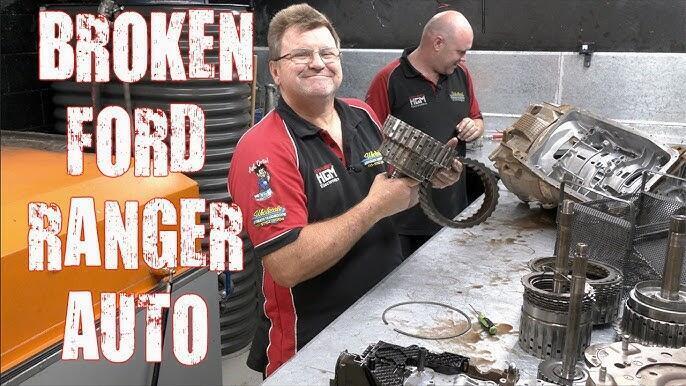
The Ford Ranger, a stalwart in the midsize pickup segment, is celebrated for its rugged utility and off-road prowess. However, beneath its durable exterior, certain model years have been plagued by a range of automatic transmission issues that can compromise reliability and performance.
From erratic shifting and sudden gear slipping to complete transmission failure, these problems often surface unexpectedly, leaving owners with costly repairs.
This article delves into the most common automatic transmission problems reported by Ford Ranger drivers, exploring the underlying causes, potential symptoms to watch for, and effective solutions to keep your vehicle running smoothly.
Common Ford Ranger Automatic Transmission Problems and Their Symptoms
The Ford Ranger, particularly models from the late 1990s to early 2010s, is known for several recurring automatic transmission issues that owners should watch for. Harsh shifting between gears is a frequent complaint, often accompanied by a noticeable clunk or delay when engaging from Park to Drive or Reverse.
Another prevalent problem is transmission slipping, where the engine revs higher than normal without a corresponding increase in vehicle speed, indicating worn clutch packs or low fluid pressure.
Additionally, torque converter shudder at highway speeds and fluid leaks from the front pump seal or cooler lines are common concerns that require prompt attention to prevent catastrophic failure.
What Causes the Ford Ranger 5R55E Transmission to Fail?
The 5R55E transmission found in many Ford Rangers often fails due to a defective servo bore in the transmission case. The overdrive and intermediate servos can wear an oval-shaped groove into the aluminum case over time, causing fluid pressure to leak and resulting in loss of overdrive or reverse gear.
Another major culprit is the solenoid block, which can degrade internally, sending incorrect signals to the valve body. This leads to erratic shifting and burned clutches. Regular fluid changes every 30,000 miles and avoiding heavy towing in overdrive can help extend the life of this transmission.
How to Diagnose a Ford Ranger Torque Converter Shudder
Torque converter shudder typically manifests as a vibration or trembling sensation during light acceleration between 35 and 45 mph. A simple diagnostic step is to monitor the TCC (torque converter clutch) engage / disengage by lightly tapping the brake pedal while maintaining speed if the vibration stops immediately, the converter is likely the source.
Contaminated transmission fluid with a burnt smell is a clear indicator of internal damage. Mechanics often perform a line pressure test and inspect the transmission fluid for metal shavings to confirm if the torque converter needs replacement.
Why Is My Ford Ranger Transmission Slipping After Fluid Change?
A transmission slip after a fluid change is often related to clogged valve body passages or a malfunctioning filter. In older Rangers, new fluid can dislodge years of built-up debris and sludge, which then blocks the tiny orifices inside the valve body, preventing proper hydraulic pressure application.
Another possibility is an incorrect fluid level: overfilling or underfilling by even a quart can cause aeration and slipping. If the transmission was already worn, the fresh fluid with different friction modifiers may temporarily reduce clutch grip until the system adapts.
| Issue | Primary Cause | Common Symptom | Typical Repair Cost |
|---|---|---|---|
| Harsh Shifting | Worn solenoid block | Clunk when shifting gears | $400 - $1,200 |
| Slipping Gears | Low fluid or worn clutch packs | Engine revs without acceleration | $1,500 - $3,500 |
| Torque Converter Shudder | Failed TCC or contaminated fluid | Vibration at 35-45 mph | $600 - $1,500 |
| No Reverse / Overdrive | Servo bore wear in 5R55E case | Reverse gear not engaging | $2,000 - $4,000 |
| Fluid Leaks | Worn front pump seal or cooler lines | Red puddles under vehicle | $150 - $600 |
Common Signs of Ford Ranger Automatic Transmission Failure
Owners of the Ford Ranger often report early indicators of transmission trouble, such as delayed engagement when shifting from park to drive, which can signal low fluid levels or worn solenoids. Harsh shifting between gears is another frequent complaint, often linked to a failing valve body or degraded transmission fluid.
Additionally, whining or clunking noises during acceleration may point to internal gear damage or a failing torque converter. Transmission fluid leaks, typically from the pan gasket or cooler lines, are also common and can lead to overheating if not addressed promptly.
Finally, the check engine light may illuminate with codes related to shift solenoid malfunctions, prompting immediate diagnostic action.
Torque Converter Issues in Ford Ranger Automatic Transmissions
The torque converter in Ford Rangers can suffer from worn needle bearings, causing a shudder or vibration at highway speeds, especially during lockup. Overheating due to towing heavy loads can also warp the converter, leading to slipping and reduced power transfer.
A failing converter may produce a rattling noise that worsens over time, and internal leaks can contaminate the transmission fluid with debris. Delayed acceleration from a stop is another telltale sign, often mistaken for engine trouble rather than transmission-centric failure.
Valve Body Malfunctions and Shift Solenoid Problems
The valve body in the Ford Ranger's automatic transmission is prone to sticking valves due to sludge buildup from old fluid, which causes erratic shifting or gear hunting. Shift solenoids may fail electrically or mechanically, leading to harsh engagement or a complete loss of certain gears.
Diagnostic trouble codes like P0750 or P0755 often indicate solenoid circuit issues, requiring replacement of the affected unit. Improper fluid pressure from a faulty valve body can also trigger transmission overheating, accelerating wear on clutches and bands. Regular fluid changes can mitigate these issues, but neglect often necessitates a valve body rebuild.
Transmission Fluid Overheating and Cooling System Failures
Overheating is a critical problem for Ford Ranger transmissions, often caused by a clogged or leaking transmission cooler. Towing or off-road driving exacerbates heat buildup, breaking down fluid and reducing its lubricating properties. Symptoms include a burning smell, dark fluid color, and slipping gears, which can lead to catastrophic failure if ignored.
An external auxiliary cooler is a popular upgrade to prevent heat-related damage, but stock systems may fail prematurely. Monitoring transmission temperature via a gauge or scan tool helps catch overheating early, saving costly repairs.
Clutch Pack Wear and Gear Slippage in Ford Rangers
Clutch pack wear is a common issue in high-mileage Ford Rangers, resulting in slipping where the engine revs without proportional acceleration. This occurs when friction material disintegrates and contaminates the transmission fluid, reducing hydraulic pressure.
Hard shifts or delayed engagement become more frequent as clutches lose their grip, and band adjustments may temporarily mask the problem. If left unchecked, complete clutch pack failure can lock up the transmission, leaving the vehicle inoperable. Rebuilding requires disassembly and replacing worn components, often costing thousands of dollars.
Electronic Transmission Control Module (TCM) Malfunctions
The Transmission Control Module (TCM) in Ford Rangers can develop software glitches or hardware failures, leading to erratic shifting or limp mode activation. Corrosion on wiring harness connectors, especially in rust-prone regions, interrupts signals between the TCM and solenoids.
Symptoms include inability to shift into higher gears or sudden downshifts, often accompanied by a flashing overdrive light. Reprogramming the TCM may resolve some issues, but physical module replacement is common for persistent faults. Faulty TCMs can also misread vehicle speed sensors, causing premature wear on clutches and bands.
Frequently Asked Questions
What are the most common Ford Ranger automatic transmission problems?
The most frequent issues include rough or delayed shifting, slipping gears, and transmission fluid leaks. Many owners report problems with the torque converter shuddering at low speeds, especially in 2019-2023 models. Harsh engagement when shifting from Park to Drive or Reverse is also common. These issues often stem from faulty valve bodies, worn solenoids, or low transmission fluid levels due to leaks. Regular maintenance and fluid checks can help mitigate these problems, but severe cases may require transmission rebuilds or replacements.
Why does my Ford Ranger transmission shudder or vibrate?
Transmission shuddering in Ford Rangers is typically caused by torque converter issues, contaminated transmission fluid, or worn clutch plates. The shudder is most noticeable during light acceleration or when towing, as the torque converter struggles to lock properly. This problem is prevalent in 10-speed automatic transmissions found in 2019+ models. Flushing the transmission fluid and replacing the torque converter often resolves the issue. Delaying repairs can damage internal components, leading to costly overhauls.
How do I know if my Ford Ranger transmission is failing?
Warning signs include dashboard warning lights (Check Engine or Transmission), unusual noises like whining or clunking, difficulty shifting gears, burning smells from transmission fluid, and fluid puddles under the vehicle. Delayed engagement when shifting from Park to Drive or Reverse is another clear indicator. If you notice these symptoms, check the transmission fluid level and condition immediately. Burnt or dark fluid suggests overheating. Early diagnosis prevents complete failure, but ignoring signs often leads to expensive repairs or replacement.
Are Ford Ranger transmission problems covered under warranty?
Factory warranties typically cover transmission defects for 5 years/60,000 miles on new Rangers (2019+ models). Ford's powertrain warranty extends to the transmission, including internal components, sensors, and seals. However, problems caused by lack of maintenance, off-road abuse, or modifications may void coverage. Extended warranties or Ford ESP plans may offer additional coverage. Always document service history, as warranty claims can be denied if you cannot prove regular transmission fluid changes as recommended in the owner's manual.
This content may interest you! Ford Ranger Turbo Problems and Warning Signs
Leave a Reply