
Ford Ranger vs Toyota Hilux: Which Pickup Is Better?
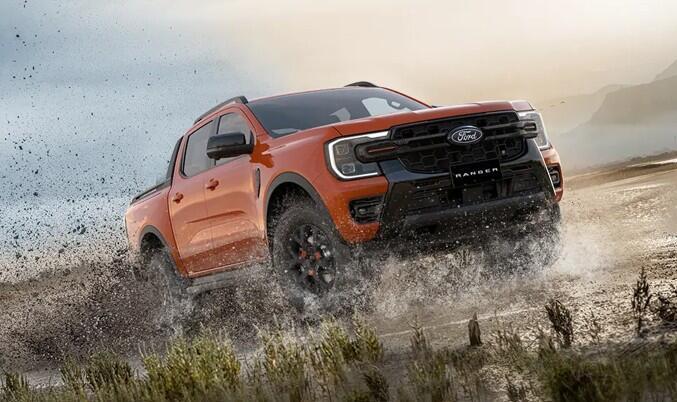
The Ford Ranger vs Toyota Hilux debate is one of the fiercest rivalries in the pickup world. Both trucks have crossed deserts, hauled equipment, pulled trailers, survived construction sites, and carried families far beyond the end of the pavement. They are not merely vehicles; they are mobile toolboxes, weekend escape machines, and, in many countries, symbols of durability.
Yet these two pickups approach the same mission from slightly different directions.
The Toyota Hilux has traditionally built its reputation around toughness, reliability, and simplicity. It is the truck people mention when they want something capable of taking punishment without making a fuss. The Ford Ranger, meanwhile, often feels more modern, refined, and technologically ambitious. It wants to work hard during the week without feeling like farm machinery on the school run.
So, which one deserves your money?
There is no universal winner because engine choices, trim levels, towing limits, payload ratings, prices, and equipment vary significantly between countries. Nevertheless, their personalities remain recognizable across most markets.
In this comprehensive comparison, we will examine performance, towing, payload, fuel economy, cabin comfort, technology, off-road ability, reliability, ownership costs, and everyday usability. By the end, we should know whether the Ranger’s polished versatility or the Hilux’s rugged dependability suits us better.
- Ford Ranger vs Toyota Hilux at a Glance
- The Core Difference Between Ranger and Hilux
- Exterior Design: Modern Muscle or Rugged Tradition?
- Engine Performance
- Ford Ranger vs Toyota Hilux Towing Capacity
- Payload and Worksite Capability
- On-Road Driving Comfort
- Off-Road Capability
- Interior Quality and Cabin Comfort
- Technology and Infotainment
- Safety and Driver Assistance
- Fuel Economy
- Reliability and Longevity
- Maintenance and Repair Costs
- Resale Value
- Ford Ranger vs Toyota Hilux Price and Value
- Which Pickup Is Better for Families?
- Which Pickup Is Better for Work?
- Which Is Better for Overlanding?
- Ford Ranger vs Toyota Hilux: Pros and Cons
- Ford Ranger vs Toyota Hilux: Our Verdict
- Conclusion
- Frequently Asked Questions
Ford Ranger vs Toyota Hilux at a Glance
Before we dig into the details, here is the broad difference between these two popular pickups.
| Category | Ford Ranger | Toyota Hilux |
|---|---|---|
| General character | Modern, refined and versatile | Rugged, proven and dependable |
| On-road comfort | Usually more composed | Firm but reassuring |
| Engine variety | Often broader | Usually simpler and proven |
| Interior technology | Frequently class-leading | Functional and increasingly modern |
| Off-road ability | Excellent | Excellent |
| Towing confidence | Strong, especially with larger engines | Stable, predictable and capable |
| Reliability reputation | Good, but configuration matters | One of the strongest in the segment |
| Resale appeal | Strong | Often exceptional |
| Best suited to | Mixed family, work and leisure use | Hard work, remote travel and long ownership |
Think of the Ranger as a high-tech multitool and the Hilux as a heavy-duty hammer. The multitool offers more flexibility, but the hammer has earned its reputation by surviving decades of hard use.
The Core Difference Between Ranger and Hilux
The biggest distinction is not a single specification. It is philosophy.
Ford has worked hard to make the Ranger feel more like a modern SUV with a cargo bed. Depending on the trim, it can offer large digital displays, advanced towing aids, multiple drive modes, sophisticated cameras, premium materials, and powerful engine options.
Toyota generally takes a more conservative approach. Even newer Hilux models add improved technology, comfort, driver assistance and electrified powertrains, but the truck’s identity remains rooted in durability and practical engineering. Toyota’s latest global Hilux generation expands the range to include diesel, mild-hybrid and battery-electric configurations, although availability depends heavily on the region.
Neither philosophy is automatically better.
A contractor travelling to remote job sites may prefer Toyota’s familiar, straightforward character. A family using one truck for commuting, towing, camping and long motorway journeys may appreciate the Ranger’s refinement.
Who Is the Ford Ranger Designed For?
The Ford Ranger makes sense for buyers who need a pickup but do not want every journey to feel like work.
It is particularly attractive to:
- Drivers who spend plenty of time on paved roads
- Families using a dual-cab pickup as their primary vehicle
- Caravan, boat or trailer owners
- Buyers who value cabin technology
- Drivers wanting several engine and performance choices
- Off-road enthusiasts interested in specialized trims
- Business users who need capability without sacrificing comfort
The Ranger still behaves like a proper body-on-frame truck, but it tends to hide its commercial roots more successfully.
Who Is the Toyota Hilux Designed For?
The Toyota Hilux appeals to buyers who place durability, resale value and predictability at the top of the list.
It is especially suitable for:
- Remote-area drivers
- Farmers, tradespeople and fleet operators
- Buyers planning to keep their truck for many years
- Drivers who prioritize mechanical familiarity
- Owners operating in regions with strong Toyota support
- Overland travellers
- Buyers who want proven capability rather than maximum complexity
The Hilux has become a global workhorse because it usually focuses on doing the essential jobs consistently.
Exterior Design: Modern Muscle or Rugged Tradition?
Both pickups look tough, but they express toughness differently.
The Ford Ranger usually has a wider, bolder and more American-inspired appearance. Its squared front end, pronounced wheel arches and distinctive lighting help it resemble a smaller version of Ford’s full-size trucks. Higher trims may add unique grilles, larger wheels, sports bars and more aggressive body details.
The Toyota Hilux traditionally looks narrower and more utilitarian, although newer models have adopted sharper lines and a more contemporary front end. Toyota’s latest global version maintains a midsize footprint while introducing a redesigned body and more modern cabin. Published European specifications list an overall length of approximately 5,320 mm and a wheelbase of 3,085 mm for selected versions.
Styling is subjective, but the Ranger generally appears more premium. The Hilux looks ready to get dirty without worrying about scratching its boots.
Which Pickup Has the More Practical Body?
Practicality depends on cab style, bed length and trim.
Both models may be available in configurations such as:
- Single cab
- Extra or extended cab
- Double cab
- Cab-chassis
- Standard pickup bed
- Commercial or utility-focused variants
The Ranger often includes clever bed features on selected versions, such as integrated steps, lighting, power outlets, tie-down points and configurable cargo-management accessories.
The Hilux bed is typically straightforward, durable and easy to accessorize. Its simple shape works well with canopies, toolboxes, drawer systems and commercial equipment.
The best bed is not necessarily the one with the most gadgets. It is the one that supports our daily workload without sacrificing too much payload.
Engine Performance
This is where regional differences become especially important.
Ford sells the Ranger with different petrol and diesel engines around the world. Depending on the market, choices can include four-cylinder turbocharged units, larger V6 engines and high-performance Ranger Raptor powertrains.
In the United States, for example, the current Ranger lineup includes turbocharged four-cylinder and twin-turbo V6 options, while the Raptor uses a more powerful performance-oriented V6.
The Hilux is not sold as a mainstream new vehicle in the United States, but it remains widely available across Australia, Europe, Asia, Africa and Latin America. Its most recognized modern engine is Toyota’s 2.8-litre turbo-diesel, although certain regions also receive smaller diesel engines, petrol engines, mild-hybrid assistance or electric power.
Ford Ranger Power Delivery
The Ranger often feels stronger and more responsive, particularly when fitted with a larger engine.
Its advantages may include:
- Strong low-speed torque
- Smooth automatic transmissions
- Confident overtaking performance
- Better acceleration when unloaded
- More relaxed towing with high-output engines
- A wider performance range between basic and premium versions
Ford’s 10-speed automatic transmission is designed to keep the engine within an effective power band. When calibrated well, it shifts smoothly and helps the truck respond quickly.
However, more gears and electronic systems can make the drivetrain feel busy under certain conditions. Buyers should test the exact engine and transmission combination rather than assuming every Ranger drives identically.
Toyota Hilux Power Delivery
The Hilux tends to deliver its power in a less dramatic but highly predictable way.
The widely used 2.8-litre diesel has been offered with outputs around 150 kW and 500 Nm in several markets, although specifications can change by model year and location. Toyota’s Irish listing, for example, identifies a 150 kW 2.8-litre diesel and a 48-volt mild-hybrid alternative.
The Hilux may not always feel as quick or refined as the strongest Ranger, but it usually offers:
- Dependable low-end torque
- Straightforward throttle response
- Stable performance when loaded
- Familiar six-speed transmissions in many markets
- Proven suitability for commercial use
It feels less like a sprinter and more like a long-distance runner. It may not explode away from the line, but it settles into hard work with confidence.
Which Engine Is Better?
The Ranger wins if our priority is outright performance, engine choice and effortless acceleration.
The Hilux may be the better fit if we value predictable operation, mechanical familiarity and a powertrain with widespread global support.
Before buying either truck, we should consider more than horsepower. Gear ratios, curb weight, payload, axle limits, cooling capacity and trailer weight all influence real-world performance.
Ford Ranger vs Toyota Hilux Towing Capacity
Towing is one of the most important reasons to buy a pickup, but headline figures can be misleading.
In many international configurations, both trucks can be rated to tow up to approximately 3,500 kg with a braked trailer. That figure is not universal, and reaching it legally may require a specific engine, drivetrain, tow package and trailer-brake arrangement.
The Ranger’s stronger engine options often make it feel more relaxed when climbing hills or overtaking with a trailer. Its broad torque delivery and advanced towing features may reduce driver fatigue.
The Hilux counters with stable, predictable behaviour. It may feel more deliberate, but many owners appreciate its controlled power delivery and firm chassis.
Why Maximum Towing Capacity Is Not the Whole Story
A truck rated to tow 3,500 kg cannot necessarily carry a full payload while towing that amount.
We must also examine:
- Gross vehicle mass
- Gross combination mass
- Maximum payload
- Front and rear axle limits
- Tow-ball download
- Number of passengers
- Accessories and canopy weight
- Fuel and cargo
- Local licensing regulations
Suppose we install a steel bumper, winch, canopy, drawer system, roof rack and larger tires. Those accessories may consume hundreds of kilograms of available payload before anyone climbs aboard.
The smartest towing buyer does not simply ask, “How much can it pull?” We should ask, “How much can it pull after the truck is loaded for our actual trip?”
Which Truck Is Better for Heavy Towing?
The Ranger usually has the advantage when equipped with one of its stronger engines. Its power reserve, transmission calibration and towing assistance technology can make heavy trailers feel less intimidating.
The Hilux remains a highly capable tow vehicle, especially for owners who prioritize steady behaviour and proven mechanical components.
For frequent towing near the maximum limit, the Ranger may be the more comfortable choice. For moderate towing combined with remote travel and long-term ownership, the Hilux remains compelling.
Payload and Worksite Capability
Payload ratings vary dramatically between body styles and trim levels.
A basic two-wheel-drive work truck may carry far more than a heavily equipped four-wheel-drive luxury model. Large wheels, leather seats, powered accessories, off-road hardware and premium sound systems all add weight.
The Hilux has long been respected as a practical load carrier. Certain commercial versions can provide payload ratings exceeding one tonne, while lifestyle-focused double-cab models may offer less.
The Ranger follows the same pattern. Work-oriented versions can provide impressive payload capacity, but premium or performance trims sacrifice some carrying ability for equipment, comfort and suspension upgrades.
The Hilux as a Work Truck
The Hilux feels at home on a worksite.
Its strengths include:
- A durable cargo area
- Broad aftermarket support
- Familiar mechanical systems
- Strong fleet acceptance
- Practical cab-chassis options
- Good resale demand
- Widespread servicing in many regions
It is the kind of truck we can imagine coated in dust, carrying tools and starting again before sunrise.
The Ranger as a Work Truck
The Ranger is also highly capable, but it may feel more sophisticated.
Useful features on selected trims can include:
- Bed lighting
- Integrated cargo steps
- Power sockets
- Trailer-assistance systems
- Surround-view cameras
- Configurable drive modes
- Digital vehicle information
- Factory accessory integration
For drivers moving between the office, highway and job site, the Ranger’s broader talents are attractive.
Which Has the Better Payload?
There is no model-wide winner. The exact door-jamb or compliance-plate rating matters more than the badge.
Compare trucks with the same:
- Cab style
- Engine
- Drivetrain
- Trim level
- Bed configuration
- Model year
A stripped-back Hilux may carry far more than a Ranger Raptor, but a commercial Ranger can outperform a heavily optioned Hilux. Compare the actual vehicles, not general marketing claims.
On-Road Driving Comfort
The Ranger usually wins this category.
Ford has tuned the modern Ranger to feel stable, controlled and relatively quiet on paved roads. The steering often feels more precise, the suspension manages bumps effectively, and the cabin is well insulated for a body-on-frame pickup.
It is still a truck. An empty cargo bed can produce some bounce over broken surfaces. Yet compared with many traditional pickups, the Ranger generally feels composed.
The Hilux tends to ride more firmly, especially when unloaded. Its suspension reminds us that the truck was designed to carry weight. That stiffness can become an advantage when cargo is added, but daily commuting may feel less polished.
City Driving
In urban traffic, the Ranger’s light controls and camera systems can make it easier to manage. Depending on the trim, parking sensors and a 360-degree camera help reduce the stress of navigating tight spaces.
The Hilux is similarly manageable, but lower trims may feel more basic. Visibility is generally good, although the truck’s length still demands planning in crowded parking areas.
Neither model behaves like a compact crossover. Their turning circles, length and bed overhang require attention.
Highway Driving
The Ranger frequently feels quieter and more relaxed at motorway speeds. Its seats, transmission and cabin technology make it suitable for long journeys.
The Hilux can cruise comfortably, but road and engine noise may be more noticeable in some configurations. Its firm suspension may also transmit sharper impacts into the cabin.
For drivers covering thousands of paved kilometres each year, the Ranger has a meaningful advantage.
Off-Road Capability
Here, the comparison becomes much closer.
Both trucks use rugged body-on-frame construction and are available with low-range four-wheel drive, substantial ground clearance, underbody protection and electronic traction systems.
The Hilux has earned legendary status in remote regions. Its reputation is based not only on specification sheets but also on decades of real-world use in demanding environments.
The Ranger brings equally serious hardware, often combined with advanced terrain-management software and specialized off-road trims.
Ford Ranger Off-Road Strengths
Depending on the version, Ranger off-road equipment may include:
- Low-range four-wheel drive
- Locking rear differential
- Selectable terrain modes
- Hill-descent control
- Off-road camera views
- Underbody protection
- Specialized suspension
- All-terrain tires
- High-performance Raptor variants
The Ranger can make difficult terrain feel surprisingly accessible. Its electronic systems act like an experienced guide whispering instructions through the drivetrain.
Toyota Hilux Off-Road Strengths
The Hilux focuses on dependable fundamentals:
- Strong ladder-frame construction
- Low-range gearing
- Robust suspension
- Rear differential lock on selected models
- Good wheel articulation
- Effective traction control
- Broad accessory availability
- Proven operation in remote areas
Its appeal is confidence. When the road turns into rock, mud or sand, the Hilux feels as though it has seen the situation before.
Which Is Better Off-Road?
For factory-equipped technical ability, the Ranger may have the edge in its more specialized trims.
For remote touring, long-term durability and repair familiarity, many drivers will still prefer the Hilux.
Tires also matter enormously. A standard truck fitted with suitable all-terrain tires can outperform a premium version wearing road-focused rubber. Driver experience, tire pressure and route selection matter more than a fashionable badge.
Interior Quality and Cabin Comfort
The Ranger generally provides the more impressive cabin.
Its interior often includes a large vertically oriented touchscreen, digital instruments, modern switchgear and clever storage. Higher trims can feel more like well-equipped SUVs than commercial vehicles.
The Hilux cabin has traditionally prioritized function over theatre. Controls are sturdy, layouts are logical, and materials are selected with hard use in mind. Newer generations are becoming more advanced, with Toyota describing improved cabin quality, comfort and technology in its latest global model.
Front-Seat Comfort
Ranger seats typically provide better support for long journeys, especially in premium trims. The driving position is easy to adjust, and the steering wheel and pedals feel naturally aligned.
Hilux seats are supportive but may feel firmer. Some drivers appreciate the upright position and clear visibility, while others may find it less relaxing after several hours.
Rear-Seat Space
Rear-seat comfort depends on cab style, but dual-cab pickups are always compromised by the need to preserve bed length.
The Ranger often provides good legroom and a comfortable backrest for the segment. The cabin’s width also helps adults sit side by side.
The Hilux rear seat is usable for families, though some versions feel tighter or more upright. For occasional passengers, it is perfectly acceptable. For three adults on a long trip, neither pickup is a limousine.
Which Has the Better Interior?
The Ranger wins for design, comfort and technology.
The Hilux wins for simplicity and the sense that its controls will tolerate dirty hands, work boots and years of use.
Technology and Infotainment
Ford has made technology a major Ranger selling point.
Available equipment may include:
- Large central touchscreen
- Digital instrument cluster
- Wireless smartphone integration
- Multiple camera views
- Connected navigation
- Remote vehicle functions
- Trailer information
- Drive-mode displays
- Advanced sound systems
The interface can look impressive, although placing several functions inside a touchscreen may require more attention than using physical buttons.
The Hilux usually offers a simpler system with Apple CarPlay, Android Auto, navigation and connected services available on selected versions. Newer models are closing the technology gap, but Toyota generally avoids making the cabin feel like a rolling electronics showroom.
Which Technology Approach Is Better?
Choose the Ranger if we enjoy large screens, digital displays and integrated driving tools.
Choose the Hilux if we prefer essential features with a lower learning curve.
Technology is helpful until it becomes distracting. The best system is the one we can operate quickly while wearing gloves or travelling across a rough track.
Safety and Driver Assistance
Both models offer modern safety equipment, but availability varies by trim and region.
Common features may include:
- Autonomous emergency braking
- Lane-departure warning
- Lane-keeping assistance
- Blind-spot monitoring
- Rear cross-traffic alert
- Adaptive cruise control
- Traffic-sign recognition
- Trailer-aware safety functions
- Multiple airbags
- Parking sensors and cameras
The Ranger often provides more advanced assistance features across higher trims. Its camera quality and towing-oriented safety systems can be especially useful.
The Hilux also offers a strong safety package, and Toyota has emphasized enhanced driver-assistance technology in the newest generation.
We should confirm whether a specific feature is standard, optional or unavailable on the exact trim under consideration.
Fuel Economy
Fuel consumption depends on engine, transmission, tires, body style, load, speed and driving environment.
A smaller Ranger diesel may be efficient during mixed use, while larger V6 or performance engines consume more fuel. The 10-speed transmission can help keep revs low, although real-world economy may decline substantially during towing.
The Hilux diesel is generally competitive but not always class-leading. Toyota’s published European figures for selected 2.8-litre versions are around the high single digits to approximately 10 litres per 100 km under official testing, depending on configuration. Real-world results may be higher.
Factors That Increase Pickup Fuel Consumption
Both trucks will use more fuel when fitted with:
- All-terrain or mud-terrain tires
- Suspension lifts
- Roof racks
- Steel bumpers
- Canopies
- Heavy cargo
- Trailers
- Bull bars
- Underbody protection
- Aggressive engine tuning
A roof tent may look adventurous, but at motorway speed it can behave like a sail strapped to the truck.
Which Is More Fuel-Efficient?
Neither model wins in every market.
Compare official figures for the exact engine and trim, then search for real-world reports from owners with similar driving patterns.
For high-mileage buyers, a small difference in fuel consumption can become more important than a long list of luxury features.
Reliability and Longevity
The Hilux has the stronger historical reputation.
Toyota’s pickup is known globally for enduring harsh climates, poor roads, heavy loads and limited maintenance. That does not mean every Hilux is perfect. Modern diesel engines include turbochargers, emissions equipment, electronic injectors and sophisticated control systems. Any of these can create expensive problems when neglected.
The Ranger also has a solid reputation, but reliability varies by engine, transmission, model year and manufacturing region. Its additional technology and broader powertrain range create more variables to investigate.
Why the Hilux Reliability Reputation Matters
Reputation affects more than peace of mind. It can influence:
- Resale value
- Fleet demand
- Insurance perceptions
- Parts availability
- Mechanic familiarity
- Remote-area support
- Buyer confidence
A reputation built over decades is difficult to match. The Hilux’s name often acts like a second warranty in the used market.
Can a Ford Ranger Last as Long as a Hilux?
Yes, a properly maintained Ranger can cover very high mileage.
Longevity depends on:
- Correct servicing
- Suitable oil and filters
- Transmission maintenance
- Cooling-system condition
- Sensible towing practices
- Avoiding excessive modifications
- Rust prevention
- Early attention to warning signs
A neglected Hilux can fail before a cared-for Ranger. The badge does not cancel physics or maintenance.
Reliability Winner
The Toyota Hilux wins based on its broader long-term reputation and global record.
The Ranger remains a reasonable long-term choice, particularly when we research the specific engine and model year before buying.
Maintenance and Repair Costs
Toyota’s large international service network is a major Hilux advantage. In markets where the truck is widely used, parts and experienced mechanics are usually easy to find.
The Ranger also benefits from broad Ford support, although certain engines, electronic systems and transmission components may be more complex.
Routine costs for either truck can include:
- Engine oil and filters
- Fuel filters
- Transmission servicing
- Differential fluids
- Brake components
- Tires
- Suspension parts
- Diesel emissions-system maintenance
- Timing belt or chain-related work
- Battery replacement
Commercial use, towing and off-road driving may require shorter service intervals.
Which Is Cheaper to Maintain?
The Hilux is often perceived as the safer long-term financial bet, especially in remote regions.
The Ranger may cost a little more to repair when sophisticated electronics or high-output powertrains are involved. However, scheduled servicing costs depend on local dealer programs and parts prices.
Before buying, request a written maintenance estimate for the first five years. Purchase price tells only the opening chapter of the ownership story.
Resale Value
The Hilux is famous for retaining value.
Strong demand from private buyers, fleets, tradespeople and exporters helps support used prices. Buyers often pay a premium for a Hilux with a complete service history because they trust its reputation.
The Ranger also has strong resale appeal, particularly in markets where it is a segment leader. Premium trims and well-maintained dual-cab versions can remain desirable.
However, resale value may vary more across Ranger engines and specifications.
How to Protect Resale Value
For either truck:
- Keep complete service records.
- Avoid poor-quality modifications.
- Repair body damage promptly.
- Use reputable accessories.
- Protect the bed and interior.
- Maintain the emissions system correctly.
- Keep factory parts after upgrading.
- Avoid extreme engine tuning.
- Clean mud and salt from the chassis.
- Choose a popular cab and drivetrain combination.
A truck that looks cared for tells buyers a story before the engine even starts.
Ford Ranger vs Toyota Hilux Price and Value
Pricing varies too widely by country to declare a universal winner.
The Hilux may offer excellent value in work-focused configurations, while premium versions can become expensive once accessories are added.
The Ranger frequently provides more cabin technology and stronger performance for the money, but high-end versions can reach luxury-SUV territory.
What Represents Better Value?
The answer depends on how we use the vehicle.
The Ranger may offer better value when we prioritize:
- Engine performance
- Cabin comfort
- Technology
- Towing convenience
- Everyday refinement
The Hilux may offer better value when we prioritize:
- Long-term ownership
- Resale strength
- Remote-area support
- Mechanical familiarity
- Worksite durability
The cheapest truck is not always the best value. A vehicle that fits our needs for ten years can be cheaper than one we replace after three.
Which Pickup Is Better for Families?
The Ford Ranger is generally the better family vehicle.
It tends to offer:
- A more comfortable ride
- A quieter cabin
- Better infotainment
- Strong rear-seat usability
- Helpful parking cameras
- More SUV-like road manners
- Additional convenience features
The Hilux can still work well for families, especially those who camp, travel off-road or carry outdoor equipment. Its durable cabin may even be preferable when children, pets and muddy gear are frequent passengers.
For daily school runs and long highway holidays, the Ranger feels easier to live with.
Which Pickup Is Better for Work?
The Hilux has a slight advantage for traditional commercial work.
Its reputation, service network, payload-focused variants and durable design make it a dependable business partner.
The Ranger may be better for owner-operators who combine work with family use. It offers a more comfortable mobile office and may provide useful cameras, connectivity and power options.
We should remember that trim selection matters. A basic commercial Ranger may be more suitable for work than a heavily equipped Hilux lifestyle model, and vice versa.
Which Is Better for Overlanding?
Overlanding requires more than off-road ability. We need payload, fuel range, accessory support, reliability and repair availability.
The Hilux is exceptionally popular for overland builds because parts and knowledge are available across many countries. It supports canopies, long-range tanks, suspension upgrades, snorkels, recovery systems and camping conversions.
The Ranger also has an enormous aftermarket and offers excellent comfort for long-distance travel. Its stronger engines can handle heavy builds more easily, but additional weight must be managed carefully.
Overlanding Winner
Choose the Hilux for maximum global familiarity and remote-area confidence.
Choose the Ranger for long-distance comfort, power and technology.
Ford Ranger vs Toyota Hilux: Pros and Cons
Ford Ranger Pros
- More refined on paved roads
- Broad engine selection in many markets
- Strong towing performance
- Modern interior
- Advanced infotainment
- Excellent camera technology
- Comfortable for families
- Specialized off-road versions
- Good balance between work and leisure
Ford Ranger Cons
- Complex systems may increase repair costs
- Reliability varies by engine and year
- Premium trims can be expensive
- Large screens may replace useful physical controls
- Some versions have reduced payload
- Larger engines consume more fuel
Toyota Hilux Pros
- Outstanding durability reputation
- Strong resale value
- Excellent global support
- Proven off-road ability
- Practical work-focused variants
- Broad aftermarket
- Predictable power delivery
- Well suited to remote travel
- Long-standing fleet acceptance
Toyota Hilux Cons
- Firmer ride when unloaded
- Cabin may feel less premium
- Engine range can be limited
- Lower trims may lack modern equipment
- Performance may trail stronger Rangers
- Popularity can keep used prices high
Ford Ranger vs Toyota Hilux: Our Verdict
The Ford Ranger is the better all-rounder for most private buyers. It drives more comfortably, offers stronger technology and frequently provides better performance. It can tow, travel off-road, carry a family and commute without feeling excessively agricultural.
The Toyota Hilux remains the stronger choice for buyers who value long-term durability, predictable ownership and global support. It may not feel as polished, but it possesses the calm confidence of a machine built to endure.
Our final choice should follow our lifestyle:
- Buy the Ford Ranger for comfort, performance, technology and mixed everyday use.
- Buy the Toyota Hilux for durability, resale value, hard work and remote travel.
- Compare exact payload ratings if carrying heavy equipment.
- Compare gross combination limits if towing.
- Test-drive both on rough roads, not only smooth dealership routes.
- Investigate the reliability of the precise engine and model year.
- Calculate accessory weight before building an overland vehicle.
The Ranger may win the test drive. The Hilux may win the ten-year ownership story.
Neither is a poor choice. The real mistake is buying a truck based on reputation or touchscreen size without checking whether its payload, drivetrain and running costs match the job.
Conclusion
Choosing between the Ford Ranger vs Toyota Hilux is like choosing between a modern expedition watch and a trusted mechanical one. The Ranger brings more features, polish and performance. The Hilux brings simplicity, history and extraordinary buyer confidence.
For families, frequent highway drivers and people who tow regularly, the Ranger is difficult to ignore. It makes hard work feel lighter and everyday driving less tiring.
For tradespeople, remote travellers, fleet operators and owners planning to keep their truck for the long haul, the Hilux remains a remarkably safe choice. It may not always deliver the flashiest first impression, but its reputation has been forged where paved roads disappear.
We should buy the Ranger when we want the most complete modern pickup experience. We should buy the Hilux when we want a dependable tool that could still be earning its keep years after the touchscreen trends have changed.
Frequently Asked Questions
1. Is the Ford Ranger better than the Toyota Hilux?
The Ford Ranger is generally better for on-road comfort, cabin technology, engine performance and family use. The Toyota Hilux is often preferred for durability, resale value, remote-area support and long-term commercial ownership. The better truck depends on how we plan to use it.
2. Which is more reliable, Ford Ranger or Toyota Hilux?
The Toyota Hilux has the stronger overall reliability reputation. Its global history and widespread use in harsh environments give buyers considerable confidence. A well-maintained Ranger can also be reliable, but we should research the exact engine, transmission and model year.
3. Which is better for towing, Ranger or Hilux?
Both can offer strong towing capacity, with selected versions rated around 3,500 kg in many markets. The Ranger’s higher-output engines may feel more relaxed under heavy loads, while the Hilux provides predictable and stable towing performance. Payload and gross combination limits must also be checked.
4. Is the Ford Ranger more comfortable than the Hilux?
In most comparisons, yes. The Ranger usually offers a smoother ride, quieter cabin, more supportive seats and more modern technology. The Hilux often rides firmly when empty but can feel more settled once cargo is added.
5. Which truck has better resale value?
The Toyota Hilux frequently holds its value exceptionally well because of strong demand and its durability reputation. The Ford Ranger also performs well in the used market, particularly in countries where it is highly popular, but resale varies by engine, trim and condition.
This content may interest you! Ford Ranger vs F-150: Which Ford Truck Should We Buy?
Leave a Reply