
How to Increase Your Car's Resale Value in New Zealand
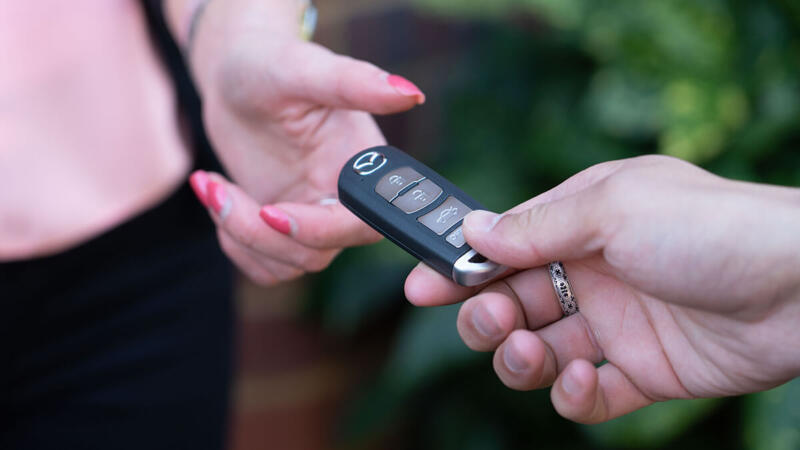
Selling a car in New Zealand’s competitive market requires more than just a good price; it demands strategic preparation. Whether you're upgrading or moving abroad, maximizing your vehicle’s resale value hinges on key factors specific to the Kiwi landscape.
From meticulous maintenance records to understanding regional preferences like towing capacity for SUVs or fuel efficiency for city cars, small efforts yield significant returns. Clean presentation, minor repairs, and timing your sale with seasonal demand can elevate your listing above the crowd.
Discover how to transform your car from a depreciating asset into a sought-after bargain, ensuring you drive away with the best possible deal.
Essential Maintenance and Repair Strategies to Boost Your Car’s Resale Value in New Zealand
To maximize your car’s resale value in New Zealand, a proactive approach to maintenance and presentation is key. New Zealand buyers are particularly value-conscious and will thoroughly inspect a vehicle before making an offer.
Keeping a detailed service history, addressing minor issues before they become major problems, and ensuring your car is cosmetically appealing can significantly increase its market price.
Maintain a Complete Service History and Logbook
One of the most powerful tools for increasing resale value is a fully documented service history. In New Zealand, where vehicles often cope with diverse driving conditions from city commutes to rugged rural roads, buyers trust cars that have been regularly serviced.
Ensure every oil change, brake pad replacement, and tyre rotation is recorded in your logbook. If you perform any DIY maintenance, keep receipts for parts and fluids. A car with a verified logbook can command up to 10–15% more than an identical model without one, as it provides peace of mind and proof of reliability.
Invest in Professional Detailing and Minor Cosmetic Repairs
First impressions are everything when a potential buyer walks up to your car. In New Zealand’s competitive used car market, a spotless exterior and interior can instantly justify a higher asking price. Invest in a professional detail to remove swirl marks, clean upholstery, and treat leather surfaces.
Address small dents, stone chips, and scratches, especially on the front bumper and bonnet, which are common from New Zealand’s gravel roads. Clean, clear headlights and well-maintained alloy wheels also add a premium feel, making your car look loved and well-cared for.
Replace Worn Parts and Ensure Full Mechanical Fitness (with a New WOF)
Offering a car with a fresh Warrant of Fitness (WOF) is one of the strongest negotiating tools you can have. Before listing your car, take it to a trusted mechanic to replace any worn components like tyres, brake pads, or suspension bushings. Pay particular attention to any warning lights on the dashboard; a check engine or airbag light will scare off most buyers.
In New Zealand, cars with a new WOF and no known mechanical issues sell faster and for a premium, as buyers save time and avoid immediate repair costs.
This content may interest you! What to Check Before Buying a Used Car in New Zealand
| Strategy | Key Action | Typical Value Impact (NZD) |
|---|---|---|
| Service Logbook | Record all dealer and DIY maintenance | +$500 to $2,000 |
| Professional Detailing | Full exterior polish and interior deep clean | +$300 to $1,000 |
| Mechanical Fitness | New WOF and replacement of worn parts | +$700 to $2,500 |
Enhancing Interior and Exterior Condition: A Key to Resale Value in New Zealand
A well-maintained interior and exterior are crucial for maximizing your car's resale value in New Zealand, as first impressions heavily influence buyer decisions.
With the country's variable climate, including UV exposure and moisture, investing in regular cleaning, paint protection, and interior detailing can prevent wear and tear. A car that looks showroom-ready signals that it has been cared for, justifying a higher asking price compared to neglected vehicles.
Regular Servicing and Documented History
Maintaining a full service history with receipts from certified mechanics in New Zealand builds buyer trust and proves mechanical reliability. Routine oil changes, brake checks, and warrant of fitness (WoF) records show the car has been responsibly maintained, reducing perceived risk of future repairs.
Strategic Cosmetic Repairs and Paint Protection
Fixing minor dents, scratches, and stone chips common on New Zealand roads boosts curb appeal, while applying ceramic coating or wax guards against UV rays and salt corrosion. A flawless paint job and clean upholstery can significantly increase perceived value.
Keeping Mileage Manageable and Documentation Transparent
Lower annual mileage, ideally below 15,000 km, is highly sought after in New Zealand's used car market, as it suggests less engine strain. Avoid odometer tampering; instead, provide a clear mileage history from WoF forms to build credibility.
Upgrading to New Zealand-Specific Features
Adding functional upgrades like a tow bar, roof racks, or a backup camera can meet local demands for adventure and safety. Factory-standard parts are preferred over aftermarket modifications, which may deter buyers expecting reliability.
Timing the Sale with Market Trends in New Zealand
Selling during peak seasons like late spring or early summer when demand for cars rises can yield better prices. Monitor online listings for comparable models in your region and avoid selling during market dips or when similar cars flood the market.
Frequently Asked Questions
What maintenance records should I keep to boost my car's resale value?
Keep a complete log of all services, repairs, and part replacements. In New Zealand, a stamped service book or digital records from a licensed mechanic prove regular oil changes, WOF inspections, and major fixes. This builds buyer trust and can add several hundred dollars to the asking price. Consistent, documented care signals a well-maintained vehicle.
Does a professional detail really increase the sale price in New Zealand?
Yes, a professional interior and exterior detail can raise your car’s value by 5-10%. Clean, spotless paint, immaculate seats, and shiny wheels create a strong first impression. Buyers in New Zealand are willing to pay more for a vehicle that looks cared for and ready to drive. A $200 detail can easily yield a $500+ return on resale.
Should I repair minor dents and scratches before selling my car?
Absolutely. Minor cosmetic flaws like door dings, paint chips, or bumper scuffs make your car appear neglected. In New Zealand’s competitive market, these issues often lead to lower offers or slow sales. Investing in a paint touch-up or dent removal (typically $100-300) can recover that cost and attract more serious buyers at a higher price point.
What specific features add the most value to a car in New Zealand?
Just-installed WOF, fresh registration, new tires (with tread depth over 4mm), and a cleaned engine bay are top value boosters. A recent service record and good-quality floor mats also matter locally. Buyers prioritize safety and reliability. Adding a quality aftermarket stereo or reversing camera can further justify a premium, especially for popular New Zealand models like Toyota Corollas or Ford Rangers.
This content may interest you! New Zealand Car Registration Explained
Leave a Reply