
Ford Ranger Models New Zealand: Complete 2026 Buyer’s Guide
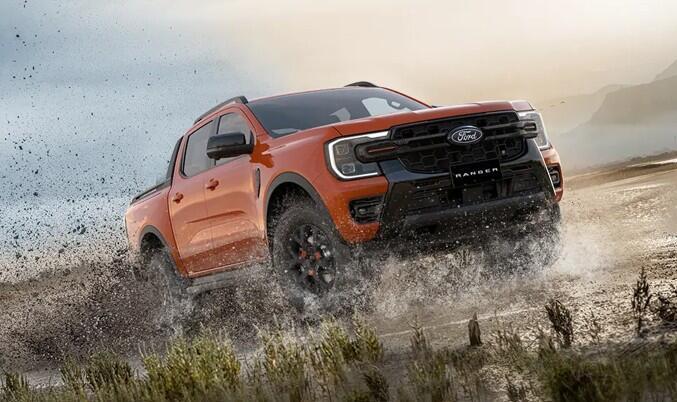
Few vehicles fit New Zealand quite like the Ford Ranger. It can haul tools through a muddy worksite on Monday, tow a boat toward the Coromandel on Friday, and carry the family to a campsite before the weekend has properly begun. It is part workhorse, part adventure machine and, in its more luxurious forms, part premium SUV with a tray attached.
Yet choosing between the different Ford Ranger models in New Zealand is no longer simple. The range stretches from practical commercial utes to aggressively styled off-road variants and the high-performance Ranger Raptor. Buyers can choose different cab configurations, diesel engines, drivetrains and equipment levels.
For the 2026 model range, Ford New Zealand lists seven principal Ranger grades: XL, XLT, Wolftrak, Tremor, Wildtrak, Platinum and Raptor. Prices, specifications and availability can change, while individual grades may offer more than one body style or drivetrain.
So, which Ranger deserves a place in our driveway? Let us break down the range without drowning in brochure language.
- Ford Ranger Models Available in New Zealand
- Ford Ranger XL: The Practical Workhorse
- Ford Ranger XLT: The All-Rounder
- Ford Ranger Wolftrak: Rugged Style Without Going Full Raptor
- Ford Ranger Tremor: Built for Rougher Ground
- Ford Ranger Wildtrak: The Premium Lifestyle Favourite
- Ford Ranger Platinum: Luxury Meets Utility
- Ford Ranger Raptor: The Performance Flagship
- Ranger Plug-In Hybrid Models in New Zealand
- Ford Ranger Super Duty: The Heavy-Duty Alternative
- Understanding Ranger Engine Choices
- Ranger Cab and Body Configurations
- Which Ranger Is Best for Towing?
- Which Ford Ranger Model Is Best for New Zealand Roads?
- What to Check Before Choosing a Ranger
- New Versus Used Ford Ranger Models
- Final Thoughts on Ford Ranger Models in New Zealand
- Frequently Asked Questions
Ford Ranger Models Available in New Zealand
The current New Zealand Ranger family covers a remarkably broad spectrum. At one end, the Ranger XL focuses on durability and value. At the other, the Ranger Raptor behaves more like an off-road performance vehicle than a conventional utility.
The main Ranger models are:
- Ford Ranger XL
- Ford Ranger XLT
- Ford Ranger Wolftrak
- Ford Ranger Tremor
- Ford Ranger Wildtrak
- Ford Ranger Platinum
- Ford Ranger Raptor
Ford has also introduced plug-in hybrid Ranger variants and announced Ranger Super Duty models for buyers needing significantly greater commercial capability. These vehicles broaden the family beyond the conventional diesel range.
Quick Ford Ranger Model Comparison
| Ranger model | General character | Best suited to |
|---|---|---|
| XL | Practical and work-focused | Trades, farms and fleets |
| XLT | Balanced and versatile | Work and family use |
| Wolftrak | Tough, distinctive special-purpose model | Active lifestyles and rugged use |
| Tremor | Off-road-focused diesel Ranger | Trails, farms and difficult terrain |
| Wildtrak | Premium lifestyle ute | Touring, towing and daily driving |
| Platinum | Luxury-oriented flagship diesel | Buyers wanting SUV-like comfort |
| Raptor | High-performance off-road model | Enthusiasts and fast off-road driving |
This table gives us the broad picture, but the details matter. A Ranger that looks perfect in a showroom may not be ideal once we add passengers, tools, accessories, a trailer and everyday running costs.
Ford Ranger XL: The Practical Workhorse
The Ranger XL is the no-nonsense member of the family. It is designed for buyers who see a ute primarily as equipment rather than decoration.
That does not mean it is primitive. Modern entry-level Rangers offer far more comfort, safety technology and connectivity than basic work utes from a decade ago. However, the XL keeps the emphasis on durability, usable payload space and sensible ownership costs.
Ford New Zealand’s current pricing page lists the XL from NZ$54,990 plus on-road costs, with a 2.0-litre turbo-diesel engine, ten-speed automatic transmission and four-wheel drive shown for the advertised starting configuration. Pricing and available body styles may vary by production cycle.
Who Should Buy the Ranger XL?
The XL makes the most sense for:
- Builders and tradespeople
- Forestry and agricultural operators
- Fleet managers
- Buyers planning a service-body conversion
- Owners who expect the interior to face mud, dust and work gear
- Anyone who values function above cosmetic extras
Steel wheels may lack showroom sparkle, but they can be practical in harsh working environments. They are the boots of the ute world: simple, durable and ready to get dirty.
XL Strengths
The XL’s biggest advantage is that we are not paying heavily for features we may never use. It also provides a straightforward base for canopies, trays, toolboxes, roof systems and other commercial accessories.
Its weakness is equally clear. Buyers who use their Ranger as a daily family vehicle may eventually wish they had chosen a grade with a more polished cabin and extra convenience equipment.
Ford Ranger XLT: The All-Rounder
The Ranger XLT is often the sweet spot in the range. It moves beyond the work-focused feel of the XL without climbing all the way into Wildtrak or Platinum territory.
Ford New Zealand lists XLT configurations with a 2.0-litre turbo-diesel or 3.0-litre V6 turbo-diesel engine, depending on the selected drivetrain and body style. The 2.0-litre engine is rated at 125kW and 405Nm, while the 3.0-litre V6 diesel produces 184kW and 600Nm. Both are paired with a ten-speed automatic transmission in the listed range.
The published starting price is NZ$55,990 plus on-road costs, although that applies to the entry configuration rather than every XLT.
Why the XLT Appeals to So Many Buyers
The XLT sits comfortably between two worlds. It can arrive at a jobsite without looking delicate, yet it does not feel out of place outside a restaurant or school gate.
That balance makes it appealing to people who need one vehicle to perform several roles:
- Commercial vehicle during the week
- Tow vehicle for holidays
- Family transport
- Long-distance touring ute
- Light off-road vehicle
- Everyday commuter
The available V6 diesel is particularly relevant for drivers who frequently tow, carry heavy loads or travel through hilly areas. Its 600Nm output offers a muscular, relaxed character compared with an engine that must work harder to achieve the same pace.
Is the XLT the Best-Value Ranger?
For many New Zealand buyers, yes. It provides enough comfort and technology to feel modern while remaining recognisably practical.
However, value depends on how we use the ute. A contractor may find the XL more logical. A buyer covering thousands of recreational kilometres each year may appreciate the extra refinement of the Wildtrak.
Ford Ranger Wolftrak: Rugged Style Without Going Full Raptor
The Wolftrak brings a more distinctive, adventurous personality to the range. It is positioned for buyers who want robust design and genuine four-wheel-drive ability without stepping into the specialised performance territory of the Raptor.
Ford New Zealand lists the Wolftrak from NZ$75,990 plus on-road costs, powered by the 3.0-litre V6 diesel with a ten-speed automatic transmission and four-wheel drive.
Ford describes the model with durable cabin treatments, including trimmed vinyl seating, all-weather mats and distinctive Traction Green accents. These details aim to create an interior that can tolerate outdoor equipment and muddy clothing more comfortably than a delicate luxury cabin.
What Makes Wolftrak Different?
Wolftrak is not merely an appearance package in spirit. Its identity centres on toughness and practicality, but with enough visual personality to stand apart from a fleet-spec Ranger.
It suits buyers who enjoy:
- Hunting and fishing trips
- Mountain biking
- Remote camping
- Farm and lifestyle-block use
- Carrying wet or muddy equipment
- Owning something less common than an XLT
The Wolftrak is like a well-made outdoor jacket. It is functional first, but its distinctive details help it feel special.
Ford Ranger Tremor: Built for Rougher Ground
The Ranger Tremor targets drivers who regularly leave sealed roads behind. Rather than pursuing the outright speed and theatrical personality of the Raptor, it focuses on practical off-road usefulness.
Ford New Zealand’s current range lists the Tremor from NZ$79,990 plus on-road costs, using the 3.0-litre V6 diesel, ten-speed automatic transmission and four-wheel drive.
Tremor Versus Wolftrak
At first glance, Wolftrak and Tremor may seem to occupy similar territory. Both have rugged styling and four-wheel-drive credibility. Their personalities, however, are slightly different.
Wolftrak blends durability, visual distinction and lifestyle appeal. Tremor leans more heavily toward buyers who prioritise difficult terrain and off-road hardware.
We can think of Wolftrak as the ute for reaching the trailhead and Tremor as the ute that wants to continue down the trail.
Who Needs a Ranger Tremor?
A Tremor becomes worthwhile when off-road ability is more than an occasional fantasy. It may suit:
- Rural property owners
- Forestry workers
- Outdoor guides
- Drivers accessing remote launch ramps
- Buyers travelling over loose, muddy or uneven surfaces
- Recreational off-road enthusiasts
For mainly urban use, its specialised character may be unnecessary. A Wildtrak or XLT could deliver a more suitable balance of road comfort, equipment and price.
The Wildtrak has become one of the most recognisable Ranger models in New Zealand. It combines assertive styling with a more sophisticated cabin and strong towing or touring credentials.
The current Ford New Zealand pricing page lists the Wildtrak from NZ$85,990 plus on-road costs, with the 3.0-litre V6 diesel, ten-speed automatic transmission and four-wheel drive.
Why Is the Wildtrak So Popular?
The Wildtrak makes ute ownership feel less like a compromise. Earlier utility vehicles often forced us to choose between work capability and passenger comfort. The Wildtrak attempts to provide both.
It works well for people who want:
- A comfortable long-distance cabin
- Strong diesel performance
- Modern infotainment
- Distinctive exterior styling
- Four-wheel-drive capability
- Family-friendly equipment
- Serious towing potential
It is not the cheapest way to buy a capable Ranger, but capability is only one part of the decision. We interact with the seats, screens, controls and cabin materials every day. Those details can matter more than an impressive specification we use twice a year.
Wildtrak as a Family Vehicle
A Double Cab Wildtrak can operate as a family vehicle, but we should remember that it remains a ute. Its long body requires more parking space than a conventional SUV, and the unladen ride may feel different from a road-focused crossover.
The tray is wonderfully versatile, especially with a suitable cover or canopy. Still, groceries, luggage and valuables are not automatically protected from weather or theft in the same way they would be in an enclosed SUV cargo area.
Ford Ranger Platinum: Luxury Meets Utility
The Ranger Platinum sits near the top of the conventional diesel range. It targets buyers who want the presence and practicality of a Ranger but expect a cabin closer to a premium SUV.
Ford New Zealand lists the Platinum from NZ$92,990 plus on-road costs. The advertised model uses the 3.0-litre V6 diesel, ten-speed automatic transmission and four-wheel drive.
What Does Platinum Add?
The Platinum’s appeal is not about transforming the Ranger into a different vehicle. Instead, it polishes the experience.
We can expect its positioning to emphasise:
- More premium interior presentation
- Additional comfort equipment
- Distinctive exterior details
- Advanced convenience features
- Strong V6 diesel performance
- SUV-like touring character
It is aimed at the owner who may tow a caravan, visit worksites, travel long distances and still want a cabin that feels suitably special.
Platinum Versus Wildtrak
This is one of the most interesting comparisons in the range.
Choose the Wildtrak when we prefer a sporty, adventure-oriented identity and want premium features without reaching the highest diesel price tier.
Choose the Platinum when comfort, interior ambience and flagship presentation matter more than projecting a rugged lifestyle image.
Mechanically, the two can be closely related. Emotionally, they speak different languages. Wildtrak wears hiking boots; Platinum wears polished leather boots that are still prepared to cross a paddock.
Ford Ranger Raptor: The Performance Flagship
The Ranger Raptor is not simply a more expensive Wildtrak. It is a specialised performance model developed around high-speed off-road driving, powerful petrol performance and sophisticated suspension.
Ford New Zealand specifies a 3.0-litre twin-turbo EcoBoost V6 petrol engine producing 292kW and 583Nm. It uses a ten-speed automatic transmission and Ford Performance-developed FOX 2.5-inch Live Valve internal-bypass shock absorbers.
The Raptor sits at the top of the regular Ranger pricing ladder, with the final cost depending on the current model year, options and on-road charges.
What Makes the Raptor Special?
The Raptor’s character comes from the complete package rather than one dramatic number.
Key elements include:
- High-output twin-turbo V6 petrol engine
- Performance-focused suspension
- Wider and more aggressive stance
- Specialised off-road hardware
- Distinctive interior and exterior design
- Multiple terrain and performance settings
- Strong emotional appeal
Driving one can feel like bringing a rally stage to an unsealed road. Yet that excitement comes with trade-offs.
Raptor Limitations to Consider
The Raptor is not automatically the best Ranger for towing, payload or business use. Its specialised suspension, petrol engine and performance focus serve a different purpose.
Potential buyers should consider:
- Higher purchase price
- Petrol consumption
- Insurance costs
- Tyre replacement expenses
- Large exterior dimensions
- Reduced focus on maximum payload
- Whether its off-road performance will actually be used
Buying a Raptor solely for its appearance is possible, but it is rather like purchasing climbing equipment to walk around a shopping centre. It still looks impressive, though much of its talent remains unused.
Ranger Plug-In Hybrid Models in New Zealand
The Ranger Plug-in Hybrid introduces an important alternative for drivers who want electric-assisted commuting without abandoning the flexibility of a petrol-powered ute.
Ford New Zealand lists plug-in hybrid specifications for XLT and Wildtrak variants. The powertrain combines a 2.3-litre EcoBoost petrol engine with an electric motor and an automatic modular hybrid transmission. Published combined outputs are 207kW and 697Nm, with an 11.8kWh battery and full-time four-wheel drive.
Why the Ranger PHEV Matters
The plug-in hybrid is not merely about saving fuel. It can change how the vehicle fits into daily life.
For example, an owner may complete shorter local journeys using stored electrical energy, while retaining the petrol engine for longer trips. Ford also promotes Pro Power Onboard electrical outlets, allowing equipment to be powered from the vehicle.
That could appeal to:
- Tradespeople using electrical tools
- Campers running appliances
- Owners with predictable daily commutes
- Businesses seeking lower local fuel use
- Drivers who cannot rely on a fully electric ute
Should We Buy Diesel or Plug-In Hybrid?
Diesel remains attractive for long-distance towing, rural travel and buyers without convenient charging. The plug-in hybrid becomes more compelling when we can charge regularly and complete many shorter journeys.
A plug-in hybrid that is rarely plugged in loses much of its potential advantage. The charging routine is not a footnote; it is central to the ownership experience.
Ford Ranger Super Duty: The Heavy-Duty Alternative
Ranger Super Duty pushes the platform into heavier commercial territory. Ford says it receives a strengthened chassis, upgraded suspension, larger axles, thicker driveshafts, larger brakes and eight-stud hubs.
Ford New Zealand also advertises up to 4,500kg of braked towing capacity for Ranger Super Duty, subject to model specification, operating conditions and legal requirements.
Who Is Ranger Super Duty For?
This is not simply a tougher-looking lifestyle ute. It is intended for demanding applications such as:
- Heavy trailers
- Agricultural operations
- Civil construction
- Emergency services
- Mining and infrastructure work
- Remote commercial operations
- Heavily equipped service vehicles
For an ordinary family or recreational buyer, a standard Ranger will usually be easier and more economical to own. Super Duty is the industrial tool in the cabinet—not the one we choose merely because it has the largest handle.
Understanding Ranger Engine Choices
Engine selection shapes the vehicle more profoundly than exterior trim.
2.0-Litre Turbo-Diesel
Ford’s 2.0-litre turbo-diesel produces 125kW and 405Nm in the currently listed specification. It is paired with a ten-speed automatic transmission.
This engine generally suits buyers seeking:
- Lower entry cost
- Everyday commercial use
- Moderate towing
- Fleet applications
- A balance between performance and economy
3.0-Litre V6 Turbo-Diesel
The 3.0-litre V6 diesel develops 184kW and 600Nm in Ford New Zealand’s listed specifications.
Its strengths include:
- Strong low-speed pulling power
- Relaxed towing performance
- Easier overtaking
- Better suitability for frequent heavy use
- A smoother, more effortless driving character
The V6 will not be necessary for every owner, but it can make a large difference when the vehicle regularly works near the demanding end of its duties.
3.0-Litre Twin-Turbo Petrol V6
Reserved for the Raptor, the petrol V6 produces 292kW and 583Nm.
This is the choice for speed, response and performance theatre—not fuel-saving diesel practicality.
Plug-In Hybrid Powertrain
The Ranger PHEV’s system output of 207kW and 697Nm gives it the highest published torque figure among the mainstream electrified Ranger variants listed by Ford New Zealand.
However, numbers alone do not determine suitability. Charging access, trip length, payload, towing habits and purchase cost all belong in the decision.
Ranger Cab and Body Configurations
A model name tells only part of the story. We must also select the right body configuration.
Depending on grade and availability, Ranger configurations can include:
- Single Cab Chassis
- Super Cab
- Double Cab Chassis
- Double Cab Pick Up
The XLT, for example, is listed in Super Cab Pick Up and Double Cab Pick Up forms, while commercial variants may offer chassis configurations intended for trays or specialised bodies.
Single Cab
Best for maximum tray length and work-focused use. Passenger capacity is limited, but commercial flexibility is excellent.
Super Cab
Offers occasional rear seating or extra protected storage while maintaining a longer load area than a Double Cab.
Double Cab
The obvious choice for families and work crews. It provides four conventional doors and the most usable rear passenger compartment, although tray length may be reduced compared with more work-oriented configurations.
Which Ranger Is Best for Towing?
Most conventional Ranger diesel variants are commonly selected for towing because they combine strong torque, stable dimensions and available towing technology. Several mainstream New Zealand variants are rated for up to 3,500kg braked towing when correctly configured, while Ranger Super Duty raises the advertised figure to 4,500kg. Exact limits depend on the variant and should always be checked in the applicable specifications and owner documentation.
For frequent towing, we would generally look closely at:
- XLT V6
- Wildtrak V6
- Platinum V6
- Ranger Super Duty for heavier specialist requirements
The maximum tow rating is not the only number that matters. Payload, gross combination mass, tow-ball download, passengers, accessories and cargo all interact. A ute can reach one limit before it reaches another.
Which Ford Ranger Model Is Best for New Zealand Roads?
There is no universal winner, but several models stand out for particular lifestyles.
Best Ranger for Work: XL
The XL offers the strongest emphasis on practicality and value. It is the sensible canvas for commercial modifications.
Best All-Round Ranger: XLT
The XLT balances equipment, engine choice and everyday usability. It is likely to satisfy the broadest range of owners.
Best for Rugged Lifestyle Use: Wolftrak
Wolftrak brings durable materials and distinctive styling for buyers carrying outdoor gear or regularly travelling beyond sealed roads.
Best for Off-Road Use: Tremor
Tremor is the logical choice when trail capability matters more than luxury.
Wildtrak combines strong performance, comfort and recognisable lifestyle styling without moving fully into luxury territory.
Best Luxury Ranger: Platinum
Platinum suits buyers who want the Ranger’s capability with a more refined flagship feel.
Best Performance Ranger: Raptor
Nothing else in the range offers the Raptor’s combination of petrol V6 power, specialised suspension and high-speed off-road personality.
What to Check Before Choosing a Ranger
Before ordering any Ranger, we should answer several practical questions.
How Will the Vehicle Be Used?
Be honest. Will it tow every week or once a year? Will it travel off-road, or merely cross a grassy car park? Will the rear seats carry adults, children or nobody?
What Will Be Added After Purchase?
Bull bars, canopies, drawers, rooftop tents, toolboxes, tow equipment and larger tyres add weight. That weight can reduce the remaining payload available for passengers and cargo.
Where Will It Be Parked?
A Ranger is a substantial vehicle. Check garage length, height clearance and turning space before discovering that the dream ute does not comfortably fit at home.
What Is the Real Ownership Budget?
Purchase price is only the opening chapter. Consider:
- On-road costs
- Insurance
- Registration
- Road-user charges where applicable
- Fuel or electricity
- Servicing
- Tyres
- Accessories
- Finance costs
- Depreciation
A less expensive grade with carefully selected accessories may serve us better than a flagship model that strains the household budget.
New Versus Used Ford Ranger Models
New Rangers provide the latest safety systems, technology, warranty protection and powertrain choices. Used models may offer better value, but condition and history become critical.
When shopping for a used Ranger, investigate:
- Service history
- Evidence of heavy towing
- Underbody damage
- Off-road wear
- Tyre condition and matching brands
- Suspension modifications
- Electrical accessories
- Canopy or tray installation quality
- Previous commercial use
- Outstanding recalls or service actions
A polished body does not guarantee an easy life. A ute can hide years of hard towing behind a fresh coat of grooming products.
Final Thoughts on Ford Ranger Models in New Zealand
The Ford Ranger range succeeds because it does not force every buyer into the same mould.
The XL remains an honest workhorse. The XLT is the versatile middle ground. Wolftrak and Tremor bring different flavours of rugged ability. Wildtrak blends utility with lifestyle comfort, while Platinum moves closer to luxury-SUV territory. Raptor throws practicality’s rulebook into the tray and replaces it with performance hardware.
Meanwhile, plug-in hybrid models introduce electric-assisted versatility, and Ranger Super Duty expands the family toward genuinely heavy commercial work.
Our best Ranger is not automatically the most powerful or expensive one. It is the model that performs our real daily tasks without making us pay for abilities we rarely use.
Before buying, compare exact specifications, sit in the rear seats, test the turning circle, inspect tray access and drive the vehicle on roads similar to those we use every day. A brochure tells us what a Ranger can do. A thoughtful test drive reveals whether we actually want to live with it.
Frequently Asked Questions
What Ford Ranger models are available in New Zealand?
Ford New Zealand’s current main range includes the XL, XLT, Wolftrak, Tremor, Wildtrak, Platinum and Raptor. Plug-in hybrid Ranger variants are also available, while Ranger Super Duty expands the range for heavier commercial applications.
Which Ford Ranger model is the best value?
The XLT is arguably the best all-round value because it combines practical equipment, multiple configurations and available 2.0-litre or 3.0-litre diesel power. The XL may offer better value for strictly commercial use.
What is the most luxurious Ford Ranger in New Zealand?
The Platinum is the most luxury-focused conventional diesel Ranger. It combines V6 diesel performance with a more premium cabin and flagship presentation. The Raptor costs more in some configurations but focuses on performance rather than traditional luxury.
Which Ford Ranger is best for off-roading?
The Raptor offers the most specialised high-performance off-road package, including FOX Live Valve suspension. The Tremor is a more practical diesel alternative for buyers who prioritise rugged terrain without needing the Raptor’s petrol performance.
Is the Ford Ranger available as a hybrid in New Zealand?
Yes. Ford New Zealand lists Ranger plug-in hybrid XLT and Wildtrak variants using a 2.3-litre EcoBoost petrol engine, electric motor, 11.8kWh battery and full-time four-wheel drive. The system produces a published 207kW and 697Nm.
This content may interest you! Mitsubishi Triton vs Ford Ranger Wildtrak New Zealand: Which Ute Wins?
Leave a Reply