
Toyota RAV4 vs Mitsubishi Outlander New Zealand: Which SUV Is Better?
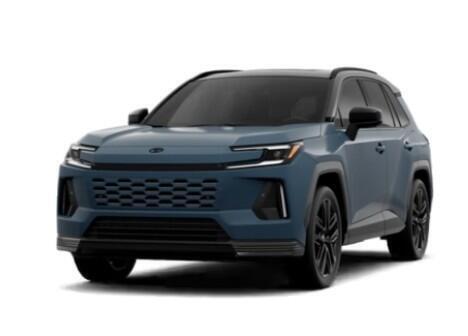
Choosing between the Toyota RAV4 and Mitsubishi Outlander in New Zealand is not as straightforward as picking the model with the flashiest grille or the longest equipment list. Both SUVs have earned a strong reputation among Kiwi drivers, yet they appeal to slightly different buyers.
The Toyota RAV4 is often viewed as the efficient, polished all-rounder. It feels equally comfortable navigating Auckland traffic, cruising through Canterbury, or heading toward a gravel road for a weekend escape. The Mitsubishi Outlander, meanwhile, plays the family card more aggressively. Its available seven-seat layout, spacious cabin, and plug-in hybrid option make it especially attractive to households that need flexibility.
So, which one deserves a place in your driveway? Let us compare design, practicality, performance, fuel economy, technology, comfort, ownership costs, and suitability for New Zealand roads.
- Toyota RAV4 vs Mitsubishi Outlander: Quick Overview
- Exterior Design and Road Presence
- Interior Quality and Cabin Design
- Seating Capacity and Family Practicality
- Boot Space and Cargo Flexibility
- Engine Performance and Everyday Driving
- Fuel Economy and Hybrid Technology
- Ride Comfort on New Zealand Roads
- All-Wheel Drive and Outdoor Use
- Technology and Infotainment
- Safety Features
- Reliability and Long-Term Ownership
- Toyota RAV4 vs Mitsubishi Outlander: Final Verdict
- Frequently Asked Questions
Toyota RAV4 vs Mitsubishi Outlander: Quick Overview
Before diving into the finer details, here is the basic difference:
- Choose the Toyota RAV4 if you want strong fuel efficiency, proven reliability, easy everyday driving, and a practical five-seat cabin.
- Choose the Mitsubishi Outlander if you need seven seats, more family flexibility, or the electric-driving benefits of a plug-in hybrid.
- Choose based on lifestyle, not simply badge reputation.
New Zealand reviews commonly position the Outlander as the stronger family-focused option because of its room and seven-seat availability, while the RAV4 is frequently praised for its capability and efficiency. [5]
Exterior Design and Road Presence
Toyota RAV4 Styling
The RAV4 has a rugged, angular design that makes it look ready for adventure even when it is parked outside the supermarket. Its squared wheel arches, sharp headlights, and upright front end give it a tougher appearance than many conventional family SUVs.
It is not overly elegant, but that is part of its charm. The RAV4 looks like a hiking boot: practical, durable, and prepared for poor weather.
Higher-spec versions usually add larger alloy wheels, premium lighting, contrasting exterior details, and more sophisticated finishes. These additions give the RAV4 a stronger visual presence without turning it into something unnecessarily flashy.
Mitsubishi Outlander Styling
The Outlander takes a more premium-looking approach. Its broad front grille, slim daytime running lights, and sculpted body create a more substantial impression. It appears larger and more formal than the RAV4, which may appeal to drivers who want their family SUV to feel a little more upmarket.
The Outlander’s boxier proportions are not purely decorative. They also help create a spacious cabin, particularly around the second row.
Which SUV Looks Better?
Design is personal, but we can simplify the choice:
- The RAV4 looks sportier and more adventurous.
- The Outlander looks larger and more sophisticated.
- The Toyota suits buyers who like rugged styling.
- The Mitsubishi suits those who prefer a polished family-SUV appearance.
Interior Quality and Cabin Design
Step inside the Toyota RAV4 and the first impression is one of practicality. Controls are generally easy to locate, important buttons are clearly marked, and the driving position feels natural. Toyota tends to prioritise function over visual drama, which is not necessarily a bad thing.
The dashboard is solidly built, although some areas may feel more durable than luxurious. Large storage compartments, useful cupholders, and sensible cabin organisation make the RAV4 easy to live with.
The Outlander’s interior feels more modern and, in many versions, more premium. Its horizontal dashboard design creates a sense of width, while the materials and displays can make it feel like a more expensive SUV.
For families, the Outlander also offers several clever storage areas. However, the third row should be viewed as an occasional seating solution rather than a full-time space for adults.
Seating Capacity and Family Practicality
Toyota RAV4: A Strong Five-Seater
The RAV4 is designed primarily as a five-seat SUV. Front-seat passengers enjoy generous space, while the rear seats can comfortably accommodate children, teenagers, or adults.
Its five-seat format also means the cargo area remains consistently useful. There is no third row folding into the boot floor, so owners can load groceries, luggage, sports equipment, or camping supplies without constantly rearranging the cabin.
Mitsubishi Outlander: Seven-Seat Flexibility
The Outlander’s biggest advantage is its available seven-seat configuration. For large families, this can be the deciding factor before the test drive even begins.
The third row works best for:
- Younger children
- Short urban trips
- School runs
- Occasional extra passengers
- Emergency family transport
It is less suitable for tall adults on long journeys. Still, having those extra seats can be incredibly valuable. They function like an umbrella: you may not need them every day, but you will be grateful when the situation changes.
The Outlander is widely regarded as the clearer family choice due to its roomy interior and seven-seat option. [5]
Boot Space and Cargo Flexibility
The Toyota RAV4 offers a broad, practical cargo area with a relatively accessible loading height. It works well for suitcases, prams, shopping bags, and outdoor equipment.
Because it is a dedicated five-seater, its luggage capacity is usually predictable. Fold the rear seats and the RAV4 becomes a capable vehicle for moving larger items.
The Outlander provides excellent flexibility, but cargo space depends on how the seats are arranged. With the third row folded, it has a useful family-sized boot. With all seven seats in use, luggage room becomes much tighter.
This creates a simple trade-off:
- The RAV4 offers stronger everyday cargo simplicity.
- The Outlander offers greater passenger flexibility.
- Using all seven Outlander seats reduces boot capacity considerably.
Engine Performance and Everyday Driving
Toyota RAV4 Performance
The RAV4 is available with different powertrains depending on model year and local specification, with hybrid versions being particularly popular.
The hybrid system is well suited to New Zealand driving. It feels smooth in stop-start traffic, responds confidently when joining motorways, and keeps fuel consumption under control.
The RAV4 is not a sports SUV, yet it rarely feels sluggish. Its power delivery is predictable, making it easy to drive around town or on longer trips.
Mitsubishi Outlander Performance
The Outlander is also offered with conventional and electrified powertrains, including the well-known plug-in hybrid electric vehicle, or PHEV.
The petrol version focuses on smooth, relaxed family driving rather than strong acceleration. It handles daily commuting comfortably but may feel more strained when fully loaded or climbing steep roads.
The Outlander PHEV is more interesting. It allows many short journeys to be completed using electric power, provided the battery is charged regularly. For households with home charging, this can significantly reduce petrol use during everyday travel.
International comparisons note that the RAV4’s petrol engine generally produces more power than the conventional Outlander petrol engine, although New Zealand specifications should always be checked by model and trim. [6]
Fuel Economy and Hybrid Technology
Fuel efficiency is one of the RAV4 Hybrid’s strongest qualities. Its self-charging hybrid system does not need to be plugged in. The vehicle automatically switches between petrol and electric assistance depending on speed, battery charge, and driving conditions.
This makes it ideal for people who want hybrid efficiency without changing their routine. You simply fill the tank and drive.
Traditional petrol-electric hybrids are especially effective in urban conditions, where frequent braking helps recover energy.
The Mitsubishi Outlander PHEV works differently. It has a larger battery and can travel a useful distance using electricity alone. However, its real-world economy depends heavily on charging behaviour.
A regularly charged Outlander PHEV can be extremely economical for short commutes. An Outlander PHEV that is rarely plugged in may carry the weight of its battery without taking full advantage of electric driving.
Which Is More Efficient?
The answer depends on how you drive:
- RAV4 Hybrid: Best for drivers who want consistent efficiency without plugging in.
- Outlander PHEV: Best for owners with home charging and predictable daily journeys.
- Petrol Outlander: Better suited to buyers prioritising space and price rather than maximum efficiency.
Hybrid RAV4 models are generally recognised for delivering better fuel economy than conventional petrol-powered alternatives. [2]
Ride Comfort on New Zealand Roads
New Zealand roads can change personality quickly. One moment we are cruising on smooth motorway asphalt; the next, we are dealing with broken surfaces, narrow rural lanes, or coarse chip seal.
The RAV4 generally feels controlled and stable. Its suspension can be firm over sharper bumps, but that firmness helps reduce excessive body movement through corners.
The Outlander has a softer, more relaxed character. It often feels comfortable during family trips, although its larger body can lean more noticeably on winding roads.
Neither SUV is designed for aggressive driving. The RAV4 feels slightly more composed, while the Outlander leans toward comfort.
All-Wheel Drive and Outdoor Use
Both SUVs can be found with all-wheel-drive systems, making them suitable for wet roads, gravel tracks, ski-field access routes, and light outdoor adventures.
However, we should not confuse them with heavy-duty four-wheel drives. They are not substitutes for vehicles designed for extreme off-road terrain.
For typical Kiwi use, either can confidently handle:
- Rain-soaked roads
- Gravel driveways
- Campsite tracks
- Mild snow conditions
- Rural access roads
- Slippery boat ramps, with appropriate care
The RAV4’s rugged image may suggest greater off-road ability, but the specific tyres and drivetrain matter more than styling alone.
Technology and Infotainment
Modern versions of both vehicles generally offer touchscreen infotainment systems, smartphone integration, digital driver information, reversing cameras, and multiple USB ports.
The Outlander’s cabin presentation can feel more contemporary, especially in higher specifications. Its displays, dashboard layout, and available features give it a stronger showroom impact.
The RAV4’s system is usually straightforward, though certain versions may not look as sophisticated. Toyota’s strength lies in ease of use rather than visual theatre.
When comparing used or new models, check the exact trim because equipment levels can vary substantially.
Safety Features
Safety is essential in a family SUV, and both vehicles typically include a broad range of driver-assistance systems.
Depending on year and specification, features may include:
- Autonomous emergency braking
- Adaptive cruise control
- Lane-departure warning
- Lane-keeping assistance
- Blind-spot monitoring
- Rear cross-traffic alert
- Parking sensors
- Surround-view cameras
The important point is not simply how many systems are fitted, but how naturally they operate. During a test drive, pay attention to whether lane assistance feels smooth or intrusive and whether parking cameras provide a clear image.
Reliability and Long-Term Ownership
Toyota has built a formidable reputation for reliability, and the RAV4 benefits from that trust. Its hybrid technology has been used across many Toyota models, which can reassure buyers considering long-term ownership.
Mitsubishi also has a loyal New Zealand customer base, and the Outlander has been a familiar sight on local roads for years. Its PHEV technology is established, but used buyers should carefully check battery condition, charging history, and servicing records.
For either SUV, a full service history is more valuable than a shiny exterior. A neglected “reliable” model can become more troublesome than a carefully maintained competitor.
Toyota RAV4 vs Mitsubishi Outlander: Final Verdict
The Toyota RAV4 is the better choice for drivers seeking a dependable, efficient, easy-to-own five-seat SUV. It is particularly appealing in hybrid form, where it combines strong fuel economy with the convenience of never needing external charging.
The Mitsubishi Outlander is better for families needing seven seats or buyers who can make full use of plug-in hybrid driving. Its cabin feels spacious, flexible, and more premium in several versions.
Our verdict is simple:
- Pick the RAV4 for efficiency, everyday simplicity, and long-term confidence.
- Pick the Outlander for passenger space, seven-seat versatility, and plug-in capability.
- Test both before deciding because comfort, visibility, and driving position can matter more than specification sheets.
Frequently Asked Questions
Is the Toyota RAV4 better than the Mitsubishi Outlander?
The RAV4 is generally better for fuel efficiency, simple hybrid ownership, and five-seat practicality. The Outlander is better for seven-seat flexibility and plug-in hybrid driving.
Does the Mitsubishi Outlander have more seats than the RAV4?
Yes. Many Outlander versions offer seven seats, while the RAV4 is primarily a five-seat SUV.
Which SUV is cheaper to run in New Zealand?
A RAV4 Hybrid can deliver consistently low fuel use without charging. An Outlander PHEV may cost less to run for short journeys when charged regularly at home.
Which SUV is better for a large family?
The Mitsubishi Outlander is generally the stronger choice for larger families because of its third-row seating and flexible interior.
Which is better for long-distance driving?
Both are capable, but the RAV4 Hybrid may appeal to drivers wanting straightforward fuel efficiency, while the Outlander offers more passenger flexibility.
This content may interest you! Tesla Model Y 5 Seater vs 7 Seater: Which One Should We Actually Buy?
Leave a Reply