
How to Choose Quality Replacement Car Parts
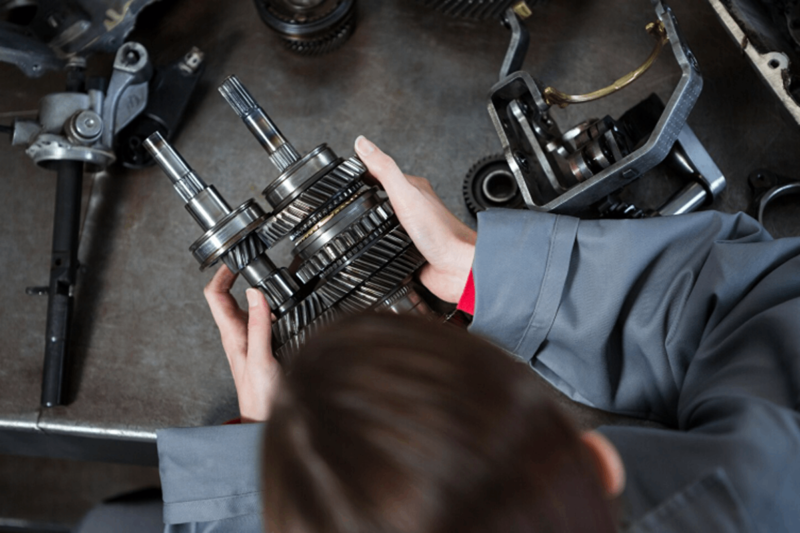
When your vehicle needs a new part, the sheer volume of options can feel overwhelming. Choosing between OEM, aftermarket, refurbished, or used components requires more than just a glance at the price tag. The quality of your replacement directly impacts your car’s safety, performance, and longevity.
This guide cuts through the confusion, offering practical strategies to evaluate materials, verify manufacturer reputation, and decode part numbers. From understanding warranty terms to identifying telltale signs of substandard craftsmanship, you will learn how to balance cost with reliability.
Whether you are a seasoned DIY mechanic or a first-time buyer, these insights ensure you invest in components that restore, not compromise, your vehicle’s integrity.
- How to Choose Quality Replacement Car Parts
- Key Factors to Consider When Sourcing Premium Auto Parts
- Frequently Asked Questions
- What should I prioritize when selecting replacement car parts to ensure quality?
- How can I verify if a replacement part fits my car model correctly?
- What are the red flags for counterfeit or low-quality replacement parts?
- Does a warranty guarantee a replacement part's quality, and what should I look for?
How to Choose Quality Replacement Car Parts
Selecting quality replacement car parts is crucial for vehicle safety, performance, and longevity. When choosing parts, always prioritize OEM (Original Equipment Manufacturer) components or reputable aftermarket brands known for rigorous testing. Check for certifications like ISO or SAE standards, which ensure parts meet industry specifications.
Verify the part's compatibility with your vehicle's make, model, and year using your VIN (Vehicle Identification Number). Avoid parts that appear poorly finished, have flimsy packaging, or come from unknown sellers, as they may compromise reliability. Opting for higher quality often means better materials, accurate fitment, and warranty coverage, saving you from frequent repairs.
Understanding OEM vs. Aftermarket Parts
OEM parts are made by the vehicle's original manufacturer or their authorized suppliers, guaranteeing a perfect fit and identical performance to factory components, though they often cost more. Aftermarket parts are produced by third-party companies and can range from high-quality alternatives to cheaper, lower-grade options.
The key is to research reputable aftermarket brands like Bosch, Denso, or Monroe, which offer reliable parts at competitive prices. For critical systems like brakes or steering, sticking with OEM or premium aftermarket parts is recommended to maintain safety and durability, while cosmetic components may tolerate budget-friendly aftermarket options.
Verifying Part Quality Through Materials and Warranty
Inspect the material quality by examining the part's weight, finish, and construction; quality parts typically use robust metals, reinforced plastics, or durable rubber composites. A strong indicator of reliability is the manufacturer's warranty—longer warranties often reflect confidence in product longevity.
Look for parts backed by at least a one-year warranty, with top-tier brands offering up to a lifetime guarantee. Additionally, check for quality seals like the CAPA (Certified Automotive Parts Association) certification for collision parts, which ensures fit, form, and safety standards are met.
This content may interest you! Where to Buy Toyota RAV4 Parts in New Zealand
Using Reliable Sources and Vehicle Compatibility
Purchase parts from trusted sources such as authorized dealerships, certified auto parts stores, or well-reviewed online retailers like RockAuto or NAPA Auto Parts. Always cross-reference part numbers with your vehicle's documentation to ensure compatibility.
Use online tools like VIN decoders or manufacturer catalogs to confirm specifications such as engine size, transmission type, and trim level. Avoid buying used parts that lack traceability or remanufactured parts without clear refurbishment documentation, as hidden wear can lead to premature failure.
| Part Type | OEM Quality | Aftermarket Quality | Key Certification |
|---|---|---|---|
| Brake Pads | Matching friction material, fitment guarantee | Ceramic options from brands like Akebono | SAE J2788 or ISO 9001 |
| Filters (Oil/Air) | Precise micron rating, OEM threads | High-quality cellulose/synthetic media | ISO 5011 for efficiency |
| Suspension Components | OE-specific rubber bushings, steel grade | Monroe or KYB gas-charged shocks | CAPA for collision parts |
| Electrical Parts | Exact sensor calibration, wire gauges | Bosch or Denso with ISO/TS 16949 | SAE for alternators/starters |
When selecting replacement car parts, the primary distinction lies between Original Equipment Manufacturer (OEM) and aftermarket components. OEM parts are identical to those used in your vehicle's assembly, manufactured by or for the original automaker, offering a guaranteed fit and performance but often at a higher cost.
Aftermarket parts, produced by third-party companies, provide a wider range of pricing and quality levels, from budget-friendly options to high-performance upgrades. The material composition also matters—look for heavy-duty metals versus cheap plastics for longevity.
Additionally, warranty coverage is a critical indicator; reputable parts usually come with a 12-month or longer guarantee. Finally, always verify compatibility by cross-referencing your vehicle's VIN (Vehicle Identification Number) or exact make, model, and year to avoid costly mismatches.
Verify the Manufacturer's Reputation and Certifications
The brand's track record is your first line of defense. Stick to well-known manufacturers with consistent positive feedback from mechanics and online communities.
Check for ISO 9001 or TS 16949 certifications, which indicate stringent quality control standards in production. Avoid generic or unbranded parts from unknown sources, especially on auction sites, as they often lack material integrity and engineering precision.
Inspect the Materials and Build Quality Visually
A quick visual inspection can reveal a lot about quality. High-quality parts feature smooth castings without burns, cracks, or uneven surfaces.
For metal components, check for rust-resistant coatings or galvanized finishes. For rubber items like hoses or bushings, ensure they are flexible yet firm, without dry rot or deformities. Packaging that is branded, sealed, and includes clear instructions is also a positive sign.
This content may interest you! How to Find Reliable Car Service in New Zealand
Compare Pricing with Market Averages
Price extremes are often red flags. A part that is significantly cheaper than the average price likely uses inferior materials or shortcuts in manufacturing.
Conversely, an exorbitantly priced part isn't always better. Use tools like price comparison websites and check retailers' standard pricing for your vehicle. The sweet spot is usually 20-30% above the lowest price from a reputable brand.
Check for Fitment Testing and Certifications
Parts that have undergone real-world fitment testing are far more reliable. Look for CAPA (Certified Automotive Parts Association) certification in the U.S., which verifies that the part meets or exceeds OEM specifications for crash safety and fit for body components.
For mechanical parts, check if the supplier provides direct fit guarantees or engineering data that matches your car's specifications.
Review Warranty and Return Policy Carefully
A generous warranty is a sign of manufacturer confidence. Seek parts with a minimum one-year warranty against defects in materials and workmanship.
Always read the fine print some warranties require professional installation or exclude normal wear and tear. A hassle-free return policy (e.g., 30 to 90 days) is also essential, as it protects you from buying a part that simply doesn't fit or fails prematurely.
Frequently Asked Questions
What should I prioritize when selecting replacement car parts to ensure quality?
Focus on parts that meet or exceed Original Equipment Manufacturer (OEM) specifications. Check for certifications like ISO or SAE, indicating rigorous testing. Verify the material composition—genuine steel or high-grade aluminum offers durability. Avoid cheap alternatives that may fit poorly or fail quickly. Research the brand’s reputation for reliability in your specific vehicle make and model.
How can I verify if a replacement part fits my car model correctly?
Cross-reference the part number with your vehicle’s VIN, year, make, and engine type from the manufacturer’s catalog. Consult online databases or a trusted mechanic to confirm compatibility. Look for trim-specific details, as slight variations can affect function. Use fitment guides on retailer websites that filter by your car’s specs to avoid sizing errors.
What are the red flags for counterfeit or low-quality replacement parts?
Watch for packaging with spelling errors, missing logos, or poor quality printing. Parts priced significantly below market average often indicate inferior materials or counterfeit origin. Check for rough edges, uneven finishes, or weak seals. Genuine parts typically have serial numbers or holograms; verify these with the manufacturer. Avoid sellers with inconsistent return policies.
This content may interest you! How to Keep Your Hybrid Battery Healthy
Does a warranty guarantee a replacement part's quality, and what should I look for?
Yes, a solid warranty reflects manufacturer confidence, but examine its terms closely. Seek warranties covering defects and premature failure, ideally for at least one year. Confirm if labor costs are included in warranty claims. Prefer brands with straightforward return processes. A lifetime warranty on certain components often signals premium engineering versus cheap alternatives prone to early breakdowns.
Leave a Reply