
How Often Should You Rotate Your Tyres?
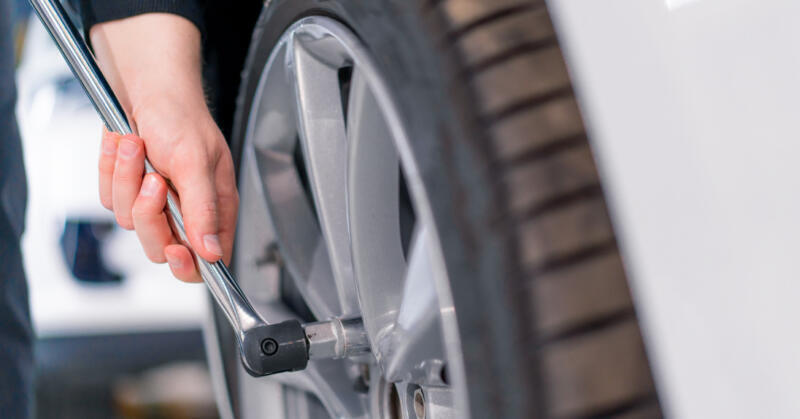
Maintaining your vehicle's tyres is crucial for safety and performance, and one key practice often overlooked is regular rotation. Many drivers wonder how frequently this should be done to ensure even tread wear, extend tyre life, and improve handling. The answer depends on factors like your driving habits, vehicle type, and tyre design.
Typically, experts recommend rotating your tyres every 5,000 to 8,000 miles, aligning with oil changes. However, consulting your owner's manual or a professional can provide tailored guidance.
Understanding this schedule helps you avoid premature replacements and enhances road grip, making every journey smoother and safer. Start prioritizing this simple maintenance step today.
How Often Should You Rotate Your Tyres?
The general recommendation from most vehicle manufacturers and tyre experts is to rotate your tyres every 5,000 to 7,500 miles (or approximately every 6 to 12 months).
However, the exact interval can depend on your driving habits, vehicle type, and tyre warranty. Some modern vehicles with advanced drivetrains may require more specific intervals, which can be found in your owner's manual.
Does the Vehicle Drivetrain Affect Rotation Frequency?
Yes, the drivetrain significantly influences how often you should rotate your tyres. Front-wheel-drive (FWD) vehicles typically wear the front tyres more quickly due to steering and engine weight, often necessitating rotation every 5,000 miles.
All-wheel-drive (AWD) and four-wheel-drive (4WD) vehicles often benefit from more frequent rotations (around 5,000 miles) to prevent uneven wear that can damage expensive drivetrain components.
What Are the Signs That Tyres Need Rotating Sooner?
Even if you haven't reached the recommended mileage, you should rotate your tyres if you notice uneven or cupping wear patterns on the tread surface, or if you feel vibrations in the steering wheel or seat while driving.
Additionally, if you frequently drive on rough or unpaved roads, or carry heavy loads, rotation intervals should be shortened because the added stress accelerates front tyre wear.
What Is the Connection Between Tyre Rotation and Tyre Warranty?
Many tyre manufacturers require documented rotation every 5,000 to 6,500 miles to maintain the validity of their treadwear warranty. If you fail to rotate your tyres at the specified intervals and cannot provide proof of service, a warranty claim for premature or irregular wear may be denied.
Always keep receipts or service records to protect your investment.
| Drivetrain Type | Recommended Rotation Interval | Reason for Interval |
|---|---|---|
| Front-Wheel Drive (FWD) | Every 5,000–7,500 miles | Front tyres wear faster due to steering and engine weight. |
| Rear-Wheel Drive (RWD) | Every 5,000–7,500 miles | Rear tyres wear faster due to power output. |
| All-Wheel Drive (AWD) | Every 5,000 miles | Prevents drivetrain damage from mismatched tyre diameters. |
Key Considerations for Tyre Rotation Intervals
While a common recommendation is to rotate your tyres every 5,000 to 8,000 miles, the ideal frequency depends heavily on your vehicle type, driving habits, and tyre warranty terms. Consulting your owner’s manual or the tyre manufacturer’s guidelines ensures you follow a schedule that maximizes tread life and maintains balanced handling.
How Your Vehicle’s Drivetrain Affects Rotation Needs
Front-wheel-drive vehicles typically wear the front tyres faster due to steering and power delivery, requiring rotation every 5,000 to 7,000 miles. Rear-wheel-drive and all-wheel-drive systems also demand attention to avoid uneven wear, with AWD models often needing more frequent checks to prevent driveline strain from mismatched tread depths.
The Role of Tyre Type and Tread Pattern
Performance tyres with asymmetric or directional treads impose specific rotation patterns, such as front-to-rear only or cross-swapping, which may reduce flexibility in scheduling. For example, directional tyres cannot be moved side-to-side, meaning rear tyres may wear differently, so sticking to shorter intervals like 5,000 miles helps balance wear despite these limitations.
Driving Conditions That Accelerate Wear
Frequent driving on rough roads, gravel, or in heavy city traffic with constant braking and cornering can accelerate front or rear tyre wear independently. If you routinely haul heavy loads or drive in extreme temperatures, you should consider rotating your tyres more often, perhaps every 4,000 to 5,000 miles, to compensate for the increased stress on specific positions.
Warranty and Tread Wear Indicator Clues
Many tyre warranties require proof of regular rotation at documented intervals, such as every 6,000 miles, to qualify for prorated replacement claims. Additionally, monitoring tread depth indicators—like the wear bars that appear at 2/32-inch depth—can signal if your rotation schedule is insufficient, urging an immediate adjustment to prolong tyre life.
Symptoms That Demand an Unscheduled Rotation
Noticeable vibration in the steering wheel, a persistent pull to one side, or visible uneven wear like scalloped edges on tread blocks are clear indicators that your tyres need rotating outside the standard schedule. Ignoring these symptoms can lead to premature tyre failure and compromise vehicle safety, so performing a rotation immediately upon noticing them is critical.
Frequently Asked Questions
How often should I rotate my tires?
It is generally recommended to rotate your tires every 5,000 to 8,000 miles (8,000 to 13,000 kilometers) for most passenger vehicles. This interval often coincides with your car’s oil change schedule, making it easy to remember. However, always consult your vehicle owner’s manual for the manufacturer’s specific recommendation, as some cars or performance tires may have different requirements.
Why is regular tire rotation important?
Regular tire rotation ensures even tread wear across all four tires. Front tires wear faster from steering, braking, and weight, while rear tires wear differently. Rotating them evens out this disparity, extending tire life, improving traction, and maintaining balanced handling. Neglecting rotation can lead to premature replacement and reduced safety, especially in wet or slippery conditions.
Do I need to rotate tires if they are directional or staggered?
Yes, but the process is different. Directional tires must only be rotated front-to-back on the same side to maintain their intended rotation direction. Staggered fitments (different sizes front vs. rear) cannot be swapped side-to-side or front-to-back. In these cases, rotate side-to-side only, or follow the manufacturer’s specific pattern. Some vehicles with staggered setups may require only front-to-rear rotation on the same side.
Can I skip tire rotation if my tires look even?
No, visual inspection alone is unreliable. Even if tires appear uniform, hidden uneven wear can develop from alignment issues or suspension differences. Skipping rotation risks accelerated wear on certain positions, reducing overall tire lifespan and compromising performance. Regular rotation also allows a mechanic to inspect for damage, alignment problems, or inflation issues early, preventing costly repairs and ensuring safety over time.
This content may interest you! How to Reduce Tyre Wear While Driving
Leave a Reply