
Ford Ranger Tyre Size: Complete Fitment and Upgrade Guide
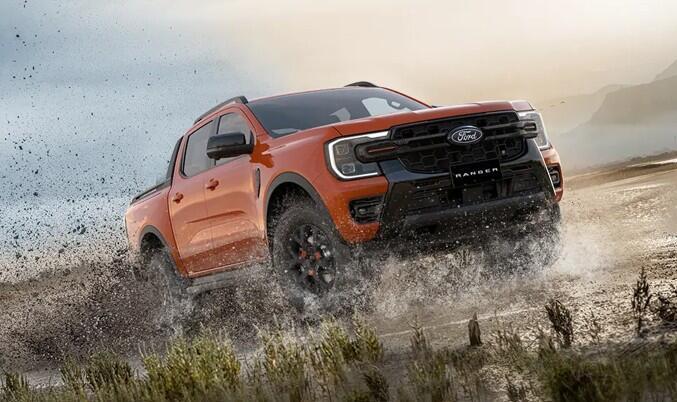
Choosing the correct Ford Ranger tyre size sounds simple until we start comparing model years, trim levels, body styles, wheel diameters, and regional specifications. One Ranger may leave the factory wearing practical 16-inch wheels, while another rolls out on chunky 17-inch all-terrain tyres or polished 20-inch alloys.
That variety is part of the Ranger’s appeal. It can be a dependable workhorse, a comfortable family pickup, or an off-road machine that looks ready to climb a mountain before breakfast. However, it also means there is no single tyre size that fits every Ford Ranger.
The right choice depends on the exact vehicle.
In this guide, we will explain the most common factory tyre sizes, show how to read the numbers on the sidewall, explore sensible upgrades, and discuss how larger tyres affect comfort, fuel economy, towing, handling, and speedometer accuracy.
Most importantly, we will help you avoid the classic mistake of choosing a tyre because it looks impressive rather than because it suits the truck.
- What Is the Standard Ford Ranger Tyre Size?
- Ford Ranger Tyre Size Chart
- How to Find the Correct Ford Ranger Tyre Size
- How to Read Ford Ranger Tyre Size Numbers
- Ford Ranger Tyre Sizes by Wheel Diameter
- Ford Ranger Tyre Size by Generation
- Ford Ranger Raptor Tyre Size
- Can We Fit Larger Tyres to a Ford Ranger?
- Popular Ford Ranger Tyre Upgrades
- Tyre Diameter and Speedometer Accuracy
- Ford Ranger Wheel Size and Tyre Compatibility
- Highway-Terrain vs All-Terrain Tyres
- Best Ford Ranger Tyre Size for Off-Road Driving
- Best Ford Ranger Tyre Size for Towing
- Ford Ranger Tyre Pressure
- Does Tyre Size Affect Fuel Economy?
- Does Tyre Size Affect Handling?
- Signs the Ford Ranger Has the Wrong Tyre Size
- Should All Four Ford Ranger Tyres Match?
- Do We Need to Replace the Spare Tyre?
- Common Ford Ranger Tyre Size Mistakes
- How to Choose the Best Ford Ranger Tyres
- Ford Ranger Tyre Replacement Checklist
- Final Thoughts on Ford Ranger Tyre Size
- Frequently Asked Questions
What Is the Standard Ford Ranger Tyre Size?
Common Ford Ranger tyre sizes include:
- 255/70 R16
- 255/65 R17
- 255/70 R17
- 265/65 R17
- 255/65 R18
- 265/60 R18
- 265/55 R19
- 255/55 R20
- 285/70 R17, commonly associated with the Ranger Raptor
- 275/70 R18, used on certain heavy-duty versions
These are examples rather than a universal fitment chart. The original specification can change according to the Ranger’s generation, trim, suspension package, engine, drive system, and country of sale.
For example, official Ford material has listed earlier UK Ranger configurations with 255/70 R16 tyres, while newer regional line-ups use various 17-, 18-, and 20-inch wheel packages. The Ranger Raptor is commonly equipped with LT285/70 R17 all-terrain tyres, while Australia’s Ranger Super Duty uses LT275/70 R18 tyres on eight-stud hubs.
Therefore, we should never order tyres based only on the words “Ford Ranger.”
We need the year, trim, wheel size, and ideally the original tyre placard information.
Ford Ranger Tyre Size Chart
The following chart covers several widely used Ranger fitments. Availability varies by generation and market.
| Wheel diameter | Common tyre size | Typical use |
|---|---|---|
| 16 inches | 255/70 R16 | Work-focused trims and older models |
| 17 inches | 255/65 R17 | Road-focused and general-purpose models |
| 17 inches | 255/70 R17 | Higher-sidewall factory configuration |
| 17 inches | 265/65 R17 | Mixed road and off-road use |
| 17 inches | 285/70 R17 | Ranger Raptor and aggressive off-road setups |
| 18 inches | 255/65 R18 | Higher trims and touring use |
| 18 inches | 265/60 R18 | Common modern Ranger fitment |
| 18 inches | 275/70 R18 | Heavy-duty applications |
| 19 inches | 265/55 R19 | Premium road-focused variants |
| 20 inches | 255/55 R20 | Premium trims and appearance packages |
This table should be treated as a starting point, not a replacement for checking the vehicle itself.
Why Ford Ranger Tyre Sizes Vary
The Ranger has been sold across Europe, Australia, New Zealand, Asia, Africa, North America, and Latin America. Ford adapts specifications to local roads, regulations, climate, buyer preferences, and vehicle configurations.
A work-oriented single cab may need durable tyres with generous sidewalls. A premium double cab may prioritise sharper steering and a more polished appearance. The Raptor requires a completely different package because its suspension, wheel arches, and off-road purpose differ from those of a standard Ranger.
Even two trucks from the same model year may use different tyres.
That is why guessing is risky.
How to Find the Correct Ford Ranger Tyre Size
The easiest place to begin is the tyre already fitted to the truck. Its size is printed on the sidewall in a format such as:
265/60 R18 110T
However, we should not automatically assume the fitted tyre is correct. A previous owner may have changed the wheels or installed a non-standard size.
For reliable confirmation, check:
- The tyre information label on the driver’s door frame.
- The owner’s manual.
- The fuel-filler area, where applicable.
- The original wheel and tyre specification for the VIN.
- A Ford dealer or reputable tyre specialist.
Ford advises owners to use the door-frame sticker, owner’s manual, or fuel-filler information to confirm the appropriate pressure and wheel-related specifications.
Check the Tyre Placard First
The tyre placard is our best everyday reference because it usually identifies:
- Approved tyre size
- Recommended front pressure
- Recommended rear pressure
- Pressure for heavy loads
- Load requirements
- Spare-wheel information
Think of it as the truck’s footwear prescription. We can experiment within reason, but the placard tells us what Ford originally considered suitable.
Use the VIN for Exact Confirmation
A vehicle identification number can help a dealer identify the original build specification. This is especially useful when:
- The Ranger has aftermarket wheels.
- The truck was imported.
- The tyres differ from the door placard.
- We do not know the precise trim.
- The vehicle has a special suspension or payload package.
The VIN removes much of the guesswork.
How to Read Ford Ranger Tyre Size Numbers
Let us use 265/60 R18 as an example.
Each part tells us something important.
265: Tyre Width
The first number is the nominal section width in millimetres.
A 265 tyre is approximately 265 millimetres wide from sidewall to sidewall under specified measuring conditions.
Wider tyres can provide:
- A larger contact patch
- A more planted appearance
- Strong dry-road grip
- Better flotation on some loose surfaces
However, wider does not automatically mean better. Excessive width may increase weight, rolling resistance, steering effort, road noise, and the possibility of rubbing.
60: Aspect Ratio
The second number describes the sidewall height as a percentage of the tyre width.
For a 265/60 R18 tyre, the sidewall height is approximately 60% of 265 millimetres.
That works out to:
265 × 0.60 = 159 mm
A higher aspect ratio usually provides more sidewall cushioning. A lower ratio generally produces a firmer ride and more direct steering response.
R: Radial Construction
The letter R means the tyre uses radial construction, which is standard for modern passenger vehicles and pickups.
It does not mean “rim,” although that misunderstanding is common.
18: Wheel Diameter
The final number is the wheel diameter in inches.
A 265/60 R18 tyre fits an 18-inch wheel. It cannot be correctly installed on a 17- or 20-inch rim.
Load and Speed Ratings
Numbers and letters after the tyre size identify the load index and speed rating.
For a Ranger, the load rating matters enormously. This is not a lightweight city hatchback. The tyre must cope with the truck’s weight, payload, passengers, towing forces, and uneven terrain.
We should never fit a tyre with a load capacity below the requirement shown on the vehicle placard.
Why Load Rating Matters More Than Appearance
A tyre can physically fit the wheel and still be unsuitable for the vehicle.
A low-rated tyre may:
- Overheat under load
- Flex excessively
- Wear rapidly
- Reduce towing stability
- Become vulnerable to structural failure
- Fail to comply with local regulations
For working and towing Rangers, load capacity deserves more attention than tread pattern or sidewall lettering.
Ford Ranger Tyre Sizes by Wheel Diameter
Ford Ranger 16-Inch Tyre Size
A common 16-inch Ranger tyre size is:
255/70 R16
This configuration is often associated with work-focused or earlier Ranger variants. The relatively tall sidewall acts like a cushion between the wheel and the road.
Advantages include:
- Good ride comfort
- Better pothole protection
- Lower replacement cost
- Practical off-road flexibility
- Reduced risk of alloy-wheel damage
A 16-inch setup may not look as glamorous as a set of 20-inch alloys, but glamour does not pull a trailer through mud.
For hard daily use, a smaller wheel and taller tyre can be the sensible choice.
Ford Ranger 17-Inch Tyre Size
Common 17-inch sizes include:
- 255/65 R17
- 255/70 R17
- 265/65 R17
- 285/70 R17 on the Raptor
Seventeen-inch wheels offer one of the best compromises for Ranger owners. They provide enough wheel diameter for modern braking systems while preserving a useful amount of tyre sidewall.
They are popular among drivers who want:
- Comfortable road manners
- Strong off-road performance
- Wide tyre availability
- Reasonable replacement costs
- A tougher appearance without an extreme upgrade
Ford’s Ranger Raptor uses a much larger 17-inch tyre package than an ordinary Ranger. Official Australian and New Zealand specifications list the Raptor with LT285/70 R17 BFGoodrich all-terrain tyres.
That does not mean the same tyre will fit a standard Ranger without modification.
The Raptor has different suspension geometry, wider bodywork, and greater tyre clearance.
Ford Ranger 18-Inch Tyre Size
Common 18-inch sizes include:
- 255/65 R18
- 265/60 R18
- 275/70 R18 on certain heavy-duty models
An 18-inch wheel gives the Ranger a modern, balanced appearance. It can still retain enough sidewall for daily driving, light off-roading, and towing.
Many owners see 18 inches as the sweet spot between rugged practicality and premium styling.
Ford’s Australian Ranger line-up includes several trims with 18-inch wheels, while the Ranger Super Duty uses a specialised LT275/70 R18 package with an eight-stud hub rather than the standard Ranger wheel arrangement.
That distinction is critical. Matching the tyre diameter is not enough if the wheel hub, offset, and load requirements differ.
Ford Ranger 19-Inch Tyre Size
Some premium or region-specific Rangers may use a 19-inch setup, commonly around:
265/55 R19
This size tends to favour road handling and styling over serious off-road flexibility.
The benefits may include:
- Sharper steering response
- Premium visual appeal
- Stable motorway behaviour
Potential disadvantages include:
- Higher tyre prices
- Less sidewall protection
- Fewer all-terrain choices
- A firmer ride on broken roads
A 19-inch wheel can suit a road-driven Ranger, but it would not be our first choice for rocky trails or construction sites.
Ford Ranger 20-Inch Tyre Size
A common 20-inch Ranger tyre size is:
255/55 R20
Twenty-inch wheels are usually associated with premium trims or appearance-focused packages. Ford currently promotes 20-inch wheels on certain Ranger Platinum configurations.
This content may interest you! Ford Ranger Wet Belt Replacement Cost New Zealand: Complete 2026 Guide
They fill the wheel arches beautifully. The truck looks broader, cleaner, and more expensive.
Yet there is a trade-off.
Compared with a smaller wheel using a similar overall tyre diameter, the 20-inch package has less sidewall. That can mean:
- A firmer ride
- Greater pothole vulnerability
- More expensive replacements
- Less flexibility when reducing pressure off-road
- A higher chance of cosmetic wheel damage
For urban driving and motorway touring, those compromises may be acceptable. For rough trails, a smaller wheel is often more forgiving.
Ford Ranger Tyre Size by Generation
Older Ford Ranger Models
Older Rangers commonly used smaller wheel diameters and narrower tyres than many current models.
Depending on the year and market, we may encounter sizes such as:
- 215/70 R15
- 235/75 R15
- 245/70 R16
- 255/70 R16
These trucks may have less wheel-arch space and different wheel offsets from newer models.
Installing a modern Ranger wheel on an older vehicle is not automatically safe, even when the bolt pattern appears compatible.
Ford Ranger T6 Tyre Size
The T6-generation Ranger appeared in numerous configurations and markets. Common sizes include:
- 255/70 R16
- 265/65 R17
- 265/60 R18
- 265/50 R20 on some customised or market-specific setups
The T6 platform became extremely popular for aftermarket modifications, so we often see these trucks wearing tyres that are larger than the original specification.
Before copying another owner’s setup, check:
- Suspension height
- Wheel width
- Wheel offset
- Body modifications
- Mud-flap clearance
- Local regulations
- Calibration changes
Two apparently identical Rangers may behave very differently when one has a suspension lift and altered wheels.
Next-Generation Ford Ranger Tyre Size
The latest Ranger generation uses a broad range of wheel packages, typically from 16 to 20 inches, depending on trim and region.
Examples can include:
- 16-inch steel wheels on entry-level work models
- 17-inch wheels on XL or XLT configurations
- 18-inch wheels on Sport and Wildtrak models
- 20-inch wheels on Platinum versions
- 17-inch high-sidewall off-road tyres on the Raptor
Current Ford Australia pages identify 17-inch wheels on the XLT, 18-inch wheels on the Wildtrak, and 20-inch wheels on the Platinum, although exact tyre measurements and availability can vary by engine and package.
Ford Ranger Raptor Tyre Size
The Ranger Raptor commonly uses:
LT285/70 R17
This is roughly a 33-inch tyre, depending on the manufacturer’s actual dimensions.
Let us break down why it works:
- LT indicates light-truck construction.
- 285 gives the tyre a broad footprint.
- 70 provides a tall, flexible sidewall.
- 17 leaves enough room for a strong wheel without sacrificing off-road cushioning.
The package suits high-speed dirt driving, rocks, sand, and broken surfaces. It also gives the Raptor its muscular stance.
Can Raptor Tyres Fit a Standard Ranger?
Sometimes, but not always without changes.
Possible problems include:
- Rubbing at full steering lock
- Contact during suspension compression
- Reduced mud-flap clearance
- Incorrect wheel offset
- Speedometer error
- Heavier steering
- Increased drivetrain load
- Legal or insurance complications
A standard Ranger does not automatically gain Raptor capabilities by wearing Raptor-size tyres. That would be like putting hiking boots on a business suit and expecting it to climb Everest.
The whole vehicle setup matters.
Can We Fit Larger Tyres to a Ford Ranger?
Yes, many owners fit larger tyres successfully. However, “larger” needs to be approached as an engineering decision rather than a cosmetic impulse.
A moderate increase may improve:
- Ground clearance
- Off-road traction
- Sidewall protection
- Approach to rough terrain
- Overall stance
But a larger tyre can also introduce disadvantages.
Problems Caused by Oversized Tyres
Potential issues include:
- Tyre rubbing
- Slower acceleration
- Increased fuel consumption
- Longer braking distances
- Additional strain on wheel bearings
- Higher transmission load
- Incorrect speedometer readings
- Reduced towing performance
- Altered stability-control behaviour
- Difficulty fitting the spare tyre
The larger tyre acts like a taller final-drive ratio. The engine has to work harder to turn it, especially during acceleration or when climbing hills.
The Hidden Weight of Bigger Tyres
Diameter is only part of the story.
An aggressive light-truck all-terrain tyre may weigh considerably more than the original highway tyre. Add a heavier aftermarket wheel, and each corner of the truck gains rotating mass.
That weight can make the Ranger feel less lively, even when the engine produces plenty of torque.
Popular Ford Ranger Tyre Upgrades
Common upgrade sizes may include:
- 265/70 R17
- 275/70 R17
- 285/70 R17
- 265/65 R18
- 275/65 R18
Not every size will fit every Ranger.
A 265/70 R17 is often considered a modest upgrade from certain factory 17-inch sizes. Moving to 285/70 R17 is a much more significant step and may require greater clearance, a suitable wheel offset, or suspension changes.
How Much Bigger Can We Go?
There is no universal answer because local modification rules vary.
We must consider:
- Maximum permitted diameter change
- Track-width regulations
- Wheel protrusion laws
- Load and speed ratings
- Suspension-lift limits
- Fender coverage
- Insurance disclosure requirements
Ford Australia notes that replacement tyres must comply with applicable dimensional, speed, and load requirements, while local rules may restrict how far owners can move away from the placard specification.
The safest approach is to confirm the rules in the vehicle’s registration jurisdiction before purchasing anything.
Tyre Diameter and Speedometer Accuracy
Changing the overall tyre diameter changes how far the Ranger travels with each wheel rotation.
A larger tyre travels farther per revolution. As a result, the actual road speed may be higher than the dashboard indicates.
A smaller tyre does the opposite.
Example of a Diameter Change
Suppose we replace 265/60 R18 tyres with 275/65 R18 tyres.
The replacement is both wider and taller. The circumference increases, which affects:
- Speedometer reading
- Odometer reading
- Effective gearing
- Acceleration
- Transmission shift behaviour
A small difference may be manageable, but a large change should be professionally assessed and, where possible, recalibrated.
Why the Three-Percent Rule Is Only a Guide
Tyre shops often use a rough three-percent overall-diameter guideline when considering alternative sizes.
That can be a useful screening tool, but it is not a universal law.
Even a size within three percent may cause problems if:
- The wheel offset is wrong.
- The tyre is too wide.
- The load rating is inadequate.
- The suspension geometry differs.
- Local laws impose a tighter limit.
- The tyre touches at full suspension compression.
Fitment must be evaluated as a complete package.
Ford Ranger Wheel Size and Tyre Compatibility
Tyres and wheels must work together.
We need to consider:
- Wheel diameter
- Wheel width
- Offset
- Bolt pattern
- Centre bore
- Load rating
- Brake clearance
- Tyre width range
A 285-wide tyre may technically fit an 18-inch wheel, but it may not be approved for every wheel width.
What Is Wheel Offset?
Offset describes the position of the wheel’s mounting surface relative to its centreline.
Changing offset moves the wheel inward or outward.
Too much inward movement can cause contact with suspension components. Too much outward movement can increase bearing stress, throw dirt along the body, cause arch rubbing, or make the tyre protrude illegally.
Offset often creates more fitment trouble than tyre diameter.
Do All Ford Ranger Wheels Interchange?
No.
Ranger wheel designs and hub specifications can vary by generation and specialised model.
For example, Australia’s Ranger Super Duty uses eight-stud hubs, distinguishing it from conventional Ranger wheel arrangements.
We should verify the exact wheel specifications rather than relying on visual similarity.
Highway-Terrain vs All-Terrain Tyres
Choosing the correct tyre type can matter more than choosing the largest possible size.
Highway-Terrain Tyres
Highway-terrain tyres are designed mainly for sealed roads.
They usually offer:
- Lower road noise
- Better fuel economy
- Smooth steering
- Strong wet-road performance
- Longer tread life
- Reduced weight
They suit Ranger owners who spend most of their time commuting, touring, or towing on paved roads.
All-Terrain Tyres
All-terrain tyres balance road use with off-road capability.
They generally provide:
- Stronger sidewalls
- More open tread patterns
- Better gravel traction
- Improved mud and loose-surface grip
- A rugged appearance
The trade-offs can include more noise, more weight, reduced fuel efficiency, and slightly less precise wet-road behaviour.
Mud-Terrain Tyres
Mud-terrain tyres use large tread blocks and wide channels to clear mud.
They look dramatic, but they can be excessive for a road-driven Ranger.
Possible disadvantages include:
- Noticeable road noise
- Vibration
- Faster irregular wear
- Reduced wet-road refinement
- Higher rolling resistance
- Increased braking distance on some surfaces
We should buy for the terrain we actually drive, not the terrain we imagine while scrolling through off-road videos.
Best Ford Ranger Tyre Size for Off-Road Driving
For serious off-road use, smaller wheels with taller sidewalls usually offer advantages.
This content may interest you!Ford Ranger Timing Belt Replacement Cost New Zealand: Complete Price GuideA 17-inch wheel with a suitably sized all-terrain tyre often works better off-road than a 20-inch wheel with a lower-profile tyre.
The extra sidewall can:
- Absorb impacts
- Protect the wheel
- Flex over obstacles
- Improve traction at reduced pressure
- Reduce harshness on corrugated tracks
Popular off-road-oriented configurations include:
- 265/70 R17
- 275/70 R17
- 285/70 R17
- 265/65 R18
- 275/65 R18
Actual suitability depends on the vehicle’s clearance and legal requirements.
Do Bigger Tyres Increase Ground Clearance?
Yes, but only by half the increase in overall tyre diameter.
If a new tyre is 40 millimetres taller overall, the axle and differential gain approximately 20 millimetres of ground clearance.
That improvement can be useful, but it may be smaller than expected.
Best Ford Ranger Tyre Size for Towing
For towing, the best tyre is not necessarily the widest or tallest.
We should prioritise:
- Correct load index
- Strong construction
- Stable sidewalls
- Suitable inflation pressure
- Predictable road handling
- Compatibility with the original gearing
A heavy oversized tyre can reduce acceleration and make the transmission work harder. It may also change the way the vehicle responds when pulling a trailer uphill.
For regular towing, staying close to the factory diameter is often the most balanced approach.
Should We Use Light-Truck Tyres for Towing?
Light-truck tyres can offer stronger construction and higher load capacity, but they may also ride more firmly and weigh more.
They can be a sensible choice for:
- Heavy trailers
- Frequent payloads
- Construction work
- Gravel-road use
- Remote touring
However, we must still choose an appropriate load range and pressure. More pressure is not automatically better.
Ford Ranger Tyre Pressure
Tyre pressure cannot be determined reliably from size alone.
The correct pressure depends on:
- Model
- Axle load
- Tyre construction
- Wheel size
- Passenger count
- Payload
- Towing conditions
- Driving speed
- Temperature
Ford states that tyre pressures can vary according to speed, temperature, load, and wheel size.
Always begin with the vehicle placard.
Why the Maximum Sidewall Pressure Is Not the Target
The maximum pressure printed on the tyre sidewall is not usually the recommended everyday pressure for the Ranger.
It identifies the tyre’s maximum rated pressure under defined conditions.
Using that figure as a daily target can result in:
- A harsh ride
- Reduced contact with the road
- Uneven centre wear
- Poor traction on rough surfaces
- Less predictable handling
Use Ford’s pressure recommendation, adjusted appropriately for load and approved tyre changes.
Does Tyre Size Affect Fuel Economy?
Yes.
Larger and heavier tyres often increase fuel consumption because they create more rolling resistance and rotating mass.
Aggressive tread patterns can add further drag.
Fuel-economy changes depend on:
- Tyre weight
- Width
- Tread design
- Rubber compound
- Inflation pressure
- Overall diameter
- Wheel weight
- Driving style
A modest change may have a small effect. A large all-terrain upgrade can be far more noticeable.
Does Tyre Size Affect Ride Comfort?
Generally:
- More sidewall produces a softer, more forgiving ride.
- Less sidewall creates sharper response but greater impact harshness.
That is why a 17-inch Ranger setup may feel more comfortable over potholes than a visually impressive 20-inch package.
Suspension tuning also matters, so wheel diameter is not the only influence.
Does Tyre Size Affect Handling?
Yes.
A wider, lower-profile tyre may sharpen steering response on dry pavement. A taller tyre can introduce more sidewall movement.
However, tyre quality matters more than headline width.
A premium tyre in the original size can outperform a cheap oversized tyre in:
- Wet braking
- Steering consistency
- Noise
- Aquaplaning resistance
- Emergency handling
- Durability
Size attracts attention. Compound and construction do the real work.
Signs the Ford Ranger Has the Wrong Tyre Size
Watch for:
- Rubbing when turning
- Contact over bumps
- Steering-wheel vibration
- Speedometer inaccuracy
- Heavy or vague steering
- Unusual transmission behaviour
- Rapid fuel-economy decline
- Uneven tread wear
- Tyres extending beyond the arches
- Spare tyre no longer matching
- Tyre-pressure warning problems
Any of these symptoms justify a professional fitment inspection.
Should All Four Ford Ranger Tyres Match?
Ideally, yes.
All four tyres should share compatible:
- Size
- Construction
- Load rating
- Speed rating
- Tread type
- Wear level
This is especially important on four-wheel-drive Rangers.
Large differences in rolling circumference can place unnecessary stress on drivetrain components or confuse traction-control systems.
How Much Tread Difference Is Acceptable?
The acceptable difference depends on the drivetrain and manufacturer guidance.
When replacing only one or two tyres, ask whether the remaining tyres have enough tread to remain compatible.
On a four-wheel-drive vehicle, replacing the full set may sometimes be the safer long-term decision.
Do We Need to Replace the Spare Tyre?
The spare is frequently forgotten.
After installing larger tyres, confirm that:
- The spare matches the new rolling diameter.
- It fits beneath the vehicle.
- The carrier can support it.
- The wheel clears the brakes.
- The supplied jack can lift the modified truck.
- The wheel nuts are compatible.
A mismatched spare may be acceptable only as a very limited emergency solution, depending on Ford’s guidance and the difference in circumference.
For remote travel, a proper matching spare is the smarter choice.
Common Ford Ranger Tyre Size Mistakes
Buying by Model Name Alone
“Ford Ranger” does not identify a tyre size.
We still need the year, trim, wheel package, and market.
Ignoring Load Rating
A tyre may fit physically but remain unsuitable for payload or towing.
Choosing Appearance Over Function
Large wheels can look excellent yet make the Ranger less comfortable and more expensive to maintain.
Copying a Modified Truck Online
That truck may have:
- A lift kit
- Different offset
- Trimmed bodywork
- Altered suspension
- Recalibrated electronics
A photograph rarely tells the whole story.
Forgetting About the Spare
A larger tyre under each corner is no help when the original spare is significantly smaller.
Assuming Tyre Pressure Stays the Same
A change in tyre construction or load rating may require professional pressure guidance.
How to Choose the Best Ford Ranger Tyres
Before buying, ask ourselves five questions:
- How much driving happens on paved roads?
- Do we regularly carry heavy loads?
- How often do we tow?
- Do we need genuine off-road traction?
- Are comfort and fuel economy more important than appearance?
For mostly road use, an original-size highway-terrain tyre is usually hard to beat.
For mixed use, a mild all-terrain tyre in the standard or near-standard size offers a strong balance.
For demanding off-road travel, a high-sidewall all-terrain or mud-terrain tyre may make sense, provided the wheel, suspension, gearing, and legal requirements support it.
Ford Ranger Tyre Replacement Checklist
Before approving the purchase, confirm:
- Exact sidewall size
- Vehicle placard size
- Wheel diameter and width
- Wheel offset
- Bolt pattern
- Centre bore
- Load index
- Speed rating
- Tyre construction
- Overall diameter change
- Full-lock clearance
- Suspension clearance
- Spare-wheel compatibility
- Local legal limits
- Insurance requirements
- Recommended tyre pressure
This checklist may feel excessive, but tyres influence nearly everything the Ranger does. They are the only parts of the vehicle that touch the road.
Final Thoughts on Ford Ranger Tyre Size
The correct Ford Ranger tyre size depends on much more than wheel diameter.
Ranger models commonly use 16-, 17-, 18-, 19-, and 20-inch wheels, with tyre measurements varying by generation, trim, body style, drivetrain, and market. A work truck on 255/70 R16 tyres has very different priorities from a Ranger Raptor on LT285/70 R17 all-terrain rubber.
For most owners, the smartest replacement is the original size with the correct load and speed rating. It preserves Ford’s intended balance of braking, gearing, comfort, towing stability, fuel economy, and electronic calibration.
A moderate upgrade can work well when we understand the consequences. Larger tyres may improve ground clearance and off-road ability, but they can also create rubbing, extra weight, speedometer error, increased fuel use, and additional drivetrain stress.
So, before we chase the biggest tyre that fits beneath the arches, we should ask a better question: which size makes the Ranger perform best for the way we actually use it?
That answer will usually lead us to a safer, more comfortable, and more capable truck.
Frequently Asked Questions
1. What is the most common Ford Ranger tyre size?
Common sizes include 255/70 R16, 265/65 R17, 265/60 R18, and 255/55 R20. The correct size depends on the model year, trim, wheel package, and country. Always check the driver’s door placard before ordering tyres.
2. What tyre size does a Ford Ranger Raptor use?
Many current Ranger Raptor models use LT285/70 R17 all-terrain tyres. Regional specifications can differ, so owners should verify the size printed on the tyre placard or original sidewall.
3. Can we put 285/70 R17 tyres on a standard Ford Ranger?
They may fit some modified Rangers, but rubbing, offset, suspension clearance, speedometer error, and legal restrictions must be considered. A standard Ranger does not necessarily have the same clearance as a Raptor.
4. Are 17-inch or 20-inch wheels better for a Ford Ranger?
Seventeen-inch wheels generally provide more sidewall, better off-road flexibility, and greater pothole protection. Twenty-inch wheels offer premium styling and sharper road response but may create a firmer ride and higher replacement costs.
This content may interest you!Ford Ranger Tyre Pressure Sensor Reset: Complete TPMS Guide5. Will larger tyres affect a Ford Ranger’s fuel consumption?
Usually, yes. Larger tyres are often wider and heavier, increasing rolling resistance and rotating mass. The effect may be minor with a modest upgrade but noticeable with large light-truck or aggressive all-terrain tyres.
Leave a Reply