
Ford Ranger Engine Overheating Causes
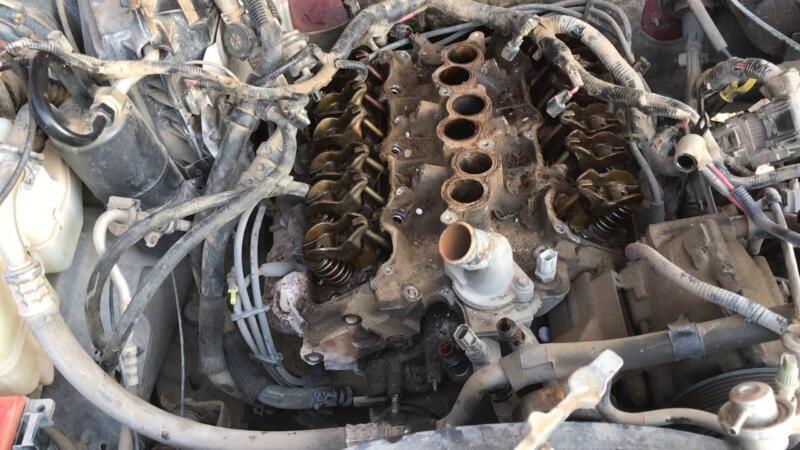
The Ford Ranger, renowned for its rugged durability and off-road prowess, can still fall victim to a common mechanical adversary: engine overheating. This issue compromises performance and risks severe internal damage if unaddressed. Several factors trigger excessive heat buildup, ranging from coolant leaks and radiator blockages to faulty thermostats or failing water pumps.
Identifying the root cause promptly is crucial for any Ranger owner. This article delves into the primary causes behind the Ford Ranger’s engine overheating, equipping you with the knowledge to diagnose and resolve the problem before it escalates into a costly repair.
Common Causes of Ford Ranger Engine Overheating
Engine overheating in a Ford Ranger can stem from several mechanical failures or maintenance issues, often resulting in reduced performance or severe damage if ignored. The primary causes typically involve the cooling system's inability to regulate temperature efficiently, leading to excessive heat buildup in the engine block.
Below are three informational subtitles detailing specific culprits, followed by a table summarizing key symptoms and solutions.
Coolant Leaks or Low Coolant Levels
A coolant leak is one of the most frequent reasons for a Ford Ranger engine overheating, as it directly reduces the fluid needed to absorb and dissipate heat. Common leak points include the radiator, heater core, water pump, or hoses. When coolant levels drop, the engine's temperature rises rapidly, triggering the dashboard warning light.
Regular inspection for puddles under the vehicle or sweet-smelling steam can help detect leaks early, preventing costly repairs.
Faulty Thermostat or Water Pump
A stuck thermostat or a failing water pump often disrupts coolant circulation, causing localized overheating in the engine. The thermostat may remain closed, blocking coolant flow to the radiator, while a worn water pump impeller cannot push fluid effectively.
This content may interest you! Ford Ranger Automatic Transmission Problems
This leads to hot spots in the cylinder head or block. Symptoms include fluctuating temperature gauges and steam from the hood, requiring immediate replacement of the faulty component.
Clogged Radiator or Cooling Fan Failure
A clogged radiator from debris, rust, or mineral deposits restricts airflow and reduces heat exchange capacity, while a malfunctioning cooling fan fails to pull air across the radiator at low speeds. Both issues cause the engine to overheat during idling or stop-and-go traffic.
In Ford Rangers, a damaged fan clutch or electrical fan motor can be tested by manually spinning the fan; resistance indicates proper function.
| Symptom | Primary Cause | Recommended Action |
|---|---|---|
| Steam from hood | Coolant leak or low fluid | Inspect hoses and radiator; top off coolant |
| Temperature gauge spikes | Faulty thermostat or water pump | Replace thermostat or water pump assembly |
| Overheating at idle | Clogged radiator or fan failure | Flush radiator or replace cooling fan |
Common Cooling System Failures and Their Impact on Ford Ranger Engines
The Ford Ranger's engine overheating can often be traced to specific cooling system components failing under stress. A faulty thermostat that sticks closed prevents coolant from circulating, trapping heat in the engine block.
Additionally, a clogged radiator from debris or internal corrosion reduces heat exchange, while a leaking water pump fails to maintain proper coolant flow. These issues lead to rapid temperature spikes, especially during towing or off-road driving. Regular inspection of hoses for cracks and ensuring the coolant level is within range can prevent sudden failures.
Low Coolant Levels and Air Pockets
Insufficient coolant due to leaks or neglect causes the engine to overheat quickly. Air pockets in the cooling system form when coolant is low, blocking circulation and creating hot spots in the cylinder head.
This often results from a cracked expansion tank or loose radiator cap, allowing air to enter. Regularly checking the reservoir and bleeding air after refills is critical for older Ford Ranger models.
This content may interest you! DIY Maintenance Tips Every Driver Should Know
Malfunctioning Radiator Fan
A non-operational electric or clutch fan reduces airflow through the radiator at low speeds, causing heat buildup. Common failures include a blown fan motor fuse, faulty relay, or a broken temperature switch.
In the 2019+ Rangers, the variable-speed fan may fail due to software glitches, leading to gradual overheating in stop-and-go traffic.
Failed Head Gasket
A blown head gasket allows combustion gases to enter the cooling system, pressurizing it and pushing coolant out. Symptoms include white exhaust smoke, sweet odor, and rapid coolant loss. This is often caused by pre-existing overheating, warping the cylinder head, and requires immediate repair to avoid engine seizure.
Blocked or Collapsed Radiator Hoses
Soft or brittle hoses collapse internally under high suction, restricting coolant flow. The lower radiator hose is most prone to collapse due to a weak spring coil. Visual cracks or bulges indicate imminent failure, and replacing hoses every five years prevents sudden blockages on long drives.
Faulty Water Pump Impeller
The water pump's impeller can erode over time, particularly in V6 Ford Ranger engines using plastic impeller blades. Reduced pumping efficiency causes slow coolant circulation, leading to gradual overheating. Inspecting for play in the pump shaft or weeping holes is essential, as metal impeller replacements offer longer durability.
Frequently Asked Questions
What are the most common causes of Ford Ranger engine overheating?
The most frequent causes include a faulty thermostat that fails to open, a leaking or damaged radiator, low coolant levels due to a system leak, a malfunctioning water pump, or a blocked coolant passage. A broken cooling fan or a failed fan clutch can also reduce airflow. Additionally, a blown head gasket allowing combustion gases into the cooling system is a serious but common issue. Regular inspection of these components helps prevent overheating.
How does a low coolant level lead to Ford Ranger engine overheating?
Coolant absorbs engine heat and transfers it to the radiator. When the coolant level is low, there is insufficient fluid to carry heat away effectively. This causes localized hot spots, reduces the cooling system's capacity, and can lead to rapid temperature spikes. Leaks from hoses, the radiator, or the water pump are typical causes. Checking the coolant reservoir when the engine is cold is essential for early detection.
This content may interest you! Common Ford Ranger Electrical Problems
Can a faulty radiator cap cause overheating in a Ford Ranger?
Yes, a defective radiator cap can cause overheating. The cap maintains the cooling system's pressure, which raises the coolant’s boiling point. If it fails to hold pressure, coolant can boil prematurely, leading to steam pockets and poor heat transfer. A bad cap may also allow coolant to escape into the overflow reservoir without returning, causing low levels. Replacing an old or damaged cap is a simple fix.
Why might a Ford Ranger overheat while idling but not while driving?
This often indicates an issue with the cooling fan or fan clutch. At higher speeds, air flows through the radiator naturally, maintaining cooling. When idling, the vehicle relies on the fan to pull air through. A malfunctioning electric fan, failed fan clutch, or blown fuse can prevent adequate airflow, causing temperatures to rise. Checking fan operation and fuses is recommended, along with inspecting the fan belt condition.
Leave a Reply