
Ford Ranger V6 Engine Problems: Symptoms, Causes, and Solutions
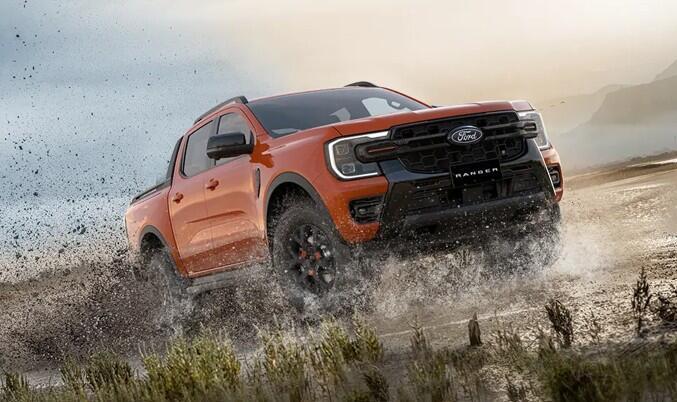
The Ford Ranger V6 promises exactly what many pickup owners want: strong torque, relaxed highway performance, confident towing, and enough muscle to make the smaller engine options feel slightly breathless by comparison. Press the accelerator and the truck moves with the calm authority of a workhorse that knows its job.
However, no engine is carved from granite.
Searches for Ford Ranger V6 engine problems often mix several completely different powertrains into one confusing conversation. An owner of an older 4.0-liter petrol Ranger may be worried about timing-chain noise, while someone driving a newer 3.0-liter turbo-diesel may be dealing with diesel particulate filter warnings. Meanwhile, a Ranger Raptor owner could be investigating an EcoBoost misfire or turbocharger noise.
Those are not the same engines, and they do not share the same weaknesses.
In this guide, we will separate fact from forum fog. We will examine the most commonly discussed symptoms, explain what they may mean, identify warning signs that should not be ignored, and look at how owners can reduce the risk of expensive repairs.
- Which Ford Ranger V6 Engine Do You Have?
- Are Ford Ranger V6 Engines Reliable?
- Most Common Ford Ranger V6 Engine Problems
- 1. Timing-Chain Rattle on the 4.0-Liter V6
- 2. Oil Leaks and Falling Oil Levels
- 3. Rough Idle and Engine Misfires
- 4. Turbocharger and Boost-Control Problems
- 5. Diesel Particulate Filter Blockage
- 6. EGR Valve and Intake Contamination
- 7. AdBlue and SCR System Warnings
- 8. Cooling-System Leaks and Overheating
- 9. Diesel Injector and Fuel-System Problems
- 10. High-Pressure Fuel-Pump Failure
- 11. Sensor and Electrical Faults
- 12. Excessive Fuel Consumption
- Ford Ranger V6 Limp Mode
- Ford Ranger V6 Engine Noise: What Is Normal?
- Problems That Feel Like Engine Failure but May Not Be
- Ford Ranger V6 Problems by Engine Type
- Warning Signs That Require Immediate Attention
- How Mechanics Should Diagnose a Ranger V6 Problem
- How to Prevent Ford Ranger V6 Engine Problems
- Should You Buy a Used Ford Ranger V6?
- Is the Ford Ranger V6 Expensive to Repair?
- Final Thoughts on Ford Ranger V6 Engine Problems
- Frequently Asked Questions
Which Ford Ranger V6 Engine Do You Have?
Before diagnosing anything, we need to identify the engine under the bonnet. The Ranger has used or currently uses several V6 configurations, depending on the country, generation, model, and production year.
The main engines covered in this article are:
- The older 4.0-liter naturally aspirated petrol V6
- The newer 3.0-liter Power Stroke turbo-diesel V6
- The 3.0-liter twin-turbo EcoBoost petrol V6 in the Ranger Raptor
- The 2.7-liter twin-turbo EcoBoost petrol V6 offered in certain markets
- Older 3.0-liter petrol V6 engines fitted to previous-generation North American Rangers
The modern Australian-market Ranger lineup, for example, offers a 3.0-liter V6 turbo-diesel producing 184 kW and 600 Nm in several versions. The Ranger Raptor uses a very different 3.0-liter twin-turbo petrol V6 with performance-focused hardware and an anti-lag function.
That distinction matters. Saying that “the Ranger V6 has turbo problems” is like saying every house has the same leaking pipe. We first need to know which house—and which pipe—we are discussing.
Are Ford Ranger V6 Engines Reliable?
Overall, the answer is reasonably encouraging: a properly serviced Ford Ranger V6 can deliver many years of dependable use. Yet reliability depends heavily on the engine version, maintenance history, operating conditions, modifications, and driving style.
The naturally aspirated petrol V6 engines are mechanically simpler than the modern turbocharged alternatives. They lack diesel after-treatment equipment, high-pressure common-rail diesel systems, and twin turbochargers. Simplicity can be an advantage, although age-related wear is now a significant factor.
The modern 3.0-liter diesel offers excellent low-speed torque and towing ability. Ford currently pairs it with a 10-speed automatic transmission and full-time four-wheel drive in various Ranger models. Its 600 Nm output makes it a serious hauling engine rather than merely a larger badge on the tailgate.
The EcoBoost V6 engines deliver considerably stronger acceleration, but they also use more complex air, fuel, cooling, ignition, and turbocharger systems. More components do not automatically mean poor reliability. They simply create more possible failure points if maintenance is ignored.
What Usually Determines Long-Term Reliability?
The largest influences include:
- Correct oil specification and sensible oil-change intervals
- Regular cooling-system inspections
- Proper diesel particulate filter regeneration
- High-quality fuel from reputable stations
- Early investigation of warning lights
- Avoidance of aggressive tuning without supporting modifications
- Allowing the engine to reach operating temperature regularly
- Matching towing loads to the truck’s limits
A Ranger used for long highway journeys may age very differently from an identical truck that spends its life making five-minute urban trips. The odometer tells us distance, but it does not tell the complete story.
Most Common Ford Ranger V6 Engine Problems
The phrase “common problem” requires care. An issue discussed frequently online is not necessarily experienced by most owners. Forums naturally magnify faults because drivers rarely start a thread to announce that their truck ran normally again today.
Still, certain symptoms appear repeatedly across V6 Ranger conversations:
- Timing-chain rattles on older 4.0-liter engines
- Oil leaks from ageing seals and gaskets
- Ignition-coil and spark-plug failures
- Rough idle or intermittent misfires
- Turbocharger or boost-control faults
- Diesel particulate filter blockage
- Exhaust gas recirculation contamination
- AdBlue or selective catalytic reduction warnings
- Cooling-system leaks or overheating
- Injector or high-pressure fuel-system trouble
- Excessive fuel consumption
- Electronic sensor failures
- Reduced-power or limp-mode operation
Let us look at each area more closely.
1. Timing-Chain Rattle on the 4.0-Liter V6
One of the best-known concerns associated with older Ford 4.0-liter SOHC V6 engines is timing-chain-system noise. Depending on engine design and application, the timing system uses multiple chains, guides, tensioners, and cassettes.
When guides or tensioners wear, the engine may produce a metallic rattle. It can sound like loose coins shaken inside a steel container.
Typical Timing-Chain Symptoms
Watch for:
- Rattling immediately after a cold start
- Metallic noise near the front or rear of the engine
- Noise that changes with engine speed
- Rough running
- Camshaft or crankshaft correlation fault codes
- Reduced performance
- Metal debris in the engine oil
- In severe cases, an engine that will not start
A brief start-up sound does not automatically confirm catastrophic timing failure. Oil-pressure delay, an accessory bearing, a heat shield, or another component may imitate chain noise.
This content may interest you! Ford Ranger Jerking While Accelerating: Causes, Diagnosis, and Fixes
Nevertheless, repeated rattling deserves prompt inspection. A stretched chain or broken guide can allow valve timing to move outside its intended position. Once that happens, a relatively contained repair can grow teeth.
Why Timing Repairs Can Be Expensive
Accessibility is the villain. Some timing components may be difficult to reach, and labor can outweigh the price of the chains themselves. Depending on the engine and repair method, substantial disassembly—or even engine removal—may be required.
This is why buying the cheapest used 4.0-liter Ranger can become false economy. A quiet, documented engine may be worth considerably more than a suspicious bargain rattling like cutlery in a drawer.
2. Oil Leaks and Falling Oil Levels
Oil leaks become increasingly likely as older Ranger V6 engines accumulate mileage and heat cycles. Rubber seals harden, gasket surfaces age, and crankcase ventilation problems can increase internal pressure.
Possible leak areas include:
- Valve-cover gaskets
- Oil-pan sealing surfaces
- Front or rear crankshaft seals
- Timing-cover areas
- Oil-filter housings or adapters
- Turbocharger oil lines on boosted engines
- Vacuum-pump or ancillary sealing points
- Drain-plug and oil-filter seals
A small stain on the driveway may seem harmless, but oil loss should never be treated as decoration.
Low oil can reduce lubrication to bearings, timing components, camshafts, and turbochargers. On a turbocharged engine, contaminated or insufficient oil can damage the turbo’s high-speed bearing system long before the driver notices dramatic symptoms.
Look for:
- Burning-oil odor
- Blue or grey exhaust smoke
- Oil spots under the vehicle
- Oil collecting around the engine
- Frequent need to top up
- Low-oil-pressure warning
- Turbocharger whine
- Rattle during start-up
Check the level according to the owner’s manual, on level ground and under the recommended conditions. Do not rely solely on a dashboard warning. By the time a pressure warning appears, the engine may already be asking for help rather loudly.
3. Rough Idle and Engine Misfires
A misfire occurs when one or more cylinders fail to produce the expected combustion event. The result can range from a slight tremor at idle to violent hesitation under load.
Common causes include:
- Worn spark plugs
- Failed ignition coils
- Damaged coil boots
- Fuel-injector problems
- Intake or vacuum leaks
- Contaminated sensors
- Low fuel pressure
- Compression loss
- Incorrect valve timing
- Wiring or connector faults
Petrol EcoBoost engines place significant demands on spark plugs and ignition components, especially when tuned or regularly driven under heavy boost. A plug that behaves perfectly during gentle cruising may misfire when cylinder pressure rises during hard acceleration.
What a Misfire Feels Like
Drivers may notice:
- Shaking at idle
- Hesitation when accelerating
- Reduced power
- Poor fuel economy
- Difficult starting
- A flashing or solid check-engine light
- Uneven exhaust sound
- A smell of unburned fuel
A flashing check-engine light is particularly important. It can indicate an active misfire severe enough to damage the catalytic converter. Continuing to drive hard is like feeding sparks into a paper bin and hoping for patience.
4. Turbocharger and Boost-Control Problems
Both the EcoBoost petrol V6 and the Power Stroke diesel V6 depend on turbocharging. The turbochargers force more air into the cylinders, allowing the engine to produce strong torque without enormous displacement.
Turbo systems include more than the turbochargers themselves. They may also involve:
- Electronic or pneumatic wastegate controls
- Boost-pressure sensors
- Intercoolers
- Charge-air hoses
- Oil supply and return lines
- Coolant lines
- Bypass or recirculation valves
- Intake ducts
- Engine-management software
A boost problem therefore does not automatically mean the turbocharger requires replacement.
Potential warning signs include:
- Whistling, siren-like, or grinding noise
- Loss of power
- Slow acceleration
- Black smoke from a diesel
- Blue smoke from oil entering the intake or exhaust
- Underboost or overboost fault codes
- Limp mode
- Oil around charge pipes
- Excessive turbo lag
- Rattling from a wastegate mechanism
A loose charge-air hose can make a healthy turbo feel dead. Likewise, a faulty sensor can persuade the engine computer to reduce power even when the mechanical hardware is intact.
Is Some Turbo Noise Normal?
A soft whistle under acceleration may be normal. A new metallic scrape, ambulance-like siren, or loud rattle is not something we should dismiss simply because the engine still runs.
Noise diagnosis requires context. When does it occur? Cold or hot? Under boost or at idle? Did it begin after service work? Are there codes? These clues help prevent expensive parts-cannon repairs.
5. Diesel Particulate Filter Blockage
The 3.0-liter V6 turbo-diesel uses emissions-control equipment designed to reduce pollutants. Ford explains that its modern 2.0-liter and 3.0-liter Ranger diesels use systems including exhaust gas recirculation, while diesel models may also use AdBlue-related after-treatment technology depending on specification.
This content may interest you! Mitsubishi Triton Engine Problems: Causes, Symptoms, and Solutions
The diesel particulate filter, commonly called the DPF, captures soot. The engine periodically raises exhaust temperature to burn much of that soot away in a process called regeneration.
Problems arise when regeneration repeatedly cannot finish.
Why Short Trips Can Cause Trouble
A diesel used almost entirely for brief, low-speed journeys may not reach the temperature or operating conditions needed for effective regeneration. The filter gradually fills, backpressure rises, and the engine-management system may request intervention.
Possible symptoms include:
- DPF warning light
- Reduced power
- Higher fuel consumption
- Cooling fan running frequently
- Elevated idle speed
- Strong hot smell
- Frequent regeneration attempts
- Limp mode
- Rising engine-oil level in some cases
Do not assume that driving aggressively will always clean a blocked DPF. If the soot load is excessive, the vehicle may need a workshop-controlled regeneration, cleaning, diagnosis of the underlying cause, or filter replacement.
A blocked filter is sometimes the victim rather than the criminal. Faulty injectors, intake leaks, EGR trouble, temperature-sensor faults, or interrupted regenerations may have created the blockage.
6. EGR Valve and Intake Contamination
Exhaust gas recirculation reduces certain emissions by routing a controlled amount of exhaust gas back into the intake process. Over time, soot and oily vapor can combine into sticky deposits.
Think of it as engine cholesterol.
Contamination may affect the EGR valve, intake passages, sensors, and related components. Potential symptoms include:
- Rough idle
- Hesitation
- Black smoke
- Poor throttle response
- Reduced fuel economy
- Check-engine light
- Reduced-power mode
- Difficult starting
Cleaning may help when deposits are the problem, but replacement may be necessary if an actuator or position sensor has failed. Before approving work, ask whether the diagnosis was supported by fault codes, live data, physical inspection, or functional testing.
7. AdBlue and SCR System Warnings
Certain diesel Rangers use AdBlue, also called diesel exhaust fluid, as part of a selective catalytic reduction system. The fluid helps reduce nitrogen-oxide emissions.
An AdBlue warning does not always mean the tank is simply low.
Possible causes include:
- Low fluid level
- Contaminated or incorrect fluid
- Crystallized deposits
- Pump failure
- Injector malfunction
- Heater fault
- Level-sensor failure
- Nitrogen-oxide sensor problem
- Wiring or software issue
Some systems may eventually restrict restarting if a serious emissions warning is ignored. Therefore, drivers should read the exact dashboard message rather than treating every AdBlue alert as identical.
Avoid Questionable AdBlue Shortcuts
Removing or electronically disabling emissions equipment may violate local laws, affect insurance, void warranty protection, create inspection problems, and make future diagnosis more difficult.
Repairing the cause is less glamorous than deleting the warning, but it is usually the wiser road.
8. Cooling-System Leaks and Overheating
Heat is an engine’s silent debt collector. It may give us several warnings—or almost none.
Possible cooling-system trouble spots include:
- Coolant hoses
- Radiator
- Expansion tank
- Water pump
- Thermostat
- Cooling fans
- Hose connectors
- Turbocharger coolant lines
- Cylinder-head gasket
- Temperature sensors
Warning Signs of Cooling Trouble
Be alert for:
- Coolant smell
- Visible coolant loss
- Temperature-gauge movement
- Cabin heater suddenly blowing cold
- Steam
- Cooling fan running excessively
- Warning messages
- White exhaust smoke
- Bubbling in the coolant reservoir
- Repeated need to top up coolant
Never open a hot pressurized cooling system. Hot coolant can erupt without warning and cause severe burns.
If the engine overheats, continuing to drive may warp components, damage head gaskets, degrade oil, and harm turbochargers. A tow bill is inconvenient; an engine replacement is a financial thunderstorm.
9. Diesel Injector and Fuel-System Problems
Modern common-rail diesel systems operate at extremely high pressure. They provide excellent performance and precise fuel control, but they demand clean fuel and careful diagnosis.
This content may interest you!Mitsubishi Triton Not Starting: Causes, Checks, and FixesPossible fuel-system symptoms include:
- Extended cranking
- Hard starting
- Diesel knock
- Uneven idle
- White, grey, or black smoke
- Loss of power
- Increased fuel use
- Fuel-pressure fault codes
- Contaminated engine oil
- Limp mode
Injector correction values and leak-off testing can provide useful evidence, although results must be interpreted by someone familiar with the engine.
Replacing every injector because one fault code appeared is not diagnosis. It is expensive optimism.
Water or Contaminated Fuel
Diesel fuel contamination can damage pumps and injectors. Owners should use reputable fuel stations, follow water-separator servicing requirements where applicable, and investigate warning messages quickly.
Adding random treatments to a contaminated system is unlikely to turn bad fuel into good judgment.
10. High-Pressure Fuel-Pump Failure
High-pressure pump failure is one of the more serious possibilities in a modern direct-injection engine. It can cause difficult starting, stalling, poor performance, low fuel-pressure codes, or a complete no-start condition.
In severe cases, internal pump wear may release metal particles into the fuel system. That can turn a pump repair into a much larger job involving lines, rails, injectors, and tank cleaning.
However, we should not jump from “hard starting” directly to “failed high-pressure pump.” A weak battery, air leak, sensor fault, low-pressure supply problem, immobilizer issue, or injector leak can produce overlapping symptoms.
Proper pressure testing matters.
11. Sensor and Electrical Faults
Modern engines are mechanical systems governed by electronic information. When that information becomes inaccurate, a physically healthy engine can behave as though it is sick.
Potential culprits include:
- Crankshaft-position sensor
- Camshaft-position sensor
- Manifold-pressure sensor
- Mass-airflow sensor
- Exhaust-temperature sensors
- Oxygen or nitrogen-oxide sensors
- Coolant-temperature sensor
- Fuel-pressure sensor
- Throttle or accelerator-position sensors
- Damaged wiring
- Poor grounds
- Weak battery voltage
A low battery can generate a carnival of unrelated warnings. Before chasing multiple modules, technicians should verify battery condition, charging voltage, grounds, connectors, and stored codes.
Why Reading Codes Is Only the First Step
A diagnostic code identifies the system that detected an abnormal condition. It does not always identify the failed component.
For example, an underboost code may result from a split hose, sticking actuator, sensor error, exhaust restriction, intake leak, or turbo problem. Replacing the turbo based on the code alone is like replacing a television because the remote needs batteries.
12. Excessive Fuel Consumption
A V6 Ranger will not sip fuel like a small hatchback, particularly when towing, driving in sand, carrying accessories, or using aggressive all-terrain tires.
Still, a noticeable change deserves investigation.
Common causes include:
- Low tire pressure
- Roof racks and external accessories
- Heavy loads
- Frequent DPF regeneration
- Injector trouble
- Dirty air filter
- Misfires
- Sensor faults
- Binding brakes
- Poor wheel alignment
- Excessive idling
- Incorrect oil
- Aggressive tuning or driving
Calculate consumption over several full tanks rather than trusting one dashboard reading. Weather, traffic, regeneration, towing, and filling technique can distort short-term results.
Ford Ranger V6 Limp Mode
Limp mode is a protective strategy. When the powertrain control module detects a condition that could threaten the engine, transmission, emissions system, or drivability, it may limit torque or engine speed.
Common triggers include:
- Overboost or underboost
- Excessive exhaust temperature
- DPF restriction
- Low fuel pressure
- Sensor disagreement
- Cooling-system trouble
- Misfire
- Throttle-control fault
- Transmission issue
Turning the engine off and restarting may temporarily restore performance, but it does not erase the cause. The stored codes and freeze-frame data can be extremely useful, so avoid disconnecting the battery before diagnosis unless instructed.
Ford Ranger V6 Engine Noise: What Is Normal?
Not every sound predicts doom.
This content may interest you!What Ford Ranger Engine Is Best in New Zealand?Diesel combustion is naturally louder than petrol combustion, particularly when cold. Direct-injection petrol engines may also produce ticking from injectors and high-pressure fuel equipment. Turbochargers may whistle softly, cooling fans may run after demanding use, and emissions systems can alter idle behavior.
We should investigate noises that are:
- New
- Rapidly becoming louder
- Metallic or grinding
- Accompanied by low oil pressure
- Linked to power loss
- Present with smoke
- Combined with a warning light
- Strongest immediately after service work
Record the sound when safe to do so. Note engine temperature, speed, gear, load, and whether the air conditioning is operating. A clear recording plus context can save diagnostic time.
Problems That Feel Like Engine Failure but May Not Be
The Ranger’s engine and transmission operate as a coordinated pair. A harsh shift, delayed response, torque-converter behavior, or driveline vibration can feel like an engine problem.
The 10-speed automatic used with modern Ranger V6 engines is a sophisticated unit. Software adaptation, fluid condition, valve-body operation, internal clutch components, and driveline hardware may all influence how the truck accelerates.
Other non-engine possibilities include:
- Transmission hesitation
- Transfer-case faults
- Driveshaft vibration
- Worn engine or transmission mounts
- Differential noise
- Brake drag
- Weak battery
- Fuel-quality problems
- Traction-control intervention
This distinction prevents unnecessary engine repairs. If engine speed rises but road speed does not follow, the transmission deserves attention. If the engine stumbles without a gear change, combustion or fuel delivery becomes more likely.
Ford Ranger V6 Problems by Engine Type
Older 4.0-Liter Petrol V6
The main concerns are usually age and mileage related:
- Timing-chain guide or tensioner wear
- Intake and vacuum leaks
- Ignition-coil or spark-plug trouble
- Oil leaks
- Cooling-system deterioration
- Sensor failures
- Carbon buildup
- Worn mounts
A well-maintained example can remain dependable, but a neglected one may require repairs worth more than the truck.
3.0-Liter V6 Turbo-Diesel
Potential concerns center on modern diesel complexity:
- DPF regeneration difficulties
- EGR contamination
- AdBlue or SCR warnings
- Injector and fuel-system problems
- Boost leaks
- Turbo-control faults
- Cooling-system issues
- Sensor failures
Ford currently offers this engine broadly across Ranger variants and markets it as a high-torque option for towing and demanding use. Its output and full-time four-wheel-drive integration also mean that correct servicing is especially important.
3.0-Liter Twin-Turbo EcoBoost V6
The Ranger Raptor’s petrol V6 is built for performance, but high output brings high thermal and mechanical demands.
Areas to monitor include:
- Spark plugs and ignition coils
- Boost leaks
- Wastegate or turbo noise
- Oil condition
- Cooling performance
- Fuel quality
- Sensor faults
- Misfires under load
Ford describes the Raptor’s anti-lag system as holding the throttle open briefly after the driver lifts in certain modes, helping the turbochargers remain responsive. That behavior is performance technology, not automatically evidence of a fault.
2.7-Liter EcoBoost V6
The 2.7-liter V6 shares the typical diagnostic themes of a modern turbocharged direct-injection petrol engine:
- Coil or plug misfires
- Boost-control issues
- Oil or coolant leaks
- Fuel-pressure faults
- Sensor problems
- Carbon-related drivability concerns
- Turbocharger noise
Service information must match the Ranger’s precise model year and market. Advice written for an F-150 or Bronco using a related engine may not apply directly because calibrations, packaging, cooling systems, and component revisions can differ.
Warning Signs That Require Immediate Attention
Stop driving or arrange professional help when you notice:
- Low-oil-pressure warning
- Severe overheating
- Loud knocking or grinding
- Rapid coolant loss
- Thick blue or white smoke
- Runaway engine speed
- Flashing check-engine light with strong shaking
- Fuel leaking from the vehicle
- Sudden major power loss in traffic
- Engine seizure symptoms
- Metal particles in the oil
- Repeated stalling in unsafe situations
A warning light is the engine’s way of knocking on the door. Smoke, grinding, and falling oil pressure mean it has started kicking the door down.
How Mechanics Should Diagnose a Ranger V6 Problem
A methodical diagnosis normally includes:
- Confirming the exact complaint
- Checking the VIN, engine code, model year, and service history
- Scanning all relevant modules
- Recording codes and freeze-frame information
- Inspecting oil, coolant, fuel, hoses, wiring, and connectors
- Checking technical service information
- Reviewing live sensor data
- Testing the suspected system
- Repairing the verified cause
- Clearing codes and completing a confirmation drive
Owners should be cautious when a workshop immediately recommends a turbo, injector set, DPF, or complete engine without presenting test results.
Expensive parts should require expensive-quality evidence.
How to Prevent Ford Ranger V6 Engine Problems
Prevention is not exciting. It is also usually cheaper than repair.
This content may interest you! Kia Cerato Engine Problems: Common Issues, Symptoms, Causes, and Fixes
Follow the Correct Maintenance Schedule
Use the schedule for your exact model, engine, country, and operating conditions. Severe-use servicing may apply when the truck frequently tows, idles, drives off-road, works in dust, or makes repeated short journeys.
Use the Correct Oil
Oil grade alone is not enough. The oil must also meet the required Ford specification. Modern turbochargers, emissions systems, and timing components can be sensitive to incorrect lubricant chemistry.
Check Fluids Between Services
A service stamp does not prevent a hose from leaking the following week. Check oil and coolant regularly, especially before towing or remote travel.
Let the Diesel Complete Regeneration
When safe and practical, avoid repeatedly shutting down a diesel during regeneration. Learn the usual signs, which may include increased idle speed, fan operation, different exhaust smell, and temporarily higher consumption.
Do Not Ignore Small Changes
A faint whistle, occasional hesitation, or slow coolant loss is easier to diagnose before it becomes a roadside event.
Be Careful With Modifications
More boost and torque may place extra load on:
- Turbochargers
- Pistons
- Fuel system
- Cooling system
- Transmission
- Transfer case
- Differentials
- Emissions equipment
A tune can transform the truck, but transformation is not the same as free power. Every gain sends an invoice somewhere.
Should You Buy a Used Ford Ranger V6?
Yes—provided the individual truck passes a thorough inspection.
A used V6 Ranger can be an excellent tow vehicle, touring pickup, family truck, or performance machine. We should judge the vehicle in front of us rather than buying or rejecting it based on internet mythology.
Used Ranger V6 Inspection Checklist
Before buying, check:
- Cold-start behavior
- Timing-chain or metallic rattles
- Exhaust smoke
- Oil and coolant condition
- Signs of coolant contamination
- Service records
- Evidence of tuning
- DPF and AdBlue warnings
- Diagnostic trouble codes
- Turbo and charge-air hoses
- Transmission operation
- Four-wheel-drive system
- Engine mounts
- Underbody damage
- Towing history
- Recall status
In the United States, owners can search for open recalls using the vehicle’s VIN or license plate through NHTSA’s recall tools. Recall availability and procedures differ by country, so buyers elsewhere should check with Ford or the relevant national authority.
Always Request a Cold Start
A seller may warm the engine before our arrival to hide smoke, rattling, hard starting, or rough idle. Ask that the vehicle remain cold.
Touching the bonnet is not a scientific temperature test, but it may reveal that the “cold” engine has recently been run.
Is the Ford Ranger V6 Expensive to Repair?
It can be.
Routine servicing may be reasonable, but complex failures can become costly because of crowded packaging, turbocharger systems, high-pressure fuel equipment, emissions components, specialized diagnostics, and labor-intensive access.
Potentially expensive jobs include:
- Timing-chain replacement
- Turbocharger replacement
- Complete injector replacement
- High-pressure fuel-system contamination repair
- DPF replacement
- Cylinder-head or head-gasket work
- Internal engine repair
- Major cooling-system damage
- Engine replacement
Repair costs vary enormously by country, labor rate, parts availability, warranty status, and engine version. A generic internet price is little more than a dart thrown at a map.
Obtain a written diagnosis and itemized estimate.
Final Thoughts on Ford Ranger V6 Engine Problems
The Ford Ranger V6 is not automatically unreliable, nor is it immune to trouble. Its strongest qualities—torque, performance, towing ability, and advanced technology—come with maintenance responsibilities.
Older 4.0-liter petrol engines deserve close attention to timing noise, oil leaks, ignition components, and cooling-system condition. The modern 3.0-liter diesel requires owners to understand DPF regeneration, EGR operation, AdBlue warnings, fuel quality, and turbocharged-diesel maintenance. EcoBoost V6 engines need healthy ignition systems, correct oil, reliable cooling, good fuel, and careful diagnosis of boost-related symptoms.
The smartest approach is simple: identify the exact engine, investigate symptoms early, demand evidence before approving expensive repairs, and maintain the truck for the work it actually performs.
Treat the V6 properly and it can pull like a train without consuming your repair budget like one.
This content may interest you!Ford Ranger Bi-Turbo Problems: Common Faults, Symptoms, and SolutionsFrequently Asked Questions
1. What is the most common Ford Ranger V6 engine problem?
There is no single issue shared by every Ranger V6. Older 4.0-liter petrol engines are often associated with timing-chain-system noise, while modern diesel V6 models are more likely to experience emissions-system, sensor, fuel-system, or boost-related faults. EcoBoost engines may develop ignition misfires, boost leaks, or turbo-control problems.
2. Is the Ford Ranger 3.0 V6 diesel reliable?
It can be reliable when serviced correctly and used in conditions suitable for a modern diesel. Regular longer journeys help the DPF complete regeneration, while correct oil, clean fuel, cooling-system care, and early diagnosis of warning lights support long-term durability. Short-trip use and neglected emissions warnings can increase the risk of problems.
3. Why is my Ford Ranger V6 losing power?
Possible causes include a boost leak, DPF restriction, EGR fault, weak fuel pressure, misfire, faulty sensor, turbo-control issue, overheating protection, or transmission problem. A diagnostic scan combined with physical testing is necessary because several faults can produce nearly identical symptoms.
4. Can I drive my Ranger with the check-engine light on?
A steady light may allow cautious travel to a workshop if the truck runs normally and no other warnings appear. A flashing light, severe shaking, overheating, smoke, loud mechanical noise, or low-oil-pressure warning requires immediate attention. Continuing to drive could cause major damage.
5. How long can a Ford Ranger V6 engine last?
No fixed mileage applies to every engine. Maintenance quality, heat cycles, towing, modifications, fuel quality, driving patterns, and previous repairs matter more than a single odometer figure. A documented high-mileage Ranger may be safer than a lower-mileage truck with neglected fluids, repeated short trips, or hidden tuning.
Leave a Reply