
Ford Ranger Bi-Turbo Problems: Common Faults, Symptoms, and Solutions
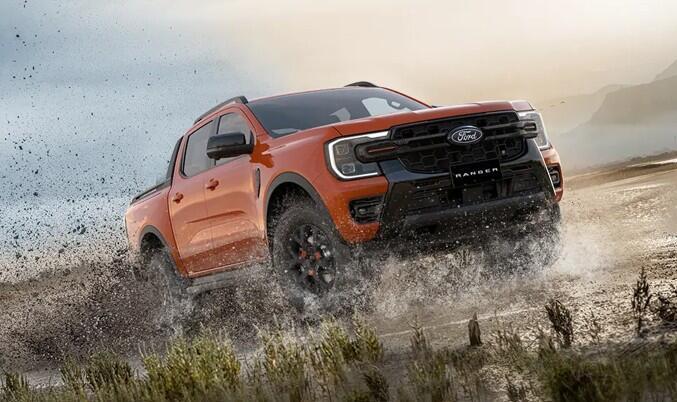
The Ford Ranger’s 2.0-litre Bi-Turbo diesel engine looks impressive on paper. It delivers strong torque, respectable fuel economy, smooth acceleration, and enough pulling power to make towing or overtaking feel surprisingly effortless. When everything works correctly, the engine behaves like a well-trained workhorse—strong, responsive, and ready to carry a heavy load without making a fuss.
However, searches for Ford Ranger Bi-Turbo problems have become increasingly common among current owners and used-truck buyers. Some drivers report diesel particulate filter warnings, turbocharger faults, oil leaks, unusual engine noises, transmission hesitation, cooling-system trouble, and concerns surrounding the engine’s belt-in-oil arrangement.
Does that mean every Bi-Turbo Ranger is unreliable? No.
Many examples cover high mileages without suffering catastrophic engine trouble. Nevertheless, this is a technically complex diesel powertrain, and complexity leaves less room for neglected servicing, incorrect oil, repeated short journeys, poor-quality repairs, or ignored warning messages.
In this guide, we will examine the most frequently discussed Ford Ranger Bi-Turbo faults, explain their likely symptoms, explore possible causes, and show what owners can do before a manageable issue turns into a wallet-emptying disaster.
- What Is the Ford Ranger Bi-Turbo Engine?
- Are Ford Ranger Bi-Turbo Problems Really Common?
- Most Common Ford Ranger Bi-Turbo Problems at a Glance
- Diesel Particulate Filter Problems
- Oil Dilution and Rising Oil Level
- Wet-Belt Concerns
- Bi-Turbocharger and Boost-Control Faults
- EGR Valve and Intake Contamination
- Fuel-Injector Problems
- Ten-Speed Automatic Transmission Problems
- Cooling-System and Overheating Problems
- Camshaft Sprocket Recall Concerns
- Sensor and Electronic Faults
- Loss of Power and Limp Mode
- Unusual Engine Noises
- How Driving Style Affects Reliability
- Ford Ranger Bi-Turbo Maintenance Tips
- Buying a Used Ford Ranger Bi-Turbo
- Should You Avoid a Modified Ranger?
- How Expensive Are Ford Ranger Bi-Turbo Repairs?
- Can Ford Ranger Bi-Turbo Problems Be Prevented?
- Is the Ford Ranger Bi-Turbo Reliable?
- Final Thoughts on Ford Ranger Bi-Turbo Problems
- Frequently Asked Questions
What Is the Ford Ranger Bi-Turbo Engine?
The Ford Ranger Bi-Turbo commonly refers to the 2.0-litre four-cylinder EcoBlue diesel fitted to selected Ranger, Wildtrak, Raptor, and related Everest models in various global markets.
Unlike a conventional single-turbo engine, the Bi-Turbo setup uses two turbochargers working in sequence. The smaller turbo responds quickly at low engine speeds, helping reduce lag. As revs and load increase, the larger turbo contributes more airflow and supports stronger performance.
Think of it like two runners in a relay race. The smaller turbo launches quickly from the starting line, while the larger unit takes over when the engine needs greater airflow and sustained power.
This arrangement produces excellent performance from a relatively small engine, but it also introduces additional components:
- Two turbochargers
- Turbo control valves and actuators
- Extra vacuum or electronic controls
- More intake and boost pipework
- A diesel particulate filter
- Exhaust gas recirculation equipment
- Advanced fuel injectors
- Multiple pressure and temperature sensors
- Sophisticated engine-management software
The system can be efficient and refined, but when one part stops communicating properly, the entire powertrain may feel confused.
Are Ford Ranger Bi-Turbo Problems Really Common?
The answer depends heavily on the vehicle’s model year, market, mileage, usage pattern, service history, and previous ownership.
We should distinguish between three different things:
- A design weakness that can affect a specific production group
- A maintenance-sensitive component found on many modern diesels
- An isolated fault that becomes highly visible online
Owner forums naturally collect complaints because satisfied drivers rarely create posts announcing that their truck started normally again today. At the same time, repeated reports should not simply be dismissed.
Ford has issued recalls affecting certain Ranger populations in different countries, including an Australian recall involving thousands of Ranger and Everest vehicles over a potential transmission-fluid-pump issue. Ford also provides official VIN-based recall tools because campaigns vary by country and production date. More recently, Ford South Africa published recall information concerning camshaft sprocket failure on a defined group of Ranger and Everest vehicles.
The safest approach is not to assume every Ranger has a defect. Instead, inspect the exact vehicle, check its VIN, study its service records, and investigate symptoms rather than relying on reputation alone.
Most Common Ford Ranger Bi-Turbo Problems at a Glance
The following concerns are among the most frequently discussed:
| Potential problem | Typical symptoms | Possible severity |
|---|---|---|
| DPF blockage | Warning message, high fuel use, reduced power | Moderate to serious |
| Turbo control fault | Poor acceleration, limp mode, whistle | Moderate to serious |
| Boost leak | Hissing, black smoke, weak performance | Moderate |
| Wet-belt deterioration | Oil-pressure problems, internal debris | Potentially severe |
| EGR contamination | Rough running, smoke, hesitation | Moderate |
| Injector trouble | Knocking, difficult starting, uneven idle | Moderate to severe |
| Ten-speed transmission issues | Harsh shifts, shuddering, hesitation | Moderate to severe |
| Oil dilution | Rising oil level, diesel smell in oil | Serious if ignored |
| Cooling-system fault | Coolant loss, overheating warning | Serious |
| Sensor or software fault | Warning lights, limp mode, erratic behaviour | Mild to serious |
This table is a starting point, not a diagnosis. Several faults can produce almost identical symptoms.
Diesel Particulate Filter Problems
Why the DPF Becomes Blocked
The diesel particulate filter, or DPF, traps soot before it leaves the exhaust. Once enough soot accumulates, the vehicle raises exhaust temperature and burns it away during a process called regeneration.
Trouble begins when regeneration cannot finish.
This often occurs when the Ranger regularly performs:
- Short urban journeys
- Long periods of idling
- Low-speed driving
- Repeated cold starts
- Stop-and-go traffic
- Trips that end during an active regeneration
The filter keeps filling, rather like a vacuum-cleaner bag that never gets emptied. Eventually, exhaust backpressure rises and the engine-management system may limit performance to protect components.
Signs of a DPF Issue
Common DPF-related symptoms include:
- A message instructing the driver to clean the exhaust filter
- Reduced engine power
- Limp-home mode
- Higher fuel consumption
- Cooling fans running after the engine is switched off
- A hot or burning smell
- Frequent regeneration cycles
- Increased idle speed
- Oil level rising unexpectedly
Ford’s Ranger owner information explains that a full-filter message can appear when driving conditions have not allowed normal cleaning. Depending on the exact model and market, the manual may instruct the driver to continue driving above a stated speed until the cleaning message disappears. Owners must follow the instructions for their specific vehicle rather than applying generic advice blindly.
How to Reduce DPF Trouble
We can lower the risk by allowing the engine to reach operating temperature and completing occasional sustained drives. However, a motorway journey is not a magical cure for every DPF fault.
A regeneration may fail because of:
- A defective exhaust-temperature sensor
- A faulty differential-pressure sensor
- Injector trouble
- EGR malfunction
- Air leaks
- Thermostat problems
- Excessive ash accumulation
- Engine-control software issues
If the warning repeatedly returns, professional diagnostics are better than driving aimlessly and hoping the dashboard light gets bored.
Oil Dilution and Rising Oil Level
DPF regeneration can also contribute to oil dilution.
To raise exhaust temperature, the engine may inject additional fuel. Under certain conditions, a portion of that diesel can pass the piston rings and mix with the engine oil. Repeated interrupted regenerations may make the problem worse.
Symptoms of Oil Dilution
Watch for:
- Oil level rising above the maximum mark
- Oil smelling strongly of diesel
- Thinner-than-expected oil
- Frequent regeneration
- Increased fuel consumption
- Oil-pressure warnings
- Rough engine operation
Diluted oil provides weaker lubrication. That matters greatly in an engine where turbochargers, bearings, timing components, and internal oil passages rely on stable oil pressure and the correct viscosity.
Never treat an overfilled dipstick as a harmless bonus. Engine oil does not multiply by itself.
Wet-Belt Concerns
What Is a Wet Belt?
A wet belt is a toothed belt designed to operate inside the engine while exposed to oil. It can reduce noise and friction compared with some traditional systems, but it depends heavily on correct oil chemistry, service intervals, and clean lubrication.
The subject creates anxiety because a deteriorating belt may release material into the oil. In a worst-case scenario, debris can restrict an oil pickup or oil passage, reducing lubrication to critical engine parts.
Potential Warning Signs
Possible signs of belt deterioration or lubrication trouble include:
- Low oil-pressure warning
- Unusual tapping or rattling
- Debris visible in drained oil
- Belt material in the oil strainer
- Turbocharger lubrication failure
- Engine warning lights
- Poor running
- Sudden internal engine damage
Unfortunately, a belt may not give a polite early warning. That is why maintenance history matters so much.
Some independent specialists cite a replacement point of approximately 160,000 kilometres or ten years for certain Ranger and Transit applications, while also recommending closer attention for vehicles exposed to towing, commercial workloads, stop-start use, or other severe conditions. The correct interval must always be verified against Ford documentation for the specific VIN, engine code, country, and service schedule.
How Owners Can Protect the Wet Belt
Use only oil that meets Ford’s exact required specification. Matching the viscosity alone is not enough. Two containers may both say 5W-30, yet their additive packages and approvals can differ significantly.
Owners should also:
- Change oil at the required interval
- Consider more frequent servicing under severe use
- Avoid unknown or unapproved oil
- Keep invoices showing the oil specification
- Investigate oil-pressure warnings immediately
- Ask for belt inspection when appropriate
- Avoid bargain servicing that skips filters or specifications
Saving a small amount on oil can be like buying a cheap umbrella during a hurricane.
Bi-Turbocharger and Boost-Control Faults
How the Sequential Turbo System Can Fail
The two turbochargers rely on valves, actuators, sensors, pipework, and control logic to manage airflow. A problem does not always mean the turbocharger itself has physically failed.
Possible causes include:
- Sticking turbo bypass valve
- Faulty actuator
- Split intercooler hose
- Loose boost-pipe connection
- Vacuum leak
- Contaminated sensor
- Restricted air filter
- Exhaust leak
- Lubrication failure
- Carbon accumulation
A diagnostic scan may reveal an underboost or overboost code, but the code describes the detected condition—not necessarily the failed component.
Symptoms of Turbo Trouble
Drivers may notice:
- Weak low-speed response
- Sudden loss of power
- Limp mode under acceleration
- Excessive whistling
- Siren-like turbo noise
- Hissing from the engine bay
- Black or blue exhaust smoke
- Increased oil consumption
- Engine warning light
- Surging power delivery
A split hose may cost far less than a replacement turbo, yet both can make the Ranger feel breathless. Proper pressure testing is therefore essential.
When to Stop Driving
Stop and seek assistance when turbo symptoms include blue smoke, rapidly falling oil level, severe mechanical noise, or uncontrolled engine revving. Continuing to drive could turn a repairable airflow fault into major engine damage.
EGR Valve and Intake Contamination
The exhaust gas recirculation system sends a controlled amount of exhaust gas back into the intake to reduce certain emissions. Unfortunately, soot from the exhaust can combine with oily vapour from the crankcase ventilation system.
The resulting deposit resembles sticky black paste.
Over time, this contamination may affect:
- EGR valve movement
- Intake airflow
- Manifold passages
- Boost-pressure readings
- Throttle response
- Combustion quality
Common EGR Symptoms
These may include:
- Rough idle
- Hesitation
- Flat acceleration
- Black smoke
- Poor fuel economy
- Engine warning light
- Limp mode
- Difficult cold starting
Cleaning may help when deposits are the main problem, but a damaged valve, cooler, actuator, or sensor may require replacement.
Fuel-Injector Problems
Modern common-rail injectors operate at extremely high pressure and deliver precise quantities of fuel. Tiny deviations can affect combustion quality.
Possible injector symptoms include:
- Diesel knock
- Uneven idle
- Difficult starting
- Excessive smoke
- Poor fuel economy
- Loss of power
- DPF codes
- Fuel smell
- Engine misfire
- Oil dilution
Injector trouble can also imitate DPF, turbo, or EGR failure. A leaking or poorly atomising injector may produce excess soot, leading to repeated regeneration and filter blockage.
A workshop should consider correction values, return-flow testing, fuel pressure, contamination, and spray performance rather than replacing parts based solely on guesswork.
Ten-Speed Automatic Transmission Problems
Many Ford Ranger Bi-Turbo models are paired with a ten-speed automatic transmission. Ten ratios allow the engine to remain within an efficient power band, but the gearbox can feel busy because it has many choices to make.
Commonly Reported Symptoms
Owners may describe:
- Harsh engagement
- Delayed selection of Drive or Reverse
- Shuddering
- Gear hunting
- Abrupt downshifts
- Flared shifts
- Hesitation when pulling away
- Clunks at low speed
- Limp mode
- Transmission warning messages
Not every unusual shift indicates mechanical failure. Adaptive learning, software calibration, fluid condition, battery voltage, driveline play, or tyre-size changes can influence behaviour.
However, persistent slipping, delayed engagement, overheating, or metal contamination deserves immediate investigation.
Transmission Recall History
A recall announced in Australia in 2020 covered a defined group of Ranger and Everest vehicles because of a concern involving the transmission fluid pump. The reported risk was a loss of transmission-fluid pressure and drive. This does not mean every ten-speed Ranger has the same defect, but it illustrates why a VIN-specific recall check is essential.
What a Proper Diagnosis Should Include
A good transmission assessment may involve:
- Checking stored fault codes
- Confirming fluid level and condition
- Reviewing software updates
- Examining adaptation values
- Testing line pressure
- Checking the valve body and solenoids
- Inspecting mounts and driveline components
- Performing a controlled road test
Replacing the entire gearbox before checking software or fluid condition can be like replacing the whole kitchen because the toaster stopped working.
Cooling-System and Overheating Problems
Overheating is dangerous in any modern diesel. High cylinder pressures, turbocharger heat, emissions equipment, and a tightly packaged engine bay mean the cooling system has little tolerance for neglect.
Possible causes include:
- Coolant leak
- Cracked hose
- Defective thermostat
- Water-pump problem
- Radiator restriction
- Cooling-fan fault
- EGR-cooler issue
- Faulty temperature sensor
- Head-gasket failure
Warning Signs
Look for:
- Falling coolant level
- Sweet smell
- White residue around connections
- Temperature warning
- Heater suddenly blowing cold
- Steam
- White exhaust smoke
- Pressure in the expansion tank
- Repeated coolant top-ups
Never remove a pressurised coolant cap when the engine is hot. More importantly, do not keep topping up coolant for weeks without finding where it is going.
Camshaft Sprocket Recall Concerns
In 2025, Ford South Africa published safety recall 25S39 relating to camshaft sprocket failure on certain Ford Ranger and Everest vehicles. Ford stated that a defined number of vehicles in Southern Africa were affected.
Recall eligibility depends on production details and VIN, not merely the words “Ranger Bi-Turbo” printed in an advertisement. Owners in South Africa or neighbouring affected markets should check directly through Ford’s official recall system. Drivers elsewhere should use the recall database for their own country because campaigns are not always identical across regions.
A vehicle that has completed the recall may be perfectly acceptable, but buyers should request documentation instead of accepting a seller’s verbal assurance.
Sensor and Electronic Faults
The Bi-Turbo Ranger depends on numerous sensors. One inaccurate reading can trigger warning lights, limp mode, poor shifting, or failed regeneration.
Potential offenders include:
- Mass airflow sensor
- Manifold pressure sensor
- Exhaust-temperature sensor
- DPF pressure sensor
- Crankshaft position sensor
- Camshaft position sensor
- Boost-pressure sensor
- Fuel-rail pressure sensor
- Coolant-temperature sensor
Battery condition also matters. Low voltage can create apparently unrelated electronic warnings. Before chasing multiple control-module faults, technicians should confirm battery health, charging voltage, grounds, and connections.
Loss of Power and Limp Mode
Limp mode is a protective strategy. The vehicle limits performance because the computer has detected a condition that could increase emissions, damage components, or reduce safe operation.
Typical triggers include:
- Underboost
- Overboost
- DPF restriction
- Fuel-pressure fault
- EGR malfunction
- Sensor failure
- Transmission fault
- Excessive temperature
- Airflow discrepancy
Switching the engine off may temporarily restore power, but that does not repair anything. The fault often returns when the same operating conditions appear.
Record when the problem happens:
- During hard acceleration?
- Only when towing?
- At motorway speed?
- While climbing hills?
- When the engine is cold?
- After refuelling?
- During DPF regeneration?
These details can save diagnostic time.
Unusual Engine Noises
Diesel engines naturally sound different from petrol engines, but owners learn their vehicle’s normal rhythm.
Investigate:
Rattling
Could involve a loose heat shield, accessory drive, timing component, injector combustion, or internal engine wear.
Whistling
May suggest normal turbo operation, a boost leak, exhaust leak, or turbo bearing problem.
Knocking
Could be related to an injector, combustion imbalance, bearing trouble, or mechanical damage.
Ticking
May come from injectors, valve gear, an exhaust leak, or insufficient lubrication.
A phone recording can help document an intermittent sound, but it cannot replace physical inspection.
How Driving Style Affects Reliability
Modern diesels generally prefer regular operating-temperature journeys. A Ranger used exclusively for five-minute school runs may experience more DPF and oil-dilution trouble than one used for longer mixed journeys.
Heavy towing creates a different stress profile. It raises engine load, transmission temperature, exhaust temperature, and cooling demand.
Helpful habits include:
- Allowing the engine to warm through normal driving
- Avoiding full load immediately after a cold start
- Completing regeneration when practical
- Cooling down gently after severe towing or climbing
- Avoiding long unnecessary idling
- Using the correct towing mode
- Keeping loads within legal limits
- Responding promptly to warnings
We do not need to treat the Ranger like a fragile ornament. We simply need to recognise that high performance demands disciplined care.
Ford Ranger Bi-Turbo Maintenance Tips
Use the Exact Oil Specification
The correct approval matters more than a familiar brand name.
Shorten Intervals for Severe Use
Commercial work, dust, towing, idling, and short journeys may justify more frequent servicing than the maximum published interval.
Replace Filters Properly
Cheap oil, fuel, and air filters can create expensive consequences.
Monitor Fluid Levels
Check engine oil, coolant, brake fluid, and transmission leaks regularly.
Scan Warning Codes Early
A minor sensor fault can lead to DPF blockage if ignored.
Check Recall Status
Use the VIN and your country’s official Ford recall portal.
Keep Detailed Records
A stamped book is useful, but invoices showing dates, mileage, oil specifications, and parts provide stronger evidence.
Buying a Used Ford Ranger Bi-Turbo
A careful inspection is essential. A polished body and shiny tyres can distract us from a neglected engine.
Documents to Request
Ask for:
- Full service history
- Oil and filter invoices
- Recall completion records
- Transmission repair history
- DPF or turbo invoices
- Towing history
- Diagnostic reports
- Warranty claims
Mechanical Checks
Before purchase, inspect for:
- Cold-start rattles
- Excess smoke
- Coolant loss
- Oil above the maximum level
- Diesel smell in the oil
- Warning lights
- Harsh shifting
- Turbo noise
- Weak acceleration
- Evidence of modifications
Diagnostic Scan
A pre-purchase scan can reveal stored, pending, or recently cleared fault codes. It may also show DPF loading, regeneration history, injector corrections, temperatures, and transmission data.
A seller who refuses an independent inspection may already be answering the question for us.
Should You Avoid a Modified Ranger?
Not automatically, but proceed carefully.
A well-engineered, documented modification may be acceptable. A cheap remap, emissions-system removal, oversized tyres, poor wiring, or aggressive suspension changes can create reliability problems and legal complications.
Engine tuning may increase:
- Turbocharger demand
- Exhaust temperature
- Cylinder pressure
- Transmission load
- Cooling-system stress
- DPF soot production
Removing emissions equipment may also make the vehicle illegal for road use, invalidate insurance, create inspection failures, or complicate resale.
How Expensive Are Ford Ranger Bi-Turbo Repairs?
Costs vary enormously by country and fault.
A loose hose clamp may be inexpensive. A damaged turbocharger, blocked DPF, failed transmission, or oil-starved engine may cost thousands.
The diagnostic process matters because “parts cannon” repair—replacing components one after another without proving the cause—can become extraordinarily expensive.
Before approving major work, request:
- Fault-code printout
- Test results
- Estimated labour
- Parts pricing
- Warranty terms
- Root-cause explanation
- Confirmation that related systems were checked
The cheapest quote is not always the cheapest repair.
Can Ford Ranger Bi-Turbo Problems Be Prevented?
Not every failure is preventable. Components can fail despite correct servicing, and manufacturing defects may affect particular production batches.
Still, owners can reduce risk by:
- Using the correct oil and filters
- Servicing on time
- Checking recall status
- Avoiding endless short journeys
- Investigating warning lights immediately
- Monitoring oil and coolant
- Allowing proper diagnostics
- Avoiding questionable modifications
- Keeping software current
- Buying only after an independent inspection
Preventive maintenance is rarely exciting, but neither is standing beside a smoking pickup with a trailer attached.
Is the Ford Ranger Bi-Turbo Reliable?
The Ford Ranger Bi-Turbo can be a capable and dependable vehicle when maintained correctly. It offers strong performance, practical towing ability, and impressive refinement for a four-cylinder diesel.
Its weakness is not necessarily that it is universally unreliable. Rather, it combines many sophisticated systems in one package. Turbo control, emissions equipment, high-pressure fuel injection, oil-sensitive internal components, and a complex automatic transmission must all work together.
A neglected older diesel can absorb abuse for years. A modern Bi-Turbo may respond to neglect much sooner—and far more expensively.
Therefore, the best examples are usually those with transparent history, correct oil, completed recalls, sensible use, and owners who treated warning lights as information rather than dashboard decorations.
Final Thoughts on Ford Ranger Bi-Turbo Problems
Ford Ranger Bi-Turbo problems deserve careful attention, but they should not be exaggerated into a claim that every vehicle is destined for failure.
DPF blockage, oil dilution, turbo-control faults, EGR contamination, injector trouble, transmission complaints, wet-belt concerns, cooling issues, and sensor failures are all worth understanding. Yet symptoms vary, and internet anecdotes cannot diagnose a specific truck.
When buying, focus on condition rather than appearance. Check the VIN for recalls, inspect the service history, scan the control modules, examine fluid levels, listen to a cold start, and arrange an independent road test.
When owning, use the correct oil, complete maintenance on time, give the DPF suitable driving conditions, and investigate unusual noises or warning messages quickly.
The Ranger Bi-Turbo is like a powerful piece of modern machinery: look after it, and it can work hard beside us. Ignore its early warnings, and a small whisper under the bonnet may eventually become a very expensive roar.
Frequently Asked Questions
1. What is the most common Ford Ranger Bi-Turbo problem?
DPF-related warnings are among the most widely discussed, especially on vehicles used for frequent short or low-speed trips. However, turbo-control faults, boost leaks, transmission behaviour, EGR contamination, and oil-related concerns are also reported. A diagnostic scan is needed because several faults produce similar symptoms.
2. Does the Ford Ranger Bi-Turbo have a wet belt?
Certain 2.0-litre EcoBlue applications use a belt operating in oil. The exact arrangement and maintenance requirements should be verified using the vehicle’s VIN, engine code, country-specific service schedule, and Ford documentation. Correct oil specification and timely servicing are especially important.
3. Why does my Bi-Turbo Ranger keep entering limp mode?
Common triggers include underboost, overboost, DPF restriction, EGR malfunction, fuel-pressure issues, sensor faults, overheating, or transmission problems. Restarting may temporarily restore power, but stored codes and live data should be checked before parts are replaced.
4. Is a used Ford Ranger Bi-Turbo worth buying?
It can be, provided it has complete service records, correct oil history, no unexplained coolant or oil loss, smooth transmission operation, completed recalls, and a clean independent inspection. A suspiciously cheap example with missing records may become expensive quickly.
5. How can we make a Ford Ranger Bi-Turbo last longer?
Use Ford-approved oil, maintain it on schedule, shorten intervals under severe use, complete suitable longer journeys, monitor oil and coolant levels, avoid poor-quality tuning, check recalls by VIN, and respond immediately to warning lights, smoke, overheating, or unusual mechanical noises.
This content may interest you! Mitsubishi Triton DPF System Service Required: Causes, Fixes, and Prevention
Leave a Reply