
OEM vs Aftermarket Parts: Which Is Better?
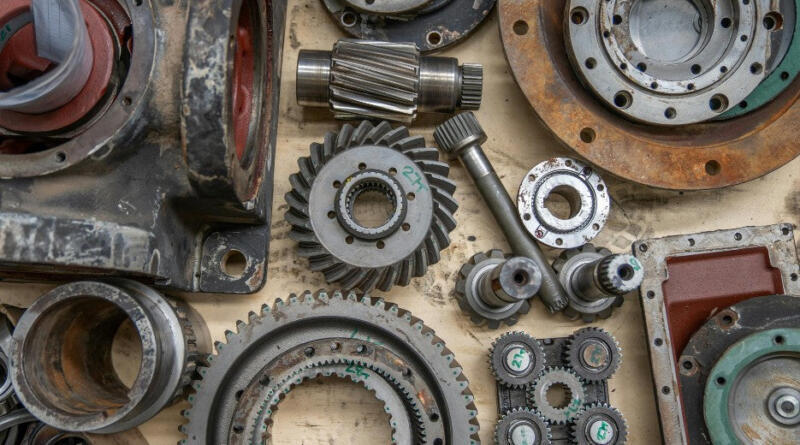
When your vehicle needs a replacement part, the choice between OEM and aftermarket components can be daunting. OEM parts, made by the original manufacturer, promise a perfect fit and reliability but often come with a higher price tag. Aftermarket parts, crafted by third-party companies, offer cost savings and sometimes enhanced performance, yet quality can vary widely.
Understanding the trade-offs affecting warranty, longevity, and compatibility is crucial. This article cuts through the debate, comparing durability, pricing, and real-world performance to help you decide which route ensures safety and value for your specific repair needs.
OEM vs Aftermarket Parts: Which Is Better?
The decision between Original Equipment Manufacturer (OEM) and aftermarket parts hinges on your priorities regarding cost, quality, and vehicle requirements. OEM parts are made by the vehicle's original manufacturer, offering guaranteed fit and performance, while aftermarket parts are produced by third-party companies, often at lower prices but with variable quality.
Understanding the trade-offs in terms of warranty, durability, and availability helps you choose the best option for your specific repair or upgrade.
Quality and Performance Comparison
OEM parts are engineered to the exact specifications of your vehicle, ensuring a perfect fit and consistent performance that matches the factory standards, which often means higher reliability and longevity.
In contrast, aftermarket parts can range from high-performance upgrades that exceed OEM quality to lower-cost alternatives that may wear out faster or require modifications for installation. While some aftermarket brands offer superior durability for enthusiasts, the variance in quality control makes OEM parts the safer choice for maintaining original vehicle integrity.
Cost and Warranty Implications
Aftermarket parts are typically 20% to 50% cheaper than their OEM counterparts, making them attractive for budget-conscious repairs, but this savings may come with limited or no warranty coverage. OEM parts are more expensive but usually come with a manufacturer's warranty that matches your vehicle's coverage, protecting you from defects.
Additionally, using aftermarket parts on a new car could void portions of your factory warranty if they cause damage, so OEM parts are generally recommended for vehicles still under warranty to avoid complications.
Availability and Fitment Considerations
OEM parts are often available only through dealerships or authorized distributors, which can lead to longer wait times and higher prices, especially for rare or older models. Aftermarket parts are widely available from auto parts stores and online retailers, offering greater convenience and often immediate stock for common repairs.
However, aftermarket components may not always align perfectly with your vehicle, requiring additional time and labor for adjustments, whereas OEM parts guarantee easy installation without modifications.
| Factor | OEM Parts | Aftermarket Parts |
|---|---|---|
| Quality | Consistent, matches factory specs | Variable; can be lower or higher quality |
| Cost | Higher upfront cost | Typically 20-50% cheaper |
| Warranty | Usually included and reliable | Limited or no warranty offered |
| Fitment | Perfect fit, easy installation | May require modifications or adjustments |
| Availability | Limited to dealers, longer wait | Widely available from many retailers |
Comparing OEM and Aftermarket Parts: Key Factors for Your Decision
When deciding between OEM (Original Equipment Manufacturer) and aftermarket parts, the choice often hinges on cost, quality, warranty coverage, and intended use. OEM parts are produced by the vehicle's original manufacturer, ensuring exact fit and performance but typically at a higher price.
Aftermarket parts are made by third-party companies, offering lower costs and broader availability, though quality can vary significantly depending on the brand. For critical safety components like brakes or steering, OEM might be preferred for reliability, while aftermarket options can be adequate for cosmetic or non-essential repairs.
Additionally, insurance claims and vehicle age often influence which route you take, as older cars may benefit from cheaper aftermarket parts without compromising value.
This content may interest you! How to Choose Quality Replacement Car Parts
Warranty Implications of OEM vs Aftermarket Parts
OEM parts typically come with a manufacturer-backed warranty that matches the vehicle's original coverage, ensuring peace of mind if defects occur. In contrast, aftermarket parts often have shorter or more limited warranties, and some may void specific aspects of your vehicle's factory warranty if not installed properly or if they cause damage to other components.
Always check your car's warranty terms and the part supplier's return policy before making a purchase.
Quality and Performance Differences
OEM parts are engineered to the exact specifications of your vehicle, delivering consistent performance and longevity that matches the original assembly. Aftermarket parts can range from high-performance upgrades by reputable brands (like Brembo brakes or Bosch sensors) to budget-friendly options that may have looser tolerances or shorter lifespans.
For critical systems like airbags or engine components, OEM quality is often non-negotiable.
Cost Analysis and Long-Term Value
OEM parts are usually 20-60% more expensive than aftermarket equivalents, but they can preserve resale value and avoid additional repair costs from premature failure.
Aftermarket parts offer immediate savings, especially for common wear items like filters, belts, or brake pads, but cheaper options may require more frequent replacement or cause cascading damage to other parts. For older vehicles, aftermarket parts often make economic sense.
Availability and Fitment Considerations
OEM parts are available through dealerships and authorized distributors, often requiring lead times for less common items. Aftermarket parts boast widespread availability online and at auto parts stores, with multiple brands offering direct-fit or universal options.
However, aftermarket parts may need modifications for proper installation, especially on late-model vehicles with complex electronic systems or proprietary components.
Impact on Vehicle Resale and Insurance
For modern vehicles under extended warranties, OEM parts are preferred to maintain factory service records and maximum resale value.
Many insurance policies specify OEM parts for repairs during the first few years of ownership, while older policies may allow aftermarket alternatives to lower claim costs. On classic cars or collector vehicles, using OEM parts is often critical for authenticity and appreciation.
Frequently Asked Questions
What is the main difference between OEM and aftermarket parts?
OEM (Original Equipment Manufacturer) parts are made by the vehicle's original manufacturer, ensuring exact fit and quality matching the car's specifications. Aftermarket parts are produced by third-party companies, often offering various quality levels and prices. While OEM parts guarantee compatibility, aftermarket options may be cheaper but can vary in reliability, fit, and performance, sometimes voiding warranties if not approved.
Are aftermarket parts as reliable as OEM parts?
Reliability varies widely among aftermarket parts. High-quality aftermarket brands can match or even exceed OEM reliability, especially for common wear items like brakes or filters. However, budget aftermarket parts may compromise materials or craftsmanship, leading to shorter lifespans or poor fit. For critical systems (e.g., engine components), OEM parts are often safer, while aftermarket options suit non-essential repairs if sourced from reputable manufacturers.
Does using aftermarket parts void my vehicle warranty?
Under the Magnuson-Moss Warranty Act in the U.S., using aftermarket parts cannot automatically void your warranty unless the part directly caused damage. Manufacturers must prove that the aftermarket part was defective or caused the failure. However, some dealerships may deny coverage for related issues. To stay safe, use certified aftermarket parts and keep installation records, but consult your warranty terms for specific restrictions.
This content may interest you! Ford Ranger Service Costs Explained
Which is more cost-effective in the long run: OEM or aftermarket parts?
Aftermarket parts generally have lower upfront costs, but long-term savings depend on quality. Cheap aftermarket parts may fail sooner, leading to repeat repairs and higher total expenses. OEM parts cost more initially but often last longer, especially for complex systems like transmissions or electronics. For high-use items (e.g., brakes), mid-range aftermarket options balance cost and durability. Evaluate failure risks and vehicle age before choosing.
Leave a Reply