
Best Fluids to Check Before a Long Trip

Before embarking on a long journey, ensuring your vehicle’s vital fluids are at optimal levels is crucial for safety and reliability. Engine oil, coolant, brake fluid, transmission fluid, power steering fluid, and windshield washer fluid each play a distinct role in performance and longevity.
Low or contaminated fluids can lead to overheating, reduced braking efficiency, or mechanical failure, especially under extended stress. Regular checks help prevent breakdowns and costly repairs.
This guide highlights the essential fluids to inspect, offering practical maintenance tips. By prioritizing these simple checks, you minimize risks and ensure a smoother, worry-free road trip ahead.
Essential Fluids to Inspect Before Departing on a Long Journey
Before setting off on an extended road trip, a thorough check of your vehicle's key fluids is critical for preventing breakdowns and ensuring safety.
Neglecting these can lead to overheating, poor braking, or engine failure, turning your adventure into a costly repair stop. Taking just ten minutes to verify fluid levels and condition can provide peace of mind and reliable performance throughout your travels.
Engine Oil Level and Condition
Your engine oil is the lifeblood of your vehicle, and for a long trip, it must be both at the correct level and in good condition. Pull out the dipstick, wipe it clean, reinsert it, and check that the oil falls between the Low and Full marks. The oil should appear golden or amber and feel smooth; if it looks dark, thick, or has a burnt smell, it needs a change.
Dirty oil can lead to increased friction and potential overheating, especially during sustained highway driving, so topping off or replacing it is essential for engine longevity.
Coolant or Antifreeze Level
The cooling system prevents your engine from reaching damaging temperatures, making a fluid check non-negotiable before a long drive. With the engine completely cool, inspect the translucent reservoir tank—the coolant level should be between the Min and Max lines.
Use a 50/50 mix of water and antifreeze to top off if needed, and look for any oily residue or rust color, which could indicate a leak. Insufficient coolant or a compromised mixture can cause engine overheating and potential head gasket failure, especially on hot days or when climbing long grades.
This content may interest you!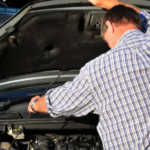 DIY Maintenance Tips Every Driver Should Know
Brake and Transmission Fluid Levels
Your braking system relies on pressurized brake fluid, while automatic transmissions need clean fluid to shift smoothly. For brake fluid, locate the master cylinder reservoir and ensure the fluid is near the Full line; it should be clear or light amber never dark or cloudy.
For transmission fluid, warm up the engine and check the dipstick while the vehicle is in park (or neutral for some models); the fluid should be at the correct level and smell sweet, not burnt. Low or degraded fluids can lead to spongy brakes or gear slipping, two serious hazards on a long trip.
| Fluid Type | Ideal Level | Common Issue Signs | Action Required |
|---|---|---|---|
| Engine Oil | Between Low and Full on dipstick | Dark, thick, gritty, or burnt smell | Top off or change oil if contaminated |
| Coolant | Between Min and Max on tank (cold) | Low level, oily spots, or rust color | Add 50/50 mix; inspect for leaks |
| Brake Fluid | Near Full on reservoir | Dark, cloudy, or low level | Top off with recommended fluid |
| Transmission Fluid | Between marks on dipstick (hot) | Burnt smell, brown color, or low level | Top off or schedule system flush |
Engine Oil: The Lifeblood of Your Vehicle’s Performance
Checking your engine oil before a long trip is critical to ensuring smooth operation and preventing costly damage. Engine oil lubricates moving parts, reduces friction, and helps dissipate heat, which is vital during extended driving.
To verify it, park on level ground, turn off the engine, wait a few minutes for the oil to settle, then pull out the dipstick, wipe it clean, reinsert it, and check the level against the marks.
The oil should be between the minimum and maximum lines and have a golden or amber color without a burnt smell. If it appears dark, gritty, or low, top it up with the recommended grade, but if it is excessively dirty, consider an oil change before departure to avoid engine wear.
Coolant/Antifreeze: Preventing Overheating on Long Drives
Coolant, also called antifreeze, regulates your engine’s temperature by absorbing heat and protecting against freezing in cold weather. Before a long trip, inspect the coolant level in the reservoir tank when the engine is cold; it should be between the low and full marks.
Ensure the fluid is a vibrant color (green, orange, or pink) and not cloudy or oily, as contamination can indicate internal leaks. Low coolant can lead to overheating, especially during long climbs or in heavy traffic, so top off with a 50/50 mix of coolant and distilled water if needed. Also, check for signs of leaks under the vehicle.
Brake Fluid: Ensuring Safe Stopping Power
Brake fluid is hydraulically critical for your braking system, and low or degraded fluid can compromise safety. Locate the brake fluid reservoir under the hood, usually near the firewall, and check that the level is between the minimum and maximum indicators.
The fluid should be clear to slightly yellow; if it appears dark brown or black, it may be contaminated with moisture, reducing its boiling point and leading to brake fade. Before a long trip, top off with the correct DOT-rated fluid (e.g., DOT 3 or DOT 4) and look for any leaks around the master cylinder or brake lines. Never mix different types of brake fluid.
This content may interest you! How to Extend the Life of Your Vehicle
Transmission Fluid: Safeguarding Gear Shifts
Transmission fluid is essential for lubricating gears and ensuring smooth shifts in both automatic and manual transmissions. With the engine running and warmed up (check your owner’s manual for specific instructions), pull out the transmission dipstick, wipe it, reinsert, and verify the level against the hot or cold marks.
The fluid should be bright red or pink and smell clean, not burnt. Burnt-smelling or dark fluid indicates excessive heat or wear, which can cause slipping gears or transmission failure on long trips. If low, add the recommended fluid type cautiously, but significant losses may require professional inspection.
Power Steering Fluid: Maintaining Steering Control
Power steering fluid ensures easy steering responsiveness, especially during low-speed maneuvers or on winding roads. Check the fluid level in the reservoir, often marked with a steering wheel icon, with the engine off and cold. The level should be between the full and low lines, and the fluid should be clear, red, or amber without bubbles or a burnt odor.
Low or dirty fluid can cause whining noises or stiff steering, complicating long highway drives. Top off with the manufacturer-specified fluid and inspect for leaks near hoses or the pump.
Windshield Washer Fluid: Clearing Debris for Visibility
Windshield washer fluid might seem minor, but it is vital for safety on long trips where bugs, dirt, or rain can obscure your view. Locate the washer fluid reservoir, usually a translucent plastic container with a windshield sprayer icon, and ensure it is filled to the maximum line.
Use a ready-to-use washer fluid with antifreeze properties in cold weather, as plain water can freeze and damage the system. During a long drive, you may encounter heavy spray from passing vehicles or dust on remote roads, so topping it off before departure prevents low fluid warnings and keeps your windshield clear for optimal visibility.
Frequently Asked Questions
What are the essential fluids to check before a long trip?
Before a long trip, check engine oil, coolant, brake fluid, transmission fluid, power steering fluid, and windshield washer fluid. Engine oil lubricates moving parts; coolant prevents overheating. Brake fluid ensures safe stopping; transmission fluid smooths gear shifts. Power steering fluid eases steering, and windshield washer fluid keeps glass clean for visibility. Low levels or contamination in any can cause breakdowns or safety risks, so top off or replace as needed.
Why is checking engine coolant crucial for a long trip?
Engine coolant regulates temperature, preventing the engine from overheating or freezing during travel. Long trips put extra strain, and low coolant can lead to engine damage or failure. Check the reservoir when the engine is cool; ensure it’s between the min and max marks. Top up with the correct coolant type if low. Contaminated coolant may require a flush. This simple check avoids costly roadside repairs.
How do I check transmission fluid before a long journey?
Park on a level surface, let the engine run, and locate the transmission dipstick. With the engine idling and transmission in park (or neutral for some vehicles), pull the dipstick, wipe it clean, reinsert, and check the level. Fluid should be reddish and smell not burnt. Low or dark fluid can cause shifting issues; add the manufacturer-recommended type if needed. For sealed transmissions, consult a professional.
This content may interest you! How to Prepare Your Car for a South Island Road Trip
What is the proper way to check brake fluid levels?
Locate the brake fluid reservoir near the firewall; it’s labeled and often transparent. Ensure the engine is off and cool. Check fluid is between the min and max marks. If low, top up with the recommended DOT specification fluid. Avoid spillage, as brake fluid damages paint. Dark or cloudy fluid suggests contamination and may require replacement. Proper brake fluid ensures responsive braking, critical for long-trip safety.
Leave a Reply