
Car Maintenance Tips for Coastal New Zealand
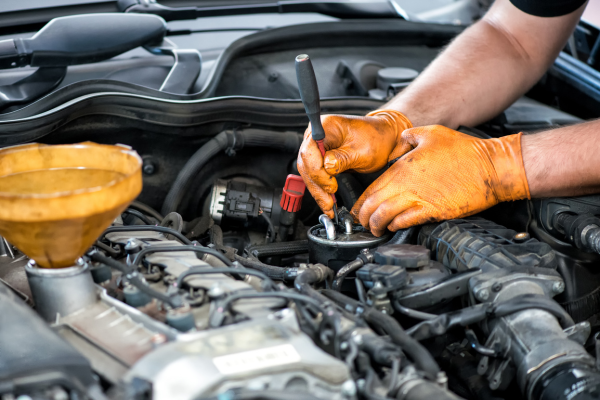
Living in coastal New Zealand offers stunning views and a unique lifestyle, but it presents specific challenges for vehicle ownership. The salty sea air, combined with high humidity and frequent rain, accelerates rust and corrosion on cars. From hidden wheel wells to exposed undercarriages, every component is under attack.
Regular maintenance is essential to protect your investment and ensure safety on winding coastal roads. This guide provides practical tips for washing, undercoating, and inspecting critical areas, helping you keep your vehicle reliable and resilient against the harsh marine environment, extending its lifespan significantly.
Essential Car Maintenance Tips for Coastal New Zealand
Living in coastal New Zealand exposes your vehicle to unique environmental challenges, including salt-laden air, humidity, and corrosive sea spray. To protect your car's longevity and performance, proactive maintenance is crucial. The salty atmosphere accelerates rust formation on metal components and degrades rubber seals, electrical systems, and paintwork.
Regular cleaning, protective treatments, and component checks become non-negotiable for coastal drivers. Below, we outline targeted strategies to safeguard your vehicle from these harsh conditions.
Fight Corrosion with a Rigorous Washing and Waxing Routine
The single most effective step for coastal vehicle care is a thorough washing and waxing regimen. Salt residue from sea air and road spray quickly bonds to your car's paint, undercarriage, and chrome, initiating rust. You should wash your vehicle at least once a week, paying special attention to the wheel wells, underbody, and door jambs where salt accumulates.
Use a pH-neutral car shampoo and a pressure washer to dislodge stubborn grime. After washing, apply a high-quality carnauba wax or a ceramic coating every three months to create a protective barrier against moisture and salt. For added protection, consider a professional undercoating or rust inhibitor spray on exposed metal parts.
Protect Your Electrical System and Battery from Moisture
High humidity and salt spray can wreak havoc on your car's electrical components, leading to starting issues and erratic performance. The battery terminals, alternator, and wiring connectors are particularly vulnerable to corrosion and moisture ingress.
Regularly inspect your battery for white or bluish powdery corrosion around the terminals and clean it with a mixture of baking soda and water using a wire brush.
Apply a thin layer of dielectric grease to all exposed electrical connections to repel moisture. Also, seal any cracked or loose wiring loom covers with electrical tape, and ensure your car's body grounding straps are clean and tight to prevent voltage drops.
Flush and Replace Critical Fluids More Frequently
Coastal environments demand more attention to your vehicle's fluids, as they can degrade faster due to increased moisture and thermal stress. The coolant and brake fluid are especially prone to water contamination, which reduces their effectiveness and can cause internal corrosion.
You should flush and replace the engine coolant every two years instead of the standard three-to-five-year interval, using a mix that includes anti-corrosion additives. Similarly, brake fluid should be tested annually for moisture content and replaced if it exceeds 3% water content.
Do not forget about the windshield washer fluid: use a concentrated cleaner with antifreeze properties to prevent freezing and to help remove salt film from the glass.
Essential Saltwater Corrosion Prevention for Coastal Kiwi Cars
The relentless assault of salt-laden air and coastal moisture in New Zealand demands a proactive approach to vehicle preservation. Unlike inland driving, the electrolytic reaction caused by sea salt accelerates rust formation on undercarriages, brake lines, and electrical components.
A bi-weekly underbody wash with fresh water, specifically focusing on wheel wells and chassis, is your primary defense. Applying a lanolin-based protective spray to exposed metal parts creates a sacrificial barrier, while regularly checking drainage holes in doors and sills prevents trapped moisture from causing hidden corrosion.
This content may interest you! How to Prevent Rust on Cars in New Zealand
Neglecting this routine can lead to premature component failure, especially in the harsh, humid microclimate of coastal regions.
Understanding Cathodic Corrosion in Marine Environments
The electrochemical reaction between dissimilar metals, accelerated by coastal salinity, is a silent threat. Stainless steel fasteners in contact with aluminum panels can generate a galvanic current that eats away at the anode metal.
To mitigate this, apply dielectric grease to all electrical connectors and trailer hitch contacts. Inspect body panels for signs of bimetallic corrosion where they meet, and consider installing zinc anodes on boat trailers or vehicle frames when parked near the ocean.
High-Moisture Brake System Maintenance
Hydroscopic brake fluid absorbs water from the humid coastal air, lowering its boiling point and leading to spongy pedal feel or brake fade. A yearly flush with DOT 4 or 5.1 fluid is non-negotiable. Additionally, inspect brake calipers and piston boots for salt-induced pitting and seizing, as the salt deposits can compromise sliding pins and cause uneven pad wear.
Air Conditioning and Ventilation System Pitfalls
The brackish coastal air combined with constant humidity creates a breeding ground for mold and mildew in your HVAC system. Replace your cabin air filter every six months, not annually.
Run the air conditioner on recirculate for 15 minutes weekly to dry the evaporator core, and use a specific A/C coil cleaner to eliminate fungal growth that causes the infamous "musty car" smell.
Protective Wax and Ceramic Coating Strategies
Standard car wax breaks down under UV radiation and salt spray exposure. Switch to a ceramic coating or a high-durability synthetic sealant that provides a harder, sacrificial layer against the abrasive nature of sea mist.
Pay special attention to exposed trim pieces and rubber seals around doors and windows, applying a UV-protectant dressing to prevent drying and cracking from the harsh coastal sun.
Tire and Wheel Well Corrosion Management
Road salt and sea spray collect aggressively inside alloy wheels and tire rims, causing pitting and air leaks between the tire bead and rim. Use a pH-neutral wheel cleaner (avoid acidic cleaners) and a soft brush to remove salt buildup monthly.
Apply a thin layer of tire bead sealer when mounting new tires to prevent slow leaks caused by corroded rim edges, a common issue in coastal environments.
Frequently Asked Questions
How often should I wash my car in coastal New Zealand?
Wash your car at least once a week in coastal New Zealand. Salt spray and sea air accelerate corrosion, so frequent washing removes corrosive salt deposits. Focus on the undercarriage, wheel wells, and door jambs where salt accumulates. Use a pH-balanced car shampoo and rinse thoroughly with fresh water. A weekly routine significantly reduces rust risk and preserves paint integrity.
What is the best way to protect my car's paint from salt damage?
Apply a high-quality wax or ceramic coating every three months. These create a protective barrier against salt, UV rays, and moisture. Park under cover or use a car cover if possible. Wash and wax immediately after driving near the ocean. Regular detailing prevents salt from bonding to paint, keeping your car's finish glossy and corrosion-free longer.
How do I prevent rust on my car's undercarriage near the coast?
Rinse the undercarriage with fresh water after every coastal drive. Apply an anti-rust undercoating or oil-based spray annually. Inspect for chips or scratches and touch up with rust-resistant paint. Avoid driving through deep puddles on coastal roads, as they carry salt. Regular undercarriage maintenance is essential—rust can spread quickly in humid, salty environments.
Why is my car's battery failing faster in coastal areas?
Coastal humidity and salt accelerate battery terminal corrosion and discharge. Clean terminals monthly with a baking soda and water mixture to remove corrosive buildup. Apply a thin layer of petroleum jelly or anti-corrosion spray. Park in a garage if possible to reduce exposure to moisture. Consider a battery with higher cold cranking amps (CCA) for reliable performance in New Zealand's coastal climate.
This content may interest you! How New Zealand's Climate Affects Your Vehicle
Leave a Reply