
Mitsubishi Triton Heater Not Working: Causes, Diagnosis, and Fixes
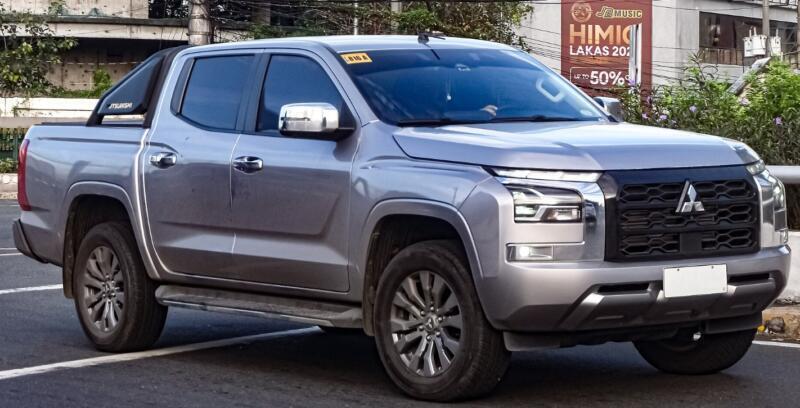
A Mitsubishi Triton heater not working can turn a normal winter drive into a cold and frustrating experience. The fan may blow icy air, the windscreen may refuse to clear, or the vents may remain completely silent.
Fortunately, a failed cabin heater does not always mean an expensive repair. The cause may be something relatively simple, such as low coolant, a blown fuse, a clogged cabin filter, or an incorrect climate-control setting. More complicated possibilities include a blocked heater core, a failed blower motor, a faulty thermostat, or a damaged blend-door actuator.
In this guide, we will explore the symptoms, common causes, diagnostic steps, repair options, and preventive measures. Since the Mitsubishi Triton has been sold across several generations and is known as the Mitsubishi L200 in many countries, component locations and heating-system designs may vary between models.
- How the Mitsubishi Triton Heater Works
- Common Mitsubishi Triton Heater Symptoms
- Why a Working Heater Is Important
- Most Common Causes of a Mitsubishi Triton Heater Not Working
- 1. Low Coolant Level
- 2. Air Trapped in the Cooling System
- 3. Thermostat Stuck Open
- 4. Blocked Heater Core
- 5. Faulty Blend Door or Actuator
- 6. Blower Motor Failure
- 7. Blown Fuse or Failed Relay
- 8. Faulty Blower Resistor
- 9. Blocked Cabin Air Filter
- 10. Faulty Water Pump
- 11. Faulty Climate-Control Panel or Sensor
- Step-by-Step Mitsubishi Triton Heater Diagnosis
- Step 1: Identify the Exact Problem
- Step 2: Check the Climate-Control Settings
- Step 3: Watch the Temperature Gauge
- Step 4: Check the Coolant Level
- Step 5: Test Every Blower Speed
- Step 6: Listen for Dashboard Actuator Noise
- Step 7: Check Heater-Hose Temperatures
- Step 8: Scan the Climate-Control System
- Mitsubishi Triton Heater Symptom Table
- Can We Repair the Triton Heater at Home?
- How Much Does a Mitsubishi Triton Heater Repair Cost?
- Common Heater Repair Mistakes
- How to Prevent Future Heater Problems
- When the Heater Problem May Be an Engine Problem
- Mitsubishi Triton Heater Not Working After a Coolant Change
- Mitsubishi Triton Heater Not Working After Battery Replacement
- Final Thoughts
- Frequently Asked Questions
How the Mitsubishi Triton Heater Works
The Triton cabin heater normally uses heat produced by the engine.
As the engine runs, coolant absorbs heat and circulates through the cooling system. Some of that hot coolant travels through a small radiator located behind the dashboard called the heater core.
The blower motor then pushes air across the heater core. That warmed air travels through the dashboard vents and enters the cabin.
For the system to work correctly:
- The engine must reach normal operating temperature.
- The cooling system must contain enough coolant.
- Hot coolant must circulate through the heater core.
- The blower motor must move air.
- The blend doors must direct the air correctly.
- The climate-control panel must communicate with the system.
Think of the heater as a chain. If one link breaks, warm air may never reach the cabin.
Common Mitsubishi Triton Heater Symptoms
Before replacing any components, we should identify exactly how the system is failing. Different symptoms usually point toward different causes.
The Fan Blows but the Air Remains Cold
If air comes through the vents but never becomes warm, the airflow system is probably functioning. The fault is more likely related to coolant temperature, coolant circulation, or temperature control.
Possible causes include:
- Low engine coolant
- Air trapped in the cooling system
- A thermostat stuck open
- A blocked heater core
- A defective heater valve
- A failed blend-door actuator
- A disconnected control cable on older models
No Air Comes From the Vents
If the heater produces no airflow at any fan setting, the problem may be electrical.
Common causes include:
- Blown blower fuse
- Failed relay
- Faulty blower motor
- Damaged wiring
- Defective fan-speed switch
- Climate-control module failure
The Fan Works Only on Certain Speeds
A blower that works on the highest setting but not on lower speeds often has a failed blower resistor.
The resistor controls the electrical current supplied to the blower motor. When one or more resistance circuits fail, some fan speeds disappear.
Vehicles with automatic climate control may use an electronic blower-control module instead of a traditional resistor.
The Heater Works Only While Driving
If the heater becomes warm while driving but turns cold when the Triton is idling, coolant circulation may be poor.
Likely causes include:
- Low coolant
- Air trapped in the cooling system
- A partially blocked heater core
- Weak water-pump performance
- Restricted coolant flow
One Side Is Hot and the Other Side Is Cold
On Tritons equipped with dual-zone climate control, uneven cabin temperatures may indicate a failed blend-door actuator.
A partially blocked heater core can also create uneven heat distribution because hot coolant may not flow evenly through the entire core.
The Cabin Smells Sweet
A sweet or chemical smell inside the cabin may indicate a coolant leak.
Other warning signs include:
- A greasy film on the windscreen
- Persistent window misting
- Damp carpet below the dashboard
- Falling coolant levels
- Coloured liquid inside the cabin
These symptoms may point to a leaking heater core.
Why a Working Heater Is Important
The cabin heater is not only about comfort. It also helps demist and defrost the windscreen.
Warm airflow removes condensation and improves visibility during cold, rainy, or humid conditions. If the blower or heater stops working, the windscreen may remain foggy and make the vehicle unsafe to drive.
Heater problems can also reveal faults within the engine-cooling system. For example, a heater that suddenly turns cold while the engine temperature rises may indicate coolant loss or poor circulation.
In that situation, the heater is acting like an early warning system.
Most Common Causes of a Mitsubishi Triton Heater Not Working
1. Low Coolant Level
Low coolant is one of the most common causes of weak or missing cabin heat.
The heater core needs a steady supply of hot coolant. When the coolant level falls, air may enter the heater circuit. Since the heater core is often positioned high in the cooling system, it may lose coolant flow before the engine begins to overheat.
Signs of Low Coolant
Look for:
- Cold or inconsistent heater output
- Gurgling noises behind the dashboard
- Engine-temperature fluctuations
- A low level in the expansion tank
- Coolant stains beneath the vehicle
- A sweet smell in the engine bay
- Frequent need to top up the coolant
Never remove the radiator cap while the engine is hot. Pressurised coolant can cause serious burns.
How to Check the Coolant
When the engine is completely cold:
This content may interest you! Problems with Mitsubishi Triton: Common Faults Across All Model Years
- Park the Triton on level ground.
- Locate the coolant expansion tank.
- Check whether the level is between the minimum and maximum markings.
- Inspect the engine bay for leaks.
- Top up using the correct coolant specification if necessary.
Adding coolant may restore the heater temporarily, but coolant should not regularly disappear. If the level falls again, there is probably a leak.
2. Air Trapped in the Cooling System
Air can become trapped after:
- A coolant change
- Thermostat replacement
- Radiator repairs
- Hose replacement
- Water-pump work
- Coolant leakage
An air pocket may prevent hot coolant from entering the heater core.
Symptoms of Trapped Air
The heater may:
- Switch between hot and cold
- Produce gurgling noises
- Work only when the engine is revved
- Become cold while idling
- Perform poorly after coolant-system repairs
The cooling system must be bled correctly. The precise bleeding procedure depends on the Triton generation and engine.
3. Thermostat Stuck Open
The thermostat controls coolant flow between the engine and radiator.
When the engine is cold, the thermostat remains closed so the engine can warm quickly. Once the correct temperature is reached, the thermostat opens.
If it becomes stuck open, coolant circulates through the radiator too early. The engine may struggle to reach normal temperature, especially during cold weather.
Common Thermostat Symptoms
- Weak cabin heat
- A low temperature-gauge reading
- Long engine warm-up time
- Heat becoming weaker at motorway speeds
- Increased fuel consumption
- Temperature dropping during downhill driving
A faulty thermostat may appear minor, but it can affect fuel economy, emissions, and cabin comfort.
4. Blocked Heater Core
The heater core contains narrow internal passages. Over time, corrosion, old coolant, scale, dirt, or cooling-system sealants can restrict those passages.
A partially blocked heater core may produce weak heat. A fully blocked core may prevent heat from entering the cabin altogether.
How a Heater Core Is Tested
Once the engine reaches normal temperature, a technician may compare the two heater hoses entering the firewall.
- If both hoses are hot, coolant is probably flowing through the core.
- If one hose is hot and the other is significantly cooler, the core may be restricted.
- If both hoses remain cool, coolant may not be reaching the heater circuit.
This test must be performed carefully because the hoses can become extremely hot.
Can a Blocked Heater Core Be Flushed?
A controlled reverse flush may remove loose debris and restore circulation.
However, flushing does not always repair a severely corroded heater core. Excessive pressure should never be used because the core can rupture and begin leaking inside the cabin.
5. Faulty Blend Door or Actuator
Blend doors are located inside the dashboard. They control whether air travels across the heater core or bypasses it.
Modern Triton models generally use small electric actuators to move these doors.
If an actuator fails, the door may remain stuck in the cold position even though the heater core is hot.
Signs of a Failed Blend-Door Actuator
- Clicking behind the dashboard
- No temperature change when the control is moved
- Heat on only one side
- Temperature changing unpredictably
- Incorrect vent direction
- Repeated tapping after starting the vehicle
Older Triton models may use a mechanical cable. If the cable stretches, disconnects, or jams, the temperature door may not move correctly.
6. Blower Motor Failure
The blower motor pushes air through the ventilation system.
If it fails, the heater core may still contain hot coolant, but the warmth cannot move into the cabin.
Signs of a Failing Blower Motor
The fan may:
- Stop completely
- Work intermittently
- Operate only after tapping the dashboard
- Produce squealing noises
- Spin slowly
- Cut out after several minutes
- Make grinding or scraping sounds
Worn internal brushes are common in older blower motors. Vibration may temporarily restore electrical contact, which explains why the fan sometimes starts after hitting a bump.
7. Blown Fuse or Failed Relay
A blown fuse can stop the blower motor instantly.
The fuse should always be replaced with one of the same rating. Installing a larger fuse can allow wiring to overheat and create a fire risk.
If the replacement fuse blows again, possible causes include:
- A seized blower motor
- Shorted wiring
- Damaged connectors
- Water intrusion
- A failed control module
- Incorrectly installed accessories
The blower relay may also fail and interrupt power to the fan.
8. Faulty Blower Resistor
The blower resistor controls lower fan speeds on manually operated systems.
When it fails, the blower may work only on the highest setting because maximum speed often bypasses the resistor circuit.
Typical Resistor Symptoms
- Fan works only on high
- One or more speeds are missing
- Fan speed changes intermittently
- Airflow cuts out at certain settings
A clogged cabin filter can reduce airflow around the resistor and cause it to overheat.
9. Blocked Cabin Air Filter
The cabin filter traps pollen, dust, leaves, and other debris before the air reaches the vents.
When the filter becomes clogged, airflow may feel weak even though the fan is running.
This content may interest you!Mitsubishi Triton Indicators Not Working: Causes, Checks, and FixesSymptoms of a Dirty Cabin Filter
- Poor airflow from all vents
- Loud fan noise
- Musty odours
- Weak demisting
- Dust near the vents
- Improved airflow after removing the filter for inspection
Not every Triton generation uses the same cabin-filter arrangement. Some older models may not have a replaceable filter from the factory.
10. Faulty Water Pump
The water pump circulates coolant through the engine, radiator, and heater core.
A worn or damaged pump may reduce circulation, particularly at idle.
Water-Pump Warning Signs
- Engine overheating
- Coolant leakage near the pump
- Bearing or grinding noises
- Heater improves when the engine is revved
- Temperature-gauge fluctuations
- Weak heater output at idle
A suspected water-pump problem should be repaired promptly because poor circulation can lead to serious engine damage.
11. Faulty Climate-Control Panel or Sensor
Automatic climate-control systems use sensors and electronic modules to regulate temperature.
A malfunctioning cabin-temperature sensor, control panel, wiring connection, or climate module may cause strange behaviour.
The system may:
- Blow cold air despite a high temperature setting
- Ignore fan commands
- Change temperature unexpectedly
- Display incorrect information
- Fail to operate certain vents
Electronic faults normally require a compatible diagnostic scanner and wiring information.
Step-by-Step Mitsubishi Triton Heater Diagnosis
Step 1: Identify the Exact Problem
Ask the following questions:
- Does the blower motor run?
- Does it operate at every speed?
- Is the airflow strong?
- Does the engine reach normal temperature?
- Is the air always cold?
- Does the heater work while driving?
- Is one side warmer than the other?
- Are there unusual smells or sounds?
- Did the problem begin after cooling-system work?
These answers help separate coolant-related faults from electrical and airflow problems.
Step 2: Check the Climate-Control Settings
Before assuming a component has failed:
- Set the temperature to maximum heat.
- Increase the fan speed.
- Select the face or footwell vents.
- Turn off unusual automatic or economy modes.
- Allow the engine to reach operating temperature.
- Test several vent positions.
Some automatic systems intentionally delay high fan speeds until the engine warms up.
Step 3: Watch the Temperature Gauge
The temperature gauge provides valuable clues.
If the gauge remains unusually low after normal driving, the thermostat may be stuck open.
If the gauge rises above normal while the heater blows cold, stop the vehicle safely. This may indicate coolant loss, trapped air, or circulation failure.
A cold heater combined with an overheating engine is an urgent warning.
Step 4: Check the Coolant Level
Inspect the coolant only when the engine is cold.
Look for:
- A low expansion-tank level
- Wet hoses
- White or coloured deposits
- Leaking clamps
- Radiator stains
- Coolant around the thermostat housing
- Dampness near the water pump
Never select coolant based only on colour. Different coolant formulations can share similar colours.
Step 5: Test Every Blower Speed
Turn the fan through every available setting.
- No speeds working may indicate a fuse, relay, motor, or wiring fault.
- Maximum speed only usually suggests a resistor problem.
- Weak airflow may indicate a blocked filter.
- Intermittent airflow may indicate worn motor brushes.
- Scraping noises may indicate debris inside the blower housing.
Step 6: Listen for Dashboard Actuator Noise
Change the temperature from cold to hot while listening behind the dashboard.
Repeated clicking may indicate stripped actuator gears. Complete silence may point toward a failed motor, wiring fault, or disconnected control mechanism.
Step 7: Check Heater-Hose Temperatures
Once the engine is warm, the heater hoses entering the firewall should normally be hot.
A large temperature difference between the hoses may indicate poor heater-core flow.
This is only a diagnostic clue. Air pockets, valves, thermostat problems, and circulation faults can also affect hose temperature.
Step 8: Scan the Climate-Control System
Some heater faults store diagnostic trouble codes inside the body or climate-control module.
A basic engine-code reader may not access these systems. A more advanced scanner may be required to view:
- Blend-door position
- Sensor readings
- Blower commands
- Climate-control fault codes
- Communication errors
- Actuator operation
Mitsubishi Triton Heater Symptom Table
| Heater symptom | Possible causes |
|---|---|
| Fan works but air stays cold | Low coolant, thermostat, heater core, blend door |
| No fan at any speed | Fuse, relay, motor, switch, wiring |
| Fan works only on high | Blower resistor or control module |
| Weak airflow | Cabin filter, dirty blower, blocked duct |
| Heat only while driving | Low coolant, air lock, poor circulation |
| Heat only when revving | Air pocket, low coolant, water pump |
| One side remains cold | Blend actuator or restricted heater core |
| Sweet smell in the cabin | Heater-core leak |
| Clicking behind dashboard | Failed actuator |
| Engine stays too cool | Thermostat stuck open |
| Engine overheats and heater turns cold | Coolant loss or circulation failure |
Can We Repair the Triton Heater at Home?
Several basic checks can be performed without specialist equipment:
- Check the heater settings.
- Inspect the coolant level when cold.
- Check accessible fuses.
- Replace the cabin filter.
- Test every blower speed.
- Listen for dashboard noises.
- Look for obvious coolant leaks.
Professional help may be needed for:
- Heater-core replacement
- Dashboard removal
- Water-pump replacement
- Cooling-system pressure testing
- Complex electrical diagnosis
- Climate-control module faults
- Airbag-adjacent trim removal
- Persistent overheating
The best repair is not always the one we attempt ourselves. Sometimes knowing when to stop saves money and prevents additional damage.
How Much Does a Mitsubishi Triton Heater Repair Cost?
The cost depends on the model year, failed component, labour rate, and location.
Relatively inexpensive repairs may include:
This content may interest you! Toyota Voxy Not Starting: Causes, Checks, and Fixes
- A fuse
- Cabin filter
- Relay
- Minor wiring repair
- Coolant top-up
Mid-range repairs may include:
- Thermostat replacement
- Blower resistor replacement
- Blend-door actuator replacement
- Cooling-system flush
- Blower motor replacement
A heater-core replacement may be significantly more expensive because substantial dashboard disassembly can be required.
The final invoice may include:
- Diagnostic labour
- Replacement coolant
- New hoses or clamps
- Thermostat and gasket
- Blower motor
- Actuator
- Heater core
- Electrical repairs
- Cooling-system bleeding
Before authorising an expensive repair, ask the workshop which tests confirmed the diagnosis.
Common Heater Repair Mistakes
Opening the Cooling System While Hot
Hot coolant is pressurised and can cause severe burns.
Driving an Overheating Triton
Continuing to drive may damage the cylinder head, head gasket, turbocharger, or engine.
Mixing Incompatible Coolants
Coolants should not be mixed unless their compatibility is confirmed.
Installing a Larger Fuse
A higher-rated fuse can allow wiring to overheat.
Using Cooling-System Sealant Carelessly
Sealant may reduce a leak temporarily, but it can also block the narrow passages inside the heater core.
Replacing Parts Without Testing
Cold air does not automatically mean the heater core has failed. The actual cause may be low coolant, a faulty thermostat, or a blend-door problem.
How to Prevent Future Heater Problems
Regular cooling-system maintenance can reduce the chance of heater failure.
Useful habits include:
- Check the coolant level regularly.
- Repair leaks quickly.
- Replace coolant at the recommended interval.
- Use the correct coolant specification.
- Replace a clogged cabin filter.
- Run the heater occasionally during warm weather.
- Investigate unusual smells or noises.
- Monitor the temperature gauge.
- Bleed the cooling system correctly after repairs.
- Avoid mixing different coolant types.
Fresh coolant helps prevent corrosion, sludge, and internal heater-core blockages.
When the Heater Problem May Be an Engine Problem
Some heater symptoms can indicate a more serious engine fault.
Pay attention if the vehicle also has:
- White exhaust smoke
- Constant coolant loss
- Bubbles in the expansion tank
- Hard cooling hoses shortly after startup
- Milky engine oil
- Repeated overheating
- Cold-start misfires
- Coolant pushed from the reservoir
These signs may indicate a head-gasket or internal engine problem.
A workshop may recommend:
- Cooling-system pressure testing
- Combustion-gas testing
- Compression testing
- Cylinder leak-down testing
Mitsubishi Triton Heater Not Working After a Coolant Change
If the heater worked before a coolant service and stopped immediately afterward, trapped air is one of the most likely causes.
Other possibilities include:
- Incorrect coolant level
- Poor bleeding procedure
- Heater hose fitted incorrectly
- Disconnected electrical connector
- Thermostat installed improperly
- A blockage disturbed during flushing
The timing of the failure is important. Tell the repairer that the heater problem began directly after the cooling-system work.
Mitsubishi Triton Heater Not Working After Battery Replacement
Replacing the battery should not affect coolant circulation, but it can affect electronic climate-control components.
Possible causes include:
- A blown fuse
- Loose battery terminals
- Poor earth connection
- Lost actuator calibration
- A disturbed connector
- Climate-control module errors
Check whether the blower, display, and temperature controls operate normally. A diagnostic scan may be required if the actuator positions need recalibration.
Final Thoughts
A Mitsubishi Triton heater not working may be caused by a cooling-system fault, an airflow restriction, or an electrical problem.
We should begin with simple checks. Confirm the control settings, monitor the engine temperature, inspect the coolant level when cold, and test every blower speed.
The most common causes include:
- Low coolant
- Trapped air
- A thermostat stuck open
- A blocked heater core
- A failed blower resistor
- A faulty blower motor
- A damaged blend-door actuator
- A clogged cabin filter
Pay close attention to overheating. If the heater suddenly becomes cold while the engine temperature rises, stop driving and investigate the cooling system immediately.
Good diagnosis is like following a trail of footprints. Each symptom brings us closer to the real problem, while random part replacement usually leads only to unnecessary expense.
Frequently Asked Questions
Why Is My Mitsubishi Triton Heater Blowing Cold Air?
The most common causes are low coolant, trapped air, a thermostat stuck open, a blocked heater core, or a faulty blend-door actuator. Check whether the engine reaches normal temperature and inspect the coolant level when the engine is cold.
Why Does My Triton Heater Work Only While Driving?
This may indicate low coolant, trapped air, restricted heater-core flow, or weak coolant circulation. Higher engine speeds may temporarily push more coolant through the heater circuit.
Why Does the Fan Work Only on the Highest Setting?
A failed blower resistor is the most common explanation on manually controlled systems. Automatic climate-control systems may use an electronic blower-control module instead.
Can a Bad Thermostat Stop the Heater From Working?
Yes. A thermostat stuck open may prevent the engine from reaching normal operating temperature, resulting in weak or cold cabin air.
This content may interest you!Mitsubishi Triton Warning Lights: Meanings, Causes, and What to DoIs It Safe to Drive With the Heater Not Working?
It may be possible if the fault is limited to the blower or climate controls, although poor windscreen demisting can be dangerous. Do not continue driving if the engine overheats, coolant disappears, steam appears, or the heater turns cold while the temperature gauge rises.
Leave a Reply