
Mitsubishi Triton Not Starting: Causes, Checks, and Fixes
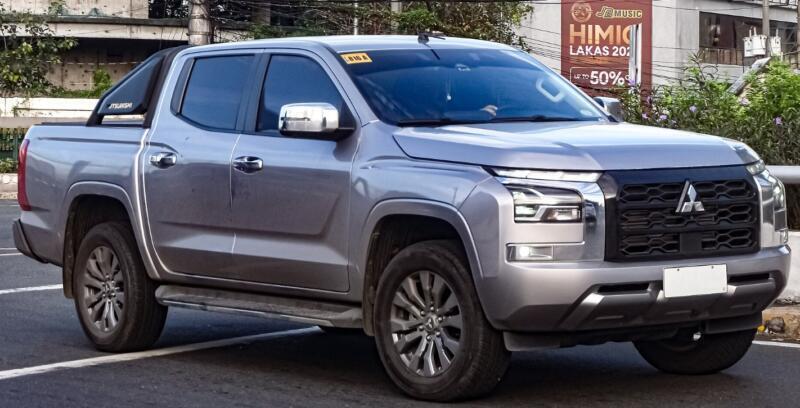
A Mitsubishi Triton that refuses to start can turn an ordinary morning into a mechanical mystery. One moment, we are ready to head to work, tow a trailer, or leave the campsite. The next, we are sitting behind the wheel listening to a click, a slow groan, or absolutely nothing.
The good news? A Mitsubishi Triton not starting does not automatically mean the engine has suffered a catastrophic failure. In many cases, the cause is surprisingly simple: a weak battery, a loose terminal, an unrecognized key, low fuel pressure, or a faulty starter circuit.
The real challenge is identifying which type of starting problem we have. Does the engine fail to crank? Does it crank normally but refuse to fire? Does it start and immediately stall? Each symptom points us down a different diagnostic road.
This guide explains the most common causes, the safest checks we can perform at home, and the warning signs that tell us it is time to call a mechanic.
Important: Triton equipment, engines, security systems, and starting procedures vary by model year and market. Mitsubishi publishes region-specific owner manuals, including an Australian Triton manual, so we should always verify the instructions for our exact vehicle.
- First Identify What “Not Starting” Means
- Check the Battery Before Anything Else
- Clean and Tighten the Battery Connections
- Try Starting in Neutral
- Listen to the Starter Motor
- Check the Starter Fuse and Relay
- Could the Immobilizer Be Blocking the Start?
- Diesel Triton Cranks but Will Not Start
- Glow Plug and Cold-Starting Problems
- Crankshaft and Camshaft Sensor Failure
- Petrol Triton Cranks but Will Not Fire
- Timing Belt, Timing Chain, or Compression Problems
- Could the Engine Be Seized?
- Warning Lights and Scan-Tool Diagnosis
- What to Check After Recent Repairs
- A Practical Mitsubishi Triton No-Start Checklist
- When Can We Fix It Ourselves?
- When Should We Call a Mechanic?
- How to Prevent Future Starting Problems
- Final Thoughts
- Frequently Asked Questions
First Identify What “Not Starting” Means
Before reaching for jumper cables or replacing parts, we need to listen carefully to what the Triton is doing.
A no-start condition normally falls into one of four categories:
- The dashboard stays dark and nothing happens.
- The dashboard lights illuminate, but the engine does not crank.
- The starter turns the engine, but the engine does not fire.
- The engine starts briefly and then stalls.
These situations may feel similar from the driver’s seat, but mechanically they are very different.
No Lights and No Electrical Response
If the instrument panel remains completely dark, the likely causes include:
- A discharged battery
- Loose or corroded battery terminals
- A damaged main battery cable
- A blown main fuse or fusible link
- A poor chassis or engine earth connection
- An internal ignition-switch fault
This is primarily an electrical supply problem. Fuel injectors, glow plugs, sensors, and the starter cannot operate properly when the vehicle has no usable electrical power.
Dashboard Lights Work but the Engine Does Not Crank
When the lights appear normal but the starter does not turn, we should investigate:
- The starter motor
- The starter solenoid
- The starter relay
- The ignition switch
- The park or neutral position switch
- The clutch pedal switch on manual models
- The immobilizer system
- Wiring between the battery and starter
A single click often points toward a battery, solenoid, starter, or cable problem. Rapid clicking usually suggests the battery has enough energy to activate the solenoid but not enough to crank the engine.
The Engine Cranks but Will Not Start
If the engine turns at a normal speed, the starter system is doing its job. Now we need to look at what the engine requires to run:
- Adequate fuel delivery
- Correct fuel pressure
- Airflow
- Compression
- Accurate crankshaft and camshaft signals
- Correct injection timing
- Ignition spark on petrol engines
- Sufficient glow-plug assistance during cold diesel starts
Think of the engine as a campfire. The starter is only the person striking the match. We still need fuel, air, and the right conditions for combustion.
The Engine Starts and Immediately Dies
A Triton that fires and then stalls may have:
- An immobilizer recognition problem
- Air entering the diesel fuel system
- Restricted fuel delivery
- A faulty crankshaft or camshaft sensor
- A contaminated throttle body on petrol models
- An electronic throttle or airflow fault
- Incorrect fuel-rail pressure
- A severe intake restriction
- An engine-control power supply problem
The brief start tells us combustion is possible. Something then disappears—fuel pressure, authorization, sensor information, or stable airflow.
Check the Battery Before Anything Else
The battery is the most sensible starting point because it is easy to inspect and responsible for a huge range of misleading symptoms.
A weak battery may still power the radio, headlights, and dashboard. Those accessories require far less current than the starter motor. The cabin can look alive while the battery collapses the moment we turn the key.
Common Signs of a Weak Triton Battery
Watch for these clues:
- Slow or labored cranking
- Rapid clicking from the engine bay
- Dashboard lights dimming during a start attempt
- The clock or radio settings resetting
- Intermittent starting after the vehicle sits overnight
- Better starting after a jump-start
- Electrical warning lights appearing together
- Central locking operating weakly or inconsistently
Diesel Tritons place particularly heavy demands on the battery because the engine has relatively high compression and may also use glow plugs before starting.
How to Inspect the Battery
Start with a visual inspection:
- Switch off all accessories.
- Open the bonnet.
- Check that both battery terminals are tight.
- Look for white, blue, or green corrosion.
- Inspect the cables for swelling, broken strands, or heat damage.
- Check the negative cable where it attaches to the body and engine.
- Look for cracks, bulging, or leakage around the battery case.
Never place a metal tool across the battery terminals. A direct short can create intense heat, sparks, battery damage, and personal injury.
Battery Voltage Is Helpful but Not the Whole Story
A multimeter can provide useful information. A rested battery may show a reasonable voltage yet fail under load. That is why a proper battery load or conductance test is often more valuable than a simple voltage reading.
If the Triton starts with a suitable jump source but later refuses to restart, we may be dealing with:
- A battery that no longer holds a charge
- An alternator that is not charging correctly
- A parasitic electrical drain
- A loose battery or earth connection
Do not assume the alternator is healthy simply because the engine ran after a jump-start.
Clean and Tighten the Battery Connections
Battery corrosion acts like a partially closed tap. Electricity is present, but it cannot flow freely enough to operate the starter.
A terminal can also appear tight while corrosion hides between the clamp and battery post.
Why Earth Connections Matter
The starter circuit does not end at the positive cable. Current must return through the engine block, earth strap, vehicle body, and negative battery terminal.
A damaged engine earth strap can produce strange symptoms:
- Clicking without cranking
- Slow cranking despite a good battery
- Hot battery cables
- Flickering electronics
- Intermittent starting
- Unusual warning lights
- Electrical components behaving unpredictably
A technician can perform a voltage-drop test across the positive and negative sides of the starter circuit. This is often more revealing than simply checking whether a cable looks acceptable.
Try Starting in Neutral
Automatic Tritons normally require the transmission to be in Park or Neutral before the starter can operate.
If the vehicle does not crank in Park:
- Apply the parking brake firmly.
- Keep your foot on the brake.
- Move the selector to Neutral.
- Attempt to start the engine.
If it starts in Neutral but not Park, the park/neutral position switch, selector adjustment, or related wiring may be faulty.
This content may interest you! Mitsubishi Triton Heater Not Working: Causes, Diagnosis, and Fixes
Manual Triton Clutch Switch Problems
Many manual vehicles require the clutch pedal to be fully depressed before starting. A worn or misadjusted clutch switch can prevent starter operation even when the clutch is pushed down.
Press the clutch pedal firmly to the floor and try again. If changing pedal pressure affects the symptom, the switch deserves inspection.
We should never bypass a clutch or neutral-safety circuit as a permanent repair. Those systems help prevent the vehicle from moving unexpectedly during starting.
Listen to the Starter Motor
The sound produced during a start attempt is one of our best diagnostic tools.
One Heavy Click
A single click may indicate:
- A weak battery
- Resistance in a battery cable
- A poor earth
- A faulty starter solenoid
- Worn starter contacts
- A seized or internally damaged starter
- A mechanically locked engine
Do not jump directly to the conclusion that the starter motor is bad. Poor cable connections can mimic starter failure perfectly.
Rapid Repeated Clicking
Fast clicking usually occurs when system voltage repeatedly drops and recovers. The solenoid engages, voltage collapses, the solenoid releases, and the cycle repeats.
The first suspects should be:
- Battery state of charge
- Battery terminal condition
- Earth connections
- Battery cable resistance
A Whirring Sound Without Engine Rotation
A spinning or whirring starter may indicate that the starter motor is operating but its pinion gear is not engaging the flywheel correctly.
Possible causes include:
- A defective starter drive
- Damaged flywheel ring-gear teeth
- Incorrect starter engagement
- Internal starter damage
This normally requires removal and inspection.
Grinding During Starting
Grinding should not be ignored. Repeated attempts can damage the starter gear or flywheel teeth.
Stop cranking and have the starter engagement system inspected.
Check the Starter Fuse and Relay
A starter relay acts as an electrically controlled switch. It allows a low-current signal from the ignition system to control the higher-current starter-solenoid circuit.
A failed relay may produce total silence even when the battery and starter are healthy.
Safe Relay Checks
Locate the correct relay using the fuse-box diagram or owner’s manual. Do not assume the position based on another Triton generation.
We can inspect for:
- Burned terminals
- Water entry
- Loose relay fit
- Heat damage
- Corroded fuse-box contacts
Some identical relays may be interchangeable for testing, but only when their part numbers and terminal layouts match exactly. Swapping an incompatible relay can cause new electrical problems.
Do Not Install a Larger Fuse
A fuse protects wiring from excessive current. Replacing it with a higher-rated fuse is like replacing a smoke alarm with a louder stereo: it hides the warning while the danger grows.
If a replacement fuse blows again, a short circuit or overloaded component must be diagnosed.
Could the Immobilizer Be Blocking the Start?
Modern Tritons use electronic security systems that must recognize an authorized key before normal starting is permitted.
An immobilizer problem may produce:
- Cranking without starting
- Starting followed by immediate stalling
- A flashing key or security indicator
- A “key not detected” message
- Intermittent starting with one key
- Failure after key damage or battery replacement
- Problems after electrical work or a flat battery
Try the Spare Key
A spare key is one of the simplest diagnostic tools available.
If the Triton starts normally with the spare, the original key may have:
- A damaged transponder
- A weak remote battery on a smart-key model
- Physical damage
- Water exposure
- Lost programming
- Internal circuit failure
The remote-locking battery and immobilizer transponder are not always the same thing. On some systems, a vehicle may still recognize the transponder even when the remote buttons do not work.
Reduce Electronic Interference
Remove other keys, access cards, electronic tags, and large metal objects from around the ignition key or start button. Then try again.
On push-button models, place the key in the manufacturer-recommended emergency recognition position if the manual provides one.
Avoid repeatedly disconnecting the battery in the hope that the immobilizer will reset. Random resets can erase useful fault information and may complicate diagnosis.
Diesel Triton Cranks but Will Not Start
A diesel engine needs sufficient compression and precisely controlled fuel injection. Unlike a petrol engine, it does not normally rely on conventional spark plugs.
When a diesel Triton cranks but will not fire, the fuel system becomes a major suspect.
Low Fuel or an Inaccurate Gauge
Never dismiss the possibility that the tank is effectively empty.
The vehicle may be parked on a steep slope, the gauge may be inaccurate, or the fuel pickup may not be submerged. Adding a modest quantity of the correct fuel can be a useful test, provided there is no reason to suspect contamination.
Air in the Diesel Fuel System
Air can enter after:
This content may interest you!Problems with Mitsubishi Triton: Common Faults Across All Model Years- A fuel-filter replacement
- Running the tank very low
- A loose filter seal
- A cracked hose
- A damaged primer assembly
- Work on the injectors or fuel lines
- A leaking connection on the low-pressure side
Diesel injection systems are designed to move liquid fuel, not pockets of air. Even a small leak may allow fuel to drain back while the vehicle is parked.
Signs of Fuel Drain-Back
Typical symptoms include:
- Long cranking after sitting overnight
- Easier starting later in the day
- Starting after manual priming
- Brief starting followed by stalling
- Bubbles visible in a suitable transparent test line
- A primer pump that does not become firm
Follow the correct priming procedure for the exact engine. High-pressure common-rail fuel lines must not be loosened casually. Fuel at injection pressure can penetrate skin and cause a medical emergency.
Blocked or Contaminated Fuel Filter
A restricted diesel filter may allow enough fuel for light operation but not enough for reliable starting or acceleration.
Contamination may include:
- Dirt
- Rust
- Water
- Microbial growth
- Incorrect fuel
- Waxing in very cold conditions
A filter-related problem becomes more likely if the Triton began losing power, surging, or struggling under load before the no-start condition appeared.
Water in the Diesel Fuel
Water does not lubricate the fuel system properly and can damage precision components. If a water-in-fuel warning appears, we should treat it seriously.
Do not continue repeated start attempts if significant contamination is suspected. Circulating contaminated fuel can turn a manageable cleaning job into an expensive pump-and-injector repair.
Insufficient Fuel-Rail Pressure
A common-rail diesel ECU generally needs adequate rail pressure before commanding normal injection.
Low pressure may result from:
- Air entering the fuel supply
- A restricted filter
- Excessive injector return flow
- A pressure-control valve fault
- A rail-pressure sensor problem
- A weak supply pump
- High-pressure pump wear
- Internal leakage
A scan tool that displays live rail-pressure data can dramatically shorten the diagnostic process.
Glow Plug and Cold-Starting Problems
Glow plugs help heat the combustion chambers during cold starting. A diesel Triton may still start with one failed glow plug, especially in warm weather. Several failed plugs can cause hard starting, rough initial running, white smoke, and extended cranking.
Signs the Glow System Needs Attention
Look for:
- Difficult starting mainly when cold
- White exhaust smoke during cranking
- Rough running for the first few seconds
- A glow-plug warning light
- Normal starting after the engine has warmed
- Longer cranking in colder weather
The fault may involve the glow plugs themselves, but it could also involve the relay, controller, wiring, fuse, temperature input, or power supply.
Why Guessing Is Expensive
Replacing all glow plugs without testing may not solve a failed relay or wiring fault. Likewise, replacing only one plug may leave a worn set with uneven performance.
Resistance and current-draw tests can help identify failed components, but testing methods depend on the system design.
Crankshaft and Camshaft Sensor Failure
The engine-control module needs to know the position and speed of the crankshaft and camshaft. Without credible signals, it may not know when to inject fuel or trigger ignition.
A failing sensor may cause:
- Cranking without starting
- Sudden engine stalling
- Starting after the engine cools
- Intermittent hesitation
- A tachometer that does not move during cranking
- Stored engine fault codes
- Extended cranking before the engine catches
Heat-related sensor failures can be particularly frustrating. The Triton may start perfectly in the morning, stall after warming up, and restart only after sitting.
Do Not Replace Sensors Based Only on a Code
A sensor-related code does not always prove the sensor itself is defective. The real cause may be:
- Damaged wiring
- A loose connector
- Oil or water contamination
- Incorrect sensor clearance
- A damaged reluctor wheel
- Low cranking voltage
- Timing-chain or belt alignment problems
Diagnosis should include signal testing and wiring inspection.
Petrol Triton Cranks but Will Not Fire
Petrol Tritons add an ignition system to the diagnostic equation.
We need to consider:
- Ignition coils
- Spark plugs
- Fuel-pump operation
- Fuel pressure
- Injector control
- Crankshaft and camshaft signals
- Airflow measurement
- Engine compression
Check for Fuel-Pump Activity
On some petrol vehicles, we may hear a brief hum from the fuel tank when the ignition is switched on. Its absence does not conclusively prove pump failure, because operating strategies vary.
A proper diagnosis may require:
- Checking the fuel-pump fuse
- Testing the relay
- Measuring pump power and earth
- Measuring fuel pressure
- Confirming ECU pump command
Do not strike the fuel tank or rely on makeshift tricks as a repair. Even if a worn pump responds temporarily, it remains unreliable.
Flooded Petrol Engine
Repeated unsuccessful start attempts can sometimes leave excessive fuel in the cylinders.
Possible clues include:
- A strong petrol smell
- Wet spark plugs
- Brief firing followed by continued cranking
- Starting difficulty after many short attempts
The correct clear-flood procedure varies, particularly on electronically controlled vehicles. Consult the relevant manual instead of holding the accelerator down randomly.
Timing Belt, Timing Chain, or Compression Problems
If the starter suddenly sounds faster and lighter than normal, the engine may have lost compression.
Potential causes include:
- A broken or slipped timing belt
- A timing-chain problem
- Valve-train damage
- Severe internal wear
- Washed cylinder walls
- Incorrect valve timing
This is a moment to stop cranking. On an interference engine, continued rotation after a timing failure may increase internal damage.
Clues Pointing Toward a Mechanical Fault
Mechanical trouble becomes more likely when:
This content may interest you!Mitsubishi Triton Indicators Not Working: Causes, Checks, and Fixes- The engine stopped abruptly while driving
- There was a rattling or knocking noise beforehand
- Cranking speed suddenly changed
- The engine overheated severely
- The oil-pressure warning appeared before shutdown
- The engine has poor or uneven compression
- The timing system is overdue for service
A compression test, relative compression test, or timing inspection may be necessary.
Could the Engine Be Seized?
An engine that will not rotate is less common than a flat battery or failed starter, but we should not ignore the possibility.
Possible causes include:
- Severe oil starvation
- Hydrolock from water or coolant entering a cylinder
- Internal component failure
- Extreme overheating
- A seized accessory
- A locked starter motor
- Transmission or flywheel damage
If the Triton stopped after driving through deep water, do not attempt repeated starts. Water inside a cylinder does not compress like air. Trying to force the engine around can bend internal components.
Warning Lights and Scan-Tool Diagnosis
A diagnostic scan should be performed early when the engine cranks but will not start.
Useful data may include:
- Stored and pending fault codes
- Engine speed during cranking
- Fuel-rail pressure
- Immobilizer authorization
- Coolant-temperature readings
- Camshaft and crankshaft synchronization
- Throttle position
- Airflow values
- Injector command
- Battery voltage during cranking
A Code Is a Clue, Not a Verdict
Suppose the scan tool reports low fuel pressure. That does not automatically mean the high-pressure pump has failed. The cause could be a blocked filter, air leak, defective pressure regulator, inaccurate sensor, weak supply pump, or excessive injector return.
Good diagnosis follows the evidence upstream rather than firing the parts cannon.
What to Check After Recent Repairs
If the Triton stopped starting immediately after maintenance, begin where the work occurred.
Inspect for:
- A disconnected sensor
- A loose earth cable
- An incorrectly fitted fuel filter
- Air trapped in the fuel system
- A damaged connector pin
- A missing fuse
- Reversed battery polarity damage
- A disturbed immobilizer or ignition connection
- Incorrect timing alignment
- A forgotten intake hose
Coincidences happen, but a new fault appearing directly after repair work often has a connection to that work.
A Practical Mitsubishi Triton No-Start Checklist
We can approach the problem in this order:
Step 1: Confirm the Symptom
Determine whether the engine:
- Does nothing
- Clicks
- Cranks slowly
- Cranks normally
- Cranks unusually fast
- Starts and stalls
Step 2: Inspect the Battery
Check:
- Battery condition
- Terminal tightness
- Corrosion
- Cable damage
- Earth straps
- Voltage drop during cranking
Step 3: Try the Simple Interlocks
- Try Neutral instead of Park.
- Press the clutch fully.
- Try the spare key.
- Remove possible electronic interference.
- Confirm the steering lock is not binding.
Step 4: Inspect Fuses and Relays
Use the correct diagram for the exact year and specification.
Step 5: Check Fuel Basics
- Confirm there is sufficient correct fuel.
- Inspect for leaks.
- Check the filter and primer.
- Consider recent refueling or repair work.
- Look for water-in-fuel warnings.
Step 6: Scan the Vehicle
Read all relevant modules, not only generic engine codes.
Step 7: Stop Before Causing Damage
Stop cranking if we notice:
- Grinding
- Smoke from cables
- A strong burning smell
- Fuel leakage
- Unusually fast cranking
- Signs of hydrolock
- Severe mechanical noise
- Repeatedly blown fuses
When Can We Fix It Ourselves?
Reasonable owner-level tasks may include:
- Tightening a loose battery terminal
- Cleaning mild terminal corrosion safely
- Jump-starting according to the manual
- Replacing a confirmed bad battery
- Trying the spare key
- Moving the automatic selector to Neutral
- Checking accessible fuses
- Priming a diesel system using the approved procedure
- Replacing a remote-key battery
More advanced work should be left to a qualified technician, especially when it involves common-rail fuel pressure, immobilizer programming, starter-current testing, internal timing, or ECU wiring.
When Should We Call a Mechanic?
Professional help is sensible when:
- The battery and connections test correctly, but the engine will not crank.
- The engine cranks normally but has no fuel pressure.
- The immobilizer warning remains active.
- The engine starts and stalls repeatedly.
- A fuse continues to blow.
- The starter grinds.
- The engine cranks unusually fast.
- Water contamination or incorrect fuel is suspected.
- The Triton stopped suddenly while driving.
- The vehicle was recently submerged or driven through deep water.
- High-pressure diesel-system work is required.
For newer or warranty-covered vehicles, an authorized Mitsubishi service center may be the most appropriate starting point. Owners should also check the vehicle identification number through the official recall service available in their market, because recall coverage and campaigns are VIN-specific.
How to Prevent Future Starting Problems
No maintenance routine can prevent every failure, but a few habits reduce the risk considerably.
Maintain the Battery
- Test it before extreme weather or long trips.
- Keep the terminals clean and tight.
- Investigate slow cranking early.
- Avoid leaving accessories operating with the engine off.
- Check charging-system performance after repeated flat-battery events.
Protect the Fuel System
- Use the correct fuel from reliable stations.
- Replace the fuel filter at the correct interval.
- Address water warnings promptly.
- Avoid repeatedly running a diesel tank nearly empty.
- Ensure filters and seals are installed correctly.
- Investigate fuel leaks or difficult morning starts.
Respond to Early Symptoms
An intermittent fault is the vehicle whispering before it begins to shout.
Do not ignore:
- Occasional long cranking
- Random stalling
- Slow starter operation
- Security-light abnormalities
- Fuel-primer problems
- Warning lights
- Rough cold starts
- Loss of power under load
Recording when the problem occurs can also help. Note the engine temperature, weather, fuel level, warning lights, noises, and whether the vehicle restarts after cooling.
Final Thoughts
A Mitsubishi Triton not starting can result from something as ordinary as a loose battery terminal or as serious as a timing or compression failure. The key is not to guess. We should first identify whether the engine is failing to crank, cranking without firing, or starting and stalling.
Begin with the battery, terminals, earth connections, transmission interlocks, and spare key. If the engine cranks, shift the investigation toward fuel delivery, immobilizer authorization, glow operation, ignition, sensor signals, and mechanical timing.
Most importantly, listen to what the vehicle is telling us. Clicking, slow cranking, fast cranking, warning lights, smoke, and starting behavior are not random details. They are breadcrumbs leading us toward the real fault.
A calm, structured diagnosis saves time, avoids unnecessary parts, and reduces the risk of turning a small starting problem into a much larger repair.
Frequently Asked Questions
Why Does My Mitsubishi Triton Click but Not Start?
Clicking commonly indicates low battery power, poor battery-terminal contact, a damaged earth connection, a faulty starter solenoid, or a worn starter motor. Test the battery and cables before replacing the starter.
Why Does My Triton Crank but Not Start?
A cranking no-start may be caused by insufficient fuel pressure, air in the diesel system, an immobilizer problem, a crankshaft or camshaft sensor fault, glow-system trouble, missing spark on petrol models, or low compression.
Can a Weak Key Battery Stop a Triton From Starting?
On smart-key models, a weak remote battery may prevent normal key detection. However, system behavior varies. Try the spare key and follow the emergency key-recognition procedure in the correct owner’s manual.
Why Is My Diesel Triton Hard to Start in the Morning?
Likely causes include a weak battery, failed glow plugs, a faulty glow controller, air entering the fuel system, fuel draining back overnight, a restricted filter, low compression, or insufficient cranking speed.
This content may interest you! Nissan Murano Not Starting: Causes, Diagnosis, and Fixes
Should I Keep Cranking a Triton That Will Not Start?
No. Long, repeated attempts can overheat the starter, discharge the battery, flood a petrol engine, or worsen certain mechanical problems. Stop immediately if you hear grinding, notice smoke, smell burning, detect leaking fuel, or hear unusually fast cranking.
Leave a Reply