
Is Ford Ranger Expensive to Maintain in New Zealand?
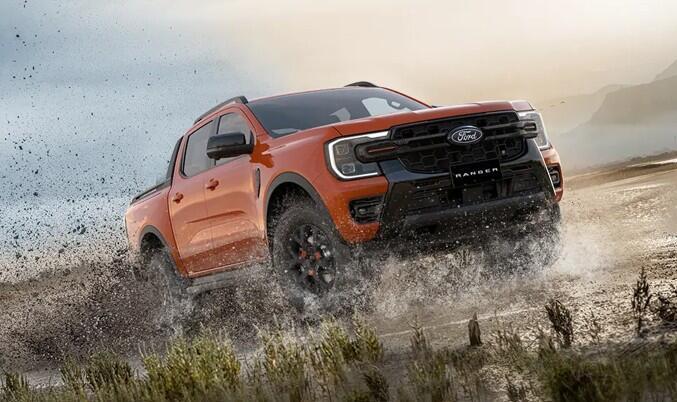
The Ford Ranger is almost impossible to ignore on New Zealand roads. We see it hauling tools through Auckland traffic, towing boats toward the Coromandel, crossing muddy South Island farms, and carrying families on weekend escapes. It is part workhorse, part adventure vehicle, and—depending on the trim—part luxury ute.
But buying one is only the opening chapter. The more important long-term question is: is the Ford Ranger expensive to maintain in New Zealand?
The honest answer is that a Ranger is generally more expensive to maintain than a small hatchback or ordinary family SUV, but it is not necessarily unusually expensive compared with other modern diesel utes. Routine servicing can be predictable, especially on newer vehicles covered by Ford service plans. Costs become less friendly when we add large tyres, diesel emissions equipment, four-wheel-drive hardware, automatic transmission repairs, towing wear, and New Zealand diesel Road User Charges.
In other words, a Ranger is not a cheap pair of running shoes. It is more like a solid pair of work boots: heavier, more capable, and naturally more expensive to keep in shape.
- Is a Ford Ranger Expensive to Maintain in New Zealand?
- How Much Does Ford Ranger Servicing Cost in New Zealand?
- How Often Does a Ford Ranger Need Servicing?
- Dealer Servicing Versus an Independent Workshop
- Do Ford Service Plans Make the Ranger Cheaper to Own?
- Are Diesel Ford Rangers More Expensive to Maintain?
- Ford Ranger DPF Maintenance Costs
- Ford Ranger Tyre Costs in New Zealand
- Are Ford Ranger Brakes Expensive to Replace?
- Automatic Transmission Maintenance and Repair
- Four-Wheel-Drive Components Add Maintenance Costs
- Suspension and Steering Costs
- Does the Ranger V6 Cost More to Maintain?
- Is the Ranger PHEV Cheaper to Maintain?
- How Much Should We Budget Per Year?
- Warrant of Fitness and Registration Costs
- Common Factors That Make a Ranger Expensive
- How to Reduce Ford Ranger Maintenance Costs
- What to Check Before Buying a Used Ford Ranger
- Ford Ranger Maintenance Versus Other Utes
- Is a Ford Ranger Worth the Maintenance Cost?
- Final Verdict: Is the Ford Ranger Expensive to Maintain in New Zealand?
- Frequently Asked Questions
Is a Ford Ranger Expensive to Maintain in New Zealand?
For most private owners, the Ford Ranger sits in the moderate-to-high maintenance-cost category.
It is not usually ruinously expensive when it is serviced correctly, driven sensibly, and purchased with a good history. However, it can become costly when maintenance has been delayed or the vehicle has spent years towing, working on farms, travelling off-road, or completing short diesel-unfriendly trips.
A sensible New Zealand owner should budget for:
- Scheduled servicing
- Diesel Road User Charges
- Warrant of Fitness inspections
- Registration
- Tyres
- Brake pads and rotors
- Battery replacement
- Wheel alignments
- Diesel particulate filter care
- Transmission and driveline maintenance
- Unexpected mechanical or electrical repairs
The Ranger’s size and complexity explain much of the difference. It uses more oil than a small car, wears larger and more expensive tyres, and may contain turbochargers, a diesel particulate filter, four-wheel-drive components, advanced driver-assistance systems, and a sophisticated automatic gearbox.
None of these systems automatically makes the Ranger unreliable. They simply mean there is more machinery to inspect, maintain, and occasionally repair.
How Much Does Ford Ranger Servicing Cost in New Zealand?
There is no single nationwide service price that applies to every Ranger. The final bill depends on the model year, engine, mileage, service level, workshop, location, and parts required.
A basic scheduled service may involve:
- Engine-oil replacement
- Oil-filter replacement
- Fluid checks
- Brake inspection
- Tyre inspection
- Diagnostic scan
- General safety inspection
A larger service may also require:
- Fuel-filter replacement
- Air-filter replacement
- Cabin-filter replacement
- Brake-fluid replacement
- Transmission-fluid work
- Differential or transfer-case oil
- Drive-belt inspection or replacement
- Additional diagnostic work
As of June 2026, Ford New Zealand introduced prepaid servicing options for eligible MY26.5 Ranger and Everest vehicles. At launch, owners could pre-purchase as many as four scheduled services at NZ$499 per service, covering up to five years or 60,000 kilometres, whichever came first. Availability and eligibility depend on the vehicle and purchase arrangement, so owners should confirm the current quotation directly with Ford.
Ford also provides a New Zealand Service Price Calculator, allowing eligible owners to obtain an estimate based on their vehicle and scheduled service.
Typical Ford Ranger Service-Cost Range
Although exact prices vary, owners may encounter the following broad workshop ranges:
| Maintenance item | Approximate NZ cost |
|---|---|
| Basic scheduled service | NZ$400–NZ$650 |
| Larger scheduled service | NZ$650–NZ$1,100+ |
| Fuel-filter replacement | NZ$150–NZ$350 |
| Brake-fluid replacement | NZ$120–NZ$220 |
| Automatic-transmission service | NZ$500–NZ$1,000+ |
| Differential or transfer-case service | NZ$200–NZ$500 |
| Front brake pads | NZ$300–NZ$600 |
| Pads and rotors | NZ$700–NZ$1,400+ |
| Battery replacement | NZ$250–NZ$600 |
| Four all-terrain tyres | NZ$1,200–NZ$2,400+ |
These are planning estimates rather than guaranteed prices. Genuine Ford parts, independent aftermarket parts, labour rates, wheel size, engine type, and regional availability can substantially change the total.
Why Ranger Services Can Cost More Than Expected
A Ranger service invoice can feel surprisingly heavy because diesel engines often require a substantial quantity of the correct oil. Filters may also cost more than those fitted to a small petrol car.
The bill grows further when several scheduled items land at once. An owner expecting only oil and a filter may discover that the vehicle also needs a fuel filter, cabin filter, brake-fluid change, worn brake pads, and a wheel alignment.
One item is manageable. Five arriving together can hit the bank account like a southerly front.
How Often Does a Ford Ranger Need Servicing?
Service intervals vary by Ranger generation, engine and use. Ford advises owners to follow the schedule specified for their particular model, noting that climate and driving conditions may alter servicing requirements.
Many modern Rangers are commonly serviced at approximately 12-month or kilometre-based intervals, whichever comes first. However, we should never assume that every engine follows the same programme.
The correct source is the vehicle’s:
- Owner’s manual
- Service portfolio
- FordPass service information
- Authorised Ford dealer
- Vehicle-specific Ford service calculator
Severe Use May Require More Attention
A Ranger may need closer inspection when it regularly experiences:
- Heavy towing
- Frequent off-road driving
- Dusty rural roads
- Beach driving
- Repeated short journeys
- Long periods of idling
- Commercial use
- Stop-start urban traffic
- Deep-water crossings
- Heavy loads
This matters because 15,000 kilometres of relaxed highway travel is not the same as 15,000 kilometres of towing machinery through steep country. Distance tells only half the story. Workload tells the rest.
Dealer Servicing Versus an Independent Workshop
One of the biggest decisions is whether to use an authorised Ford dealership or an independent mechanic.
Benefits of Ford Dealer Servicing
A Ford dealer may provide:
- Technicians familiar with Ranger systems
- Access to Ford diagnostic equipment
- Genuine Ford parts
- Factory software updates
- Recall and service-campaign checks
- Clear maintenance records
- Warranty-friendly documentation
- Familiarity with model-specific faults
Dealer servicing can be particularly valuable while the vehicle is new, under warranty, or fitted with complex modern electronics.
This content may interest you! Mitsubishi Triton 60000 KM Service Cost New Zealand
Ford New Zealand states that qualifying Ranger models delivered from July 2018 carry a five-year or 150,000-kilometre new-vehicle warranty, subject to the applicable warranty terms.
Benefits of an Independent Mechanic
A good independent diesel or four-wheel-drive specialist may offer:
- Lower labour rates
- More flexible parts choices
- Personalised advice
- Easier discussion with the actual technician
- Strong experience with older Rangers
- Practical repair options rather than automatic replacement
For an older Ranger outside its factory warranty, a trusted independent specialist can reduce ownership costs without sacrificing quality.
The key word is trusted. The cheapest workshop is not always the least expensive in the long run. Incorrect oil, low-quality filters, poor diagnostics, or skipped maintenance can transform a modest saving into a four-figure repair.
Do Ford Service Plans Make the Ranger Cheaper to Own?
A prepaid service plan can make the Ranger’s maintenance costs easier to predict.
Ford describes its prepaid plans as covering specified general services and labour, while excluding additional maintenance items outside the listed service portfolio.
That distinction is important.
A service plan may cover scheduled routine work, but it will not necessarily pay for:
- Worn brake pads
- Damaged tyres
- Wheel alignments
- Replacement batteries
- Accident damage
- Off-road damage
- Clutch replacement
- DPF cleaning outside normal servicing
- Suspension wear
- Unscheduled mechanical failures
A prepaid plan therefore creates certainty, not immunity.
Think of it as paying in advance for the road you know is ahead. Potholes can still appear.
Are Diesel Ford Rangers More Expensive to Maintain?
Most Rangers on New Zealand roads use diesel engines, and diesel ownership comes with particular costs.
A diesel Ranger may require attention to:
- Fuel filters
- Diesel particulate filters
- Turbochargers
- Exhaust-gas recirculation systems
- Diesel injectors
- High-pressure fuel pumps
- Glow plugs
- Emissions sensors
- AdBlue systems on applicable variants
When these components work correctly, they provide strong torque and efficient long-distance performance. When they fail, repairs can be expensive.
The Importance of Clean Diesel Fuel
Modern common-rail diesel systems operate at extremely high pressures. Contaminated fuel or water entering the system can damage injectors and pumps.
Owners who regularly travel through remote areas should be especially cautious about fuel quality. Replacing a fuel filter on schedule may seem unexciting, but it is far cheaper than rebuilding a contaminated fuel system.
Diesel Road User Charges
New Zealand diesel vehicles are also subject to Road User Charges because diesel is not taxed for road use at the pump in the same way as petrol.
RUC is technically an operating cost rather than a maintenance repair, but any realistic Ranger budget must include it. A diesel Ranger can appear economical when we look only at fuel consumption, yet the RUC invoice waits quietly in the background.
Owners should check the latest rates directly through the New Zealand Transport Agency because charges and administrative fees can change.
Ford Ranger DPF Maintenance Costs
The diesel particulate filter, or DPF, traps soot from the exhaust and periodically burns it away through regeneration.
The system usually works best when the vehicle regularly reaches operating temperature and travels at steady road speeds. Problems are more likely when the Ranger completes repeated short trips, school runs, stop-start commutes, or extended idling.
Signs of a DPF Problem
Possible warning signs include:
- DPF warning light
- Engine-management light
- Reduced engine power
- Increased fuel consumption
- Cooling fan running frequently
- Strong exhaust smell
- Repeated regeneration attempts
- Rising engine-oil level
- Limp mode
A forced regeneration or professional DPF clean may cost hundreds of dollars. A severely damaged or blocked unit can cost considerably more to replace.
How We Can Protect the DPF
We can reduce the risk by:
- Following the correct service schedule.
- Using the specified low-ash engine oil.
- Avoiding endless very short journeys.
- Allowing regeneration to finish when safe.
- Investigating warning lights early.
- Repairing faulty sensors, injectors, or EGR components.
- Not assuming a long drive will cure every warning.
A motorway run may help a healthy system complete regeneration. It will not repair a failed pressure sensor, leaking injector, or damaged filter.
Ford Ranger Tyre Costs in New Zealand
Tyres are one of the Ranger’s most noticeable recurring expenses.
A small hatchback may run on modest 15- or 16-inch tyres. Rangers often use larger commercial, highway-terrain, or all-terrain tyres capable of carrying heavier loads.
Depending on brand and wheel size, a complete set may cost approximately NZ$1,200 to more than NZ$2,400.
This content may interest you!Mitsubishi Triton Maintenance Cost New Zealand: Complete Ownership GuidePremium off-road tyres can cost even more.
What Makes Ranger Tyres Wear Quickly?
Tyre life can fall when the vehicle experiences:
- Incorrect tyre pressure
- Poor wheel alignment
- Heavy towing
- High payloads
- Aggressive acceleration
- Frequent gravel-road use
- Off-road terrain
- Irregular rotation
- Worn suspension bushes
- Large aftermarket wheels
Owners sometimes choose aggressive all-terrain or mud-terrain tyres for their appearance, only to discover that they are noisier, heavier, and more expensive than ordinary highway tyres.
A tyre should match the way the Ranger is genuinely used, not merely the way we imagine using it.
Are Ford Ranger Brakes Expensive to Replace?
Brake costs depend heavily on use.
A Ranger carrying little weight on open roads may achieve respectable pad life. A vehicle that frequently tows a caravan, boat, horse float, or equipment trailer can wear brakes much faster.
Replacing front pads alone may be manageable. Replacing pads and rotors across an axle is more expensive, especially when genuine or premium components are selected.
Towing Changes the Equation
Towing generates heat and places more work on:
- Brake pads
- Rotors
- Transmission
- Cooling system
- Suspension
- Tyres
- Wheel bearings
- Differential components
A Ranger may be rated to tow a substantial load, but a towing rating is not a promise of zero additional wear.
The vehicle can do the job. That does not mean the job is free.
Automatic Transmission Maintenance and Repair
Modern Ford Rangers commonly use six-speed or ten-speed automatic transmissions, depending on the generation and engine.
These transmissions can provide smooth performance and improved efficiency, but they are complex units. Fluid condition, software, operating temperature, and maintenance history matter.
Potential Transmission Warning Signs
We should investigate:
- Harsh shifting
- Delayed engagement
- Shuddering
- Gear hunting
- Transmission warning messages
- Fluid leaks
- Clunking when selecting drive or reverse
- Excessive slipping
- Unusual vibration under load
A routine transmission service may cost several hundred dollars. Valve-body, torque-converter, mechatronic, or full transmission repairs can run into several thousand dollars.
That is why a pre-purchase road test is critical when buying a used Ranger. The gearbox should be tested cold, warm, at low speeds, on hills, and under moderate acceleration.
Four-Wheel-Drive Components Add Maintenance Costs
A 4WD Ranger includes more driveline hardware than a two-wheel-drive model.
Depending on the specification, that may include:
- Front differential
- Rear differential
- Transfer case
- Front driveshafts
- Additional universal joints
- Electronic 4WD actuators
- Locking differential components
These parts increase capability but also create more oils, seals, bearings, joints, and electronic controls to maintain.
Off-Road Driving Is Not Mechanically Free
Mud, sand, water, rocks, and corrugations can accelerate wear.
After serious off-road use, we should inspect:
- Underbody damage
- Differential breathers
- CV boots
- Driveshafts
- Wheel bearings
- Brake components
- Suspension bushes
- Fluid contamination
- Cooling systems
Beach driving deserves particular care. Salt and sand can creep into the Ranger like uninvited house guests. Thorough cleaning underneath the vehicle is essential.
Suspension and Steering Costs
The Ranger is designed to carry loads, so an unladen ute can feel firmer than a passenger car. Over time, rough-road driving, large tyres, added accessories, and heavy loads may wear:
- Shock absorbers
- Ball joints
- Tie-rod ends
- Control-arm bushes
- Wheel bearings
- Leaf-spring bushes
- Steering components
Aftermarket bull bars, winches, canopies, drawers, roof tents, and constant loads can also alter suspension behaviour.
A suspension upgrade may be useful, but it should be selected based on actual axle weights. Installing extremely stiff springs merely because they look rugged can create a Ranger that bounces down the road like an empty wheelbarrow.
Does the Ranger V6 Cost More to Maintain?
The 3.0-litre V6 diesel offers strong performance and relaxed towing ability, but it may cost more to own than a smaller four-cylinder Ranger.
Possible reasons include:
- Greater oil capacity
- More complex packaging
- Higher fuel consumption
- More expensive components
- Increased purchase value and insurance
- Higher repair costs if major components fail
However, a V6 is not automatically poor value. For an owner who regularly tows heavy loads, the extra performance may reduce strain and improve the driving experience.
This content may interest you! Are Audi A3 Expensive to Maintain in New Zealand?
The important question is not simply, “Which engine is cheapest?” It is, “Which engine best suits the work we actually do?”
Is the Ranger PHEV Cheaper to Maintain?
Newer Ranger plug-in hybrid variants introduce a different ownership equation.
They may reduce petrol consumption when regularly charged and used for short daily trips, but they also combine:
- A petrol engine
- Electric motor systems
- A high-voltage battery
- Charging hardware
- Cooling circuits
- Power electronics
- A conventional driveline
Regenerative braking may reduce brake wear, and electric operation may lower fuel use. However, long-term maintenance data for newer variants will naturally be less extensive than for established diesel models.
A PHEV makes the most sense when the owner can charge consistently and complete a meaningful portion of daily travel on electricity. Without regular charging, much of the financial advantage may disappear.
How Much Should We Budget Per Year?
A practical annual maintenance allowance depends on age and usage.
New Ranger Under Warranty
For a new or nearly new Ranger driven moderately, an owner might reserve:
- Scheduled servicing: NZ$500–NZ$800
- Tyre and brake allowance: NZ$400–NZ$800
- WOF, registration and minor items: NZ$200–NZ$400
- Unexpected repairs: relatively low, but not zero
A sensible maintenance reserve may therefore be around NZ$1,100 to NZ$2,000 per year, excluding fuel, insurance, depreciation and RUC.
Five- to Eight-Year-Old Ranger
For a middle-aged Ranger:
- Servicing: NZ$500–NZ$1,000
- Tyres and brakes: NZ$500–NZ$1,200
- Battery, suspension and minor repairs: NZ$300–NZ$1,000
- Unexpected repair reserve: NZ$1,000+
A realistic annual allowance may sit around NZ$2,000 to NZ$4,000, although a good year may cost less.
Older or Hard-Working Ranger
An older commercial, towing, farm, or off-road Ranger may require NZ$3,000 to NZ$6,000 or more in a repair-heavy year.
This does not mean every older Ranger consumes thousands annually. It means owners should be financially prepared for items such as injectors, turbochargers, DPF work, transmission faults, suspension repairs, air-conditioning problems, or driveline wear.
Warrant of Fitness and Registration Costs
A light Ranger used privately generally requires a Warrant of Fitness based on the vehicle’s age and applicable New Zealand rules.
NZTA explains that WoF frequency depends on when the vehicle was first registered. Owners should check the current official requirements for their specific vehicle.
The inspection fee itself is usually not the expensive part. The danger lies in what the inspection reveals:
- Tyres below the legal threshold
- Worn suspension joints
- Brake imbalance
- Damaged lights
- Windscreen cracks
- Corrosion
- Seat-belt faults
- Steering play
A failed WoF does not create the fault. It simply shines a torch on a fault that already exists.
Common Factors That Make a Ranger Expensive
The purchase badge alone does not determine the maintenance bill. Usage and history matter more.
Poor Service History
A Ranger with missing invoices, irregular oil changes, or vague “serviced by a mate” claims deserves caution.
Constant Heavy Towing
Towing accelerates wear throughout the driveline, brakes, cooling system and tyres.
Urban Short-Trip Driving
Short journeys can be hard on diesel emissions systems and batteries.
Large Aftermarket Modifications
Oversized wheels, suspension lifts, engine tuning, bull bars, winches and heavy canopies can affect reliability and wear.
Cheap Replacement Parts
Low-grade filters, incorrect fluids and bargain tyres may reduce the immediate invoice while increasing long-term risk.
Ignoring Warning Lights
A small sensor problem can trigger a chain of consequences when ignored. Mechanical issues rarely improve through positive thinking.
How to Reduce Ford Ranger Maintenance Costs
We cannot eliminate maintenance, but we can control much of it.
Follow the Correct Schedule
Do not stretch oil changes simply because the engine still sounds normal.
Use the Correct Oil and Fluids
Modern diesel engines and emissions systems can be sensitive to oil specifications.
Check Tyre Pressure Monthly
Correct pressure improves tyre life, stability, braking and fuel efficiency.
This content may interest you! Are Toyota RAV4 Expensive to Maintain in NZ?
Rotate and Align the Tyres
Regular rotation helps prevent uneven wear, particularly on 4WD models.
Let the Engine Warm Naturally
Drive gently until the oil and coolant reach operating temperature. Long stationary warm-ups are usually unnecessary.
Allow DPF Regeneration
When safe and practical, avoid repeatedly switching off the engine during an active regeneration cycle.
Service the Transmission and Driveline
Do not treat transmission, differential or transfer-case fluids as magical lifetime liquids.
Wash After Beach or Mud Driving
Remove salt, sand and packed mud from the chassis, brakes and suspension.
Investigate Noises Early
A minor wheel-bearing hum is cheaper than a failed bearing and damaged hub.
Keep a Repair Reserve
Set aside a fixed monthly amount. Maintenance feels less painful when it arrives as a planned expense rather than a financial ambush.
What to Check Before Buying a Used Ford Ranger
A careful pre-purchase inspection can save more money than months of bargain hunting.
We should verify:
- Complete service history
- Correct mileage records
- Cold-start behaviour
- Exhaust smoke
- DPF or engine warning lights
- Automatic-transmission operation
- Four-wheel-drive engagement
- Differential noises
- Coolant condition
- Engine-oil level
- Injector correction values where appropriate
- Tyre wear patterns
- Suspension and steering play
- Underbody impact damage
- Towbar and signs of heavy towing
- Rust or salt exposure
- Electrical functions
- Outstanding recalls or campaigns
- Evidence of tuning or modification
- Independent mechanical inspection
Look Beyond the Polished Paint
A freshly detailed Ranger can look heroic under dealership lights. That tells us little about the transmission fluid, DPF loading, injector condition, or towing history.
The best used Ranger is not necessarily the one with the fewest kilometres. It is often the one with the clearest history and the most attentive previous owner.
Ford Ranger Maintenance Versus Other Utes
Compared with competitors such as the Toyota Hilux, Isuzu D-Max, Mitsubishi Triton, Nissan Navara and Volkswagen Amarok, the Ranger is not automatically the most expensive ute to maintain.
Every modern ute has trade-offs:
- Some have cheaper routine servicing.
- Some use simpler drivetrains.
- Some have stronger resale values.
- Some offer longer service intervals.
- Some have more affordable aftermarket parts.
- Some may cost more when major components fail.
The Ranger benefits from strong popularity in New Zealand. That popularity supports parts availability, technician familiarity, independent specialists, and a large used-parts market.
However, popular does not mean inexpensive. High-spec Rangers can carry premium-sized wheels, advanced electronics and expensive replacement components.
Is a Ford Ranger Worth the Maintenance Cost?
For the right owner, yes.
The Ranger can deliver:
- Strong towing ability
- Good load-carrying practicality
- Broad model choice
- Comfortable long-distance travel
- Family-friendly cabin space
- Strong parts and service support
- Serious off-road capability
- Good resale demand
For an owner who genuinely needs these abilities, the maintenance cost can be justified.
For someone who mainly travels alone through city traffic and never carries, tows, or explores beyond sealed roads, a Ranger may be an unnecessarily expensive tool. Buying a large ute for small-car duties is like using a chainsaw to trim a houseplant. It works, but efficiency is not the point.
Final Verdict: Is the Ford Ranger Expensive to Maintain in New Zealand?
Yes, the Ford Ranger can be relatively expensive to maintain in New Zealand compared with a conventional passenger car. Larger tyres, diesel systems, Road User Charges, heavy-duty brakes, complex transmissions, and four-wheel-drive components all increase the ownership budget.
However, the Ranger is not necessarily excessively expensive within the ute category.
A newer vehicle with a prepaid service plan, factory warranty, sensible driver and suitable usage can deliver fairly predictable costs. An older, modified, heavily towed or poorly serviced example can become a financial headache surprisingly quickly.
The smartest approach is to calculate the full cost before buying. We should include routine servicing, RUC, tyres, brakes, registration, WoF inspections, insurance, fuel and a repair reserve.
When maintained correctly, the Ranger remains a capable and practical New Zealand ute. It simply expects an ownership budget that matches its size and ability.
Frequently Asked Questions
1. How much does a Ford Ranger service cost in New Zealand?
A routine Ranger service may broadly cost around NZ$400 to NZ$650, while a major service can rise to NZ$650–NZ$1,100 or more. Exact prices depend on the model, engine, workshop, mileage and replacement items. Eligible newer Rangers may have access to Ford prepaid service plans.
2. Are Ford Ranger parts expensive in New Zealand?
Some genuine Ford parts can be expensive, particularly electronic modules, emissions components, transmission parts and large brake components. However, the Ranger’s popularity means aftermarket and used parts are widely available for many generations.
3. Which Ranger costs the least to maintain?
A standard, unmodified two-wheel-drive or four-cylinder model will generally have fewer potential expenses than a highly equipped V6, Raptor, or heavily modified 4WD. Condition and maintenance history remain more important than trim level alone.
This content may interest you! Ford Ranger Years to Avoid in New Zealand: A Used-Buyer’s Guide
4. Is a diesel Ranger economical in New Zealand?
A diesel Ranger can be economical on longer journeys and when towing, but fuel consumption is only part of the calculation. Owners must also include RUC, servicing, diesel-filter maintenance and possible emissions-system repairs.
5. How can we avoid expensive Ranger repairs?
Follow the correct service schedule, use approved fluids, keep the fuel system clean, monitor tyre pressure, maintain the transmission and driveline, allow DPF regeneration, inspect the vehicle after off-road use, and investigate warning lights immediately.
Leave a Reply