
Ford Ranger 3.2 Engine Problems: Common Faults, Symptoms, and Solutions
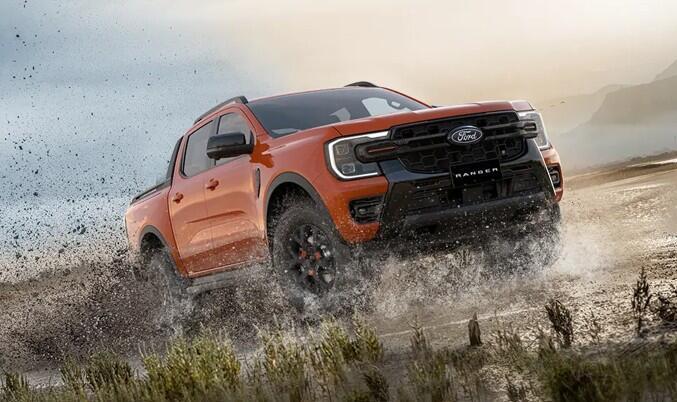
The Ford Ranger 3.2 has earned a strong reputation as a capable workhorse. It can tow, haul, tackle rough tracks, and cruise comfortably on the motorway. Its five-cylinder diesel engine also has a character that smaller four-cylinder units struggle to match. It sounds purposeful, pulls strongly from low revs, and generally feels as solid as a toolbox.
However, no engine is indestructible.
As Ford Ranger 3.2 models age and accumulate mileage, owners may encounter problems involving the cooling system, turbocharger, exhaust gas recirculation system, diesel particulate filter, fuel injection equipment, sensors, and lubrication system. Some issues are relatively inexpensive to correct. Others can become painfully costly when warning signs are ignored.
In this guide, we will examine the most frequently discussed Ford Ranger 3.2 engine problems, explain the symptoms behind them, and explore practical ways to reduce the risk of major damage.
The exact equipment, fluid capacity, emissions system, and service requirements can differ by model year and market. Ford documentation, for example, lists different oil capacities for certain 3.2-litre applications, so owners should always verify specifications using the manual linked to their vehicle identification number rather than relying on a universal figure.
- Understanding the Ford Ranger 3.2 Diesel Engine
- Is the Ford Ranger 3.2 Engine Reliable?
- Most Common Ford Ranger 3.2 Engine Problems
- 1. EGR Valve Problems
- 2. Diesel Particulate Filter Blockage
- 3. Turbocharger Problems
- 4. Intercooler and Boost-Hose Leaks
- 5. Fuel Injector Problems
- 6. High-Pressure Fuel-Pump Problems
- 7. Cooling-System Leaks
- 8. Ford Ranger 3.2 Overheating Problems
- 9. Oil-Pump Priming Concerns After an Oil Change
- 10. Excessive Oil Consumption
- 11. Crankshaft and Internal Engine Failure
- 12. Sensor and Electrical Problems
- 13. Hard Starting or Failure to Start
- 14. Black, White, and Blue Smoke
- 15. Limp Mode and Loss of Power
- How Much Do Ford Ranger 3.2 Engine Repairs Cost?
- How to Prevent Ford Ranger 3.2 Engine Problems
- What to Check Before Buying a Used Ranger 3.2
- When Should We Stop Driving?
- Final Thoughts on Ford Ranger 3.2 Engine Problems
- Frequently Asked Questions
Understanding the Ford Ranger 3.2 Diesel Engine
The Ranger 3.2 uses Ford’s 3.2-litre Duratorq TDCi five-cylinder turbo-diesel engine. It appeared in several versions of the Ranger, particularly PX-generation models sold in markets such as Australia, South Africa, New Zealand, the United Kingdom, Asia, and parts of Latin America.
Its design gives the Ranger generous low-speed pulling power, which is one reason it became popular among drivers who tow caravans, carry tools, travel off-road, or simply prefer a larger diesel engine.
Yet that heavy-duty ability can create a misleading impression. Owners sometimes assume that because the engine is large and muscular, it can tolerate neglected servicing, poor-quality fuel, incorrect oil, constant short journeys, or repeated overheating.
It cannot.
Modern turbo-diesel engines depend on closely controlled fuel pressure, oil quality, exhaust temperatures, airflow readings, and coolant circulation. When one part of that chain weakens, the problem can ripple through the engine like a loose thread pulling apart a jumper.
Is the Ford Ranger 3.2 Engine Reliable?
Generally, the Ford Ranger 3.2 can deliver high mileage when it receives consistent maintenance and is operated correctly. Plenty of examples remain in daily use as commercial vehicles, towing vehicles, and family pickups.
However, reliability depends heavily on four factors:
- Previous maintenance quality
- Driving conditions
- Modification history
- How quickly faults were repaired
A Ranger that has received regular oil changes, correct coolant, clean fuel, and prompt repairs may be far less troublesome than a lower-mileage example with an incomplete service history.
We should therefore avoid asking only, “Is the 3.2 reliable?”
A better question is, “Has this particular 3.2 been maintained well?”
Most Common Ford Ranger 3.2 Engine Problems
The most widely reported trouble areas include:
- EGR valve and intake contamination
- DPF blockage or failed regeneration
- Turbocharger and boost-control faults
- Injector and fuel-system problems
- Cooling-system leaks and overheating
- Oil-pump priming concerns after servicing
- Sensor and wiring faults
- Intercooler or boost-hose leaks
- Excessive oil consumption
- Crankshaft or internal engine damage in severe cases
Not every Ranger will experience these faults. Some symptoms also overlap, which means replacing parts based on guesswork can become an expensive game of darts.
Proper diagnosis matters.
1. EGR Valve Problems
The exhaust gas recirculation valve, usually shortened to EGR valve, redirects a controlled amount of exhaust gas back into the intake. This helps reduce certain emissions, but it also introduces soot into the intake system.
Oil vapour from the crankcase ventilation system can mix with that soot and create thick, sticky deposits. Over time, the valve may stick or the intake passages may become restricted.
Symptoms of a Faulty EGR Valve
Typical signs may include:
- Rough idling
- Hesitation during acceleration
- Reduced power
- Increased fuel consumption
- Excessive black smoke
- Engine warning light
- Limp mode
- Uneven throttle response
A contaminated EGR system can make the Ranger feel as though it is breathing through a dusty cloth. The engine may still run, but it cannot respond as cleanly or efficiently as it should.
Can the EGR Valve Be Cleaned?
In some cases, carbon deposits can be cleaned from the valve and related intake passages. Cleaning is most likely to help when contamination is the main issue and the valve’s electrical mechanism remains functional.
Replacement may be necessary when:
- The actuator has failed
- Position readings are incorrect
- The valve is physically damaged
- Cleaning does not restore normal operation
- The fault returns shortly after cleaning
We should not assume that every EGR-related fault code automatically means the valve itself is defective. Wiring damage, airflow-sensor errors, vacuum problems, or intake restrictions can sometimes create similar symptoms.
2. Diesel Particulate Filter Blockage
Some Ford Ranger 3.2 versions are fitted with a diesel particulate filter, commonly called a DPF. Its job is to capture soot from the exhaust and periodically burn it away through a process known as regeneration.
DPF trouble often appears in vehicles that spend most of their time completing short, slow journeys. The exhaust may not remain hot enough for regeneration to finish successfully.
Ford’s own guidance for DPF-equipped vehicles explains that manual regeneration may be required when the information display requests it and normal driving conditions do not allow effective automatic regeneration.
Signs of a Blocked DPF
Possible symptoms include:
- DPF warning light
- Engine management light
- Reduced power
- Limp mode
- Higher fuel consumption
- Frequent cooling-fan operation
- Strong, hot exhaust smell
- Rising engine-oil level
- Regeneration occurring unusually often
A blocked DPF is not merely an exhaust inconvenience. Repeated failed regenerations may contribute to fuel dilution of the engine oil, depending on the system and operating conditions.
Why Short Trips Cause Problems
During a short journey, the engine may warm up, but the exhaust system might not remain hot for long enough to complete regeneration. Switching the engine off repeatedly during active regeneration can interrupt the process.
One interrupted regeneration is unlikely to destroy the system. A long pattern of incomplete cycles, however, can gradually fill the filter.
How to Reduce DPF Trouble
Owners of DPF-equipped Rangers can reduce risk by:
- Following the owner’s manual instructions
- Avoiding endless short trips where possible
- Allowing regeneration to finish
- Repairing faulty sensors promptly
- Using the specified low-ash engine oil
- Investigating repeated regeneration instead of ignoring it
A forced regeneration may help when soot loading remains within an acceptable range. It will not repair a cracked filter, defective pressure sensor, failed temperature sensor, leaking injector, or engine that produces excessive soot.
3. Turbocharger Problems
The turbocharger works hard in the Ranger 3.2. It spins at extremely high speed and depends on a steady supply of clean engine oil.
Turbo failures are not always caused by the turbo itself. A leaking hose, sticking actuator, damaged sensor, intake restriction, or exhaust-system fault may produce similar symptoms.
Common Turbo-Failure Symptoms
Watch for:
- Whistling, siren-like, or grinding noises
- Blue or grey exhaust smoke
- Poor acceleration
- Sudden loss of boost
- Limp mode
- Oil around turbo pipes
- Increased oil consumption
- Underboost or overboost fault codes
A light film of oil inside intake hoses does not automatically confirm turbo failure. Diesel intake systems can contain some oil mist from crankcase ventilation. Heavy pooling, rapid oil loss, shaft damage, or smoke requires much closer inspection.
What Causes Turbo Damage?
Potential causes include:
- Extended oil-change intervals
- Incorrect oil
- Low engine-oil level
- Restricted oil supply
- Contaminated oil
- Air-filter neglect
- Foreign-object damage
- Boost leaks
- Excessive exhaust restriction
- Poor-quality replacement parts
- Aggressive tuning
The turbo is like the engine’s lungs under pressure. If its oil supply is dirty or restricted, damage can develop quickly.
Protecting the Turbocharger
Good habits include:
- Using the correct oil specification
- Changing oil and filters on schedule
- Checking the oil level regularly
- Avoiding heavy acceleration immediately after a cold start
- Allowing temperatures to stabilise after severe towing or climbing
- Repairing boost leaks promptly
There is no need to leave every modern turbo-diesel idling for long periods after ordinary driving. However, after sustained heavy load, a brief period of gentler driving before shutdown can help temperatures settle.
4. Intercooler and Boost-Hose Leaks
Not every loss-of-power complaint leads to an expensive turbo replacement. Sometimes the culprit is a split intercooler hose, loose clamp, cracked pipe, or leaking intercooler.
When pressurised air escapes, the engine receives less air than expected. The control system may reduce performance or record a boost-related fault.
Symptoms of a Boost Leak
Common clues include:
This content may interest you! Ford Ranger Bi-Turbo Problems: Common Faults, Symptoms, and Solutions
- Hissing under acceleration
- Reduced power
- Black smoke
- Oil mist around hose joints
- Slow turbo response
- Limp mode
- Underboost fault code
- Engine warning light
A workshop may use a smoke test or pressure test to locate the leak. Visual inspection can find obvious splits, but small leaks sometimes open only when the hose expands under boost.
Why Boost Leaks Should Not Be Ignored
Continuing to drive with a boost leak may cause:
- Poor fuel economy
- Excessive smoke
- Higher exhaust temperatures
- Increased turbo workload
- DPF loading
- Unpredictable power delivery
Compared with replacing a turbocharger, repairing a hose can be relatively simple. That is precisely why diagnosis should begin with the basics.
5. Fuel Injector Problems
The Ranger 3.2 uses a high-pressure common-rail injection system. Its injectors must deliver extremely precise quantities of fuel at exactly the right moment.
Dirty fuel, water contamination, excessive wear, electrical issues, or internal injector leakage can disrupt that precision.
Symptoms of Injector Trouble
Possible signs include:
- Difficult starting
- Rough idle
- Diesel knocking
- White, grey, or black smoke
- Uneven acceleration
- Increased fuel consumption
- Loss of power
- Engine warning light
- Fuel smell
- Excessive exhaust temperatures
An injector that overfuels one cylinder can do more than make the engine run badly. In severe cases, excess fuel may wash lubrication from the cylinder wall, dilute the oil, raise combustion temperatures, or contribute to piston damage.
Injector Testing Matters
A proper assessment may include:
- Diagnostic fault-code scan
- Injector correction-value analysis
- Leak-back testing
- Fuel-pressure testing
- Electrical checks
- Compression testing
- Inspection for contamination
Replacing all injectors without evidence can be unnecessarily expensive. Equally, ignoring a badly malfunctioning injector can turn a manageable repair into major engine work.
6. High-Pressure Fuel-Pump Problems
The high-pressure fuel pump supplies diesel to the common rail at very high pressure. Contaminated fuel, water in the system, internal wear, or lubrication problems can damage the pump.
Possible Warning Signs
Symptoms may include:
- Extended cranking
- Failure to start
- Sudden stalling
- Low rail-pressure codes
- Hesitation under load
- Limp mode
- Metallic particles in the fuel system
Metal contamination is particularly serious. If a failing pump sends debris through the fuel system, repairing only the pump may not be enough. The rail, lines, injectors, tank, and filters may require inspection or cleaning.
Fuel Quality Is More Important Than It Looks
Diesel is not just burned by the engine; it also helps lubricate components inside the fuel system. Water, petrol contamination, dirt, or poor-quality fuel can remove that protective margin.
We can reduce risk by buying fuel from reputable, high-turnover stations and replacing the fuel filter at the required interval.
7. Cooling-System Leaks
Cooling-system trouble deserves immediate attention because overheating can damage cylinder heads, gaskets, pistons, bearings, and turbo components.
Potential leakage points include:
- Radiator
- Coolant hoses
- Hose connections
- Expansion tank
- Thermostat housing
- Water pump
- Heater circuit
- EGR cooler
- Cylinder-head gasket
Signs of Coolant Loss
Look for:
- Falling coolant level
- Sweet smell around the engine
- White residue near hose joints
- Wet patches beneath the vehicle
- Heater performance changing
- Temperature fluctuations
- Cooling fan running frequently
- White exhaust vapour after warm-up
- Bubbling in the expansion tank
Coolant does not normally disappear without a reason. Topping it up every few weeks may hide the symptom, but it does not repair the leak.
Never Open a Hot Cooling System
A pressurised cooling system can release boiling coolant and steam. Always allow the engine to cool before opening the expansion tank.
Ford lists a substantial cooling-system capacity for 3.2-litre Ranger applications, but the precise coolant specification and quantity should be confirmed against the correct market and model-year manual.
8. Ford Ranger 3.2 Overheating Problems
An overheating Ranger should be stopped as soon as it is safe to do so. Continuing to tow or climb while the temperature rises can transform a small coolant leak into catastrophic engine damage.
Common Causes of Overheating
Possible causes include:
- Low coolant
- Failed thermostat
- Blocked radiator
- Damaged water pump
- Collapsed hose
- Cooling-fan fault
- EGR-cooler leak
- Head-gasket failure
- Incorrect coolant mixture
- Air trapped after repairs
What Should We Do If It Overheats?
A sensible response is:
- Reduce load and pull over safely.
- Switch off the engine if the temperature remains excessive.
- Do not remove the coolant cap while hot.
- Check for visible leaks after cooling.
- Arrange professional diagnosis.
- Avoid repeatedly restarting an engine that rapidly overheats.
The temperature gauge is not a decoration. When it moves into the danger zone, the engine is sending a flare into the sky.
9. Oil-Pump Priming Concerns After an Oil Change
One issue frequently associated with the Ranger 3.2 involves oil-pump priming after the lubrication system has been drained during servicing.
The concern is not that every oil change automatically causes pump failure. The risk arises when the system loses prime and oil pressure is not restored promptly after refilling.
Why Oil Pressure Matters
Engine oil protects:
- Crankshaft bearings
- Camshafts
- Pistons and cylinder walls
- Turbocharger bearings
- Timing components
- Other moving surfaces
Without pressure, metal parts can run against each other with little protection. Damage may occur rapidly.
Warning Signs After Servicing
After an oil change, pay attention to:
- Oil-pressure warning light staying on
- Unusual rattling
- Ticking or knocking
- Turbo noise
- Delayed oil-pressure build-up
- Immediate engine warning messages
If the oil-pressure light does not extinguish normally, the engine should be switched off and investigated. Revving it in the hope that pressure suddenly appears is a dangerous gamble.
Use the Correct Oil Capacity and Specification
Oil capacities differ among Ford’s published 3.2-litre Ranger documentation. Some manuals list approximately 9.75 litres with a filter, while other applications list around 8.91 litres. That variation is exactly why we should use the specification for the precise vehicle rather than copying a number from a forum or another owner.
Overfilling is not safer than underfilling. Both can create problems.
10. Excessive Oil Consumption
A small amount of oil consumption can occur between services, especially under sustained heavy use. Rapid or increasing oil loss is different and deserves attention.
Potential Causes
These may include:
- External oil leaks
- Turbocharger seal wear
- Piston-ring wear
- Valve-seal wear
- Crankcase ventilation problems
- Incorrect oil grade
- Oil diluted by diesel fuel
- Excessive engine wear
Blue Smoke Is an Important Clue
Blue smoke usually suggests that oil is entering the combustion process. It may be most noticeable:
- On startup
- After idling
- During acceleration
- Under heavy load
- After descending a hill
The timing and colour of the smoke can help a technician narrow down the source.
11. Crankshaft and Internal Engine Failure
Internal engine failure is the nightmare scenario. It can involve damaged bearings, crankshaft problems, piston damage, cylinder scoring, or complete seizure.
These failures are not always spontaneous. They may follow earlier warning signs such as:
- Low oil pressure
- Repeated overheating
- Fuel dilution
- Injector overfuelling
- Turbo failure
- Poor servicing
- Incorrect oil
- Contamination
- Severe tuning stress
Symptoms of Serious Internal Damage
Warning signs include:
- Deep knocking noise
- Metal particles in the oil
- Low oil pressure
- Heavy smoke
- Severe vibration
- Loss of compression
- Engine seizure
- Sudden shutdown
- Failure to crank
When a deep knock appears, continuing to drive is rarely brave or economical. It is usually an invitation for the repair bill to grow.
12. Sensor and Electrical Problems
Modern diesel engines cannot operate correctly without accurate sensor data. A faulty sensor may cause symptoms that feel mechanical even when the engine itself remains healthy.
Important components include:
- Mass airflow sensor
- Manifold pressure sensor
- Crankshaft-position sensor
- Camshaft-position sensor
- Fuel-rail pressure sensor
- Exhaust-temperature sensors
- DPF differential-pressure sensor
- Coolant-temperature sensor
- EGR position sensor
Symptoms of Sensor Failure
These may include:
- Intermittent stalling
- Failure to start
- Limp mode
- Unstable idle
- Reduced power
- Incorrect temperature reading
- Erratic boost
- Warning lights that come and go
Rodent damage, corrosion, poor earth connections, heat-damaged wiring, and loose plugs can imitate a failed sensor. Before replacing expensive components, wiring and connector integrity should be checked.
13. Hard Starting or Failure to Start
A Ford Ranger 3.2 that cranks but does not start may suffer from several different problems.
This content may interest you! Mitsubishi Triton DPF Light Flashing: Causes, Fixes, and What to Do Next
Possible causes include:
- Weak battery
- Slow starter motor
- Air in the fuel system
- Blocked fuel filter
- Low rail pressure
- Injector leakage
- Crankshaft sensor failure
- Camshaft sensor failure
- Immobiliser fault
- Glow-plug problem
- Wiring issue
- Loss of compression
Cold-Starting Problems
Hard cold starts may point toward:
- Glow-plug faults
- Weak battery voltage
- Injector wear
- Low compression
- Incorrect fuel
- Air entering the fuel lines
A diesel engine needs sufficient cranking speed and compression temperature. A battery that sounds merely “a little tired” may be enough to prevent a clean start.
14. Black, White, and Blue Smoke
Exhaust-smoke colour can provide useful clues, although it does not replace diagnosis.
Black Smoke
Black smoke often indicates excessive fuel or insufficient air. Possible causes include:
- Boost leak
- Dirty air filter
- EGR problem
- Injector fault
- Turbo issue
- Intake restriction
- Aggressive tuning
White Smoke
White smoke may result from:
- Unburned diesel during cold starting
- Injector fault
- Low compression
- Coolant entering a cylinder
- Incorrect injection timing
A small amount of vapour on a cold morning can be normal. Thick white smoke from a fully warm engine is another matter.
Blue Smoke
Blue smoke generally points toward burning oil caused by:
- Turbo seal leakage
- Piston-ring wear
- Valve-seal wear
- Excess oil
- Crankcase ventilation problems
The exhaust can be surprisingly talkative. We simply need to understand its language.
15. Limp Mode and Loss of Power
Limp mode is a protective strategy. The engine control system limits performance because it has detected a fault that could affect emissions, drivability, or component safety.
Common triggers include:
- Underboost
- Overboost
- DPF restriction
- EGR malfunction
- Fuel-pressure fault
- Sensor failure
- Excessive engine temperature
- Wiring problem
Restarting the engine may temporarily restore power, but it does not erase the underlying cause.
Do Not Diagnose Limp Mode by Guesswork
The first step should be reading stored diagnostic trouble codes and live data. A code identifies the system that detected an abnormal condition; it does not always identify the exact failed part.
For example, an underboost code might be caused by:
- Split hose
- Loose clamp
- Faulty actuator
- Turbo wear
- Intake restriction
- Exhaust restriction
- Sensor error
Replacing the turbo first would be an expensive way to discover a cracked hose later.
How Much Do Ford Ranger 3.2 Engine Repairs Cost?
Repair costs vary widely by country, labour rate, model year, parts availability, and the extent of damage.
Relatively modest repairs may include:
- Sensor replacement
- Hose replacement
- Fuel-filter replacement
- EGR cleaning
- Wiring repair
More expensive jobs may include:
- Injector replacement
- DPF replacement
- Turbocharger replacement
- High-pressure pump repair
- Cylinder-head work
- Complete engine replacement
The earlier we investigate a symptom, the more likely we are to catch the problem while it remains contained.
A leaking hose is cheaper than a turbo. A faulty injector is cheaper than a damaged piston. A coolant leak is cheaper than a cylinder head.
How to Prevent Ford Ranger 3.2 Engine Problems
Prevention cannot eliminate every mechanical failure, but it can shift the odds dramatically in our favour.
Follow a Sensible Maintenance Routine
Key habits include:
- Change engine oil and filters at the specified interval.
- Use the correct oil specification.
- Check oil and coolant levels regularly.
- Replace the fuel filter on schedule.
- Use reputable diesel fuel.
- Investigate warning lights quickly.
- Allow DPF regeneration to complete.
- Repair boost leaks and coolant leaks promptly.
- Keep the cooling system clean and correctly filled.
- Avoid aggressive tuning without supporting modifications.
- Keep complete service records.
Shorten Intervals Under Severe Use
Vehicles used for towing, mining, dusty roads, repeated idling, stop-start work, or short urban trips may benefit from more conservative maintenance intervals.
The owner’s manual should remain the starting point, but operating conditions matter. An engine pulling a caravan through summer heat lives a different life from one cruising lightly on an open road.
Check the Oil Level Properly
For a reliable reading:
- Park on level ground.
- Follow Ford’s recommended waiting procedure.
- Remove and wipe the dipstick.
- Reinsert it fully.
- Check the level again.
- Add only the correct oil if needed.
- Avoid exceeding the maximum mark.
A rising oil level can be as concerning as a falling one because it may indicate fuel dilution.
What to Check Before Buying a Used Ranger 3.2
A used Ranger can look polished while hiding an expensive history. Before buying, inspect more than the paint and tyres.
Review the Service History
Look for evidence of:
- Regular oil changes
- Correct oil specification
- Fuel-filter replacement
- Cooling-system repairs
- Injector work
- Turbo replacement
- DPF-related repairs
- Recall or campaign completion
- Consistent mileage records
Inspect the Engine When Cold
Ask the seller not to warm the vehicle before your arrival. A cold start can reveal:
- Slow cranking
- Injector rattle
- White smoke
- Timing-related noise
- Rough idle
- Battery weakness
- Glow-plug problems
Perform a Diagnostic Scan
Even when no warning light is visible, a scan may reveal:
- Stored faults
- Recently cleared codes
- DPF loading
- Fuel-pressure irregularities
- Injector correction values
- Sensor inconsistencies
- Boost-control issues
Arrange an Independent Inspection
A specialist inspection may seem expensive until we compare it with the price of an engine, turbocharger, fuel system, or DPF.
The best used Ranger is not necessarily the cheapest one. It is the one whose condition and history make sense together.
When Should We Stop Driving?
Stop the engine and seek assistance when you notice:
- Oil-pressure warning light
- Severe overheating
- Deep knocking
- Rapid coolant loss
- Heavy blue smoke
- Engine runaway
- Metallic grinding
- Sudden oil loss
- Severe fuel leak
- Repeated stalling in traffic
Some warnings allow cautious travel to a workshop. Others demand immediate shutdown.
When oil pressure or temperature is involved, optimism is not a repair strategy.
Final Thoughts on Ford Ranger 3.2 Engine Problems
The Ford Ranger 3.2 is neither a flawless mechanical superhero nor a guaranteed disaster. It is a powerful, complex turbo-diesel that responds well to correct servicing and poorly to neglect.
Its most common trouble areas involve the EGR system, DPF, turbocharger, intercooler hoses, injectors, high-pressure fuel system, cooling system, sensors, and lubrication system. Many of these issues begin with subtle warnings: a slight hesitation, an occasional puff of smoke, a falling coolant level, or a warning light that disappears after restarting.
Those signals matter.
When we investigate them early, the Ranger may need only a hose, sensor, cleaning procedure, or small repair. When we ignore them, the same fault can snowball into turbo damage, DPF failure, overheating, or major internal engine work.
The smartest approach is simple: use the correct fluids, service the vehicle consistently, scan warning lights promptly, and never continue driving through low oil pressure or severe overheating.
Treat the 3.2 like the hard-working machine it is, and it can remain a dependable partner rather than an expensive driveway ornament.
Frequently Asked Questions
1. What is the most common Ford Ranger 3.2 engine problem?
There is no single fault affecting every vehicle, but EGR contamination, boost-hose leaks, DPF issues on equipped models, cooling-system leaks, and fuel-injection problems are frequently associated with poor running or warning lights. The actual cause should be confirmed through fault-code scanning and physical inspection.
2. How long can a Ford Ranger 3.2 engine last?
Engine life depends more on maintenance and use than on a fixed mileage number. A well-serviced Ranger used sympathetically may cover substantial mileage, while a neglected or overheated engine can fail much earlier. Service records and current mechanical condition are more useful than the odometer alone.
3. Why is my Ford Ranger 3.2 losing power?
Loss of power may result from a split boost hose, turbo-control fault, blocked DPF, contaminated EGR valve, fuel-pressure issue, injector problem, dirty air filter, or faulty sensor. Reading diagnostic codes and checking live boost and fuel data is the best starting point.
4. Can I drive my Ranger with the engine warning light on?
A steady warning light may allow cautious driving for diagnosis when the vehicle runs normally, but this depends on the fault. Stop driving if the light is accompanied by overheating, low oil pressure, heavy smoke, severe knocking, flashing warnings, or major loss of power.
This content may interest you!Problems with Mitsubishi Triton: Common Faults Across All Model Years5. Is the Ford Ranger 3.2 expensive to repair?
Minor sensor, hose, wiring, or cleaning repairs may be manageable. Turbocharger, injector, high-pressure pump, DPF, cylinder-head, and complete-engine repairs can be expensive. Early diagnosis is the best defence against a large bill.
Leave a Reply