
How to Prevent Rust on Cars in New Zealand
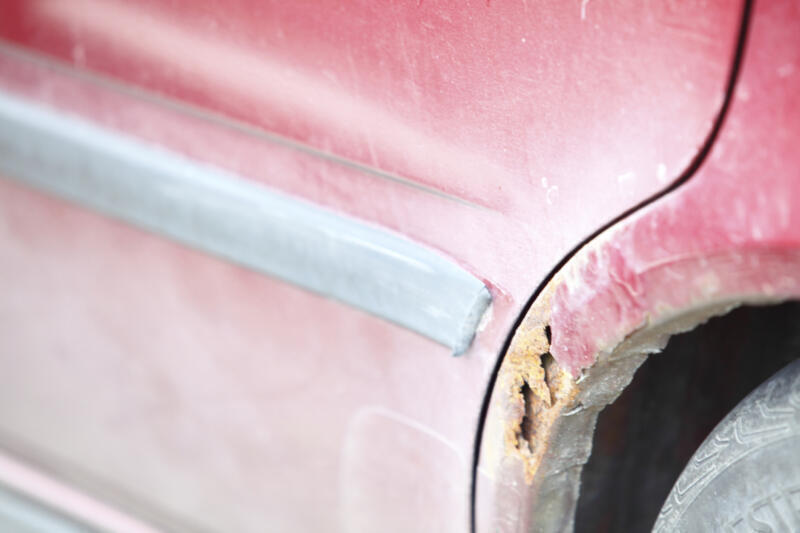
New Zealand’s coastal climate, high humidity, and frequent rainfall create an ideal environment for rust to form on vehicles. From the salty sea spray in coastal cities to the damp conditions in inland regions, car owners face a constant battle against corrosion.
Rust not only diminishes a vehicle’s appearance but can compromise its structural integrity, leading to costly repairs.
Understanding the specific rust triggers in New Zealand such as road salt in winter and acidic bird droppings is crucial. This article explores practical, region-specific strategies to prevent rust, helping you protect your car’s longevity and maintain its value in this challenging environment.
Essential Strategies for Preventing Rust on Cars in New Zealand
New Zealand's unique climate, with high humidity, coastal salt spray, and frequent rain, makes cars particularly vulnerable to rust. Preventing corrosion requires a proactive approach that addresses both environmental factors and vehicle maintenance.
One of the most effective methods is regular washing and waxing to remove salt and dirt, combined with applying a protective coating like underbody sealant or rust inhibitor. Additionally, ensuring your car is stored in a dry, covered area, such as a garage or carport, significantly reduces moisture exposure.
Checking for stone chips and scratches and touching them up with paint promptly can also stop rust from taking hold. Finally, consider using dehumidifiers or silica gel packs inside the cabin to control humidity, especially during New Zealand's damp winter months.
Why New Zealand's Climate Accelerates Car Rust
The country's coastal environment is a major culprit, as salt-laden sea spray from winds settles on vehicles and accelerates electrochemical corrosion. High rainfall, particularly in cities like Auckland and Wellington, keeps surfaces moist, while humidity levels often exceed 70% year-round, creating ideal conditions for rust to develop.
Road grit from gravel roads or winter gritting in colder regions also traps moisture against the undercarriage. This combination means that without intervention, even a well-maintained car can begin rusting within a few years, especially on exposed metal parts like the chassis, wheel wells, and door edges.
This content may interest you! How New Zealand's Climate Affects Your Vehicle
How to Choose the Best Rust Prevention Products for New Zealand Roads
When selecting rust prevention products, look for underbody sealants that are flexible and water-resistant, such as those based on wax or bitumen, and apply them annually. For paint protection, ceramic coatings or durable wax provide a barrier against salt and UV rays.
Interior solutions include cavity wax sprays for hollow sections like door sills and frame rails, while electronic rust modules are popular but lack scientific backing in NZ's humid conditions. Always opt for products tested in local conditions, and consider professional applications for hard-to-reach areas like the undercarriage and engine bay.
Step-by-Step Maintenance Routine to Keep Rust at Bay
Start with a fortnightly wash using a pH-neutral car shampoo, focusing on the undercarriage, wheel arches, and lower panels. After washing, dry the car thoroughly with microfiber cloths, paying attention to crevices like door jambs and the boot lip. Every three months, apply a high-quality wax or sealant, and inspect the car for stone chips, scratches, or exposed metal.
Touch up any damage with matching paint or clear touch-up pens. During New Zealand's wet season, use a dehumidifier in the garage or a waterproof car cover outside, and avoid parking under trees where sap and bird droppings can damage the paint. Once a year, have a professional inspect the undercarriage for hidden rust and reapply underbody protection.
| Prevention Method | Frequency | Key Benefit | Cost (NZD) |
|---|---|---|---|
| Underbody sealant spray | Annually | Protects chassis from salt spray | $50–$150 |
| Ceramic coating or wax | Every 6 months | Barrier against moisture and UV | $60–$200 |
| Touch-up paint for chips | As needed | Prevents rust from spreading | $20–$40 |
| Garage dehumidifier | Continuous use | Reduces interior humidity | $150–$400 |
Understanding New Zealand's Unique Climate Challenges for Car Rust Prevention
New Zealand's coastal environment, high humidity, and frequent rainfall accelerate corrosion on vehicles, especially in areas like Auckland and Wellington where salt-laden air is common. Road salt used during winter in the South Island further exacerbates rust on undercarriages and brake lines.
Regular washing and applying protective wax coatings are essential countermeasures, but targeted inspections of hidden cavities like door sills and wheel arches are critical to catch early oxidation before it spreads.
Regular Undercarriage Washing After Coastal Drives
After driving near beaches or in salty conditions, immediately rinse the underbody with a high-pressure hose to remove salt deposits and mud that trap moisture.
Use a dedicated underbody spray with corrosion inhibitors, focusing on suspension components and exhaust pipes. Avoid waiting more than 24 hours, as salt crystallizes and accelerates electrochemical corrosion.
This content may interest you! Most Popular Cars in New Zealand and Why
Applying Anti-Rust Coatings to Vulnerable Areas
Use lanolin-based sprays or rubberized undercoating on exposed metal parts like frame rails and fuel tank straps. For panel gaps and around bolts, apply cavity wax using an extension nozzle to ensure coverage inside sealed sections.
Reapply coatings every 6-12 months, especially before winter months when road salt use increases.
Inspecting and Sealing Paint Chips and Scratches
Touch up any exposed metal immediately using factory-matched paint or clear nail polish for small chips. Rust converters can neutralize existing oxidation before sealing. Pay extra attention to hood edges, door edges, and areas near mud flaps where gravel impacts are frequent. Use a magnifying glass to spot tiny fissures that may hide moisture.
Clear debris from drain holes in doors, rocker panels, and sunroof channels to prevent water pooling. Use a flexible brush or compressed air to remove leaves and dirt. Check trunk seals and windshield gaskets for cracks that allow water intrusion. Install drain valves if water accumulates during heavy rain.
Storing the Car Indoors or Using Breathable Covers
Park in a garage or under a carport to shield from rain and dew. Use breathable fabric covers instead of plastic ones that trap condensation. For long-term storage, place silica gel packs inside the cabin to reduce humidity. Consider dehumidifiers in enclosed garages in high-humidity regions like Tauranga.
Frequently Asked Questions
What are the main causes of rust on cars in New Zealand?
Rust in New Zealand primarily stems from coastal salt spray, high humidity, and road salt used in alpine areas during winter. Proactive washing is critical rinse your car weekly, especially undercarriage and wheel wells, to remove corrosive residues. Park in a garage or use a breathable car cover to reduce moisture exposure.
How often should I wash and wax my car to prevent rust?
Wash your car every two weeks in coastal regions, with extra focus on the underbody. Use a pH-neutral soap and apply a high-quality wax every three months to seal paint from moisture and salt. In winter or near beaches, increase washing frequency to weekly, and dry thoroughly to prevent water spots.
What rust-proofing treatments are effective for New Zealand conditions?
Professional rust-proofing services using lanolin-based sprays are popular, applied annually to cavity and underbody areas. DIY products like fish oil sprays or electronic rust inhibitors can supplement protection. For optimal results, treat your car before winter and after any coastal trip, ensuring coatings reach hard-to-access seams.
This content may interest you! What Makes a Good Daily Driver in New Zealand?
Can I detect rust early on my car in New Zealand?
Yes, inspect monthly during washes—look for bubbling paint, discoloration, or rough spots on panels, edges, and undercarriage. Check drain holes and rubber seals. Use a flashlight on wheel wells and suspension components. Treat any suspected rust immediately with sanding, rust converter, and touch-up paint.
Leave a Reply