
How Often Should You Replace Engine Air Filters?
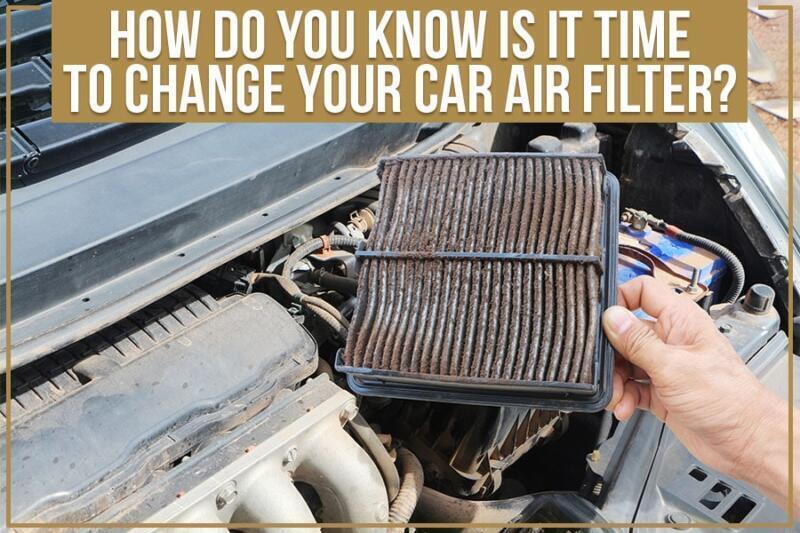
The engine air filter is a critical yet often overlooked component of vehicle maintenance, directly impacting performance, fuel efficiency, and engine longevity. While many drivers know to change their oil regularly, the air filter's replacement schedule remains ambiguous, with recommendations varying widely based on driving conditions, vehicle type, and manufacturer guidelines.
Operating a vehicle with a clogged or dirty air filter can restrict airflow, causing the engine to work harder and potentially leading to reduced horsepower or increased emissions.
Understanding the optimal interval for replacement is essential to balance cost, convenience, and engine health, ensuring your vehicle runs smoothly without unnecessary strain or premature wear.
How Often Should You Replace Engine Air Filters?
The frequency for replacing your engine air filter depends on your driving conditions and vehicle manufacturer recommendations. Generally, most manufacturers suggest replacing the engine air filter every 12,000 to 15,000 miles (about 19,000 to 24,000 kilometers) or once a year, whichever comes first.
However, if you frequently drive in dusty, polluted, or off-road environments, you may need to replace it as often as every 6,000 miles. A clogged air filter restricts airflow to the engine, reducing fuel efficiency and power, while a clean one ensures optimal performance and longevity.
Signs My Engine Air Filter Needs Replacing
Common signs that indicate your engine air filter needs replacing include a noticeable decrease in fuel economy, a rough idle or engine misfire, and reduced acceleration power. If you hear unusual engine sounds like coughing or sputtering, or if the check engine light comes on, a dirty air filter could be the culprit.
Additionally, visually inspecting the filter is easy: hold it up to light, and if you cannot see light passing through the pleats, it is time for a replacement. Black, sooty deposits or excessive dirt are also clear indicators.
Why Is Timely Replacement Important for Engine Performance?
Replacing your engine air filter on time is crucial because it protects your engine from harmful debris and ensures that the proper air-to-fuel ratio is maintained for combustion. A clean filter allows for maximum airflow, which improves horsepower, throttle response, and fuel efficiency by up to 10%.
Conversely, a dirty filter starves the engine of oxygen, causing it to work harder and burn more fuel, potentially leading to carbon buildup on spark plugs and damage to mass airflow sensors. This can result in costly repairs and reduced vehicle lifespan.
This content may interest you! Toyota RAV4 Service Schedule: Complete Maintenance Guide
How Driving Conditions Affect Replacement Frequency
Your driving environment dramatically influences how often you should replace the air filter. If you primarily drive in urban areas with heavy traffic or construction zones, where dust and pollutants are high, you may need a replacement every 6,000 to 10,000 miles.
Drivers in rural or agricultural areas with dirt roads or dusty fields should check and replace the filter even more frequently. Conversely, if you mostly drive on clean highways in moderate climates, you can likely stick to the standard 12,000 to 15,000-mile interval. Always consult your owner's manual for specific guidelines tailored to your vehicle.
| Driving Condition | Recommended Replacement Interval | Key Factor |
|---|---|---|
| Normal Highway Driving | Every 15,000 to 30,000 miles | Low dust and debris exposure |
| Urban/Stop-and-Go Traffic | Every 10,000 to 15,000 miles | Higher pollution and dust levels |
| Off-Road or Dusty Conditions | Every 5,000 to 10,000 miles | Extreme particulate exposure |
The Impact of Driving Conditions on Air Filter Replacement Frequency
While general guidelines suggest replacing engine air filters every 12,000 to 15,000 miles, your specific driving environment plays a crucial role in determining the actual interval. Driving on dusty gravel roads or in heavy urban traffic subjects the filter to far more contaminants, potentially requiring replacement every 5,000 to 8,000 miles.
Conversely, those driving primarily on clean highways in rural areas without excessive pollution may extend the interval to 20,000 miles. Your engine's air intake system relies on a clean filter to maintain proper airflow and fuel efficiency, so observing the local conditions is key to adjusting the replacement schedule accordingly.
How to Check if Your Engine Air Filter Needs Replacing
A visual inspection remains the most straightforward method to determine necessity. Remove the filter from its housing and hold it up to a light source; if you cannot see any light passing through due to heavy dirt or debris, it is clogged and requires immediate replacement.
Additionally, look for dark, oily residues or visible tears in the filter material. A simple test involves tapping the filter on a hard surface if a substantial amount of dirt falls out, it may still be usable, but caked-on debris signals it's time for a new one.
Symptoms of a Dirty Engine Air Filter in Your Vehicle
Ignoring replacement intervals often leads to noticeable performance issues. A reduction in horsepower during acceleration suggests restricted airflow, while decreased fuel economy occurs as the engine compensates by enriching the fuel mixture. You might also detect a rough idle or hear an odd, sucking sound from the engine bay due to airflow obstruction.
In severe cases, the check engine light may illuminate, triggered by sensors detecting abnormal air-fuel ratios. Early detection of these symptoms can prevent more costly repairs.
Manufacturer Recommendations vs. Standard Practices
Your vehicle's owner manual provides the most tailored guidance, often specifying intervals for severe driving conditions versus normal driving conditions. Many modern cars recommend replacement every 30,000 miles under ideal scenarios, but standard practices in the auto industry suggest a more conservative 15,000-mile interval for optimal engine protection.
This content may interest you! When Should You Replace Ford Ranger Shock Absorbers?
Mechanics often advise erring on the side of caution, especially for vehicles operating in climates with high humidity or pollen, as manufacturer recommendations may not account for local environmental factors.
The Role of Disposable vs. Reusable Air Filters in Replacement Frequency
The type of air filter you use directly affects how often you need to replace it. Disposable paper filters are designed to be thrown away and typically last 12,000 to 15,000 miles, offering simplicity and low cost. Reusable cotton or foam filters, found in high-performance setups, can be cleaned and serviced every 30,000 to 50,000 miles, but require diligent maintenance with proper cleaning oil to remain effective.
K&N-style filters, for example, may last the life of the vehicle if cleaned regularly, but failure to maintain them can lead to reduced filtration efficiency, negating the extended lifespan.
Why Seasonal Considerations Matter for Air Filter Replacement
Seasonal changes can accelerate filter degradation, particularly during spring and fall when pollen or leaf debris peaks. Driving in heavy rain can cause moisture buildup inside the air intake, fostering mold growth and reducing filter life. Similarly, winter road salt and sand used for traction can be drawn into the system, clogging the filter faster.
Scheduling a replacement at the start of each season especially before summer when air conditioning increases engine load helps ensure your engine consistently receives clean air for peak performance.
Frequently Asked Questions
How often should you replace your engine air filter?
For most vehicles, the manufacturer recommends replacing the engine air filter every 12,000 to 15,000 miles, or roughly once a year. However, this interval can vary based on driving conditions. If you frequently drive on dusty roads, in heavy traffic, or in polluted urban areas, you may need to replace it as often as every 5,000 to 10,000 miles to maintain optimal engine performance and fuel efficiency.
What are the signs that your engine air filter needs replacing?
Common signs include reduced acceleration, a drop in fuel economy, or a noticeable decrease in engine power. You might also hear unusual engine sounds or see the Check Engine light illuminate. Visually, if the filter appears dark, clogged, or covered with debris when you inspect it, it’s time for a replacement. A dirty filter restricts airflow, forcing the engine to work harder and potentially causing long-term damage.
Does driving in heavy traffic affect how often you should replace the air filter?
Yes, driving in stop-and-go traffic or congested areas exposes the filter to higher concentrations of exhaust fumes, dust, and pollutants. This can clog the filter faster than highway driving in clean conditions. If you primarily drive in heavy traffic or urban environments, consider replacing the engine air filter every 10,000 miles or even sooner, rather than following the standard 12,000-15,000 mile guideline.
Can you extend the life of an engine air filter with regular cleaning or maintenance?
Some reusable aftermarket filters can be cleaned and re-oiled, but standard disposable paper filters cannot be effectively cleaned and must be replaced. For disposable filters, you can extend their lifespan by occasionally tapping out loose debris or using a vacuum with a soft brush attachment. However, this only delays replacement slightly; a visibly dirty or damaged filter should always be replaced promptly to ensure proper airflow and engine protection.
This content may interest you! When to Service Tesla Model Y: The Complete Maintenance Guide for Smart Owners
Leave a Reply