
DIY Maintenance Tips Every Driver Should Know
Owning a car means taking responsibility for its upkeep, but not every task requires a trip to the mechanic. Mastering a few simple do-it-yourself maintenance tips can save you money, extend your vehicle’s lifespan, and boost your confidence on the road.
From checking fluid levels to inspecting tire pressure, these easy skills empower drivers to catch minor issues before they become costly repairs. Whether you are a seasoned enthusiast or a complete beginner, understanding basic car care ensures safer drives and reduces unexpected breakdowns.
This guide covers essential practices every driver should know to maintain their vehicle efficiently and stay prepared for routine maintenance challenges.
Essential DIY Maintenance Tips Every Driver Should Know
Performing basic vehicle maintenance yourself can save significant money and extend the life of your car. By mastering a few key tasks, you can prevent costly repairs, ensure safety, and build confidence in handling minor issues on the road.
How to Check and Change Your Engine Oil
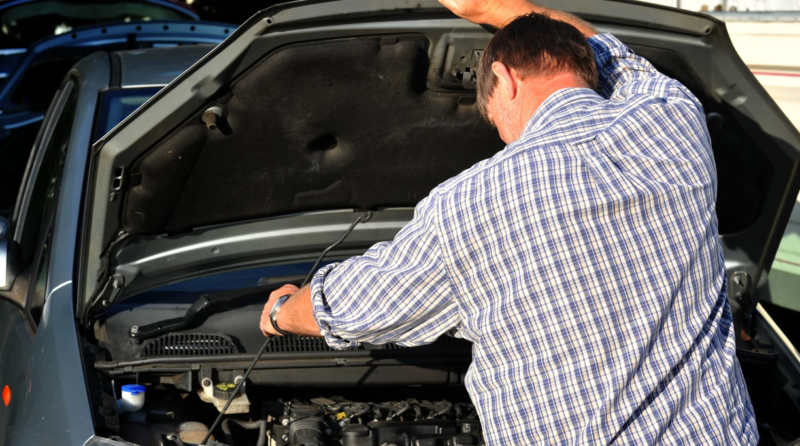
Checking and changing your engine oil is one of the most critical DIY tasks for vehicle longevity. Start by parking on level ground, letting the engine cool, and pulling the dipstick to wipe it clean before reinserting it for an accurate reading. The oil should be between the two marks and have a clear, golden or amber color; if it’s dark, gritty, or smells burnt, it’s time for a change.
To replace it, drain the old oil using a wrench on the drain plug beneath the car, replace the oil filter with a new one lubricated with fresh oil, and refill with the manufacturer-recommended grade using a funnel. Always remember to recycle your used oil at a local auto parts store to prevent environmental damage.
How to Inspect and Replace a Flat Tire Safely
A flat tire can happen anytime, and knowing how to handle it yourself is a crucial skill. First, find a stable, flat surface away from traffic, engage the parking brake, and place wheel chocks behind the other tires. Using the vehicle’s jack, lift the car just enough to remove the flat tire, then loosen the lug nuts with a wrench in a star pattern to avoid warping the brake rotors.
Once the spare is mounted, tighten the lug nuts by hand, lower the car, and then fully torque them in the same star pattern. Never drive on a temporary spare for more than 50 miles and keep your speed under 50 mph, as these tires are not designed for long-term use.
How to Check and Top Off Essential Fluids
Your car relies on several fluids to run smoothly, and regularly inspecting them can prevent overheating, transmission failure, and brake issues. Locate the reservoirs under the hood for coolant, brake fluid, power steering fluid, and windshield washer fluid, each usually marked with easy-to-read symbols.
Check the levels against the minimum and maximum lines when the engine is cold, and ensure the fluid is clear and free of debris or sediment. For topping off, use only the exact fluid type specified in your owner’s manual for example, using the wrong coolant can cause severe engine damage.
Do not open the radiator cap when the engine is hot as the fluid is under high pressure and can cause serious burns.
| Task | Frequency | Key Tool Needed |
|---|---|---|
| Oil Check | Every fuel fill-up | Dipstick |
| Tire Pressure Check | Monthly | Tire gauge |
| Coolant Inspection | Every 6 months | Coolant tester |
| Brake Fluid Check | Twice a year | Flashlight |
Essential Oil Changes: The Foundation of Engine Health
Regular oil changes are the single most critical DIY maintenance task for prolonging engine life. By draining old, dirty oil and replacing it with fresh lubricant, you reduce friction between moving parts, prevent sludge buildup, and keep the engine running at optimal temperatures.
Always use the viscosity grade recommended in your owner's manual, and remember to replace the oil filter with every change to trap contaminants effectively.
This content may interest you! Seasonal Car Maintenance Checklist for Kiwi Drivers
Checking and Topping Off Coolant Levels
Your engine's cooling system relies on a proper coolant mixture to prevent overheating and freezing. Periodically inspect the coolant reservoir when the engine is cold, ensuring the fluid level falls between the "MIN" and "MAX" lines.
Use a 50/50 blend of distilled water and antifreeze for most climates, and look for any signs of discoloration or debris indicating corrosion. Never remove the radiator cap on a hot engine, as pressurized steam can cause severe burns.
Inspecting and Replacing Air Filters
A clean air filter improves fuel efficiency by allowing unrestricted airflow into the engine. Locate the filter housing under the hood usually a black plastic box with metal clips and remove the old filter to check for dirt, leaves, or oil saturation.
Replace it annually or every 12,000 miles, especially if you drive on dusty roads. A clogged filter reduces horsepower and may trigger the check engine light.
Testing and Rotating Tires for Even Wear
Proper tire maintenance enhances safety and extends tread life. Use a tread depth gauge to ensure at least 2/32 of an inch remains, and check for uneven wear indicating alignment issues. Rotate tires every 5,000 to 7,000 miles, following the recommended pattern for your vehicle (e.g., front-to-back or cross rotation).
Maintain the PSI listed on the driver's door sticker, checking pressure monthly when tires are cold.
Replacing Windshield Wiper Blades
Cracked or streaking wiper blades compromise visibility in rain or snow. Lift the wiper arm away from the glass, press the small tab on the blade's connector, and slide the old blade off. Install the new one by snapping it into place until it clicks. Replace blades every six months or whenever they leave streaks, and consider winter-specific blades for icy climates.
Jump-Starting a Dead Battery Safely
A drained battery can leave you stranded, but a jump-start gets you back on the road quickly. Always connect red clamps to the dead battery's positive terminal and the working battery's positive terminal, then attach the black clamp to the working battery's negative terminal and the other black clamp to an unpainted metal surface on the dead car.
Start the working vehicle, let it run for a minute, then try starting the dead one. Remove cables in reverse order immediately after.
Frequently Asked Questions
How often should I check my car's oil level?
Check your engine oil at least once a month and before any long road trip. Park on level ground, wait for a cool engine, then pull and wipe the dipstick clean. Reinsert it fully, pull it out again, and verify the oil level is between the minimum and maximum marks. Topping off only when necessary protects your engine from wear and overheating.
What is the correct way to jump-start a dead battery?
First, park both vehicles close so the jumper cables can reach, but do not let the cars touch. Attach the red clamp to the dead battery's positive terminal, then the other red clamp to the good battery's positive terminal. Connect the black clamp to the good battery's negative, and finally the last black clamp to an unpainted metal part on the dead car. Start the working car, then the dead one.
How do I know when my tires need to be replaced?
Use the penny test. Insert a penny into the tire's tread groove with Lincoln's head pointing down. If the top of his head is completely visible, the tread is too shallow and replacements are needed. Also look for uneven wear, cracks, bulges, or vibration while driving. Tires should be replaced if they're over six years old, regardless of appearance.
What basic tools should every driver keep in their car?
Always carry a good-quality jack and a lug wrench to change flat tires. Pack jumper cables, a flashlight with extra batteries, and a basic multi-tool or screwdriver set. Include a tire pressure gauge, a pair of work gloves, and a reflective warning triangle. For emergencies, add a first-aid kit, bottled water, and a blanket, especially during colder months.
This content may interest you! How to Extend the Life of Your Vehicle
Leave a Reply