
How to Prepare Your Vehicle for Winter in New Zealand
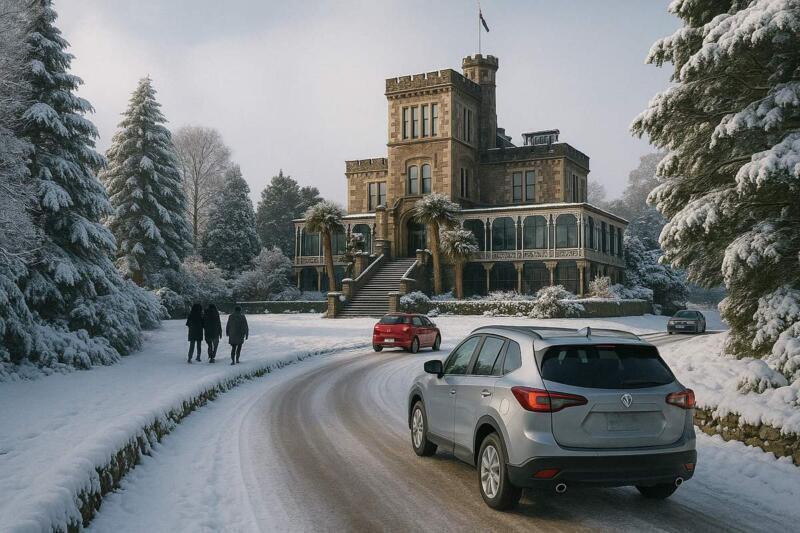
Winter in New Zealand can be unpredictable, from Alpine frost to coastal rains. Preparing your vehicle ensures safety and reliability. Check your battery’s charge, as cold starts drain power faster. Inspect tires for sufficient tread and consider winter-rated ones for icy roads.
Verify that antifreeze levels are correct and your heater functions well. Keep an emergency kit with blankets, a torch, and non-perishable snacks. Also, test lights and wiper blades for optimal visibility. With these steps, you’ll navigate New Zealand’s winter conditions with confidence.
How to Prepare Your Vehicle for Winter in New Zealand
Preparing your vehicle for winter in New Zealand requires a focused approach due to the country’s diverse and often challenging weather conditions, ranging from icy South Island roads to heavy rain in the North. Key areas to address include your car’s mechanical health, visibility, and emergency readiness.
Start by checking your battery, as cold temperatures can significantly reduce its performance. Ensure your tires have adequate tread depth and consider switching to winter tires if you frequently drive in alpine areas. Keeping your fuel tank at least half full prevents condensation and ensures you have enough fuel if you encounter unexpected road closures in remote regions.
Check Your Tires and Traction
Your tires are the critical connection between your vehicle and the road, especially in New Zealand’s winter conditions that can involve black ice, snow, and wet roads. Verify that your tire tread depth is at least 3mm for safety, as the legal minimum of 1.5mm is often insufficient for grip on slick surfaces.
Check your tire pressure regularly, as cold weather causes air to contract and can lead to under-inflated tires, which reduces handling. For those driving in the Southern Alps or Central Otago, carrying snow chains is legally required in some alpine passes during winter, so practice fitting them before you travel.
Inspect Your Battery and Electrical System
New Zealand’s winter mornings can be harsh on car batteries, which lose up to 60% of their starting power in temperatures near freezing. Have your battery tested to ensure it holds a full charge, and clean any corrosion from the terminals using a wire brush. Pay attention to your alternator and starter motor as well; a failure in these components can leave you stranded in a remote area.
Additionally, test all exterior lights headlights, taillights, indicators, and fog lights since shorter days and frequent rain reduce visibility, making it crucial for safety and legal compliance.
This content may interest you! How to Prepare Your Car for a South Island Road Trip
Maintain Essential Fluids and Visibility
Fluid levels are vital for winter driving in New Zealand, so refill your windshield washer fluid with a solution rated for temperatures below freezing to prevent it from icing over. Check your coolant mixture to ensure it provides adequate freeze protection down to at least -10°C, especially if you travel to mountainous regions.
For visibility, replace worn wiper blades that might leave streaks on the glass, and apply a rain-repellent treatment to your windshield. Clean your headlights thoroughly, as dirt and grime can reduce beam effectiveness during dark, rainy winter evenings.
| Component | Winter Checklist Item | Action Required |
|---|---|---|
| Tires | Tread depth | Ensure at least 3mm and check for cracks |
| Battery | Voltage and terminals | Test charge; clean terminals and secure connections |
| Fluids | Coolant and washer fluid | Top up with freeze-resistant products |
| Lights | Headlights and fog lights | Inspect all bulbs and clean lenses |
Essential Battery and Electrical System Checks for Winter Reliability
Cold temperatures in New Zealand can significantly reduce your car battery's performance, often leading to starting failures. Have your battery tested by a professional to ensure it holds a full charge, and clean any corrosion from terminals. Check your alternator and starter motor for optimum function, and replace old or weak batteries before the first frost.
A fully charged battery is critical for powering heaters, lights, and defrosters during short winter days.
Inspect and Maintain Your Tyres for Snow and Ice
Winter roads in New Zealand, especially in the South Island, demand adequate tyre tread depth above the legal minimum of 1.5mm, but 3mm or more is recommended.
Ensure tyre pressure meets manufacturer specs, as cold air reduces pressure and compromises grip. Consider all-weather or winter tyres if you frequently drive in alpine areas, as they provide superior traction on wet, icy, or snowy surfaces.
Upgrade Your Wiper Blades and Washer Fluid
Visibility is paramount in New Zealand's winter rain, fog, and snow. Replace worn wiper blades with winter-specific ones that resist freezing to the glass.
Fill your washer reservoir with a low-freeze point fluid (down to -15°C) to prevent it from freezing on your windscreen. Regularly inspect your wiper arms and linkage for damage to ensure they clear moisture effectively.
This content may interest you! Tips for Driving in Heavy Rain in New Zealand
Check Your Heating, Cooling, and Defrosting Systems
A reliable heater and demister are essential for comfort and safety. Test that both front and rear defrosters work promptly to clear fogged windows. Have your engine coolant tested for proper freeze protection (mixture of 50/50 antifreeze and water) to prevent radiator damage.
Also, check the radiator cap and hoses for leaks or cracks that could lead to overheating or coolant loss.
Prepare an Emergency Winter Survival Kit
New Zealand's weather can change rapidly, especially on mountain passes. Pack a winter emergency kit containing blankets, a torch, extra warm clothing, high-energy snacks, and a first aid kit. Include a shovel, ice scraper, and tire chains for snowy roads. It's also wise to carry a power bank to charge your phone, as GPS and communication are vital if you become stranded.
Verify Lights, Brakes, and Fluid Levels for Hazardous Conditions
Shorter daylight hours and frequent fog mean your headlights, brake lights, and indicators must be fully operational. Clean all lenses to ensure maximum brightness. Inspect your brake pads and fluid for wear and contamination, as stopping distances increase on wet or icy surfaces.
Check your oil, brake, and transmission fluid levels to manufacturer recommendations, as viscosity changes in cold weather can affect performance.
Frequently Asked Questions
Why is it important to check my car's battery before winter in New Zealand?
Cold weather reduces battery efficiency, making it harder to start your vehicle. A simple voltage test can reveal if your battery is weak or nearing the end of its life. Clean any corrosion from terminals and ensure connections are tight. If your battery is over three years old, consider replacing it to avoid being stranded on a chilly morning.
What tires should I use for winter driving in New Zealand?
Ensure your tires have at least 3mm of tread depth for safe grip on wet or icy roads. All-season tires often suffice, but if you travel to ski fields or alpine areas, consider winter tires with a snowflake symbol. Check tire pressure monthly as cold air reduces it, and inspect for cracks or worn spots.
How do I prepare my car's cooling system for winter in New Zealand?
Your vehicle's antifreeze concentration should protect down to -15°C to prevent freezing in alpine regions. Check the coolant level and color—old fluid may be rusty or contaminated. Have a mechanic test the mixture and replace it if needed. Also inspect hoses for leaks or cracks, as sudden drops in temperature can worsen existing damage.
This content may interest you! Driving Through Snow in a Toyota RAV4
What emergency items should I keep in my car during winter in New Zealand?
Pack a basic survival kit: a torch with extra batteries, warm blankets, a first aid kit, high-energy snacks, and water. Include a charged power bank for your phone, a snow shovel if heading to mountain passes, and a tow rope. Add a reflective warning triangle or high-vis vest. These items can be lifesavers if you're stuck in isolated areas or sudden bad weather.
Leave a Reply