
Best Time to Replace Toyota RAV4 Brake Pads
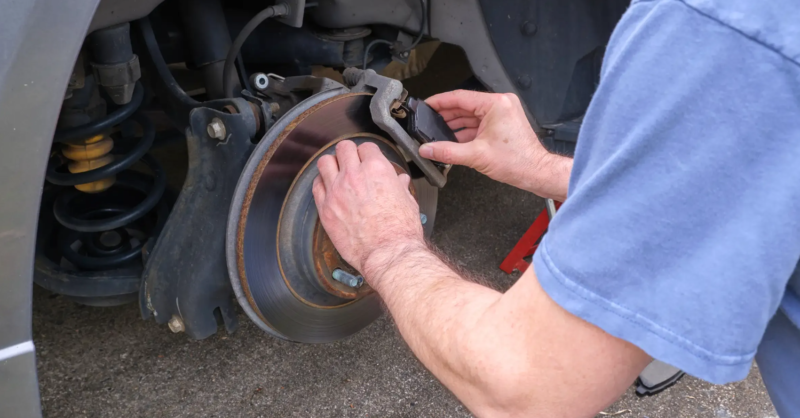
Knowing when to replace your Toyota RAV4's brake pads is critical for safety and vehicle longevity. With varying driving conditions, from city traffic to off-road adventures, the optimal replacement interval isn't a simple mileage number.
This article explores the key indicators, manufacturer recommendations, and expert insights to help you pinpoint the ideal service window. By understanding wear patterns and listening for warning signs, you can avoid costly rotor damage and ensure reliable stopping power.
- Best Time to Replace Toyota RAV4 Brake Pads
- When Mileage and Driving Habits Signal Brake Pad Replacement
- By Audible Warning Signs Like Squealing or Grinding
- When You Notice Reduced Braking Performance or a Spongy Pedal
- During Regular Maintenance Intervals Like Tire Rotation or Oil Change
- By Visual Wear Indicators Including Pad Thickness and Grooves
- After Driving in Harsh Conditions Including Towing, Mud, or Extreme Temperatures
- Frequently Asked Questions
Best Time to Replace Toyota RAV4 Brake Pads
The optimal timing for replacing the brake pads on your Toyota RAV4 is not solely based on mileage, but on a combination of driving habits, pad material, and visible wear indicators.
While a general rule of thumb suggests replacement every 30,000 to 70,000 miles, the most reliable method is to inspect the pads when the friction material has worn down to approximately 3mm or less. Ignoring these signs can lead to metal-on-metal contact, which damages the rotors and significantly increases repair costs.
1. Audible and Sensory Warning Signs
One of the most distinct indicators is a high-pitched squealing or squeaking noise when you apply the brakes. This sound is generated by a small metal wear indicator built into the pad.
Additionally, if you feel a grinding or vibrating sensation through the brake pedal or steering wheel, this often means the pads are completely worn and the metal backing plate is contacting the rotor. A softer or spongy brake pedal feel can also signal that the pads are too thin or that the brake fluid needs attention.
2. Visual Inspection and Thickness Measurement
You can often visually check the brake pads through the spokes of your wheel. Look for the outer pad pressing against the rotor; if the friction material appears less than ¼ inch (about 6mm) thick, it is time to plan for a replacement. A more precise check involves measuring the pad's thickness; anything below 3mm is critically low and requires immediate replacement.
Also, if you notice an uneven wear pattern (one side worn more than the other), it suggests a stuck caliper or other mechanical issue that should be addressed.
3. Performance Changes and Driving Conditions
Pay attention to how the vehicle behaves during braking. If you experience longer stopping distances or the vehicle pulls to one side when braking, the pads may be worn or glazed. Furthermore, your driving environment greatly affects the replacement interval.
This content may interest you! Toyota RAV4 Brake Problems Explained
Frequent stop-and-go city driving, towing heavy loads, or driving in mountainous terrain will accelerate pad wear significantly. In these conditions, you may need to replace your RAV4's brake pads every 20,000 to 30,000 miles, whereas highway drivers might extend that interval to over 60,000 miles.
| Warning Sign | What to Look For | Recommended Action |
|---|---|---|
| Noise | Squealing or grinding sound | Inspect pads immediately |
| Feel | Vibration or soft pedal | Check rotors and pads |
| Visual | Pad thickness under 3mm | Replace brake pads |
| Driving | Heavy city traffic or towing | Plan for more frequent changes |
When Mileage and Driving Habits Signal Brake Pad Replacement
The best time to replace Toyota RAV4 brake pads hinges on a blend of manufacturer recommendations and personal driving patterns. Generally, front brake pads wear faster due to braking force distribution, often needing replacement between 30,000 to 70,000 miles, while rear pads can last 70,000 to 100,000 miles.
However, city driving with frequent stops, heavy loads, or aggressive braking can drastically shorten this lifespan. Pay close attention to squealing noises, a vibrating pedal, or a low brake fluid level as primary indicators. A reduced braking response or a dashboard warning light also signals immediate inspection.
Ultimately, routine checks during every oil change help catch wear early, preventing rotor damage or costly repairs.
By Audible Warning Signs Like Squealing or Grinding
The most obvious time to replace RAV4 brake pads is when you hear a high-pitched squeal or a metallic grinding sound. Most pads have wear indicators, small metal tabs that scrape the rotor when pad material is low. If you hear a constant squealing during normal driving, it’s time for replacement.
A deep grinding noise suggests the pads are completely worn, risking rotor scoring or caliper damage. Ignoring these sounds can lead to expensive rotor resurfacing or replacement. Always address audible noise immediately to maintain safe stopping distances and preserve brake system integrity.
When You Notice Reduced Braking Performance or a Spongy Pedal
Replace brake pads when the brake pedal feels soft, spongy, or requires more pressure to stop. This indicates worn pads or contaminated brake fluid. A longer stopping distance or a pedal that sinks to the floor are critical signs. Additionally, if the vehicle pulls to one side during braking, it suggests uneven pad wear on one axle.
These symptoms reduce driving control and increase accident risk. Schedule replacement immediately if braking performance declines, as faded brakes can lead to complete brake failure in an emergency.
During Regular Maintenance Intervals Like Tire Rotation or Oil Change
Schedule brake pad replacement during routine service every 5,000 to 7,500 miles or every six months. Toyota recommends visual inspections during oil changes, measuring pad thickness material below 3mm (1/8 inch) requires replacement.
This content may interest you! How Often Should You Rotate Your Tyres?
Scheduled replacement at 40,000 to 60,000 miles prevents unexpected failures. This proactive approach saves money by avoiding rotor damage and ensures consistent braking performance. Combining brake work with tire rotation or fluid flush reduces labor costs and keeps your RAV4 in peak condition.
By Visual Wear Indicators Including Pad Thickness and Grooves
Check brake pads visually when wheels are removed or by peering through wheel spokes. If the friction material is less than 3mm thick, replace them immediately. Deep grooves, cracks, or glazing on the pad surface indicate overheating or contamination.
Uneven wear, where one pad is thinner than its counterpart, suggests sticking calipers or worn slide pins. Measuring rotor thickness alongside pads helps avoid pulsation or judder. Use a caliper gauge for accuracy; a rust buildup on the rotor edge also signals pad replacement is overdue.
After Driving in Harsh Conditions Including Towing, Mud, or Extreme Temperatures
Replace RAV4 brake pads immediately after towing heavy loads, off-road driving, or exposure to salt or mud. Towing generates excessive heat, accelerating pad wear and glazing. Mud and water can contaminate the pad material, causing corrosion or reduced friction.
Mountain driving with constant downhill braking can overheat pads, leading to brake fade. If you notice pulsation, smell, or smoke after harsh conditions, inspect pads promptly. High-performance ceramic pads may offer better durability for severe use, but timely replacement is critical to maintain stopping power and component longevity.
Frequently Asked Questions
How often should Toyota RAV4 brake pads be replaced?
Toyota RAV4 brake pads typically need replacement every 30,000 to 60,000 miles depending on driving habits and conditions. Frequent city driving or towing wears them faster, while highway driving extends lifespan. Check for squealing, grinding noises, vibration when braking, or thinner pads (under 3mm) as signs. Always inspect during routine maintenance and replace as needed for safety.
What are signs that my Toyota RAV4 brake pads are worn out?
Common signs include a high-pitched squealing or grinding noise when braking, a soft or spongy brake pedal, vibrations through the steering wheel, or a warning light on your dashboard. Visually inspect through wheel spokes—if pad thickness is less than 1/4 inch (6mm), replacement is likely needed. Performance degradation like longer stopping distances also indicates worn pads.
Can I replace Toyota RAV4 brake pads myself?
Yes, if you have basic mechanical skills and tools, replacing brake pads on a Toyota RAV4 is a DIY-friendly task. You'll need a jack, jack stands, lug wrench, C-clamp or brake caliper tool, and new pads. The process takes 60-90 minutes per axle. However, if you're inexperienced or unsure, professional installation ensures proper bedding-in and safety check of rotors and hydraulic system.
Does replacing brake pads affect Toyota RAV4 warranty?
No, replacing brake pads with quality aftermarket parts does not void your Toyota warranty. However, using substandard parts or improper installation that causes damage to other components could void related warranty coverage. Always document repairs and use parts meeting OEM specifications. For optimal warranty compliance, consider having replacements done at a Toyota dealership.
This content may interest you! How to Reduce Tyre Wear While Driving
Leave a Reply