
Toyota Voxy Windscreen Price New Zealand: Complete Replacement Cost Guide
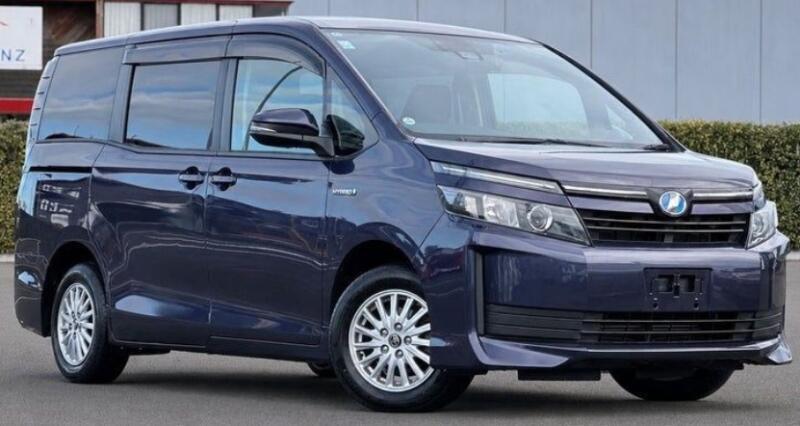
A cracked windscreen can turn an ordinary Toyota Voxy into a surprisingly expensive puzzle. One minute, we are enjoying the van’s spacious cabin and broad view of the road; the next, a stone flicks up from a truck and leaves a chip staring back at us like a tiny spider.
So, how much does a Toyota Voxy windscreen cost in New Zealand?
As a practical estimate, owners should budget approximately NZ$450 to NZ$900 for a conventional replacement and around NZ$800 to NZ$1,600 or more when the vehicle has Toyota Safety Sense cameras, rain sensors, special tinting, or other advanced equipment. Rare imported glass, genuine Toyota components, freight charges, mouldings, and calibration requirements can push the total beyond this range.
There is no universal Voxy price because this Japanese-import people mover has appeared across several generations and specifications. A basic windscreen for an older Voxy is a very different product from the camera-compatible glass fitted to a newer hybrid model.
This guide breaks down the likely prices, hidden expenses, insurance considerations, glass options, and questions we should ask before approving a replacement.
- How Much Is a Toyota Voxy Windscreen in NZ?
- Why Toyota Voxy Windscreen Prices Vary So Widely
- Toyota Voxy Windscreen Cost by Generation
- What Is Included in a Windscreen Quote?
- ADAS Calibration and the Toyota Voxy
- Aftermarket Versus Genuine Toyota Glass
- Can a Toyota Voxy Windscreen Chip Be Repaired?
- Will a Cracked Windscreen Pass a Warrant of Fitness?
- Does Insurance Cover a Voxy Windscreen?
- How to Get an Accurate Toyota Voxy Quote
- Mobile Replacement Versus Workshop Installation
- Hidden Costs That Can Increase the Final Price
- How to Compare Windscreen Quotes Properly
- Ways to Reduce Toyota Voxy Windscreen Costs
- Care After the New Windscreen Is Installed
- Toyota Voxy Windscreen Price in Auckland
- Toyota Voxy Windscreen Price in Wellington
- Toyota Voxy Windscreen Price in Christchurch
- Toyota Voxy Windscreen Cost in Smaller NZ Centres
- Is a Toyota Voxy Windscreen Expensive Compared With Other Cars?
- Final Verdict: What Should We Budget?
- Frequently Asked Questions
How Much Is a Toyota Voxy Windscreen in NZ?
The table below provides a realistic starting point for budgeting. These are not fixed quotes because local stock, model codes, installer rates, and safety technology all affect the final invoice.
| Toyota Voxy windscreen service | Estimated New Zealand price |
|---|---|
| Small chip repair | NZ$60–NZ$120 |
| Older Voxy aftermarket windscreen fitted | NZ$450–NZ$750 |
| Standard newer Voxy windscreen fitted | NZ$600–NZ$950 |
| Windscreen with sensor or camera bracket | NZ$750–NZ$1,200 |
| ADAS-equipped replacement and calibration | NZ$900–NZ$1,600+ |
| Genuine or specially imported glass | NZ$1,200–NZ$2,000+ |
| ADAS calibration alone | Approximately NZ$175–NZ$600 |
These figures sit within the broader New Zealand market. One national replacement guide places a typical standard windscreen at roughly NZ$300 to NZ$700, while vehicles with advanced driver-assistance technology may cost considerably more. Another 2026 cost guide estimates approximately NZ$800 to NZ$2,000 or more for vehicles equipped with cameras, heating elements, or sensors.
The Voxy often lands above the cheapest end of the market because it is generally a Japanese import rather than a mainstream New Zealand-new model. Availability can therefore matter almost as much as the glass itself.
The Most Likely Price for an Everyday Replacement
For many older Toyota Voxy models without a forward-facing camera, a sensible cash budget is around NZ$500 to NZ$800 fitted.
For a newer Voxy with Toyota Safety Sense, we would prepare for something closer to NZ$900 to NZ$1,500, including suitable glass and camera recalibration. This is the zone where an apparently simple pane of glass begins behaving more like an electronic component.
A windscreen is no longer merely a transparent shield. In a modern vehicle, it can become the front window of the safety system.
Why Toyota Voxy Windscreen Prices Vary So Widely
Two identical-looking Voxys can produce very different replacement quotes. The exterior shape may be similar, but the equipment hidden around the mirror area can change the job completely.
The main price variables are:
- Model year and generation
- Exact chassis or frame code
- Presence of Toyota Safety Sense
- Camera, sensor, and mirror brackets
- Acoustic or solar-control glass
- Windscreen tint and upper shade band
- Aftermarket versus genuine glass
- Local availability in New Zealand
- Freight from another city or overseas
- New mouldings, clips, or trims
- Mobile versus workshop installation
- Requirement for static or dynamic calibration
A quote that excludes calibration may initially look cheaper, but it is not necessarily the better deal. We should compare completed jobs, not tempting headline numbers.
The Voxy’s Japanese-Import Background Matters
Most Toyota Voxy vehicles in New Zealand arrived as used Japanese imports. That gives buyers access to efficient hybrid systems, flexible seating, electric sliding doors, and generous equipment. It can also make parts identification more complex.
A glazier may need the full chassis code rather than relying only on the registration number. Common Voxy families include codes associated with the AZR60, ZRR70, ZRR80, ZWR80, MZRA90, and ZWR90 generations.
Even within one generation, the glass may differ according to:
- Hybrid or petrol specification
- Two-wheel drive or four-wheel drive
- Safety package
- Camera design
- Rain-sensing wipers
- Heated wiper area
- Factory tint specification
Ordering by appearance alone is risky. Two windscreens can share the same outline while using different brackets or optical zones.
Toyota Voxy Windscreen Cost by Generation
First-Generation Voxy: 2001–2007
Earlier AZR60 and AZR65 models generally have simpler windscreens than later versions. Many lack forward-facing ADAS cameras, which removes the calibration expense and reduces the number of equipment-specific glass variations.
A likely replacement range is:
NZ$450 to NZ$750 fitted
The glass itself may be comparatively straightforward, but stock availability is the wild card. An international supplier lists front glass for an early Toyota Noah/Voxy at US$357 before the additional realities of international freight, taxes, local materials, and fitting. That example shows why directly importing a single windscreen does not always result in a bargain.
Why an Old Voxy Is Not Always Cheap
Older glass can be inexpensive when it is sitting in a New Zealand warehouse. It can be expensive when nobody has it.
A discontinued or slow-moving windscreen may require:
- Inter-island freight
- Special ordering
- Overseas sourcing
- Longer delivery times
- Reuse or replacement of ageing trims
Age lowers technological complexity, but scarcity can pull the price in the opposite direction.
Second-Generation Voxy: 2007–2014
The ZRR70 and ZRR75 generation is common enough in New Zealand to give owners a reasonable chance of finding aftermarket glass.
A normal estimate is:
NZ$500 to NZ$850 fitted
Higher-specification examples may use different mirror mounts, tinting, or sensor provisions. We should never assume that the cheapest glass listed for “Toyota Voxy 2007–2014” fits every vehicle within that period.
Third-Generation Voxy: 2014–2021
The ZRR80, ZRR85, ZWR80, and ZWR85 family introduces a wider range of safety features and hybrid configurations. This is where pricing can split sharply.
A basic version might cost:
NZ$600 to NZ$950 fitted
A Toyota Safety Sense-equipped version could cost:
NZ$850 to NZ$1,500 or more, particularly when calibration is required.
Used Japanese glass listings for late-model Voxy vehicles can show substantial component prices even before freight and local installation. For example, international listings for used 2017–2018 Voxy windscreens have appeared at several hundred to more than one thousand dollars in the seller’s displayed currency. These should not be treated as New Zealand fitted quotes, but they demonstrate how valuable exact-fit imported glass can become.
Fourth-Generation Voxy: 2022 Onward
The newest 90-series Voxy is the most likely to combine cameras, advanced safety functions, model-specific brackets, and strict optical requirements.
Owners should plan for approximately:
NZ$1,000 to NZ$2,000 or more
Not every replacement will reach the top of that range. However, a genuine windscreen, scarce aftermarket supply, calibration, mouldings, and freight can quickly stack up like suitcases in the Voxy’s cargo area.
What Is Included in a Windscreen Quote?
A proper fitted quote should cover more than the glass.
We should confirm whether the price includes:
- The correct windscreen
- Removal of the damaged glass
- Windscreen adhesive and primer
- Installation labour
- Replacement mouldings or clips
- Disposal of the old glass
- GST
- Mobile call-out fees
- Rain-sensor transfer or gel pad
- Camera bracket requirements
- ADAS recalibration
- A workmanship and leak warranty
A low quotation may omit one or more of these items. Once calibration, trims, and GST are added, the supposed bargain can evaporate like mist under the demister.
Ask for a Fitted, GST-Inclusive Price
The most useful question is not:
“How much is the glass?”
It is:
“What is the complete fitted price, including GST, mouldings, sensors, calibration, and mobile service?”
That one sentence reduces the chance of receiving a surprise invoice.
This content may interest you! Mitsubishi Triton Injector Replacement Cost New Zealand
ADAS Calibration and the Toyota Voxy
Advanced driver-assistance systems use cameras and sensors to interpret lane markings, vehicles, pedestrians, and other objects. When a camera looks through the windscreen, even a slight change in its position or the optical properties of the replacement glass can affect performance.
New Zealand auto-glass specialists state that calibration is an important step after replacing a windscreen associated with an ADAS camera. Depending on the vehicle, the process may involve static targets in a controlled workshop, dynamic calibration on the road, or a combination of both.
How Much Does ADAS Calibration Cost?
Published New Zealand estimates vary. One auto-glass provider places recalibration at around NZ$175 to NZ$460, while another specialist gives a more general range of approximately NZ$200 to NZ$600. The exact amount depends on the vehicle and the type of calibration needed.
Smith&Smith explains that it cannot confirm a universal online calibration price because the technician must identify the vehicle and determine whether static or dynamic recalibration is necessary.
Static Calibration
Static calibration takes place in a controlled workspace using manufacturer-specific target boards, accurate measurements, level flooring, and diagnostic equipment.
It may require:
- A workshop rather than a driveway
- Correct tyre pressures
- Proper vehicle alignment
- A specified fuel level or load condition
- Clear space around the vehicle
- Controlled lighting
Dynamic Calibration
Dynamic calibration involves driving the vehicle under specified conditions while diagnostic equipment guides the process.
The route may need:
- Visible lane markings
- Appropriate speed limits
- Suitable weather
- Predictable traffic
- A minimum driving distance
Because New Zealand weather and road markings do not always cooperate, a dynamic calibration can occasionally take longer than expected.
Can We Skip Calibration to Save Money?
We should not skip a required calibration merely to reduce the invoice.
A camera may still appear operational after glass replacement, yet its field of view can be slightly misaligned. That can influence functions such as lane-departure alerts, pre-collision assistance, or automatic high-beam operation.
The cost of calibration is irritating. The cost of relying on an incorrectly aligned safety system is harder to measure.
Aftermarket Versus Genuine Toyota Glass
Aftermarket Windscreens
An aftermarket windscreen is made by a glass producer other than Toyota’s branded parts channel. A high-quality aftermarket product can be a sensible option when it:
- Matches the correct dimensions
- Includes the appropriate camera or sensor brackets
- Meets applicable safety standards
- Has suitable optical quality
- Is installed by an experienced technician
- Is compatible with successful calibration
The greatest advantage is price. Aftermarket glass may save several hundred dollars compared with a genuine component.
Genuine Toyota Windscreens
A genuine windscreen may offer the closest match to the factory glass in terms of tint, markings, acoustic characteristics, brackets, and optical performance.
It may be preferable when:
- The vehicle is very new
- The insurer authorises genuine parts
- Aftermarket glass is unavailable
- Camera calibration fails with an alternative
- The owner wants an original specification
- Resale presentation is a priority
The downside is predictable: genuine glass can cost considerably more and may need to be ordered.
Is Aftermarket Glass Safe?
The word “aftermarket” does not automatically mean poor quality, just as “genuine” does not remove the need for careful installation.
We should focus on certification, correct fitment, optical clarity, bracket accuracy, installer competence, and warranty coverage. The best glass in the world can still leak or whistle when fitted poorly.
Can a Toyota Voxy Windscreen Chip Be Repaired?
A small chip may be repairable when it:
- Has not developed into a long crack
- Is sufficiently far from the edge
- Does not seriously obstruct the driver’s view
- Has limited contamination
- Has not damaged multiple layers extensively
- Meets the repairer’s size and location guidelines
A chip repair in New Zealand commonly costs around NZ$60 to NZ$120, although prices vary by provider and location. A broader 2026 New Zealand guide estimates roughly NZ$50 to NZ$100 for typical chip repairs.
Repairing early is like stitching a tiny tear before it splits the whole jacket. Heat, cold, vibration, potholes, and body flex can transform a harmless-looking chip into a crack that crosses the glass overnight.
When Replacement Is Usually Necessary
Replacement is more likely when:
- The crack reaches the windscreen edge
- The damage sits in a critical vision area
- There are multiple impacts
- Moisture or dirt has entered the chip
- The inner layer is damaged
- The crack continues to grow
- A repair would not satisfy inspection requirements
- The damage interferes with a camera’s viewing zone
An experienced technician should inspect the damage rather than diagnose it from a blurry phone photo alone.
Will a Cracked Windscreen Pass a Warrant of Fitness?
A crack does not automatically guarantee a failed Warrant of Fitness, but damage that materially affects driver visibility, windscreen strength, or legal requirements can create a problem.
The location often matters more than the dramatic appearance. A small defect directly in the driver’s critical view may be more troublesome than a larger mark in a less sensitive area.
NOVUS states that its certified repairs are guaranteed against further cracking and to pass WOF or COF inspections for as long as the owner keeps the vehicle, subject to its service terms.
We should arrange an assessment before the WOF appointment rather than hoping the inspector overlooks it.
Does Insurance Cover a Voxy Windscreen?
Insurance can change a four-figure replacement into a modest excess—or no excess at all—but only when the policy provides the relevant cover.
AA Insurance offers optional excess-free glass cover. For an accepted windscreen or window-glass claim, the customer does not pay an excess under that optional benefit. However, AA notes that the benefit does not cover every transparent component or everything attached to the glass.
Canstar explains that excess-free glass cover is designed to pay for replacement of key vehicle glass, but the exact protection varies between insurers and policies. Some comprehensive policies include limited glass benefits, while others treat full excess-free replacement as an optional extra.
Questions to Ask the Insurer
Before booking, we should ask:
- Is windscreen replacement included?
- Is there a glass excess?
- Is chip repair excess-free?
- Does the cover include ADAS calibration?
- Can we choose the repairer?
- Does the policy authorise genuine glass?
- Are mouldings and sensor components included?
- Will a glass claim affect the no-claims benefit?
- Is there a limit on the number of annual claims?
- Must the insurer approve the work first?
AA Insurance allows customers to lodge a windscreen or window-glass claim online and can arrange urgent assistance by phone. AA Auto Glass also advises insured AA customers to lodge the claim before the replacement process proceeds.
Is Glass Cover Worth Adding?
For a camera-equipped Toyota Voxy, excess-free glass cover can be especially valuable. One replacement may cost more than several years of the optional premium.
That does not mean the cover is automatically economical for everyone. We should compare:
- The annual cost of the option
- The normal windscreen excess
- The Voxy’s likely replacement price
- The policy’s calibration coverage
- Exclusions for attached sensors or equipment
- The owner’s tolerance for an unexpected bill
Read the policy wording, not just the reassuring label.
How to Get an Accurate Toyota Voxy Quote
The repairer will usually need more than the phrase “Toyota Voxy.”
Provide:
- Registration number
- Model year
- Full chassis or frame code
- A photo of the complete windscreen
- A close photo around the rear-view mirror
- A photo of the glass markings
- Details of any rain sensor
- Details of lane or collision-warning systems
- Information about tinting or a shade band
- Your city or postcode
- Insurance company and policy type
New Zealand suppliers specifically advertise Toyota Voxy windscreen availability, but they generally request direct contact to confirm the correct product and price. Van Glass, for example, lists Toyota Voxy windscreens among the Toyota auto-glass products it supplies nationally.
Find the Chassis Code Before Calling
The chassis code is normally shown on the identification plate, registration documentation, or vehicle information records.
A code such as ZWR80 immediately tells the supplier more than the model name alone. It narrows down generation, platform, and potential glass configuration.
Photograph the Area Behind the Mirror
From outside the vehicle, photograph the black ceramic area behind the interior mirror. A visible camera lens, triangular housing, or additional sensor strongly suggests that specialised glass and recalibration may be needed.
This two-minute step can prevent the wrong windscreen from arriving at the workshop.
Mobile Replacement Versus Workshop Installation
Mobile installation is convenient, particularly when a crack makes driving uncomfortable. National providers offer mobile replacement across many parts of New Zealand.
However, a workshop may be the better setting when:
- Static ADAS calibration is required
- Weather is wet or windy
- The vehicle has complicated trims
- Controlled curing conditions are important
- Diagnostic faults need investigation
- The installer requires specialised target equipment
Mobile service is excellent for the right job. It is not automatically ideal for every Voxy.
How Long Does Replacement Take?
A straightforward fitting may take roughly one to two hours, followed by the adhesive manufacturer’s safe-drive-away period.
This content may interest you! Toyota RAV4 Rear Bumper Replacement Cost New Zealand: What We Should Really Expect to Pay
An ADAS replacement generally takes longer. One New Zealand provider estimates around three to four hours for replacement and recalibration, including installation, adhesive curing, and the calibration procedure.
We should not pressure the installer to release the vehicle before the adhesive has cured sufficiently. The windscreen contributes to the body’s structural system and must remain securely bonded.
Mouldings and Clips
Ageing trims may crack during removal. Imported models sometimes use clips that are not sitting on every local parts shelf.
Rust Around the Aperture
When the old glass comes out, technicians may discover rust beneath the seal. Adhesive should not simply be spread over corrosion like icing over a broken cake.
Minor preparation may be manageable. Significant rust may require panel repair before the new windscreen can be safely bonded.
Rain-Sensor Pads
A rain sensor may need a new optical gel pad or coupling material. Reusing damaged material can reduce sensor performance.
Special Freight
A large curved windscreen is awkward and fragile. Freight from Auckland to a smaller centre—or between islands—can materially affect the quote.
Diagnostic Work
Calibration sometimes reveals an existing camera, steering-angle, alignment, or electrical fault. Rectifying that fault may be separate from the glass invoice.
Broken Cowls or Exterior Trims
Plastic components become brittle with age and sun exposure. Ask whether replacement pieces are readily available before the work begins.
How to Compare Windscreen Quotes Properly
Do not automatically choose the lowest number. Put each quotation beside the same checklist:
| Quote detail | Repairer A | Repairer B | Repairer C |
| Glass brand stated | |||
| Correct camera bracket | |||
| Fitting included | |||
| GST included | |||
| Moulding included | |||
| Mobile fee included | |||
| Calibration included | |||
| Calibration report supplied | |||
| Leak warranty | |||
| Workmanship warranty | |||
| Estimated arrival date |
A NZ$700 quote without calibration may be more expensive in reality than a complete NZ$950 package.
Red Flags in an Extremely Cheap Quote
Be cautious when the supplier:
- Cannot confirm the chassis code
- Does not ask about the camera
- Refuses to identify the glass brand
- Says calibration is never necessary
- Provides no written warranty
- Excludes GST until the final invoice
- Plans to reuse visibly damaged trims
- Cannot explain whether the glass meets suitable standards
- Gives no safe-drive-away instructions
A windscreen is a safety component, not decorative household glazing.
Ways to Reduce Toyota Voxy Windscreen Costs
Repair Chips Immediately
The cheapest replacement is the one we avoid. A prompt resin repair can prevent a crack from spreading.
Contact the insurer first. Booking independently can complicate reimbursement when the policy requires an approved provider or prior authorisation.
Compare Complete Quotes
Obtain two or three fitted estimates, especially for an imported model.
Consider Quality Aftermarket Glass
When a reputable aftermarket windscreen is correctly specified and compatible with the vehicle’s systems, it may offer excellent value.
Be Flexible About Timing
Emergency sourcing often costs more. When the vehicle remains safe and legal to drive, allowing time for stock transfer can reduce freight pressure.
Supply Accurate Vehicle Information
The wrong glass wastes time and money. Photos and the chassis code help the supplier quote correctly the first time.
Care After the New Windscreen Is Installed
Follow the installer’s instructions. In general, we may be advised to:
- Respect the stated safe-drive-away time
- Leave retention tape in place temporarily
- Avoid slamming doors for the first day
- Keep a window slightly open if recommended
- Avoid high-pressure washing immediately
- Watch for wind noise or water leaks
- Confirm the rain sensor operates correctly
- Check that camera-related warning lights are absent
- Retain the calibration report and invoice
If water appears inside the cabin, contact the installer promptly. Do not assume a leak will seal itself.
Test the Vehicle’s Safety Functions
After calibration, confirm that relevant dashboard warnings clear and that the systems behave normally.
We should not attempt dramatic road tests. Normal driving is enough to identify persistent warning messages, obvious camera faults, or unusual system behaviour.
Toyota Voxy Windscreen Price in Auckland
Auckland usually offers the broadest selection of auto-glass providers and imported parts. Competition and local warehousing may keep a standard Voxy replacement near the lower end of the national range.
A rough expectation is:
- Older model: NZ$450–NZ$750
- Newer non-ADAS model: NZ$600–NZ$900
- ADAS model: NZ$850–NZ$1,500+
Used-glass fitting may be available from some Auckland operators. One provider advertises used ADAS-compatible windscreen solutions and calibration services, although suitability must be assessed for each vehicle.
Toyota Voxy Windscreen Price in Wellington
Wellington pricing can be similar to Auckland when stock is available locally. Strong wind and unpredictable weather may make workshop installation preferable on some days.
Estimated range:
NZ$500 to NZ$1,600+, depending on generation and safety equipment.
Toyota Voxy Windscreen Price in Christchurch
Christchurch has established national and independent auto-glass services, including providers offering replacement and ADAS calibration.
Estimated range:
NZ$500 to NZ$1,600+
Freight may become a larger factor when the correct imported glass is held in the North Island.
Toyota Voxy Windscreen Cost in Smaller NZ Centres
Owners outside the main cities may pay additional freight or mobile travel fees. The glass may need to come from Auckland, Hamilton, Wellington, or Christchurch.
A rural or provincial quote could therefore be NZ$100 to NZ$300 higher than an equivalent city job, although this varies widely. The extra cost is often logistical rather than a markup on the glass itself.
Is a Toyota Voxy Windscreen Expensive Compared With Other Cars?
Compared with a basic New Zealand-new hatchback, it can be.
Compared with another modern import using a forward-facing camera, the Voxy is not unusually expensive. The broader industry has seen replacement costs rise because windscreens increasingly support cameras, sensors, acoustic treatments, heating systems, and calibration procedures.
AA Insurance previously noted that a basic windscreen might sit in the NZ$300–NZ$400 range while high-technology replacements could reach approximately NZ$1,500. Although individual prices have evolved since that statement, the underlying distinction remains relevant: technology, not merely glass size, drives modern replacement bills.
The Voxy’s large windscreen and import status add another layer. It is less like buying a generic window and more like matching a prescription lens to a particular pair of frames.
Final Verdict: What Should We Budget?
For a Toyota Voxy windscreen replacement in New Zealand, we should use the following practical budget:
- NZ$450–NZ$800 for many older, simpler models
- NZ$600–NZ$1,000 for newer models without complex camera requirements
- NZ$900–NZ$1,600+ for Toyota Safety Sense or ADAS-equipped vehicles
- NZ$1,200–NZ$2,000+ when genuine, scarce, or specially imported glass is required
The exact answer lives in the details: chassis code, camera bracket, sensor package, glass availability, location, and insurance cover.
Before approving the work, obtain a written fitted quote that includes GST, mouldings, mobile charges, and calibration. Confirm whether the windscreen is genuine or aftermarket, ask for the product brand, and make sure the installer understands Japanese-import Toyota safety systems.
The cheapest quote may save money today. The correct quote protects visibility, safety technology, and peace of mind for thousands of kilometres.
Frequently Asked Questions
1. How much does a Toyota Voxy windscreen cost in New Zealand?
A Toyota Voxy windscreen generally costs around NZ$450 to NZ$900 fitted for a conventional model. A vehicle with Toyota Safety Sense, cameras, or sensors may cost approximately NZ$900 to NZ$1,600 or more, including calibration.
2. Does a Voxy windscreen need camera calibration?
It does when the vehicle has a forward-facing camera mounted behind or near the windscreen and the manufacturer’s repair procedure requires recalibration. The repairer should identify whether static, dynamic, or combined calibration is necessary.
3. Can we use an aftermarket windscreen on a Toyota Voxy?
Yes, provided the glass is correctly specified, meets suitable standards, includes the correct brackets and optical areas, and supports successful operation and calibration of the vehicle’s equipment.
4. Will New Zealand car insurance pay for the replacement?
Comprehensive insurance may cover windscreen damage, but excesses, optional glass cover, calibration, repairer choice, and exclusions vary. Check the policy and contact the insurer before authorising the replacement.
This content may interest you!Mitsubishi Triton Maintenance Cost New Zealand: Complete Ownership Guide5. What information is needed for an accurate quote?
Provide the registration, model year, full chassis code, location, and photographs of the windscreen markings and rear-view-mirror area. Also mention any camera, rain sensor, lane warning, pre-collision system, tint, or heated section.
Leave a Reply