
Mitsubishi Triton ABS and Traction Control Light On: Causes, Diagnosis, and Fixes
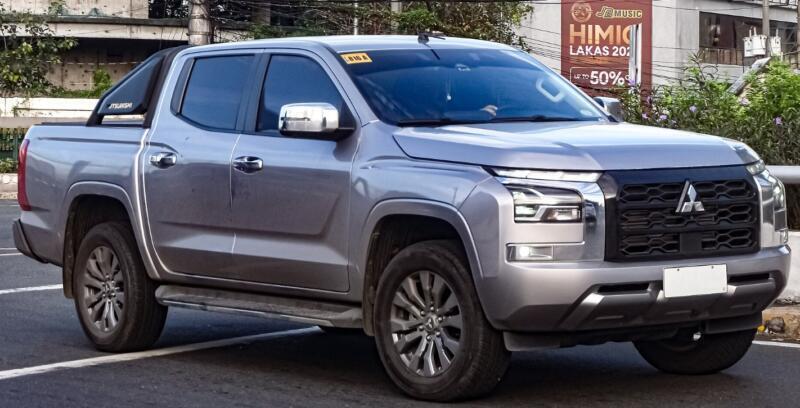
Seeing the Mitsubishi Triton ABS and traction control light on can turn an ordinary drive into a tense guessing game. One moment, the dashboard looks normal. The next, two warning lamps appear together like an unwanted pair of house guests.
Does it mean the brakes are about to fail? Is the Triton still safe to drive? Could a dirty sensor really trigger several warnings at once?
The reassuring news is that the conventional hydraulic brakes will usually continue working. However, the illuminated warning lights often indicate that the Anti-lock Braking System and traction or stability-control functions have been disabled because the vehicle has detected a fault.
That distinction matters. The ute may still stop, but it might no longer receive electronic assistance during emergency braking, wheelspin, or a sudden loss of grip.
Because the ABS and traction-control systems share sensors, wiring, control modules, and wheel-speed information, a single problem can illuminate both warning lights. Sometimes the cause is relatively simple, such as dirt around a wheel-speed sensor. In other cases, the fault involves damaged wiring, a failing wheel bearing, low battery voltage, or the ABS hydraulic control unit.
Let’s work through the problem logically rather than throwing parts at it like darts at a board.
- What the ABS Warning Light Means on a Mitsubishi Triton
- What the Traction Control Light Means
- Most Common Causes of Mitsubishi Triton ABS and Traction Control Lights
- Electrical Causes That Should Not Be Overlooked
- Mechanical and Brake-System Causes
- ABS Hydraulic Unit and Control-Module Problems
- Can Different Tyres Trigger the Warning Lights?
- Why the Lights May Appear After Off-Road Driving
- Why the Lights Appear After Brake, Hub, or Suspension Repairs
- Is It Safe to Drive with Both Lights On?
- How to Diagnose the Problem Step by Step
- Step 1: Record Exactly What Happened
- Step 2: Restart the Triton Once
- Step 3: Check Brake Fluid and Brake Operation
- Step 4: Check Tyres and Wheels
- Step 5: Inspect Wheel-Speed Sensor Wiring
- Step 6: Test the Battery and Charging System
- Step 7: Scan the ABS Control Unit
- Step 8: Compare Live Wheel-Speed Data
- Step 9: Perform Electrical Testing
- Can We Reset the ABS and Traction Control Lights?
- Common Diagnostic Mistakes to Avoid
- How Much Might the Repair Cost?
- How to Reduce the Risk of Future ABS Faults
- The Best Practical Approach
- Closing Thoughts
- Frequently Asked Questions
- 1. Why are my Mitsubishi Triton ABS and traction control lights on at the same time?
- 2. Can I drive my Triton with the ABS and traction-control lights on?
- 3. Will a bad wheel bearing turn on the ABS light?
- 4. Can a weak battery cause ABS and traction-control warnings?
- 5. How do I permanently reset the Mitsubishi Triton ABS light?
What the ABS Warning Light Means on a Mitsubishi Triton
ABS stands for Anti-lock Braking System. Its job is to stop the wheels from locking during hard braking.
When a wheel begins slowing much faster than the others, the ABS control unit interprets that change as an approaching lock-up. It then adjusts hydraulic brake pressure at that wheel. This rapid pressure modulation can help the driver retain steering control while braking heavily.
Under normal conditions, the ABS warning lamp should illuminate briefly when the ignition is switched on. This is part of the vehicle’s self-check procedure. The light should then disappear after the engine starts or once the system completes its initial checks.
When the ABS light remains illuminated, appears while driving, or repeatedly returns, the system has detected a problem. Depending on the Triton generation and equipment, ABS-related functions such as Electronic Brake-force Distribution, Active Stability Control, traction control, and other brake-based assistance features may also be affected.
Mitsubishi owner documentation warns that ABS and stability-control warning lamps may appear together when those functions are suspended.
Will the Normal Brakes Still Work?
In many cases, yes. The basic hydraulic braking system normally remains operational when the ABS warning light is on.
However, “the brakes still work” should not be confused with “everything is fine.”
Without ABS, the wheels may lock during emergency braking, especially on wet roads, gravel, mud, ice, loose surfaces, or uneven terrain. A locked wheel offers less steering control, which can turn a sudden stop into something resembling a sled ride.
If the red brake warning light is also illuminated, the situation may be more serious. It could indicate low brake fluid, a hydraulic fault, an engaged parking brake, or another braking-system issue.
When the Red Brake Light Appears Too
Stop driving as soon as it is safe when the following occur together:
- ABS warning light
- Red brake warning light
- Soft or sinking brake pedal
- Noticeably reduced braking force
- Brake-fluid leakage
- Grinding or severe mechanical noises
- Vehicle pulling sharply under braking
Do not assume that every combination of warning lights is merely an electronic glitch.
What the Traction Control Light Means
The traction-control system helps reduce wheelspin during acceleration. It compares individual wheel speeds and looks for a driven wheel rotating faster than the others.
When excessive wheelspin is detected, the system may:
- Apply braking force to the spinning wheel
- Reduce engine torque
- Adjust throttle response
- Work alongside stability control
- Coordinate with the four-wheel-drive system
The light may flash briefly when the system is actively controlling wheelspin. That is normal. For example, it might flash when accelerating on wet grass, loose gravel, sand, or a slippery incline.
A traction-control light that remains steadily illuminated is different. It may mean the system has been manually switched off, or it may indicate that the system is unavailable because of a fault.
Why the ABS and Traction Control Lights Appear Together
The two systems are close relatives. They depend heavily on the same wheel-speed information and often operate through the same hydraulic modulator.
Imagine four runners carrying speed data from each wheel to one central coach. If one runner stops reporting—or starts shouting inaccurate numbers—the coach can no longer make reliable decisions. Instead of guessing, the system disables the affected assistance functions and turns on the warning lights.
That is why a failure involving one wheel sensor can produce several dashboard messages, including:
- ABS warning
- Traction-control warning
- Active Stability Control warning
- ASC OFF or ASTC OFF message
- Service-required message
- Hill-start assistance warning
- Four-wheel-drive warning
- Cruise-control interruption on some models
Modern vehicle systems overlap like threads in a rope. Pull one loose, and several sections can weaken.
Most Common Causes of Mitsubishi Triton ABS and Traction Control Lights
Although several faults can trigger the warning lamps, some causes are much more common than others.
1. Faulty Wheel-Speed Sensor
A damaged or failed wheel-speed sensor is one of the first possibilities to investigate.
Each wheel uses a sensor to measure rotational speed. The ABS control unit compares the readings continuously. When one sensor produces no signal, an intermittent signal, or a reading that does not match the others, the system stores a diagnostic trouble code and may disable ABS and traction control.
Wheel-speed sensors can fail because of:
- Internal electrical failure
- Age and heat exposure
- Water ingress
- Impact damage
- Corrosion
- Excessive air gap
- Metal debris
- Mud contamination
- Damage during suspension or brake repairs
A sensor does not always fail completely. It may work at low speed but lose its signal at higher speed, or function when dry but fail after rain. These intermittent faults can be especially frustrating because the light may disappear after restarting the vehicle.
This content may interest you! Mitsubishi Triton DPF System Service Required: Causes, Fixes, and Prevention
Typical Signs of a Bad Wheel-Speed Sensor
Common clues include:
- Lights appear after the Triton begins moving
- Warning lamps come and go
- ABS activates unexpectedly at low speed
- Speedometer behaves strangely on some models
- Cruise control stops working
- One live wheel-speed reading drops to zero
- Warning returns after driving through water
- Fault appears after brake or bearing work
A scan tool that can read the ABS module—not merely basic engine codes—is usually the fastest way to identify which wheel is causing trouble.
2. Damaged Wheel-Speed Sensor Wiring
Sometimes the sensor is innocent, and the wiring is the real troublemaker.
Sensor cables live in a hostile environment. They face water, stones, vibration, heat, suspension movement, mud, road salt, and off-road debris. The cable flexes whenever the steering turns or the suspension moves.
Possible wiring problems include:
- Broken internal conductors
- Split insulation
- Corroded connectors
- Loose plugs
- Bent connector pins
- Harness rubbing against the tyre
- Cable damage from stones or branches
- Poorly routed wiring after repairs
- Rodent damage
- Water inside a connector
An external inspection may not reveal an internal break. A wire can look perfect while the copper strands inside have separated.
Why Intermittent Wiring Faults Are Difficult
The fault may appear only when:
- Turning the steering wheel
- Driving over bumps
- Braking
- Reversing
- Driving in rain
- Carrying a heavy load
- Moving the suspension through its full travel
This is why technicians often inspect live wheel-speed data while gently moving the wiring harness. If the signal disappears while the cable is flexed, the damaged section becomes easier to locate.
3. Dirty Sensor or Contaminated Reluctor Ring
Wheel-speed sensors read a magnetic encoder or toothed reluctor ring near the hub, bearing, axle, or CV joint, depending on the Triton generation.
Mud, rust, metal particles, grease, and debris can interfere with the signal. This is particularly relevant for working Tritons that regularly encounter farms, construction sites, river crossings, dusty tracks, or deep mud.
A dirty sensor is not guaranteed to be the cause, but inspection and careful cleaning are sensible early steps.
Avoid aggressively scraping magnetic encoder rings or striking the sensor. Some rings are integrated into the wheel bearing and can be damaged surprisingly easily.
4. Cracked or Damaged Reluctor Ring
A damaged reluctor ring can create a signal that rises and falls incorrectly as the wheel rotates.
The sensor may be perfectly functional, but the control unit sees irregular wheel speed because one section of the ring is cracked, corroded, bent, missing, or contaminated.
Typical symptoms include:
- ABS activation just before the vehicle stops
- Warning lights appearing at a consistent speed
- Pulsation through the brake pedal
- A repeating drop in one wheel-speed graph
- Warning after CV-joint or hub replacement
A visual inspection can help when the ring is exposed, but some encoder rings are hidden inside sealed bearings. In those cases, live data or an oscilloscope may be required.
5. Failing Wheel Bearing or Excessive Hub Play
A worn wheel bearing can affect ABS operation in two ways.
First, excessive play may change the gap between the sensor and encoder ring. Second, a bearing with an integrated magnetic encoder may produce an unreliable signal as it deteriorates.
Listen for a humming, droning, or growling sound that changes with road speed. The sound may become louder while turning in one direction and quieter in the other.
Other bearing-related clues include:
- Vibration through the steering wheel
- Uneven tyre wear
- Wheel play
- Heat around one hub
- Repeated failure of the same wheel-speed signal
- Warning beginning after hub replacement
Incorrectly fitted or low-quality replacement bearings can also cause problems. Some magnetic encoder bearings must be installed with the encoded side facing the sensor. Installed backwards, the sensor may not detect a usable signal at all.
Electrical Causes That Should Not Be Overlooked
Not every ABS fault begins at a wheel. Modern control systems need stable voltage and reliable communication.
6. Weak Battery or Low System Voltage
A weak battery can produce a small festival of warning lights, particularly during startup.
ABS pumps, solenoids, computers, and sensors rely on stable voltage. If battery voltage drops too far while cranking, the ABS control unit may log low-voltage faults or fail its self-check.
Low voltage becomes more likely when:
- The engine cranks slowly
- The battery is old
- Cold-weather starting is difficult
- The vehicle has been parked for weeks
- Accessories were left on
- Battery terminals are loose
- The alternator is undercharging
- An aftermarket electrical accessory drains the battery
Do not replace an ABS sensor until the battery and charging system have been checked. Diagnosing electronics with unstable voltage is like measuring a table during an earthquake.
Basic Battery Checks
With the engine off, a healthy, fully charged 12-volt battery commonly rests around 12.6 volts, although temperature, battery type, recent charging, and surface charge can affect the reading.
During cranking, voltage should not collapse excessively. With the engine running, the alternator should normally raise system voltage above resting battery voltage.
The correct test is not only a static voltage reading. A battery may display acceptable voltage and still fail under load. A proper battery conductance or load test provides better information.
7. Loose, Corroded, or Damaged Battery Connections
Before exploring expensive components, inspect the simple things:
This content may interest you!Mitsubishi Triton Warning Lights: Meanings, Causes, and What to Do- Positive battery terminal
- Negative battery terminal
- Engine ground strap
- Chassis grounds
- Main fuse-box connections
- ABS module power supply
- Alternator connections
Green or white corrosion, loose clamps, broken ground straps, and poor terminal contact can generate intermittent faults.
Disconnecting and reconnecting the battery may temporarily clear warning lights, but it does not repair the underlying problem. The lights will usually return once the control unit detects the fault again.
8. Blown Fuse or Faulty ABS Relay
A fuse may blow because of a temporary electrical event, but it may also point to a short circuit, failing pump motor, damaged wiring, or water intrusion.
Check the correct fuse using the diagram for the specific Triton model and year. Do not rely on a generic online diagram, because fuse layouts can differ by generation, engine, transmission, and market.
Never fit a higher-rated fuse. A fuse is a protective device, not an obstacle to be outsmarted.
If the replacement fuse blows again, further electrical diagnosis is required.
9. Alternator or Charging-System Problem
An undercharging or overcharging alternator can upset multiple modules.
Possible symptoms include:
- Battery warning light
- Dim or flickering lights
- Slow cranking
- Electrical accessories behaving oddly
- Multiple dashboard warnings
- Warning lights changing with engine speed
- Battery repeatedly going flat
Charging voltage that is unstable rather than simply low can be especially disruptive. Testing should include voltage output, electrical load, terminal condition, and potentially alternator ripple.
Mechanical and Brake-System Causes
Some warning combinations are linked to brake hardware, hydraulic pressure, or driver-input sensors.
10. Low Brake-Fluid Level
Low brake fluid is not the most common reason for the ABS and traction-control lights alone, but it deserves immediate attention.
Check the reservoir on level ground. If the fluid is below the recommended range, do not simply top it up and forget about it.
Brake fluid can fall because:
- Brake pads are worn
- A hydraulic leak is present
- A caliper is leaking
- A wheel cylinder is leaking
- A brake hose is damaged
- The master cylinder is failing
- The system was serviced incorrectly
Fluid level gradually falling as brake pads wear can be normal within limits. A sudden drop is not.
11. Brake-Light Switch Failure
The brake-light switch tells several vehicle systems when the pedal is being pressed.
A defective or misadjusted switch can confuse the ABS, traction-control, stability-control, cruise-control, transmission, and engine-management systems. Although symptoms vary by model, it is worth checking whether the brake lights operate correctly.
Look for:
- Brake lights that remain on
- Brake lights that do not illuminate
- Intermittent brake lights
- Cruise control that will not set
- Difficulty moving the transmission from Park
- Warning lights appearing after pedal-switch adjustment
Owner reports on some Mitsubishi vehicles have also linked brake-lamp circuit problems with ABS and stability-control warnings, although a diagnostic scan is needed before assuming the same cause on a particular Triton.
12. Steering-Angle Sensor Calibration Fault
Stability control needs to know where the driver intends to steer. The steering-angle sensor provides that information.
If the sensor reports that the steering wheel is turned while the vehicle is travelling straight, the stability-control system may consider the data implausible.
A calibration issue can arise after:
- Wheel alignment
- Steering-rack replacement
- Battery disconnection
- Clock-spring replacement
- Suspension repairs
- Steering-wheel removal
- Collision damage
The cure may involve recalibration with a suitable diagnostic tool rather than component replacement.
13. Yaw-Rate or Lateral-Acceleration Sensor Fault
The yaw-rate sensor measures how the vehicle rotates around its vertical axis. The lateral-acceleration sensor measures sideways movement.
Together, these sensors help the stability-control system compare driver intention with actual vehicle movement.
A fault may result from:
- Sensor failure
- Water intrusion
- Incorrect installation
- Wiring damage
- Low voltage
- Calibration loss
- Collision repairs
- Communication errors
These are less convenient to diagnose at home because scan-tool data, calibration procedures, and workshop information are often necessary.
ABS Hydraulic Unit and Control-Module Problems
The ABS hydraulic unit contains valves and a pump used to adjust brake pressure. The electronic control unit monitors sensors, runs self-checks, stores fault codes, and controls the hydraulic components.
14. ABS Pump Motor Failure
A failing pump motor may trigger codes related to motor operation, voltage, relay performance, or internal failure.
Potential symptoms include:
- Warning lights appearing immediately
- Lights returning after codes are cleared
- No audible pump self-test
- Pump running unexpectedly
- Blown ABS fuse
- Communication with the module but failed actuator tests
A pump code does not automatically prove the pump itself is defective. Poor power supply, a weak battery, corroded grounds, relay faults, or damaged wiring can create similar symptoms.
This content may interest you!Mitsubishi Triton Automatic Transmission Oil Change: Complete Guide15. Internal ABS Module Failure
Internal module failure is possible, but it should not be the first conclusion.
ABS modules are expensive, and replacement may involve coding, configuration, bleeding procedures, or calibration. Before condemning one, a technician should verify:
- Correct power supply
- Reliable grounds
- Network communication
- Sensor signals
- Wiring continuity
- Connector condition
- Relevant technical information
- Stored fault-code details
Replacing the module based only on dashboard lights is like replacing a laptop because the Wi-Fi disconnected once.
Can Different Tyres Trigger the Warning Lights?
Yes, under certain circumstances.
The ABS control unit expects wheel speeds to remain reasonably consistent. Tyres with significantly different rolling circumferences can make one axle or wheel rotate at a different rate.
Problems may arise from:
- Mismatched tyre sizes
- One new tyre paired with heavily worn tyres
- Incorrect spare tyre use
- Unequal inflation pressures
- Different tyre constructions
- Incorrect wheel fitment
- Extremely uneven tread wear
A small difference is usually tolerated, but a substantial mismatch can confuse the system.
Check Tyre Pressures First
Tyre pressure affects rolling radius. A severely underinflated tyre may rotate differently from the others.
Check all tyres when cold and inflate them according to the vehicle placard, considering load and driving conditions. Do not blindly use the maximum pressure printed on the tyre sidewall.
Off-Road Tyre Pressure and ABS Behaviour
Many Triton owners reduce tyre pressure for sand, mud, or rough tracks. That can be appropriate when done responsibly, but large pressure differences between wheels should be corrected.
After returning to sealed roads:
- Inspect the tyres for damage.
- Restore suitable road pressures.
- Check the sensor wiring.
- Remove heavy mud from the hubs.
- Restart the vehicle.
- Drive carefully and see whether the warnings return.
Why the Lights May Appear After Off-Road Driving
The Triton is built to leave the bitumen, but electronics still live close to the action.
Off-road use can expose the system to:
- Mud packed around sensors
- Stones striking wiring
- Branches pulling cables
- Water inside connectors
- Sand around wheel hubs
- Wheel-bearing contamination
- Underbody impacts
- Large tyre-pressure changes
- Suspension overextension
If the warning began immediately after a trail, river crossing, or muddy worksite, start with a careful visual inspection. Do not point a pressure washer directly into electrical connectors or against sensitive seals.
Could Water Cause a Temporary Warning?
Yes. Moisture can enter a damaged connector or affect a marginal wiring connection.
The warning may disappear when everything dries, but that does not prove the issue has repaired itself. Water-related electrical faults often return during the next storm or crossing.
A connector that repeatedly fills with moisture needs proper inspection, cleaning, drying, terminal repair, and sealing according to an appropriate service procedure.
Why the Lights Appear After Brake, Hub, or Suspension Repairs
When the problem begins immediately after workshop work, that timing is valuable diagnostic evidence.
Possible repair-related causes include:
- Sensor left unplugged
- Wiring trapped or stretched
- Sensor damaged during hub removal
- Incorrect wheel bearing installed
- Magnetic encoder fitted backwards
- Reluctor ring damaged
- Excessive sensor gap
- Connector not fully seated
- Wrong replacement part
- Steering-angle calibration not completed
Return to the repairer promptly and explain exactly when the lights first appeared. Avoid erasing fault codes beforehand because the stored information may help identify what happened.
Is It Safe to Drive with Both Lights On?
It depends on the symptoms.
A Triton with normal pedal feel and only amber ABS and traction-control warnings may still have conventional braking. Nevertheless, ABS, traction control, stability assistance, and related features may be unavailable.
Drive only as far as necessary for diagnosis, and adjust your behaviour:
- Reduce speed
- Increase following distance
- Avoid hard braking
- Avoid slippery roads where practical
- Do not tow heavy loads
- Avoid aggressive cornering
- Avoid challenging off-road terrain
- Assume electronic assistance is unavailable
Mitsubishi’s modern traction and brake-control technologies actively use braking intervention to manage wheelspin and improve grip, which illustrates why losing those functions can materially change vehicle behaviour on slippery surfaces.
When You Should Stop Driving
Stop and arrange professional assistance when:
- The red brake warning light is on
- The pedal feels soft, hard, or inconsistent
- Brake fluid is leaking
- Braking distance has increased
- The vehicle pulls violently
- The steering feels unsafe
- A wheel is overheating
- The battery is failing
- There is a burning smell
- Multiple critical warnings appear
- The vehicle enters limp mode
- The warnings follow a major impact
Safety should outrank convenience. A missed appointment is cheaper than a collision.
How to Diagnose the Problem Step by Step
Random part replacement is expensive. A structured diagnosis is faster and more reliable.
Step 1: Record Exactly What Happened
Before switching off the engine, note:
- Which lights appeared
- Whether they flashed or stayed on
- Vehicle speed
- Weather conditions
- Road surface
- Recent repairs
- Recent battery replacement
- Off-road or water exposure
- Any unusual noises
- Changes in braking or steering
Take a photograph of the instrument cluster. Dashboard messages sometimes disappear after restarting, and memory becomes surprisingly foggy once we reach the workshop.
Step 2: Restart the Triton Once
Switch off the engine safely, wait briefly, and restart.
This content may interest you! Toyota RAV4 4WD Warning Light Flashing: What It Means and What We Should Do
If the lights disappear, the fault may have been intermittent. That does not mean it should be ignored, particularly when it returns.
Avoid repeatedly cycling the ignition in the hope of “resetting” the system. Stored codes and freeze-frame information are more useful than temporary darkness on the dashboard.
Step 3: Check Brake Fluid and Brake Operation
Inspect the brake-fluid level and look underneath the vehicle for signs of leakage.
Test the pedal while stationary. It should feel consistent rather than sinking gradually toward the floor.
Do not continue driving if anything about the hydraulic brakes feels abnormal.
Step 4: Check Tyres and Wheels
Confirm:
- Correct tyre sizes
- Similar tread depths
- Suitable pressure
- Secure wheel nuts
- No damaged sidewalls
- No obviously loose wheel bearing
- No temporary spare in use
A tyre mismatch may not be the most common cause, but it is quick to identify.
Step 5: Inspect Wheel-Speed Sensor Wiring
Look behind each wheel without placing yourself beneath an unsupported vehicle.
Check for:
- Disconnected plugs
- Broken clips
- Chafed insulation
- Mud accumulation
- Harness contact with moving parts
- Impact damage
- Water intrusion
- Recent repair disturbance
Do not pull the wiring forcefully. A brittle cable can turn a minor fault into a complete break.
Step 6: Test the Battery and Charging System
Inspect the battery terminals and grounds. Test battery condition and alternator performance using appropriate equipment.
Address low-voltage problems before interpreting secondary electronic faults.
Step 7: Scan the ABS Control Unit
A basic code reader may only communicate with the engine computer. It can report “no codes” while the ABS module is holding several faults.
Use a scanner capable of accessing:
- ABS
- ASC or ASTC
- Four-wheel-drive systems
- Steering-angle data
- Wheel-speed live data
- Chassis diagnostic trouble codes
Common chassis codes begin with the letter C, but exact definitions vary by model, year, control-unit version, and market. Always interpret the code using vehicle-specific information.
Why the Fault Code Is a Starting Point
A code identifying a left-front wheel-speed-sensor circuit does not necessarily mean the sensor itself must be replaced.
The real cause could be:
- Broken wire
- Corroded terminal
- Damaged encoder ring
- Incorrect air gap
- Failed bearing
- Poor module connection
- Wrong sensor
- Physical contamination
A diagnostic code tells us where the system noticed a problem—not always which part caused it.
Step 8: Compare Live Wheel-Speed Data
During a controlled road test, all four wheel-speed readings should rise and fall smoothly.
A faulty channel may:
- Remain at zero
- Drop out intermittently
- Read differently from the others
- Spike unrealistically
- Fail only while turning
- Become unstable over bumps
Live data often transforms a vague warning-light complaint into a focused diagnosis.
Step 9: Perform Electrical Testing
When wiring is suspected, testing may include:
- Connector inspection
- Power and ground checks
- Continuity testing
- Voltage-drop testing
- Resistance checks where specified
- Signal analysis
- Oscilloscope testing
- Harness movement testing
Do not pierce wires unnecessarily or apply external voltage to sensor circuits without reliable technical information. Modern modules are not fond of electrical guesswork.
Can We Reset the ABS and Traction Control Lights?
There is no universal button sequence that permanently fixes a genuine fault.
The warning may disappear after:
- Correcting battery voltage
- Repairing damaged wiring
- Reconnecting a sensor
- Replacing a failed sensor
- Repairing the reluctor ring
- Replacing a faulty bearing
- Correcting tyre mismatch
- Recalibrating a steering sensor
- Repairing the ABS unit
Some codes clear automatically after the control unit sees valid signals. Others require a scan tool.
Does Disconnecting the Battery Work?
It may clear temporary information, but it rarely solves the cause.
Battery disconnection can also:
- Reset clock and radio settings
- Affect idle learning
- Erase useful diagnostic information
- Require window initialization
- Trigger calibration requirements
- Produce additional low-voltage codes
Repair first, clear codes second.
Should We Clear the Codes Before Repairs?
Usually, record them first.
This content may interest you! Toyota RAV4 Brake Problems Explained
Save:
- Full code numbers
- Code descriptions
- Current or history status
- Freeze-frame data
- Live sensor readings
- System voltage
- Conditions present when the fault occurred
Clearing codes before writing them down is like wiping footprints away before investigating where they lead.
Common Diagnostic Mistakes to Avoid
Replacing Every Wheel Sensor
One warning light does not justify replacing four sensors. Confirm the faulty circuit first.
Using Only an Engine Code Reader
A basic OBD reader may not communicate with the ABS system.
Ignoring Battery Health
Low voltage can mimic component failure and create misleading codes.
Fitting Cheap, Incorrect Parts
Sensor dimensions, electrical characteristics, connector design, and encoder compatibility matter.
Assuming the Most Expensive Part Has Failed
ABS modules can fail, but wiring and wheel-related faults are often more likely.
Ignoring Intermittent Warnings
An intermittent sensor signal can become a permanent failure without warning.
Continuing to Tow Normally
A loaded trailer increases braking demands. Driving without ABS or stability assistance reduces the safety margin.
How Much Might the Repair Cost?
Repair costs vary widely according to the Triton generation, local labour rates, diagnosis time, part quality, and whether related components must be replaced.
Broadly, the repair may involve:
- Diagnostic scan and inspection
- Sensor cleaning
- Wiring repair
- Wheel-speed sensor replacement
- Wheel bearing or hub replacement
- Brake-light switch replacement
- Battery or alternator replacement
- Steering-angle calibration
- ABS pump repair
- ABS module replacement
Diagnosis is part of the repair, not wasted money. A proper hour of testing can prevent several rounds of unnecessary parts replacement.
When a Low-Cost Repair Becomes Expensive
A damaged wire may be inexpensive to repair when found early. Left exposed, it may short against the body, damage a connector, blow fuses, or allow corrosion to travel deeper into the harness.
Small electrical problems behave like roof leaks: cheap when contained, expensive after being ignored.
How to Reduce the Risk of Future ABS Faults
No maintenance routine can prevent every electronic failure, but sensible habits help.
After Off-Road Trips
- Rinse away mud carefully
- Inspect visible sensor wiring
- Check tyre pressures
- Look for underbody damage
- Listen for bearing noise
- Address warning lights promptly
During Brake and Suspension Work
Ask the technician to:
- Protect wheel-speed sensors
- Route wiring correctly
- Use compatible bearings
- Inspect encoder rings
- Confirm connectors are secure
- Scan the vehicle after repairs
During Battery Maintenance
- Keep terminals clean
- Secure the battery properly
- Test an ageing battery
- Repair charging faults
- Avoid careless jump-starting
- Use correct polarity
When Changing Tyres
Use matching tyre sizes and maintain similar tread depths across the axle. On four-wheel-drive models, follow the manufacturer’s guidance regarding tyre compatibility and rotation.
The Best Practical Approach
When the Mitsubishi Triton ABS and traction control light is on, begin with safety and evidence.
Check the brake pedal, brake-fluid level, tyres, battery, and visible wheel wiring. Then use an ABS-capable scanner to retrieve fault codes and examine live wheel-speed data.
The most likely answer is not always the most dramatic one. A torn wire, dirty connector, weak battery, or damaged wheel sensor can silence several systems at once. Yet we should not assume the repair is simple until the braking system has been checked properly.
The dashboard is not being theatrical. It is telling us that the electronic safety net may have a hole in it.
Closing Thoughts
The Mitsubishi Triton is designed to work hard, tow, travel off-road, and handle difficult conditions. Those same conditions can be tough on the sensors and wiring that support its electronic braking systems.
When both warning lights appear, the conventional brakes may continue operating, but ABS, traction control, and stability assistance may be disabled. That means less electronic support precisely when the road becomes slippery or an emergency stop is required.
We do not need to panic, but we should not ignore the lights either.
Start with basic checks. Record the symptoms. Scan the correct control unit. Test before replacing parts. Most importantly, stop driving when braking performance feels abnormal or the red brake warning light appears.
A careful diagnosis turns a dashboard mystery into a repair plan—and that is far better than hoping the lights simply get bored and go away.
Frequently Asked Questions
1. Why are my Mitsubishi Triton ABS and traction control lights on at the same time?
The systems share wheel-speed sensors, wiring, hydraulic components, and control information. A faulty sensor, damaged cable, weak battery, mismatched tyre, failing bearing, or ABS-module problem can therefore activate both warnings.
2. Can I drive my Triton with the ABS and traction-control lights on?
The conventional brakes may still work when only amber warning lights are illuminated, but ABS and stability assistance may be unavailable. Drive cautiously only as far as necessary for inspection. Stop immediately if the red brake light appears or braking feels abnormal.
3. Will a bad wheel bearing turn on the ABS light?
Yes. Excessive bearing movement can alter the sensor gap, while damage to an integrated magnetic encoder can corrupt the wheel-speed signal. Bearing noise, hub play, vibration, and intermittent sensor readings are useful clues.
4. Can a weak battery cause ABS and traction-control warnings?
Yes. Low voltage during startup can prevent the ABS control unit from completing its self-test or can create voltage-related diagnostic codes. The battery, terminals, grounds, and alternator should be tested before expensive ABS components are replaced.
This content may interest you! Nissan Murano Dash Lights: Meanings, Warnings, and What to Do
5. How do I permanently reset the Mitsubishi Triton ABS light?
A permanent reset requires repairing the underlying fault. After the sensor, wiring, voltage, bearing, calibration, or module problem is corrected, the light may clear automatically or may need to be erased with an ABS-capable diagnostic scanner.
Leave a Reply